
Validation Data Gallery
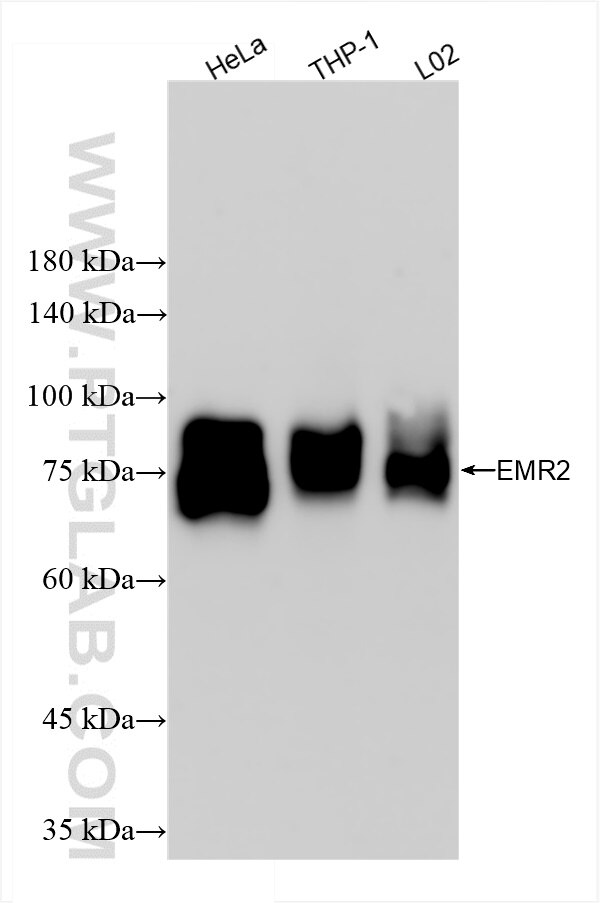
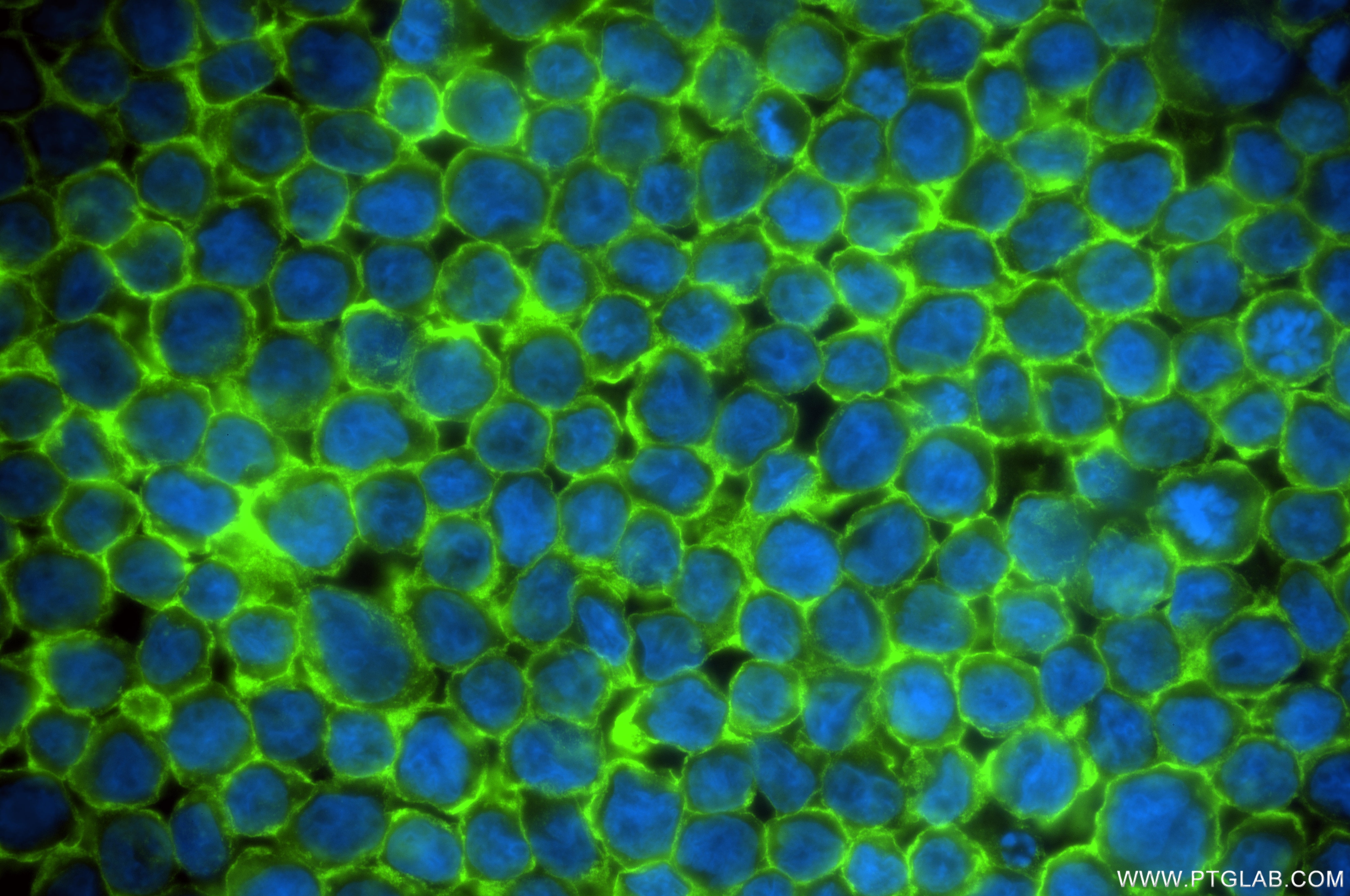
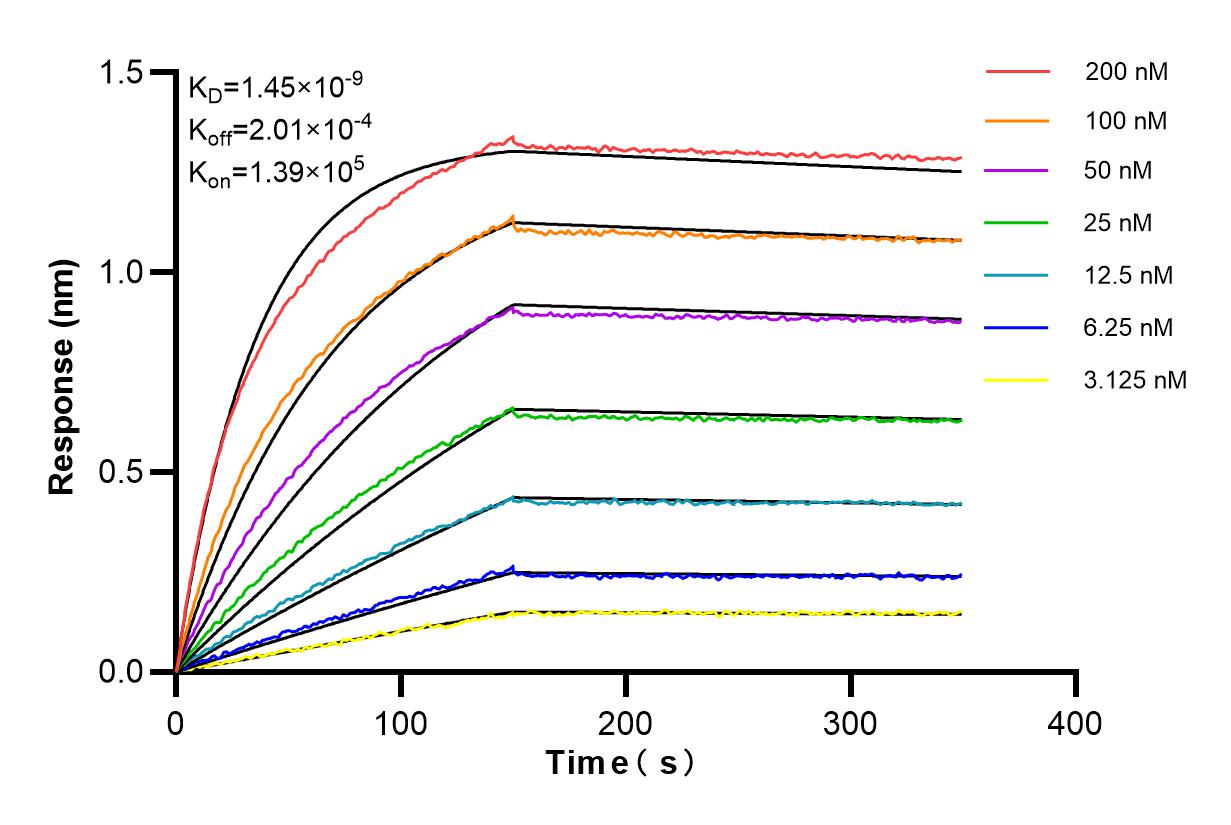
Tested Applications
Recommended dilution
| Application | Dilution |
|---|---|
| It is recommended that this reagent should be titrated in each testing system to obtain optimal results. | |
Product Information
84608-5-PBS targets EMR2/CD312 in WB, IF/ICC, Indirect ELISA applications and shows reactivity with human samples.
| Tested Reactivity | human |
| Host / Isotype | Rabbit / IgG |
| Class | Recombinant |
| Type | Antibody |
| Immunogen |
CatNo: Eg2479 Product name: Recombinant Human EMR2 protein (rFc Tag) Source: mammalian cells-derived, V37 Tag: C-rFc Domain: 24-260 aa of NM_013447.3 Sequence: QDSRGCARWCPQDSSCVNATACRCNPGFSSFSEIITTPMETCDDINECATLSKVSCGKFSDCWNTEGSYDCVCSPGYEPVSGAKTFKNESENTCQDVDECQQNPRLCKSYGTCVNTLGSYTCQCLPGFKLKPEDPKLCTDVNECTSGQNPCHSSTHCLNNVGSYQCRCRPGWQPIPGSPNGPNNTVCEDVDECSSGQHQCDSSTVCFNTVGSYSCRCRPGWKPRHGIPNNQKDTVCE 相同性解析による交差性が予測される生物種 |
| Full Name | egf-like module containing, mucin-like, hormone receptor-like 2 |
| Calculated molecular weight | 90 kDa |
| Observed molecular weight | 75~90 kDa |
| GenBank accession number | NM_013447.3 |
| Gene Symbol | EMR2 |
| Gene ID (NCBI) | 30817 |
| RRID | AB_3743603 |
| Conjugate | Unconjugated |
| Form | |
| Form | Liquid |
| Purification Method | Protein A purification |
| UNIPROT ID | Q9UHX3-1 |
| Storage Buffer | PBS only{{ptg:BufferTemp}}7.3 |
| Storage Conditions | Store at -80°C. |
Background Information
EMR2 (Epidermal Growth Factor-like module-containing Mucin-like Hormone Receptor 2), also known as ADGRE2, is a member of the adhesion-GPCR family that contains extracellular EGF-like domains. EMR2 contains a total of five tandem EGF-like domains and expresses similar protein isoforms consisting of various numbers of EGF-like domains as a result of alternative RNA splicing (PMID: 10903844). EMR2 is restricted to myeloid cells including monocytes, macrophages, dendritic cells and granulocytes28 and its expression is highly regulated during monocyte/macrophage differentiation (PMID: 31969668).The ligation of EMR2 could increase neutrophil adhesion, migration and anti-microbial mediator production and could enhance the systemic inflammation (PMID: 27905560).