
Validation Data Gallery
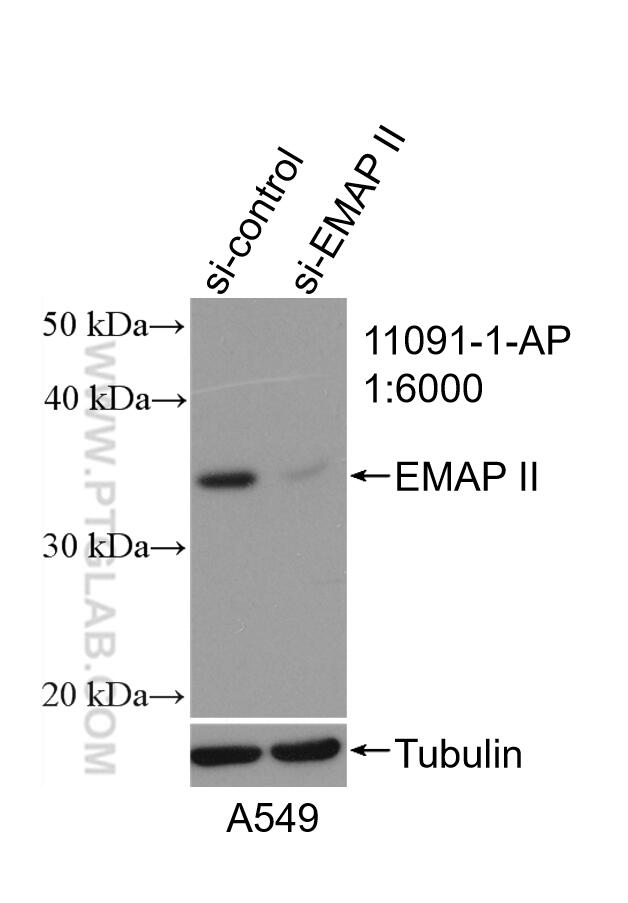
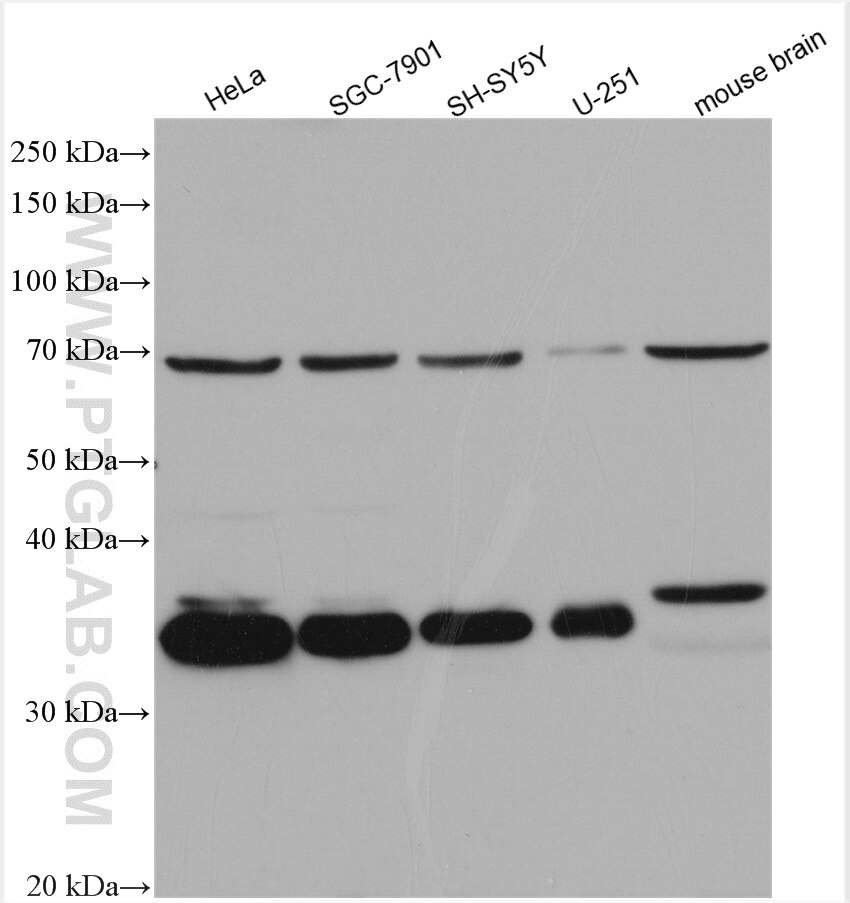
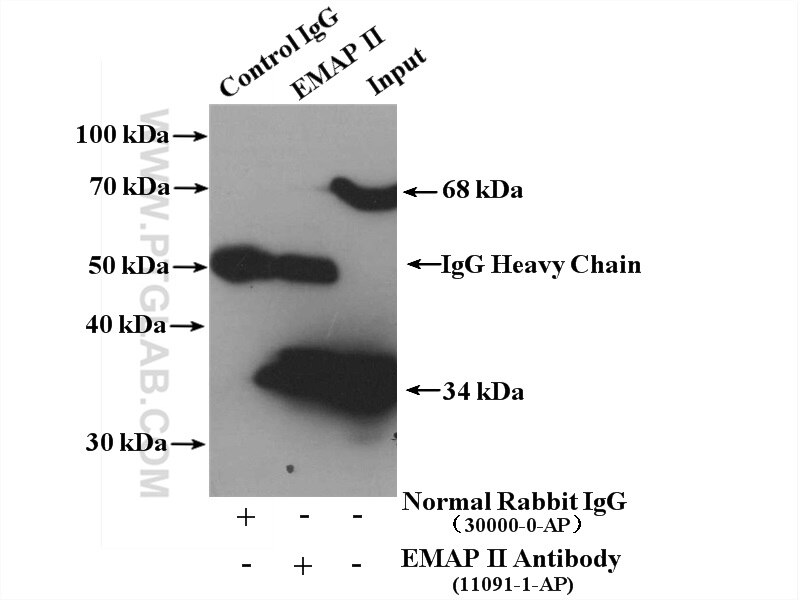
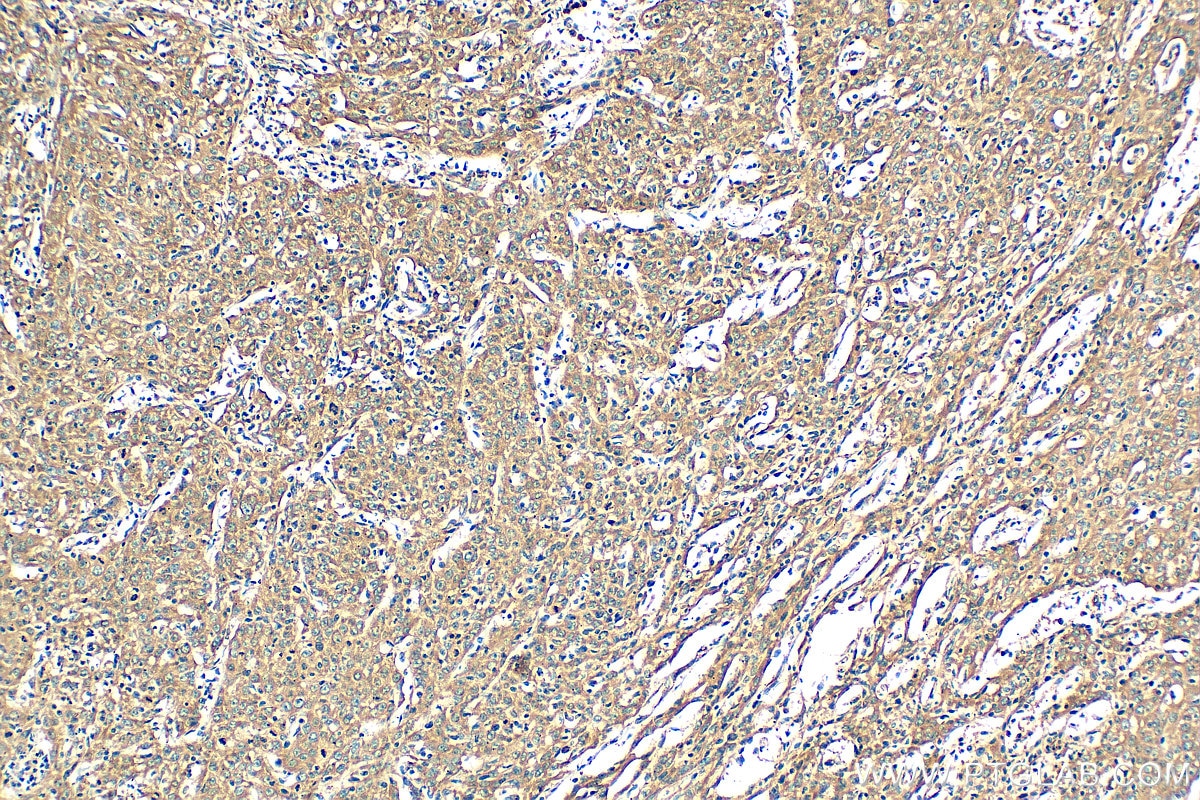
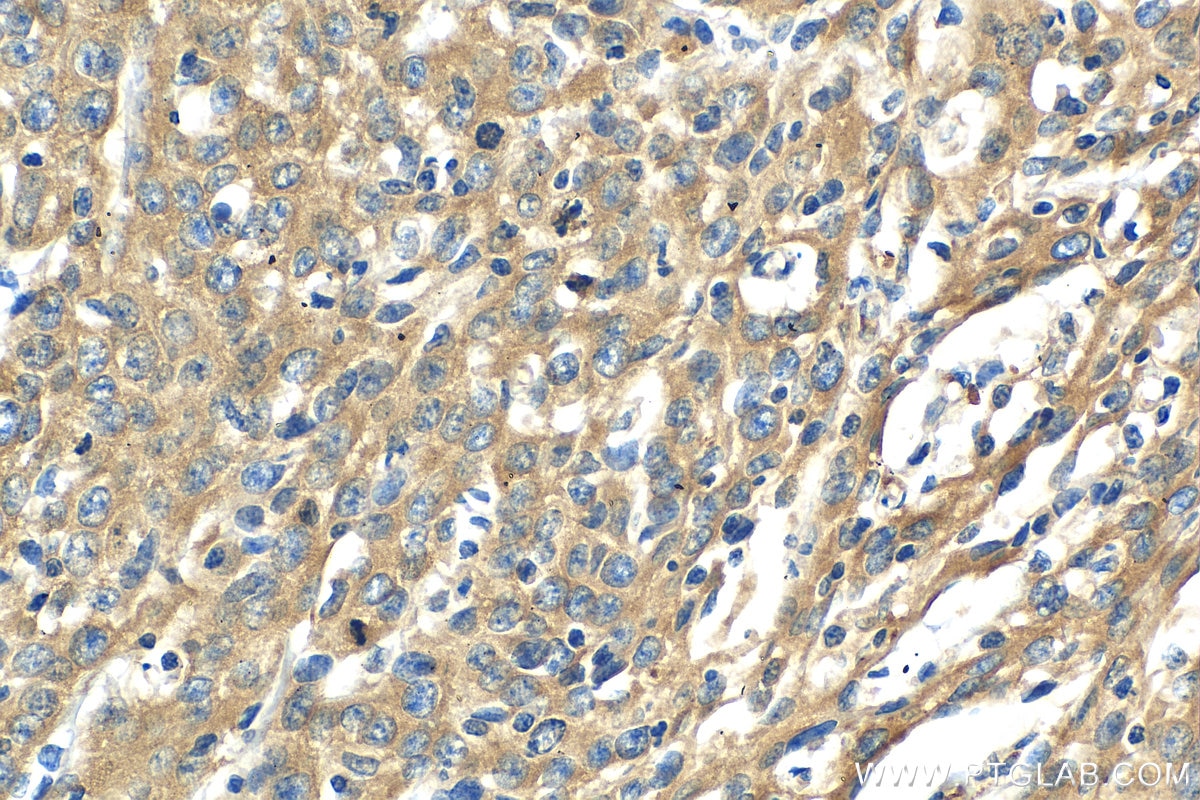
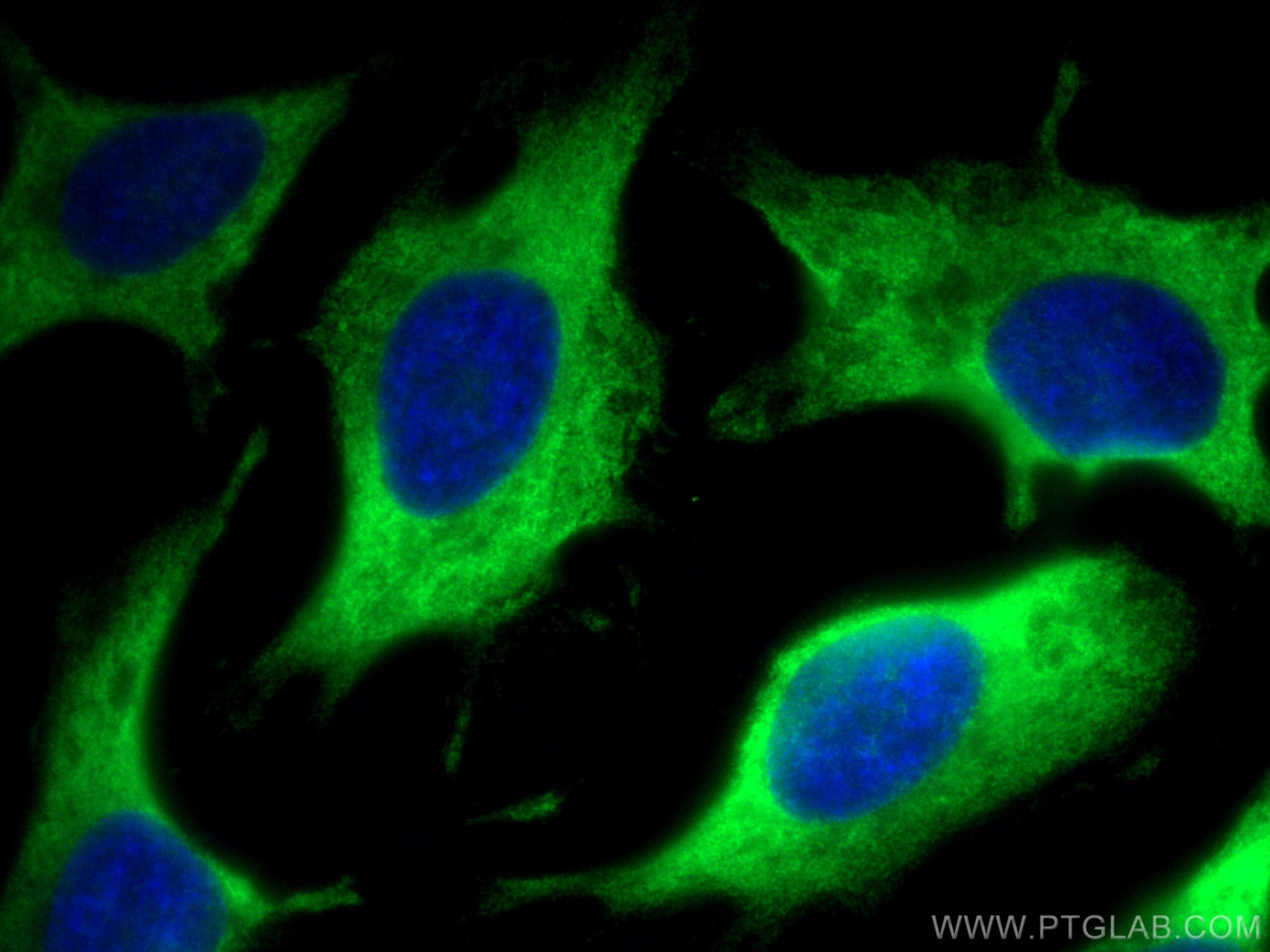
Tested Applications
Recommended dilution
| Application | Dilution |
|---|---|
| It is recommended that this reagent should be titrated in each testing system to obtain optimal results. | |
Product Information
11091-1-PBS targets EMAP II in WB, IHC, IF/ICC, IP, Indirect ELISA applications and shows reactivity with human, mouse samples.
| Tested Reactivity | human, mouse |
| Host / Isotype | Rabbit / IgG |
| Class | Polyclonal |
| Type | Antibody |
| Immunogen |
CatNo: Ag1560 Product name: Recombinant human SCYE1 protein Source: e coli.-derived, PGEX-4T Tag: GST Domain: 1-312 aa of BC014051 Sequence: MANNDAVLKRLEQKGAEADQIIEYLKQQVSLLKEKAILQATLREEKKLRVENAKLKKEIEELKQELIQAEIQNGVKQIPFPSGTPLHANSMVSENVIQSTAVTTVSSGTKEQIKGGTGDEKKAKEKIEKKGEKKEKKQQSIAGSADSKPIDVSRLDLRIGCIITARKHPDADSLYVEEVDVGEIAPRTVVSGLVNHVPLEQMQNRMVILLCNLKPAKMRGVLSQAMVMCASSPEKIEILAPPNGSVPGDRITFDAFPGEPDKELNPKKKIWEQIQPDLHTNDECVATYKGVPFEVKGKGVCRAQTMSNSGIK 相同性解析による交差性が予測される生物種 |
| Full Name | small inducible cytokine subfamily E, member 1 (endothelial monocyte-activating) |
| Calculated molecular weight | 34 kDa |
| Observed molecular weight | 34 kDa and 68 kDa |
| GenBank accession number | BC014051 |
| Gene Symbol | EMAP II |
| Gene ID (NCBI) | 9255 |
| RRID | AB_2182590 |
| Conjugate | Unconjugated |
| Form | |
| Form | Liquid |
| Purification Method | Antigen affinity purification |
| UNIPROT ID | Q12904 |
| Storage Buffer | PBS only{{ptg:BufferTemp}}7.3 |
| Storage Conditions | Store at -80°C. |
Background Information
SCYE1(small inducible cytokine subfamily E, member 1) is also named as EMAP2, AIMP1. The human cDNA encodes a 312-amino acid polypeptide that the predicted 34-kDa precursor can be cleaved to produce an active 20-kDa product(PMID:7929199). SCYE1 is secreted as a result of various stimuli, including TNF-α, heat shock, and hypoxia, and that it acts as a multifunctional cytokine on both endothelial and immune cells(PMID:18292511). Defects in AIMP1 are the cause of leukodystrophy hypomyelinating type 3 (HLD3). It has 2 isoforms produced by alternative splicing and the protein can exsit as a dimer(PMID:11306575).