
Validation Data Gallery
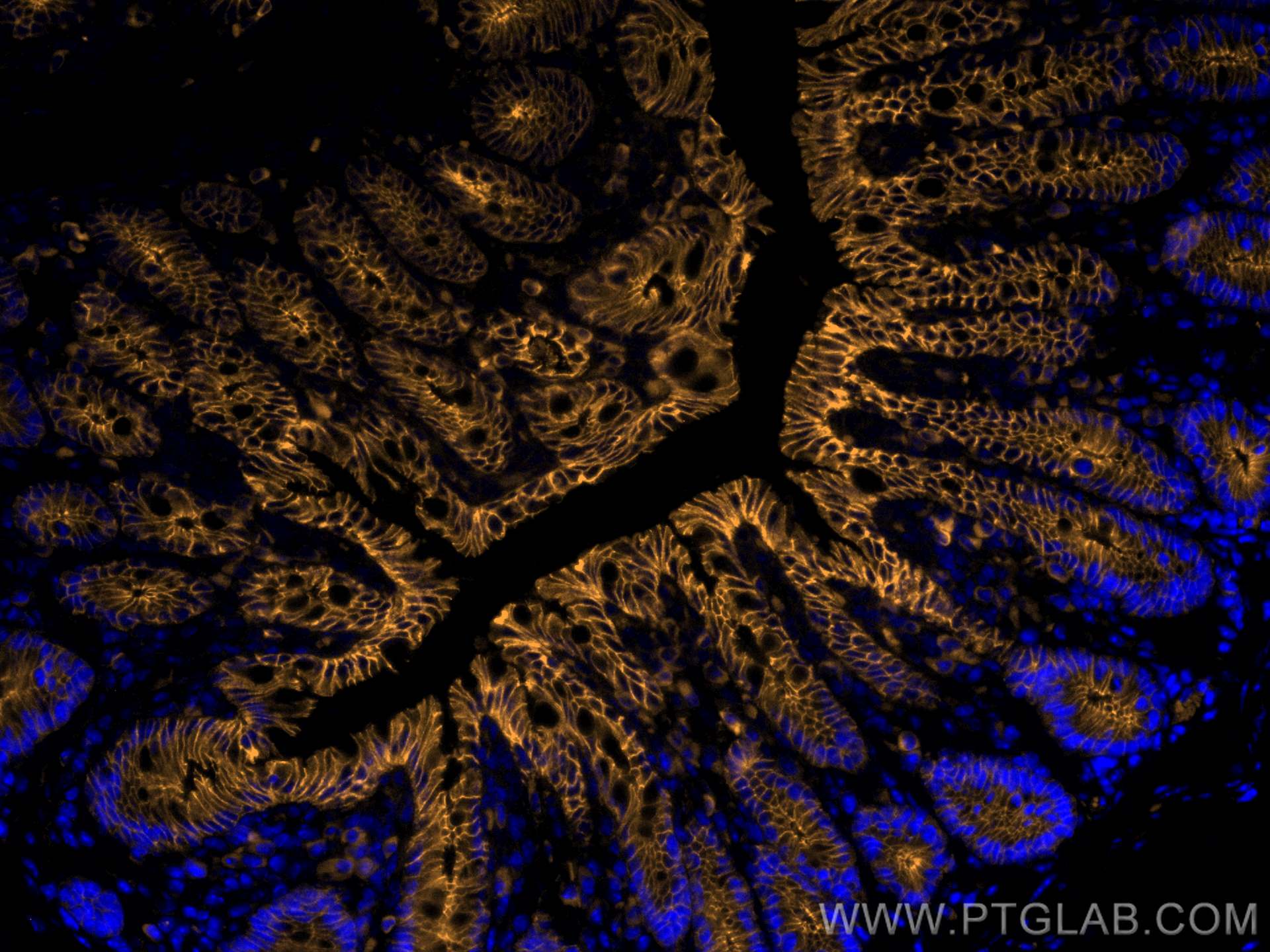
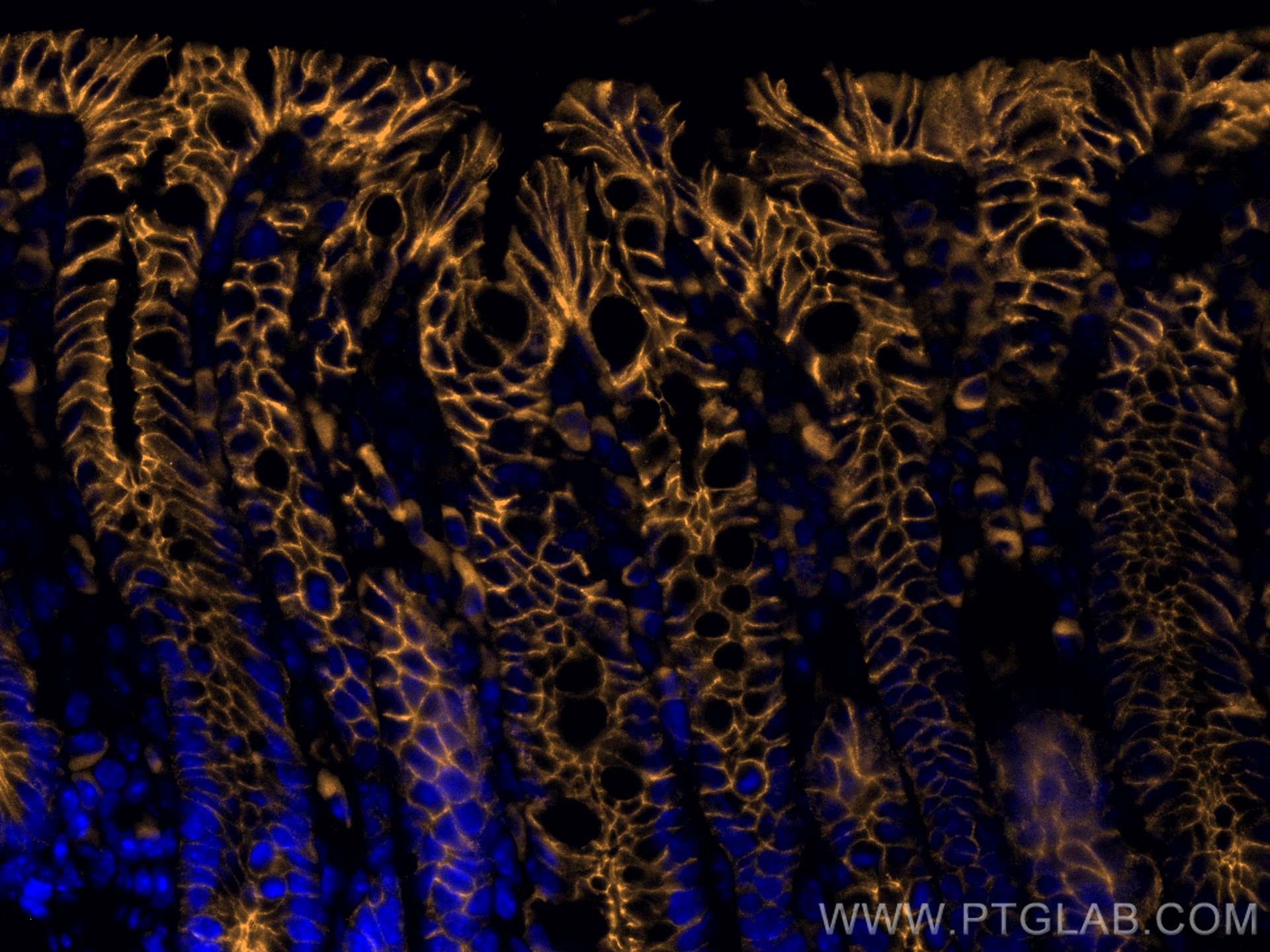
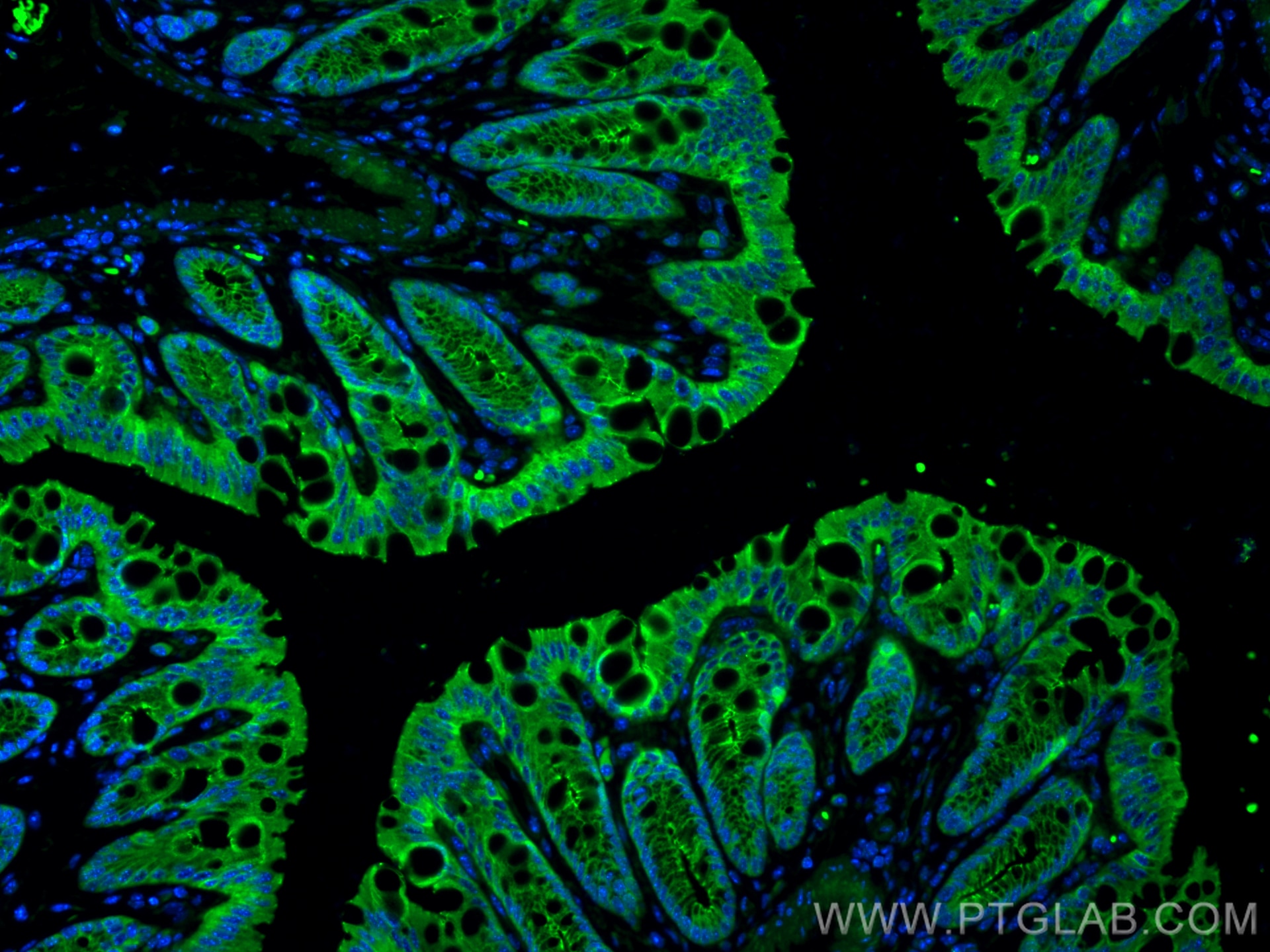
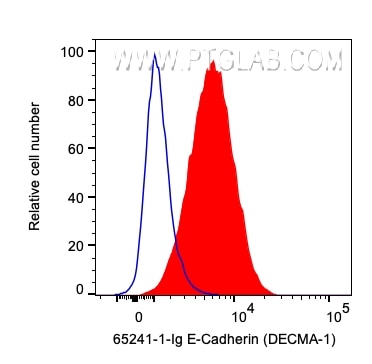
Tested Applications
65241-1-Ig
Recommended dilution
| Application | Dilution |
|---|---|
| This reagent has been tested for flow cytometric analysis. It is recommended that this reagent should be titrated in each testing system to obtain optimal results. | |
Product Information
65241-1-PBS targets E-cadherin in IF-P, FC applications and shows reactivity with human, mouse, canine samples.
| Tested Reactivity | human, mouse, canine |
| Host / Isotype | Rat / IgG1, kappa |
| Class | Monoclonal |
| Type | Antibody |
| Immunogen |
Mouse embryonal carcinoma cell line PCC4 Aza RI 相同性解析による交差性が予測される生物種 |
| Full Name | cadherin 1 |
| GenBank accession number | BC098501 |
| Gene Symbol | E-cadherin |
| Gene ID (NCBI) | 12550 |
| Conjugate | Unconjugated |
| Form | |
| Form | Liquid |
| Purification Method | Protein G purification |
| UNIPROT ID | P09803 |
| Storage Buffer | PBS Only{{ptg:BufferTemp}}7.3 |
| Storage Conditions | Store at -80°C. |
Background Information
Cadherins are a family of transmembrane glycoproteins that mediate calcium-dependent cell-cell adhesion and play an important role in the maintenance of normal tissue architecture. E-cadherin (epithelial cadherin), also known as CDH1 (cadherin 1) or CAM 120/80, is a classical member of the cadherin superfamily which also include N-, P-, R-, and B-cadherins. It has been regarded as a marker for spermatogonial stem cells in mice(PMID:23509752). E-cadherin is expressed on the cell surface in most epithelial tissues. The extracellular region of E-cadherin establishes calcium-dependent homophilic trans binding, providing specific interaction with adjacent cells, while the cytoplasmic domain is connected to the actin cytoskeleton through the interaction with p120-, α-, β-, and γ-catenin (plakoglobin). E-cadherin is important in the maintenance of the epithelial integrity, and is involved in mechanisms regulating proliferation, differentiation, and survival of epithelial cell. E-cadherin may also play a role in tumorigenesis. It is considered to be an invasion suppressor protein and its loss is an indicator of high tumor aggressiveness.