
Validation Data Gallery
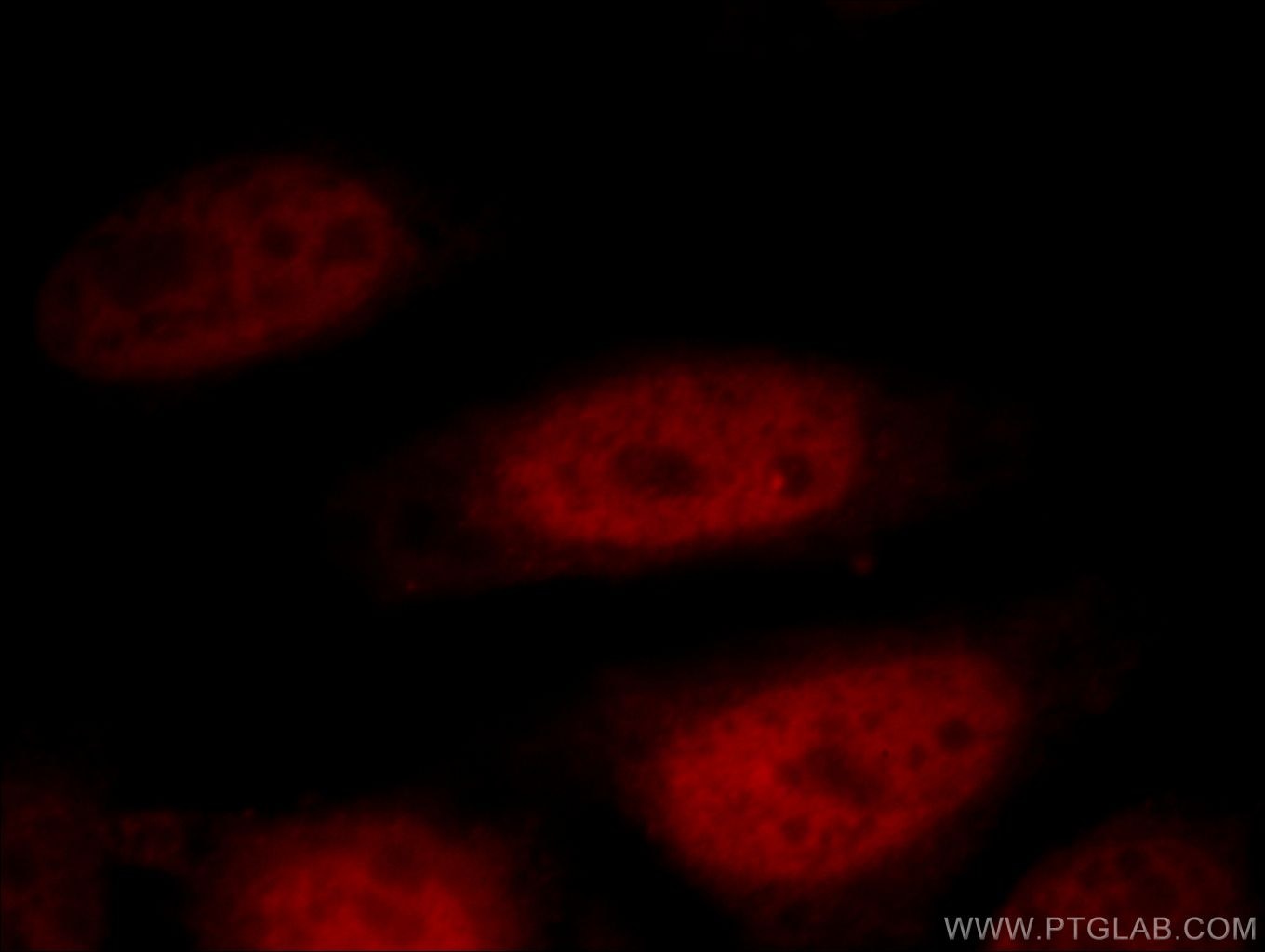
Tested Applications
Recommended dilution
| Application | Dilution |
|---|---|
| It is recommended that this reagent should be titrated in each testing system to obtain optimal results. | |
Product Information
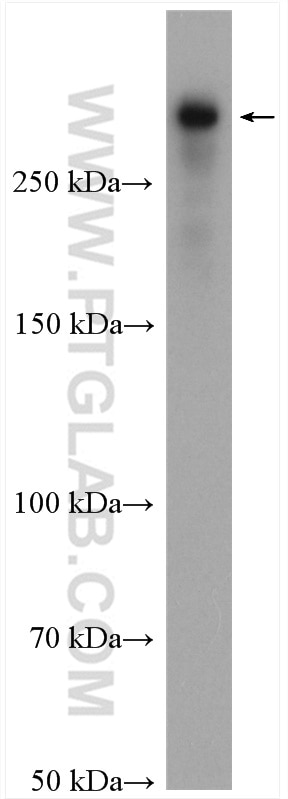
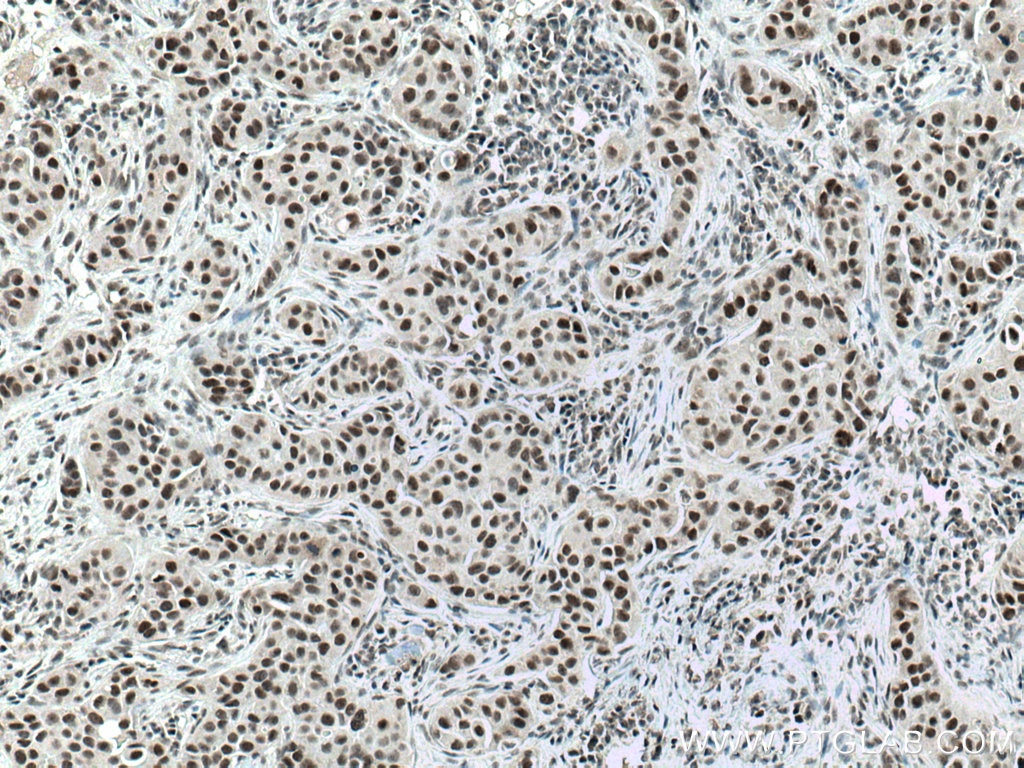
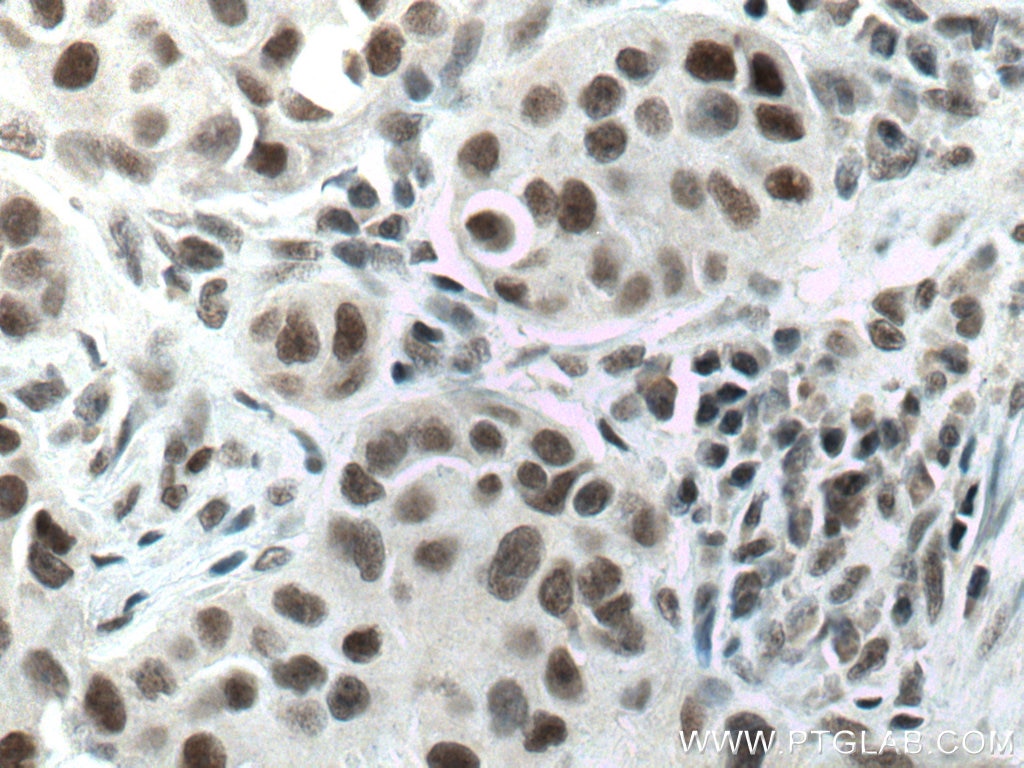
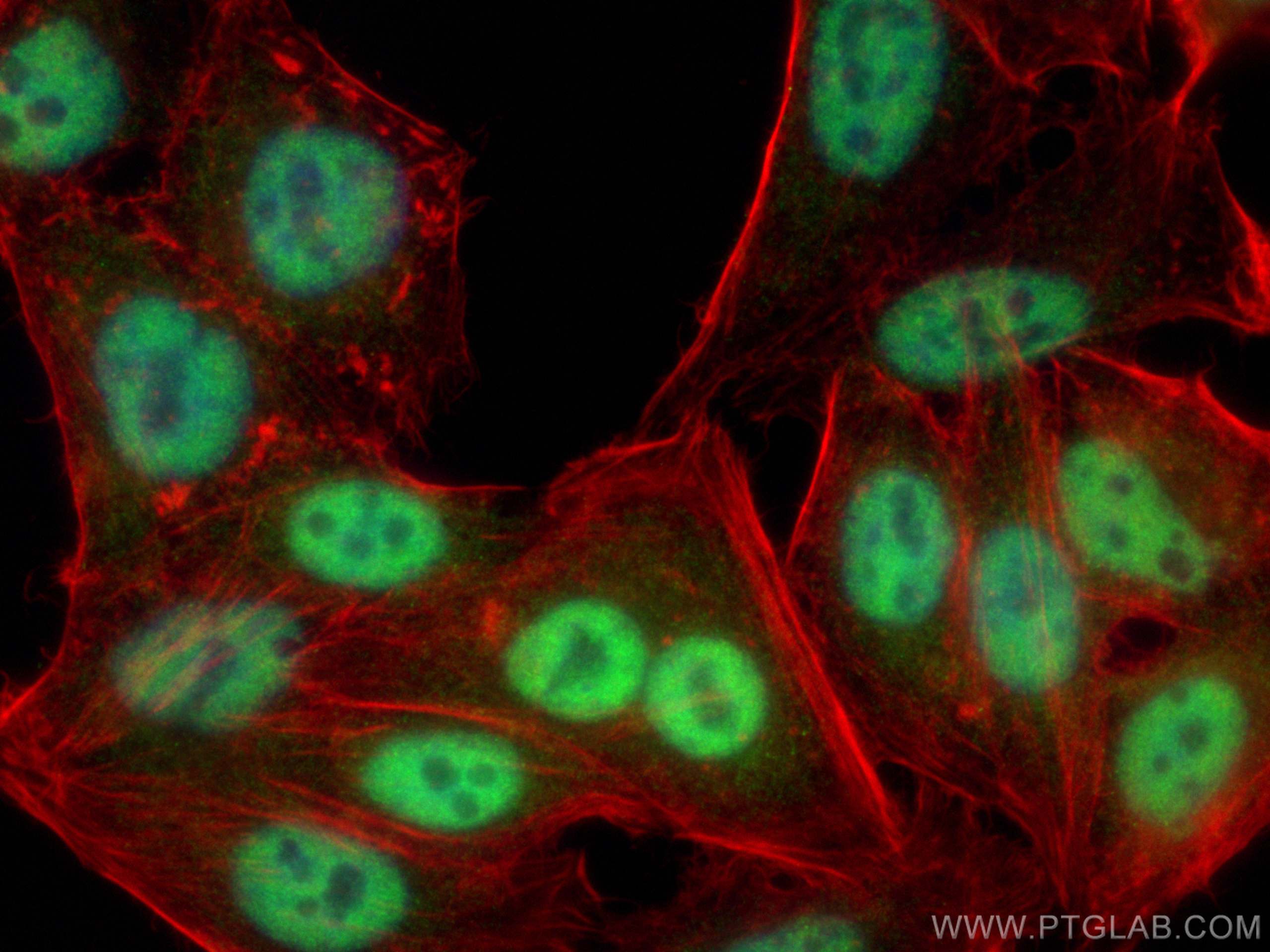
10183-1-PBS targets DIDO1 in WB, IHC, IF/ICC, Indirect ELISA applications and shows reactivity with human, mouse, rat samples.
| Tested Reactivity | human, mouse, rat |
| Host / Isotype | Rabbit / IgG |
| Class | Polyclonal |
| Type | Antibody |
| Immunogen |
CatNo: Ag0237 Product name: Recombinant human DIDO1 protein Source: e coli.-derived, PGEX-4T Tag: GST Domain: 345-544 aa of BC000770 Sequence: ADGTDCTSIGTIEQKSSEDQGIKGRIEKAANPSGKKKLKIFQPVIEAPGASKCIGPGCCHVAQPDSVYCSNDCILKHAAATMKFLSSGKEQKPKPKEKMKMKPEKPSLPKCGAQAGIKISSVHKRPAPEKKETTVKKAVVVPARSEALGKEAACESSTPSWASDHNYNAVKPEKTAAPSPSLLYKCSGKYLYSLHPSLIA 相同性解析による交差性が予測される生物種 |
| Full Name | death inducer-obliterator 1 |
| Calculated molecular weight | 244 kDa |
| Observed molecular weight | 300-350 kDa |
| GenBank accession number | BC000770 |
| Gene Symbol | DIDO1 |
| Gene ID (NCBI) | 11083 |
| RRID | AB_2277375 |
| Conjugate | Unconjugated |
| Form | |
| Form | Liquid |
| Purification Method | Antigen affinity purification |
| UNIPROT ID | Q9BTC0 |
| Storage Buffer | PBS only{{ptg:BufferTemp}}7.3 |
| Storage Conditions | Store at -80°C. |
Background Information
DIDO1, also termed DATF-1, C20orf158, DATF1, KIAA0333 and DIO-1, is a putative transcription factor, weakly pro-apoptotic when overexpressed. It is a tumor suppressor. In mice, DIDO1 is upregulated by apoptotic signals and encodes a cytoplasmic protein that translocates to the nucleus upon apoptotic signal activation. When overexpressed, the mouse protein induced apoptosis in cell lines growing in vitro. The human DIDO1 is similar to the mouse gene and therefore is thought to be involved in apoptosis. DIDO1 has multiple isoforms with molecular weights of 243 kd, 129 kd, 59 kd, and 61 kd. DIDO1 undergoes various modifications, including phosphorylation and ubiquitination, resulting in a mainstream molecular weight of 300 kd.