
Validation Data Gallery
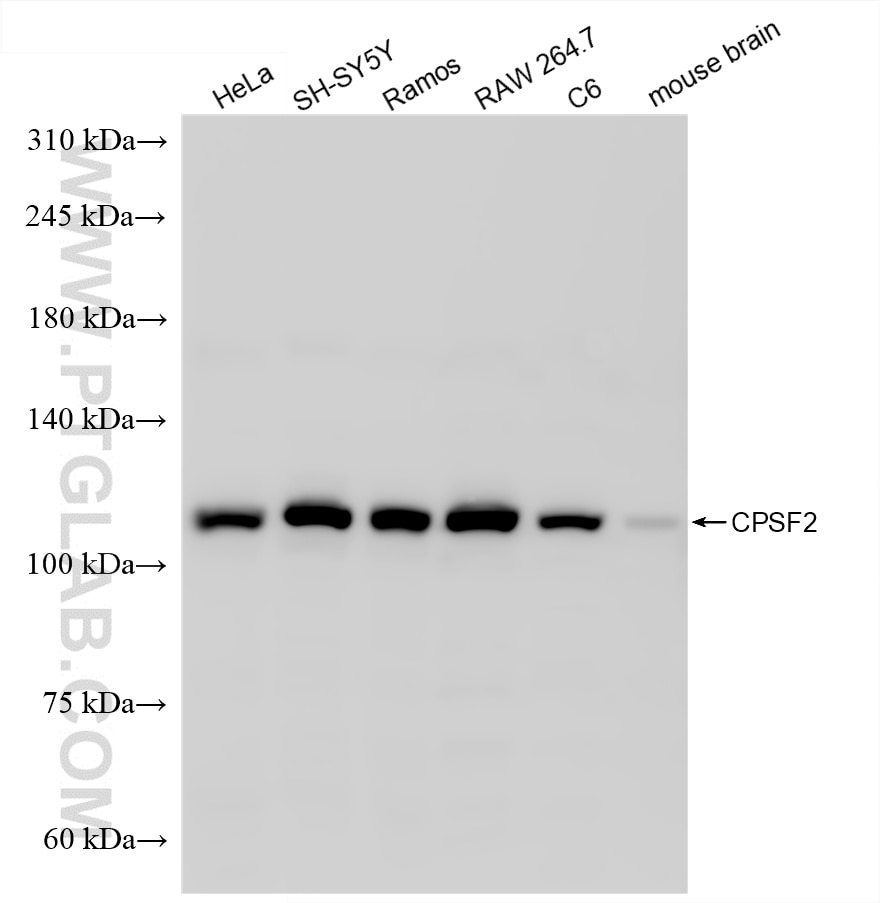
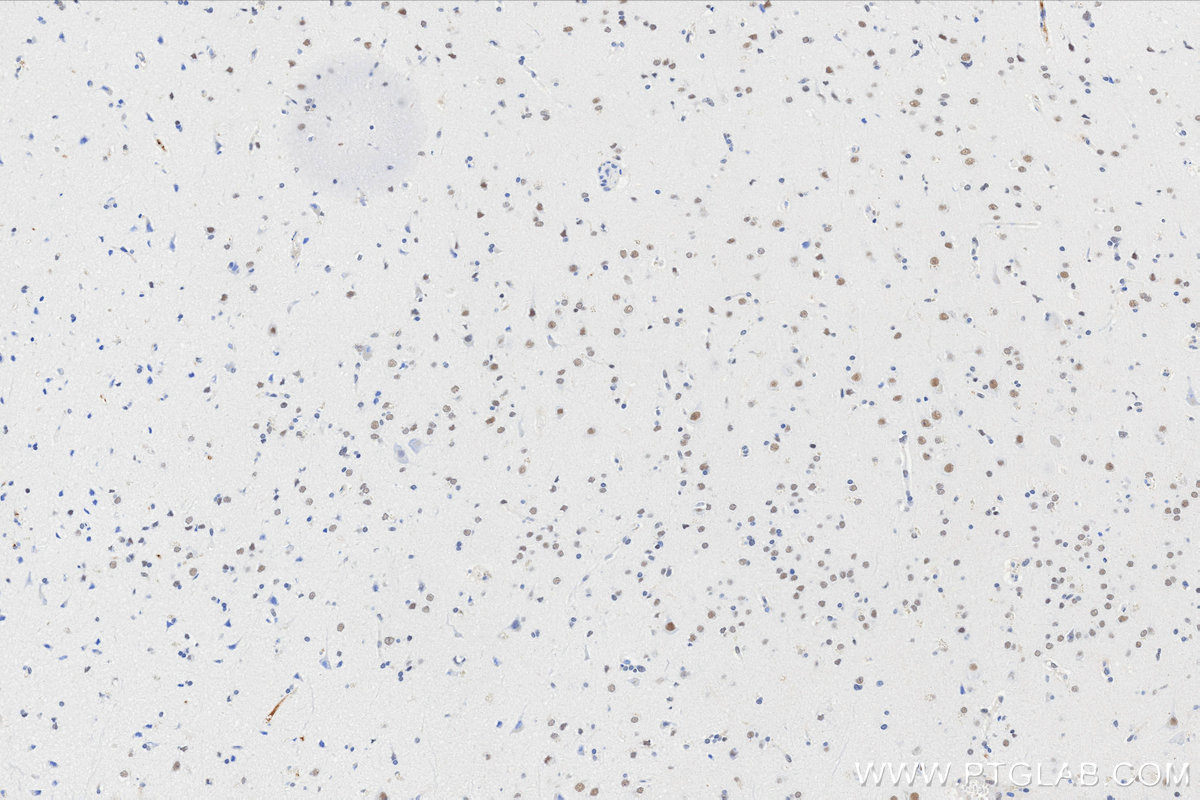
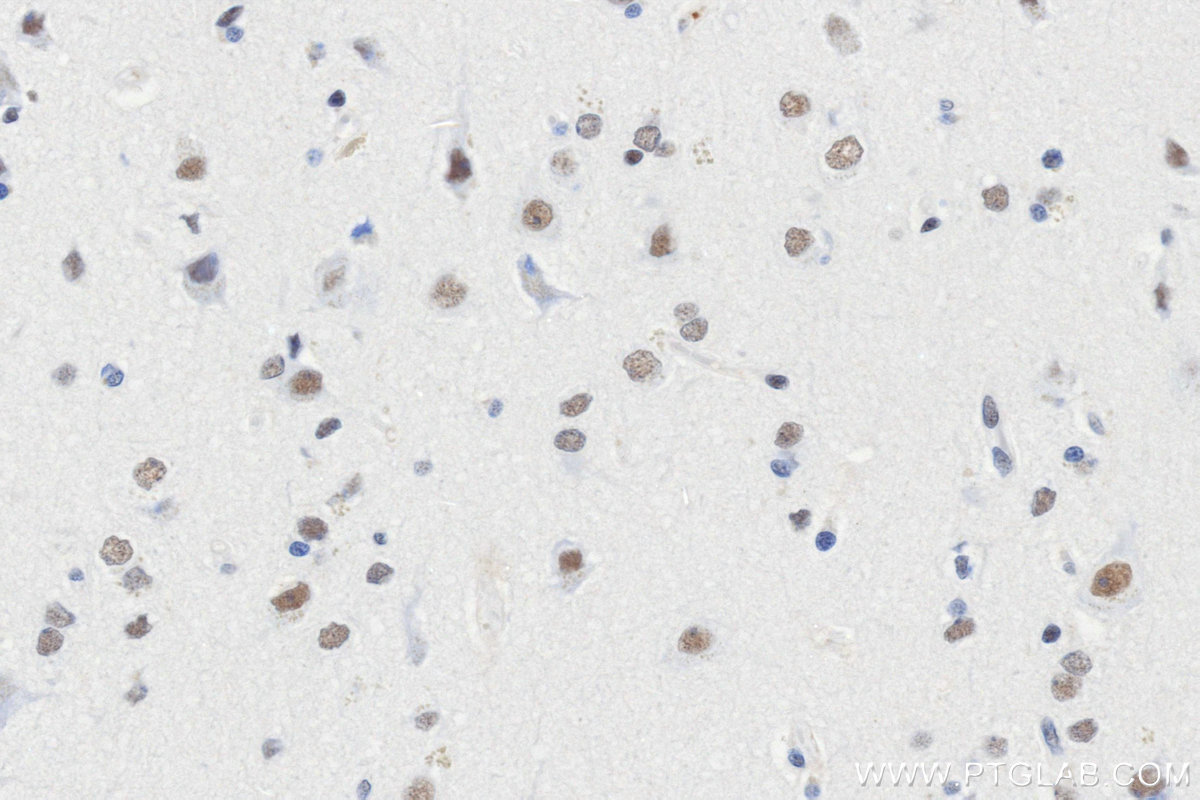
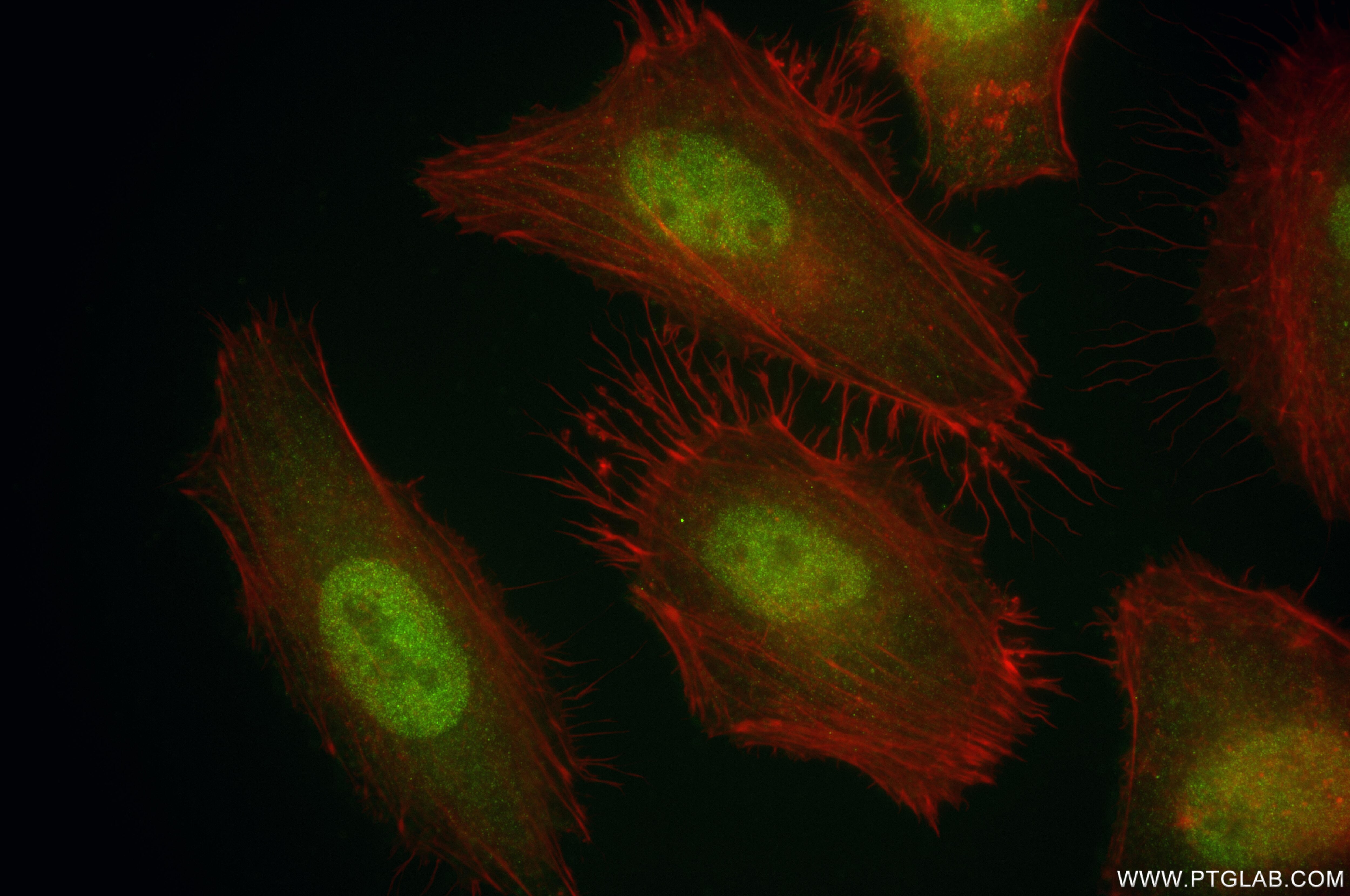
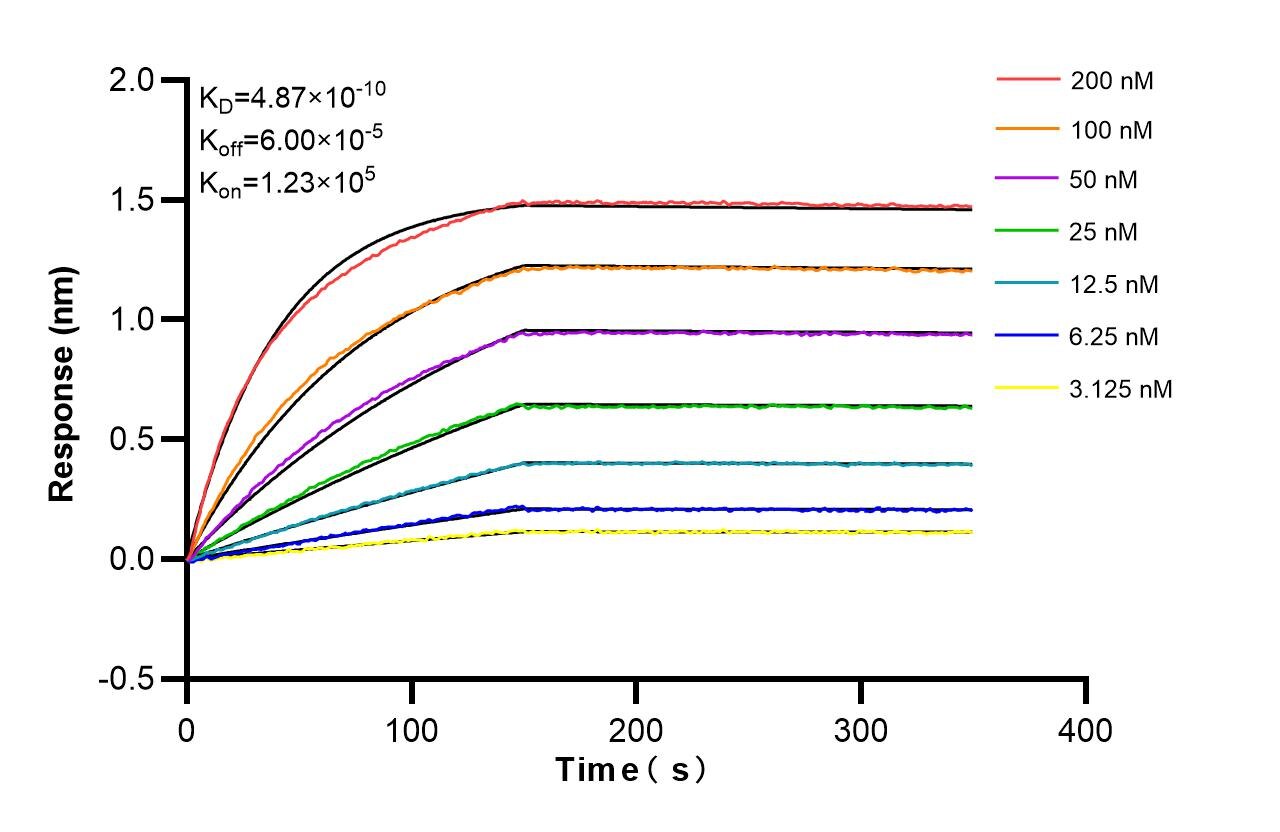
Tested Applications
Recommended dilution
| Application | Dilution |
|---|---|
| It is recommended that this reagent should be titrated in each testing system to obtain optimal results. | |
Product Information
86513-3-PBS targets CPSF2 in WB, IHC, IF/ICC, Indirect ELISA applications and shows reactivity with human, mouse, rat samples.
| Tested Reactivity | human, mouse, rat |
| Host / Isotype | Rabbit / IgG |
| Class | Recombinant |
| Type | Antibody |
| Immunogen |
CatNo: Ag11950 Product name: Recombinant human CPSF2 protein Source: e coli.-derived, PGEX-4T Tag: GST Domain: 433-782 aa of BC070095 Sequence: SAHKTKHDLMMKGEGSRKGSFFKQAKKSYPMFPAPEERIKWDEYGEIIKPEDFLVPELQATEEEKSKLESGLTNGDEPMDQDLSDVPTKCISTTESIEIKARVTYIDYEGRSDGDSIKKIINQMKPRQLIIVHGPPEASQDLAECCRAFGGKDIKVYMPKLHETVDATSETHIYQVRLKDSLVSSLQFCKAKDAELAWIDGVLDMRVSKVDTGVILEEGELRDDGEDSEMQVEAPSDSSVIAQQKAMKSLFGDDEKETGEESEIIPTLEPLPPHEVPGHQSVFMNEPRLSDFKQVLLREGIQAEFVGGVLVCNNQVAVRRTETGRIGLEGCLCQDFYRIRDLLYEQYAIV 相同性解析による交差性が予測される生物種 |
| Full Name | cleavage and polyadenylation specific factor 2, 100kDa |
| Calculated molecular weight | 782 aa, 88 kDa |
| Observed molecular weight | 110 kDa |
| GenBank accession number | BC070095 |
| Gene Symbol | CPSF2 |
| Gene ID (NCBI) | 53981 |
| RRID | AB_3744938 |
| Conjugate | Unconjugated |
| Form | |
| Form | Liquid |
| Purification Method | Protein A purification |
| UNIPROT ID | Q9P2I0 |
| Storage Buffer | PBS only{{ptg:BufferTemp}}7.3 |
| Storage Conditions | Store at -80°C. |
Background Information
Cleavage and Polyadenylation Specificity Factor Subunit 2 (CPSF2) is a critical component of the mRNA 3′ end processing machinery, playing a pivotal role in the cleavage and polyadenylation of pre-mRNA. This process is essential for the stability, nuclear export, and translation efficiency of mRNA, making CPSF2 a key player in gene expression regulation. Recent studies have highlighted the significance of CPSF2 in various diseases, particularly cancer. It's reported that in papillary thyroid carcinoma (PTC), negative expression of CPSF2 has been associated with poorer clinical outcomes, including higher rates of cervical lymph node metastasis, distant metastasis, and reduced recurrence-free survival. (PMID:26148673)