
Validation Data Gallery
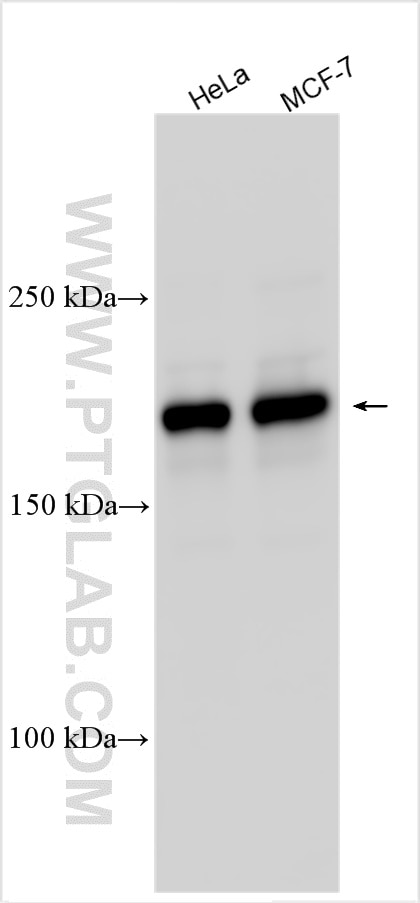
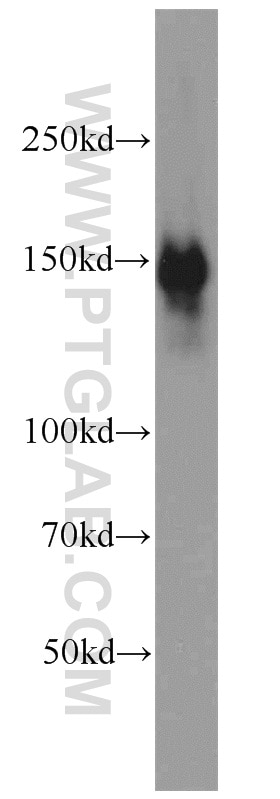
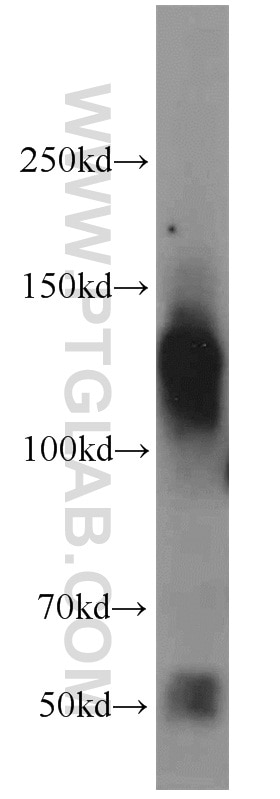
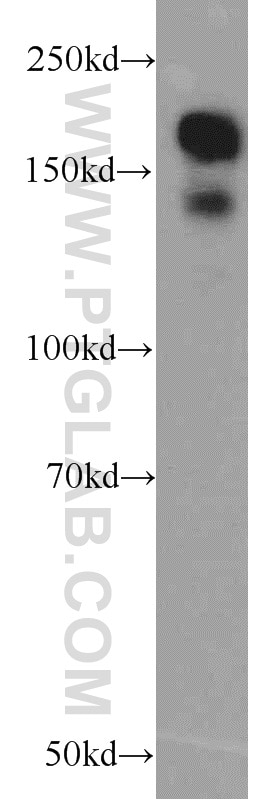
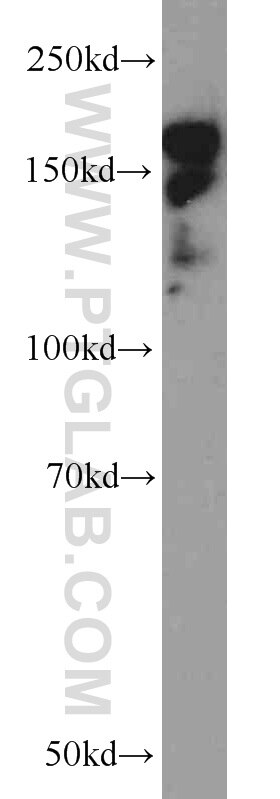
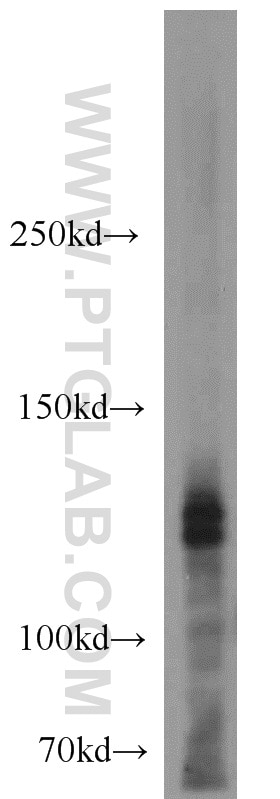
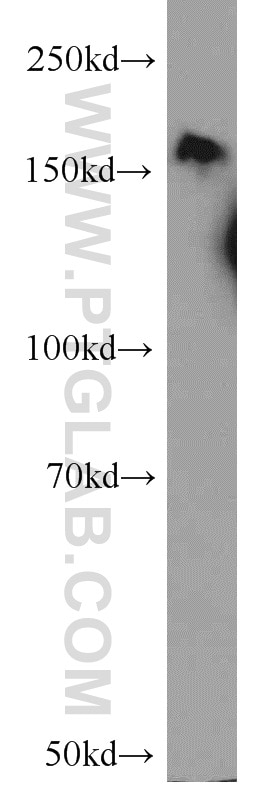
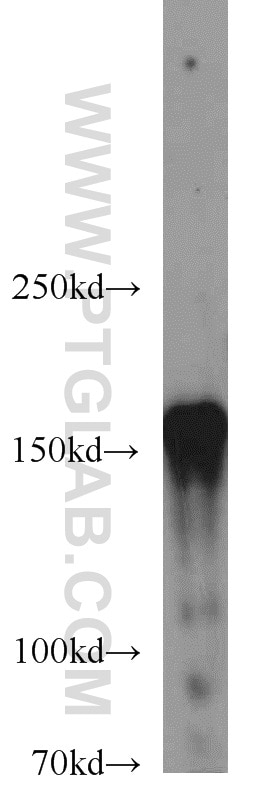
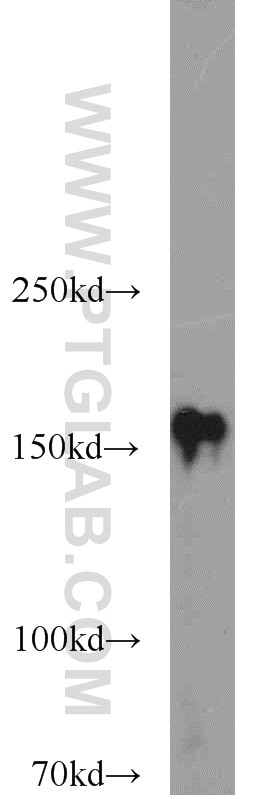
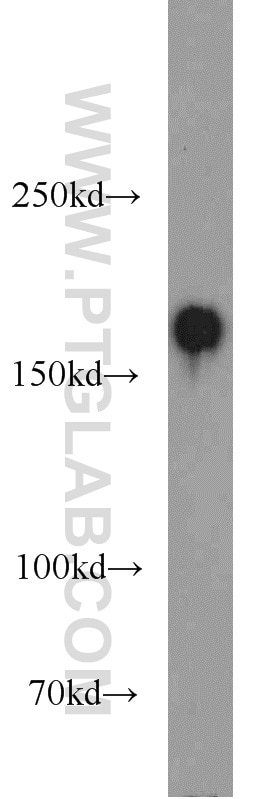
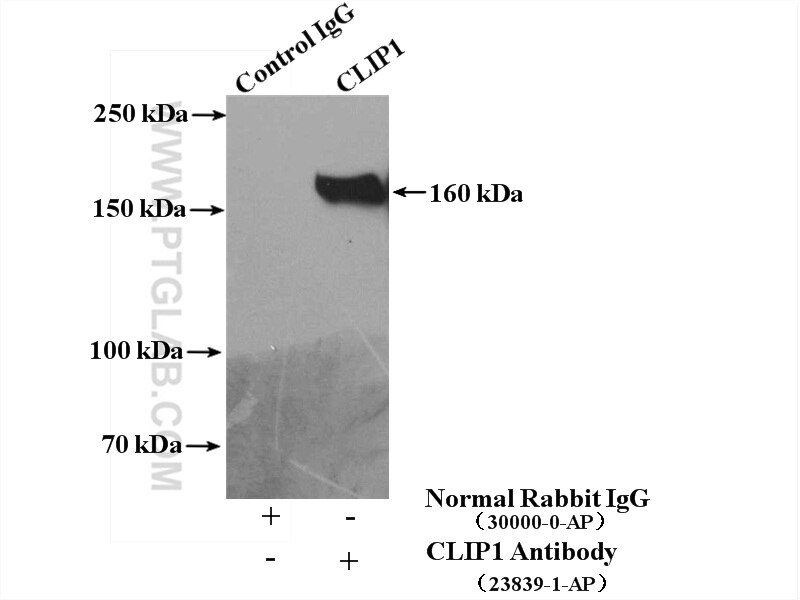
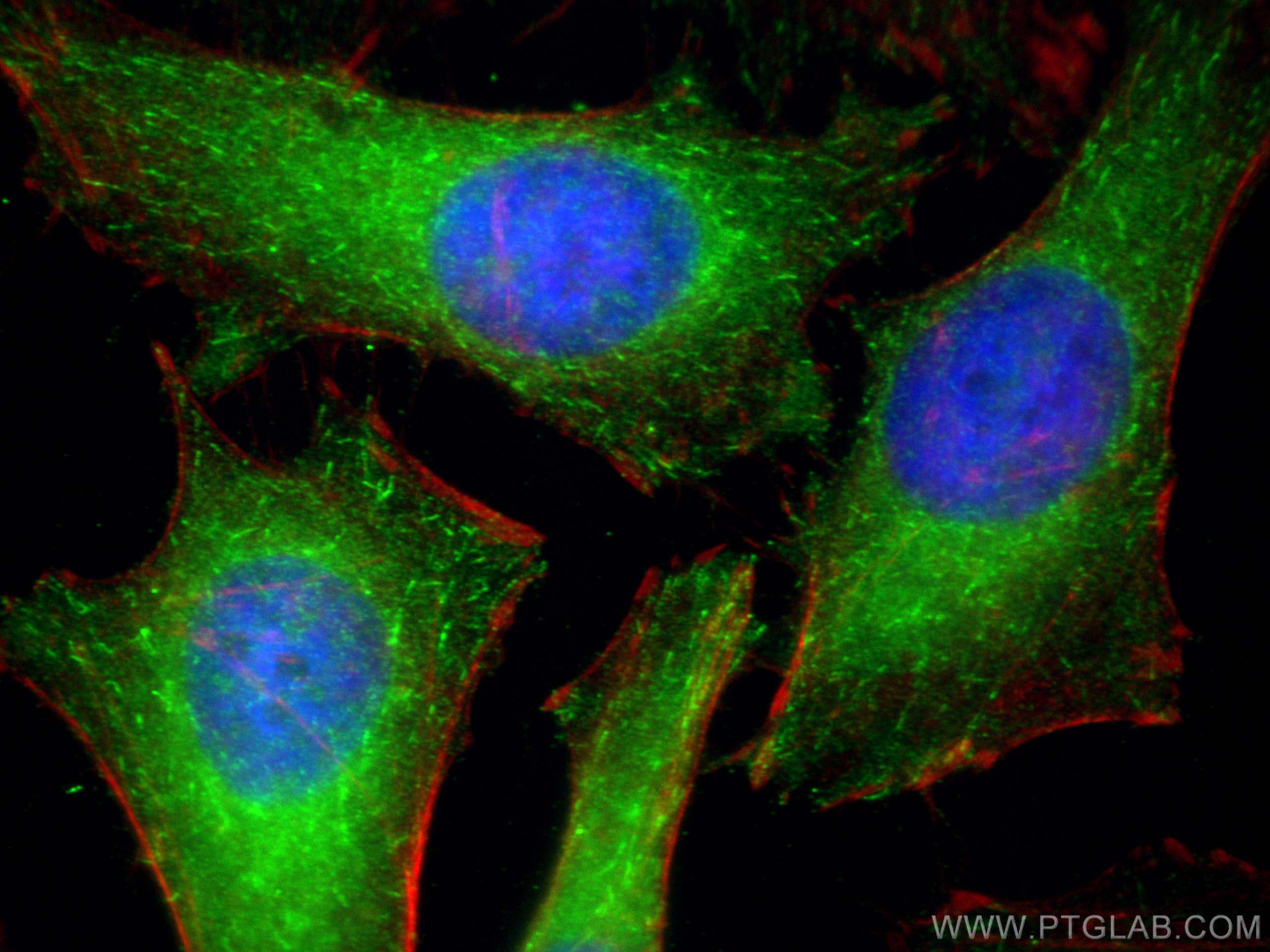
Tested Applications
| Positive WB detected in | HeLa cells, HEK-293 cells, MCF-7 cells, mouse kidney tissue, rat kidney tissue, U-937 cells |
| Positive IP detected in | HeLa cells |
| Positive IF/ICC detected in | HeLa cells |
Recommended dilution
| Application | Dilution |
|---|---|
| Western Blot (WB) | WB : 1:1000-1:6000 |
| Immunoprecipitation (IP) | IP : 0.5-4.0 ug for 1.0-3.0 mg of total protein lysate |
| Immunofluorescence (IF)/ICC | IF/ICC : 1:50-1:500 |
| It is recommended that this reagent should be titrated in each testing system to obtain optimal results. | |
| Sample-dependent, Check data in validation data gallery. | |
Published Applications
| KD/KO | See 1 publications below |
| WB | See 6 publications below |
| IF | See 2 publications below |
| ELISA | See 1 publications below |
| CoIP | See 1 publications below |
Product Information
23839-1-AP targets CLIP1 in WB, IF/ICC, IP, CoIP, ELISA applications and shows reactivity with human, mouse, rat samples.
| Tested Reactivity | human, mouse, rat |
| Cited Reactivity | human, mouse, rat |
| Host / Isotype | Rabbit / IgG |
| Class | Polyclonal |
| Type | Antibody |
| Immunogen |
CatNo: Ag20811 Product name: Recombinant human CLIP1 protein Source: e coli.-derived, PET30a Tag: 6*His Domain: 1090-1438 aa of BC126305 Sequence: DAMQIMEQMTKEKTETLASLEDTKQTNAKLQNELDTLKENNLKNVEELNKSKELLTVENQKMEEFRKEIETLKQAAAQKSQQLSALQEENVKLAEELGRSRDEVTSHQKLEEERSVLNNQLLEMKKRESKFIKDADEEKASLQKSISITSALLTEKDAELEKLRNEVTVLRGENASAKSLHSVVQTLESDKVKLELKVKNLELQLKENKRQLSSSSGNTDTQADEDERAQESQIDFLNSVIVDLQRKNQDLKMKVEMMSEAALNGNGDDLNNYDSDDQEKQSKKKPRLFCDICDCFDLHDTEDCPTQAQMSEDPPHSTHHGSRGEERPYCEICEMFGHWATNCNDDETF 相同性解析による交差性が予測される生物種 |
| Full Name | CAP-GLY domain containing linker protein 1 |
| Calculated molecular weight | 1438 aa, 162 kDa |
| Observed molecular weight | 160-170 kDa, 135 kDa |
| GenBank accession number | BC126305 |
| Gene Symbol | CLIP1 |
| Gene ID (NCBI) | 6249 |
| RRID | AB_2879334 |
| Conjugate | Unconjugated |
| Form | |
| Form | Liquid |
| Purification Method | Antigen Affinity purified |
| UNIPROT ID | P30622 |
| Storage Buffer | PBS with 0.02% sodium azide and 50% glycerol{{ptg:BufferTemp}}7.3 |
| Storage Conditions | Store at -20°C. Stable for one year after shipment. Aliquoting is unnecessary for -20oC storage. |
Background Information
CLIP1, also known as RSN, CYLN1, is a member of the microtubule (MT) plus-end tracking protein family. CLIP1 associates with the ends of growing MTs. These proteins regulate MT dynamic behavior and are important for MT-mediated transport over the length of axons and dendrites. It has an important role in spermatogenesis as well as in neuronal development(PMID: 24569606).
Protocols
| Product Specific Protocols | |
|---|---|
| IF protocol for CLIP1 antibody 23839-1-AP | Download protocol |
| IP protocol for CLIP1 antibody 23839-1-AP | Download protocol |
| WB protocol for CLIP1 antibody 23839-1-AP | Download protocol |
| Standard Protocols | |
|---|---|
| Click here to view our Standard Protocols |
Publications
| Species | Application | Title |
|---|---|---|
Exp Mol Med Hypothermic oxygenated perfusion inhibits CLIP1-mediated TIRAP ubiquitination via TFPI2 to reduce ischemia‒reperfusion injury of the fatty liver | ||
Cell Death Differ USP21-mediated deubiquitylation stimulates NuMA recruitment to the cell cortex to promote mitotic spindle orientation. | ||
Cell Death Dis Tension of plus-end tracking protein Clip170 confers directionality and aggressiveness during breast cancer migration | ||
Ecotoxicol Environ Saf PFOA exposure decreases acrosome reaction and increases DNA oxidative damage by impairing the sperm head shaping in mice. |