
Validation Data Gallery
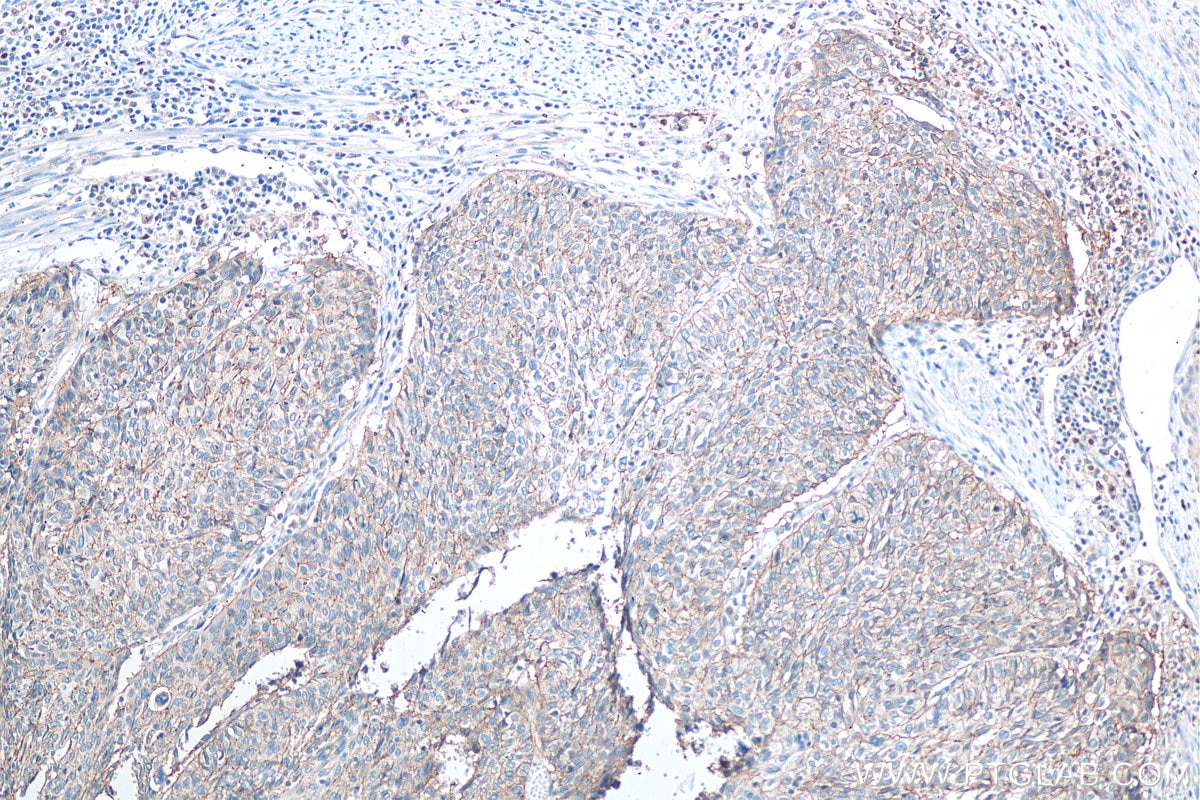
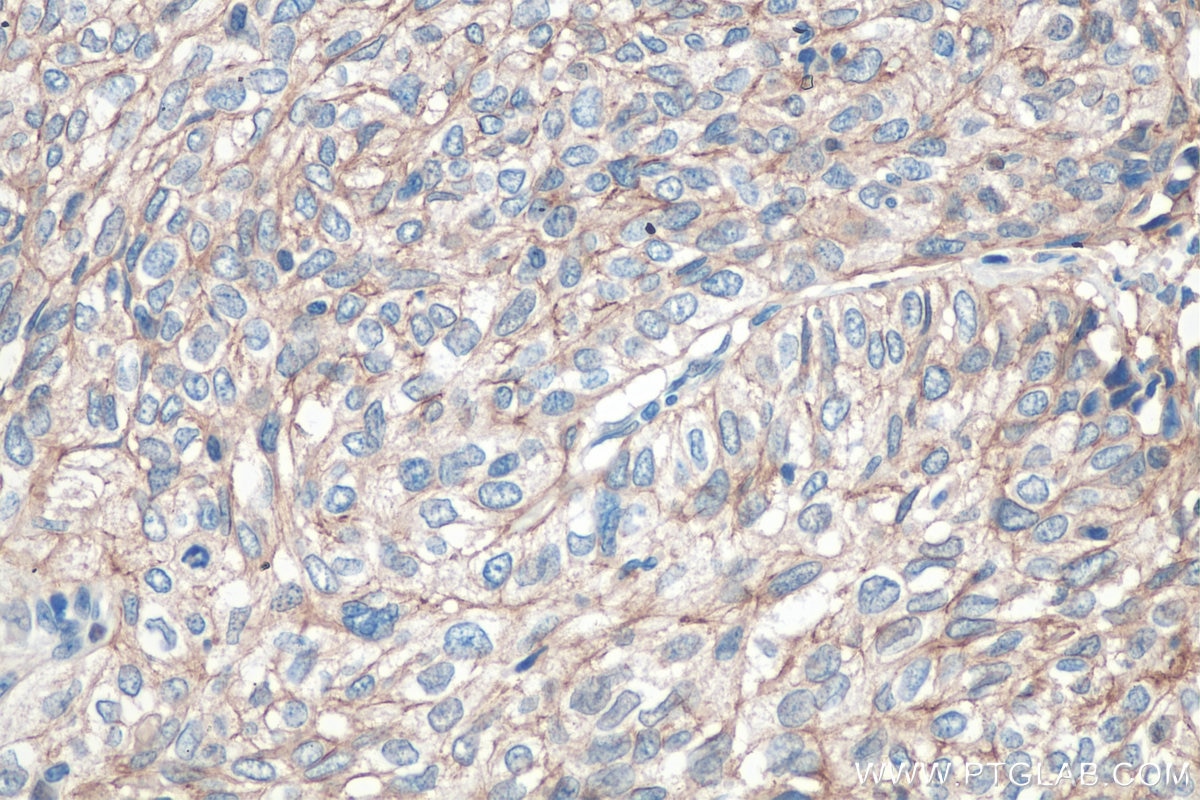
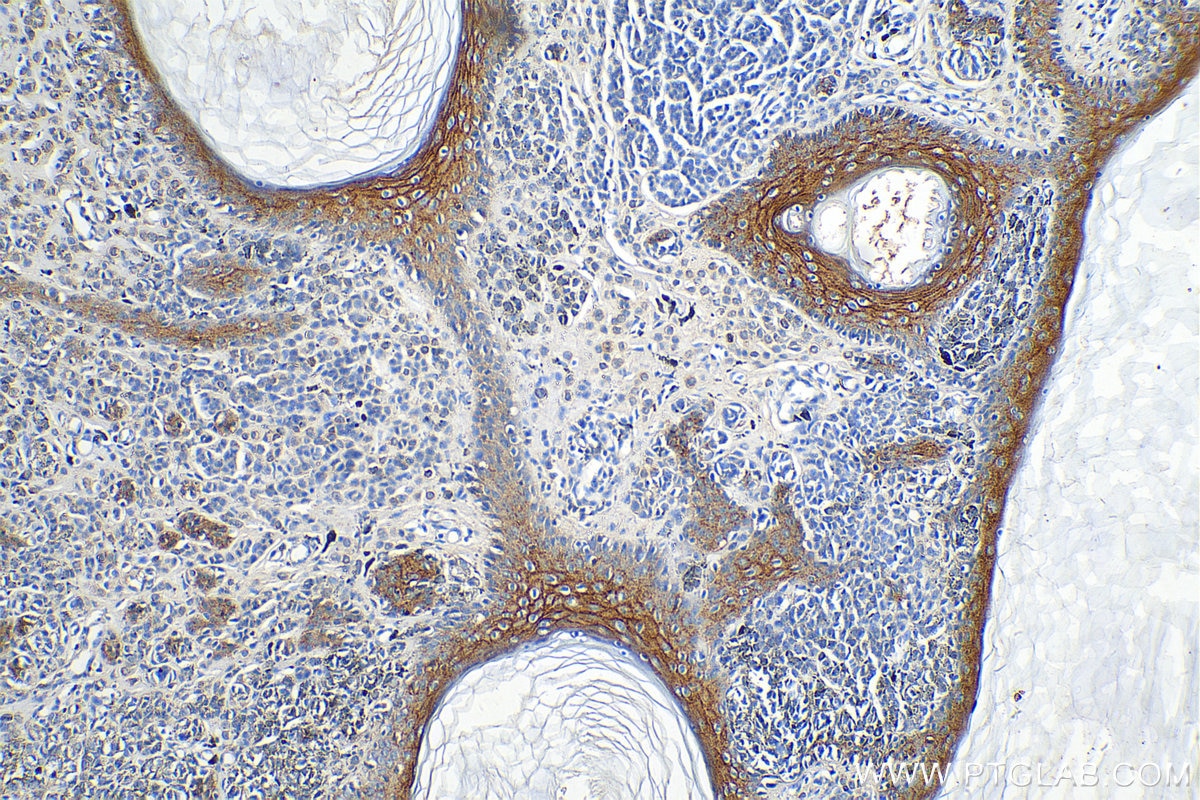
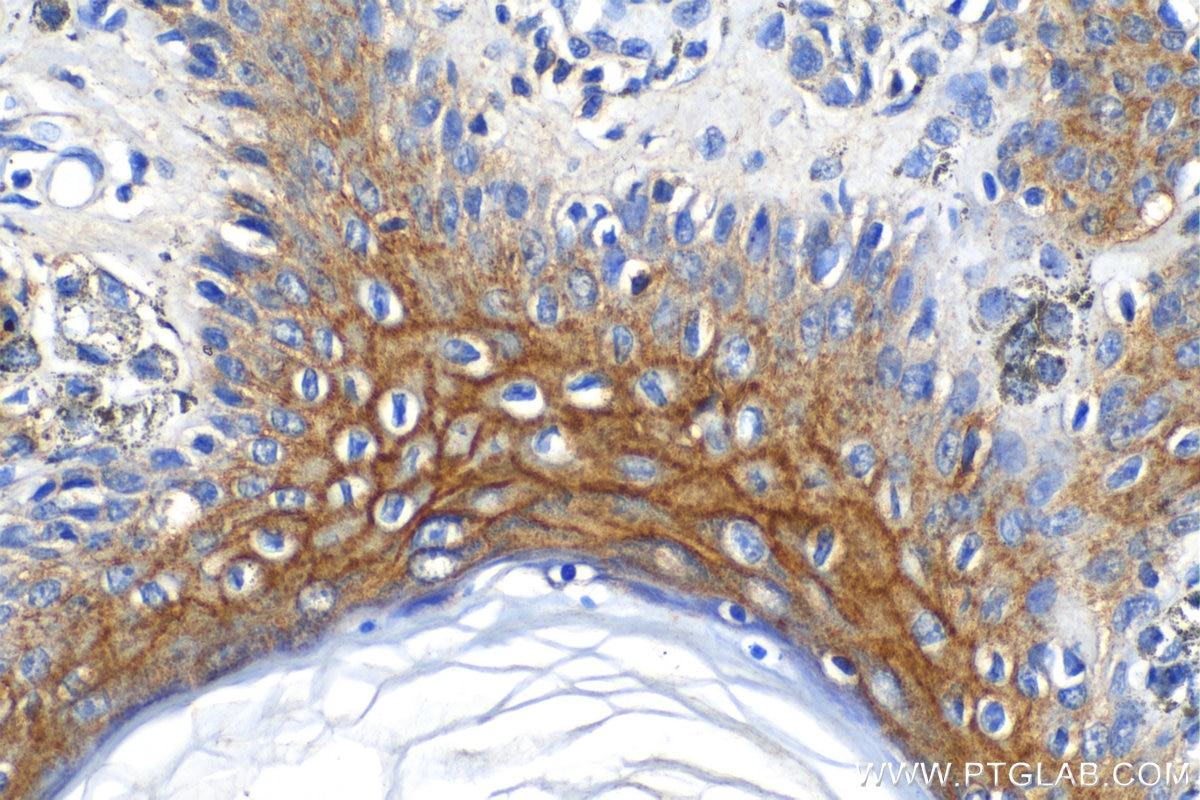
Tested Applications
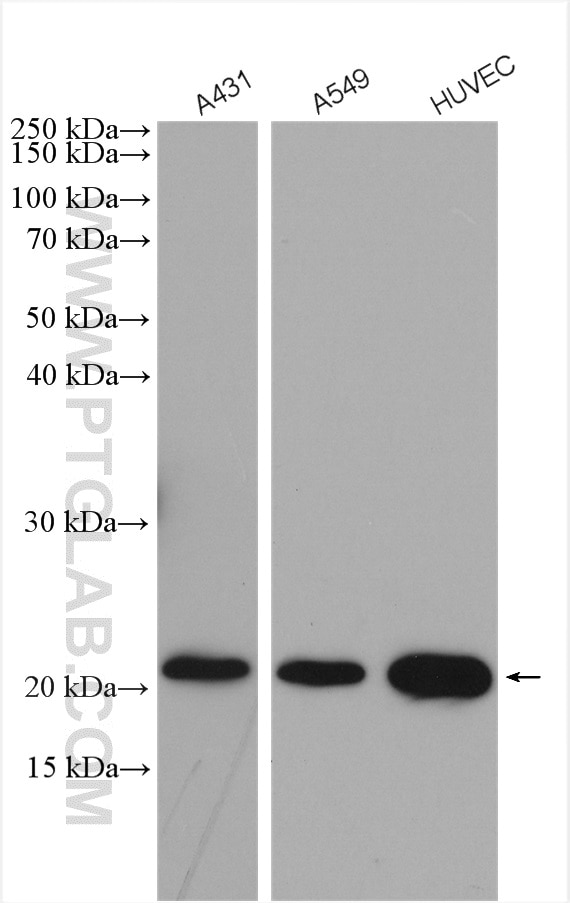
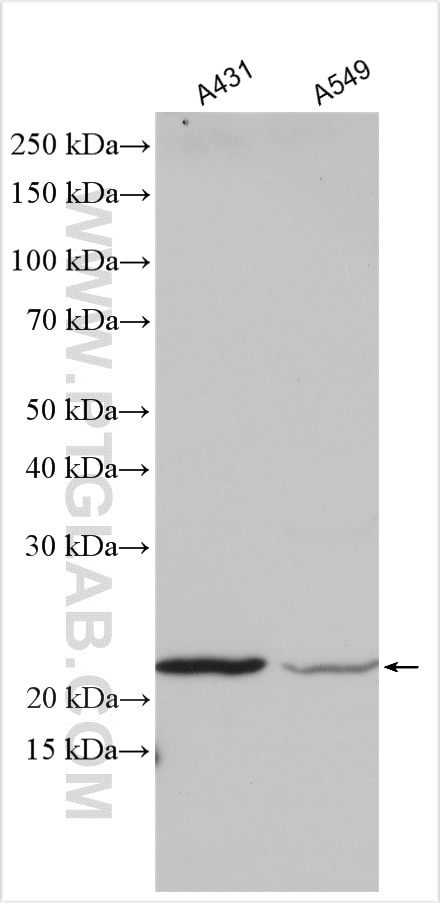
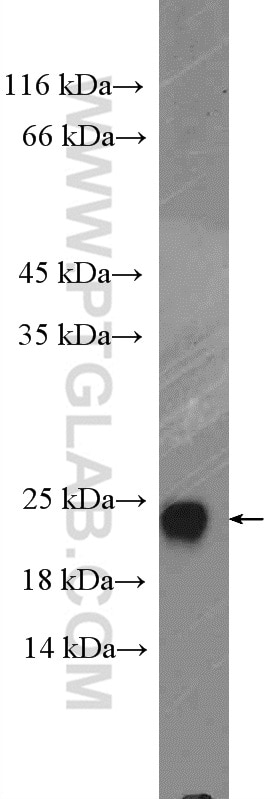
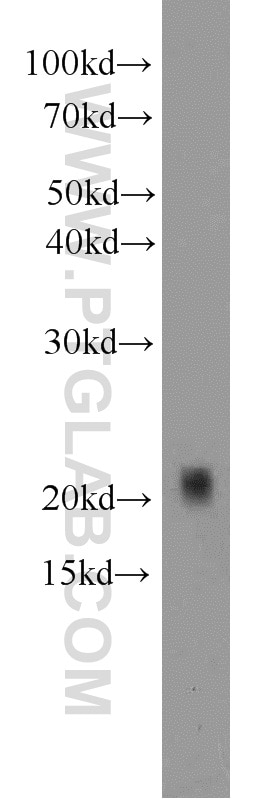
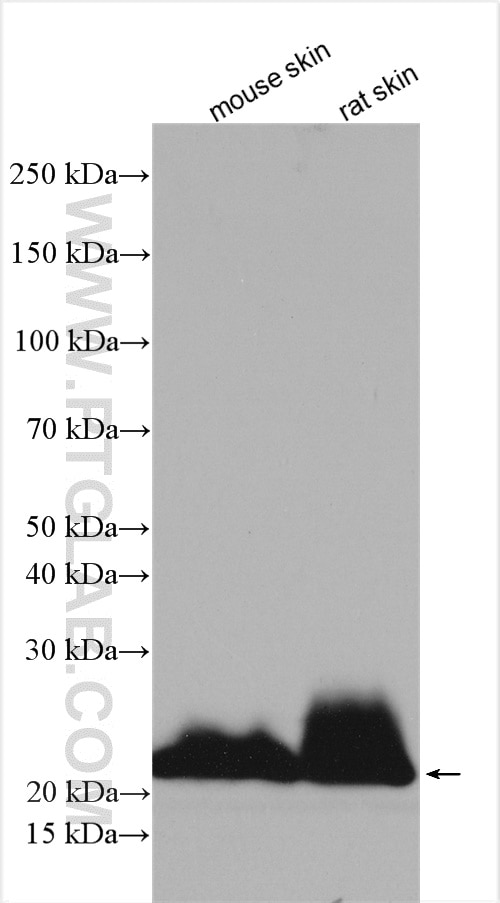
| Positive WB detected in | A431 cells, mouse liver tissue, mouse skin tissue, mouse thymus tissue, A549 cells, HUVEC cells, rat skin tissue |
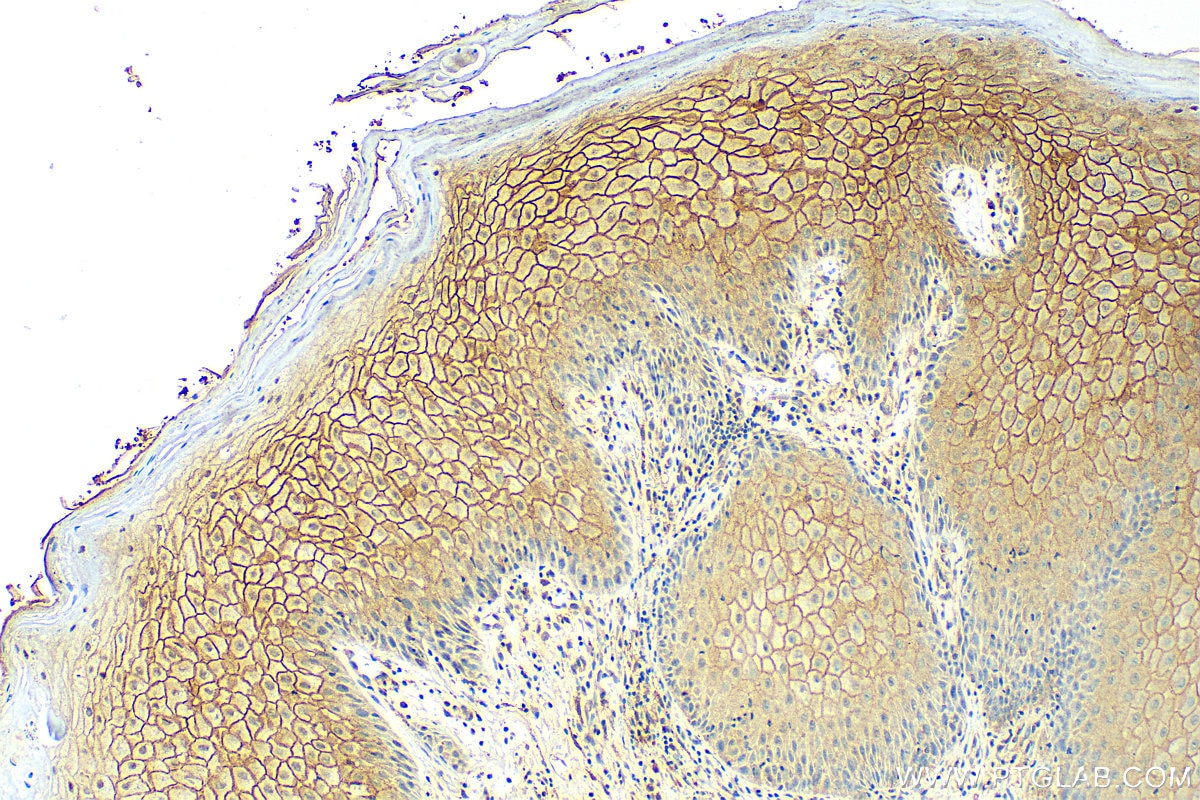
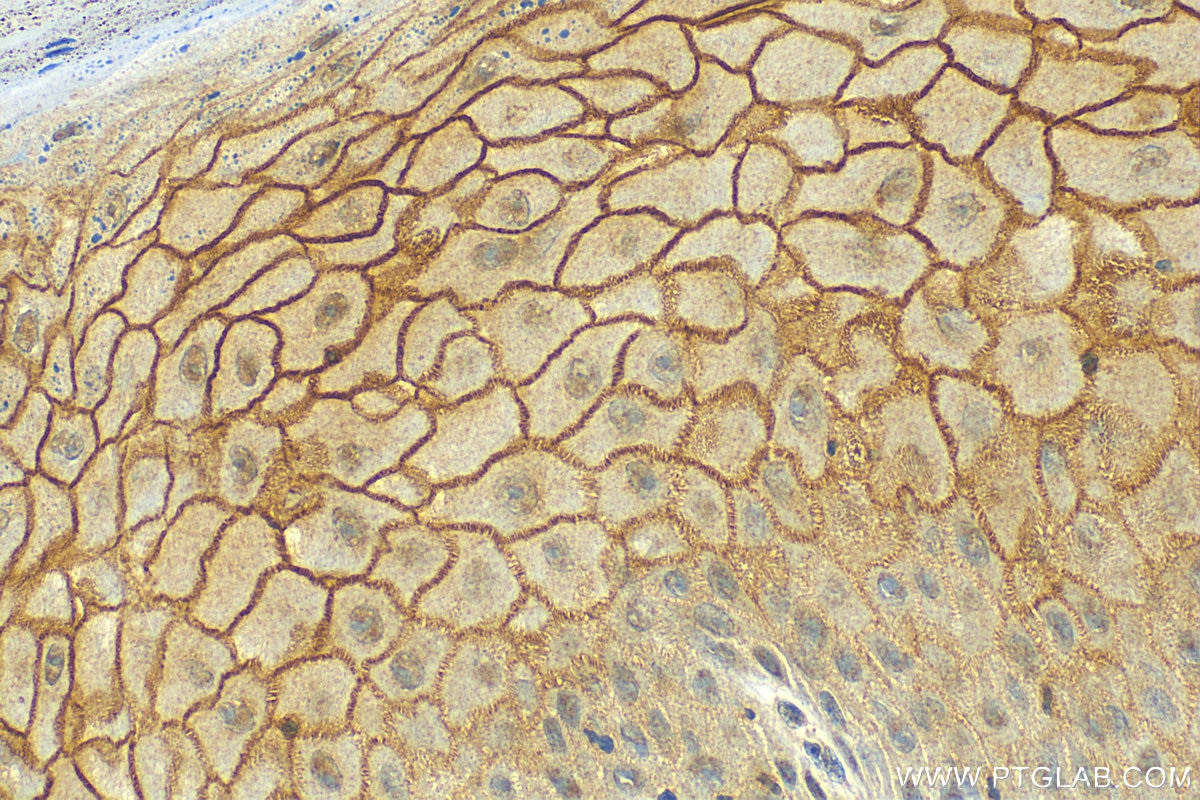
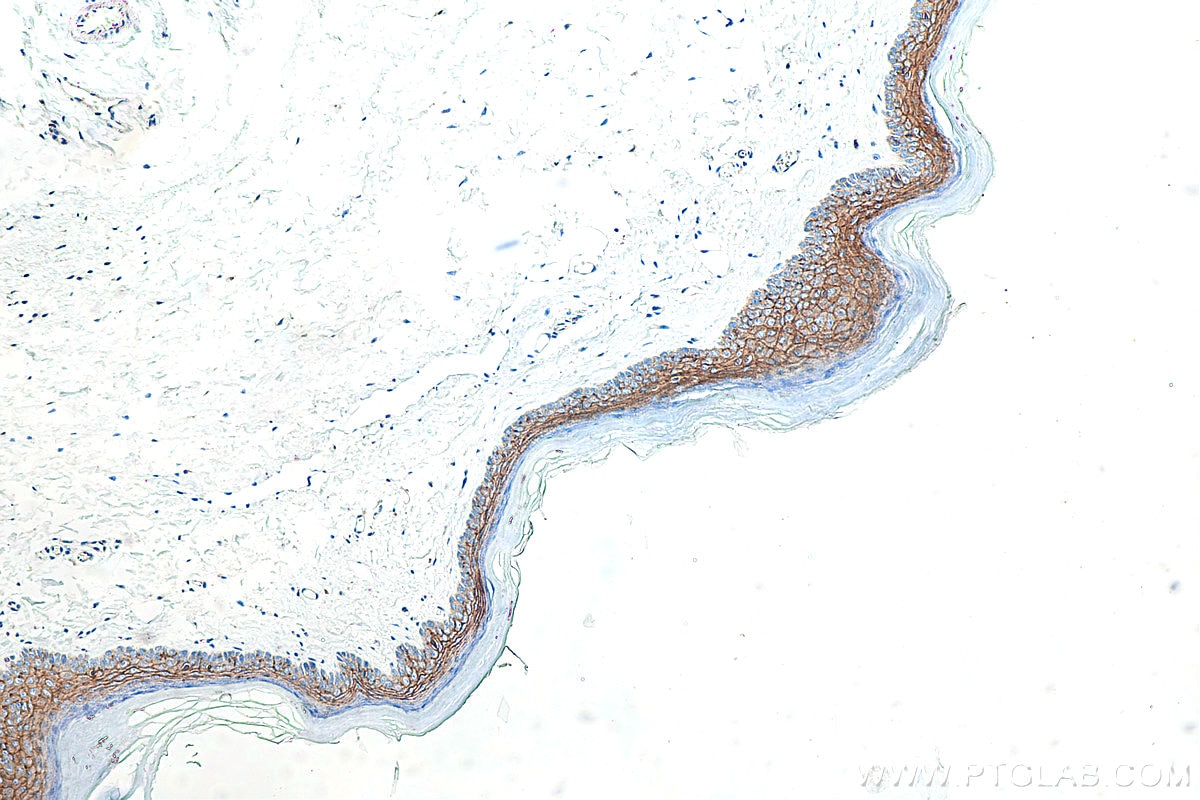
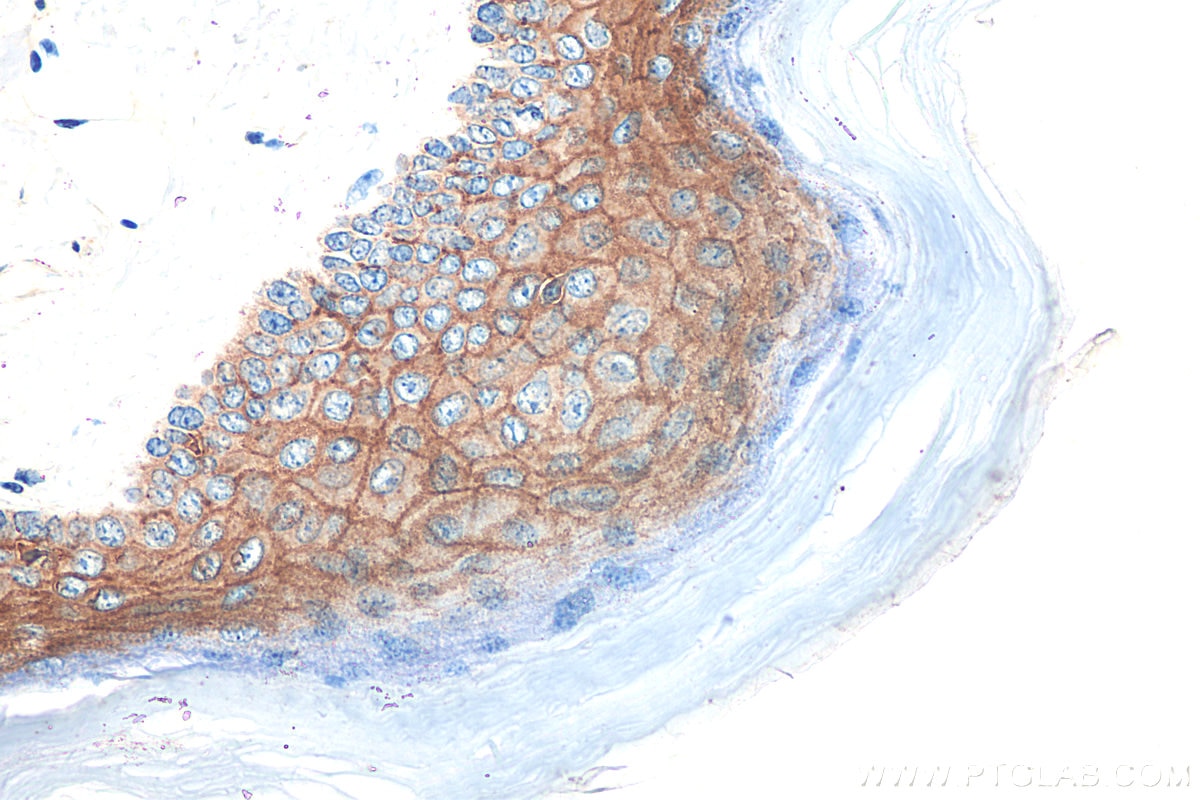
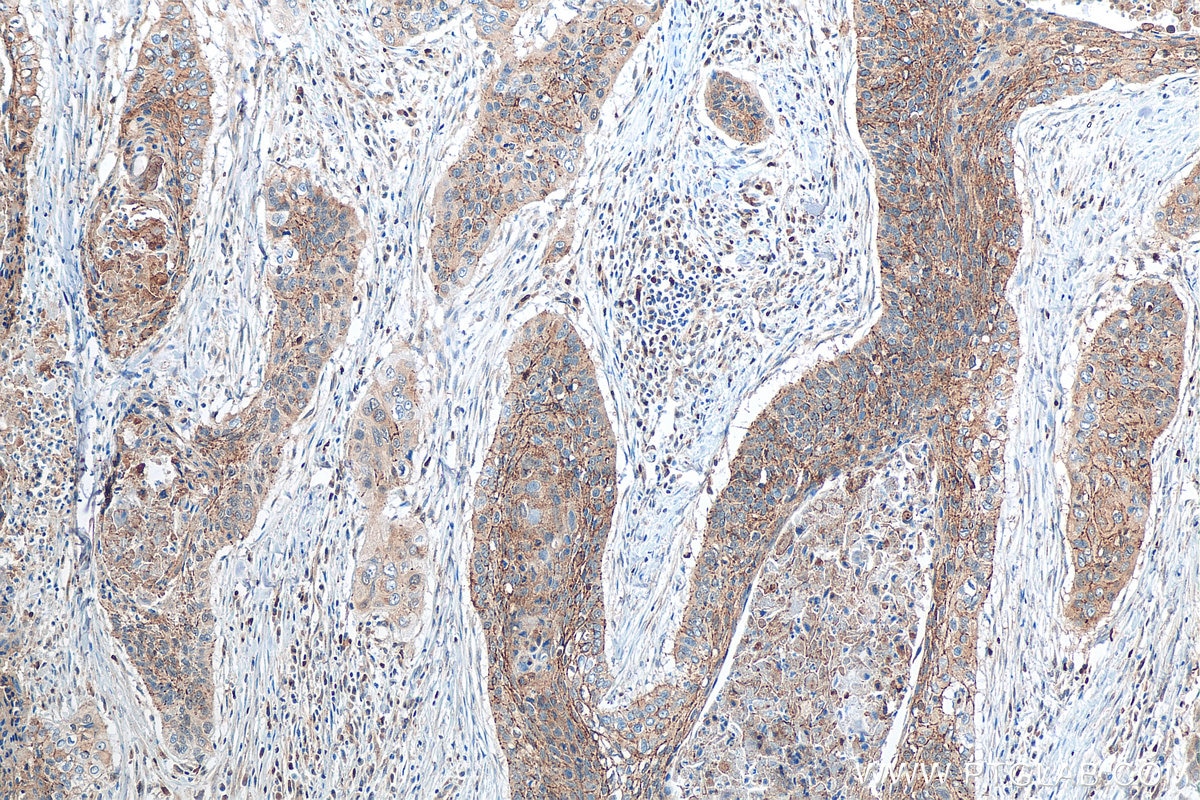
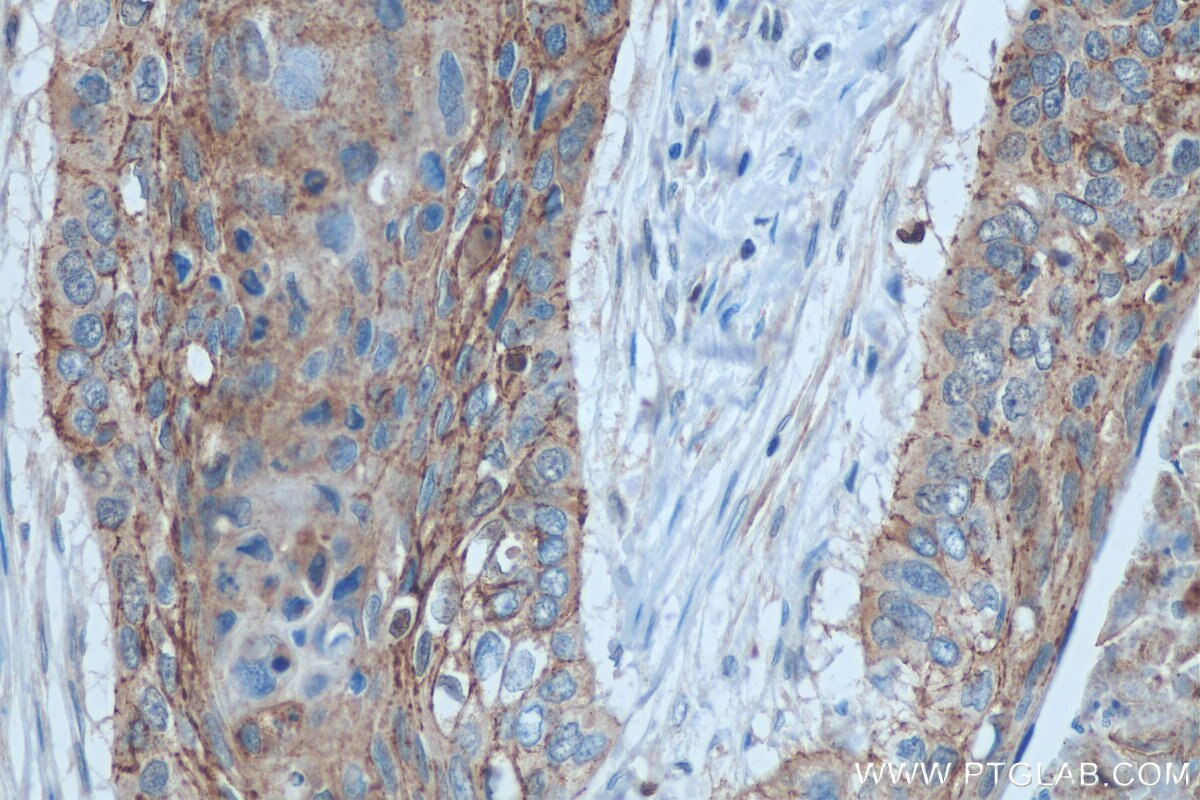
| Positive IHC detected in | human cervical cancer tissue, human skin cancer tissue, mouse skin tissue, human oesophagus cancer tissue, human malignant melanoma tissue Note: suggested antigen retrieval with TE buffer pH 9.0; (*) Alternatively, antigen retrieval may be performed with citrate buffer pH 6.0 |
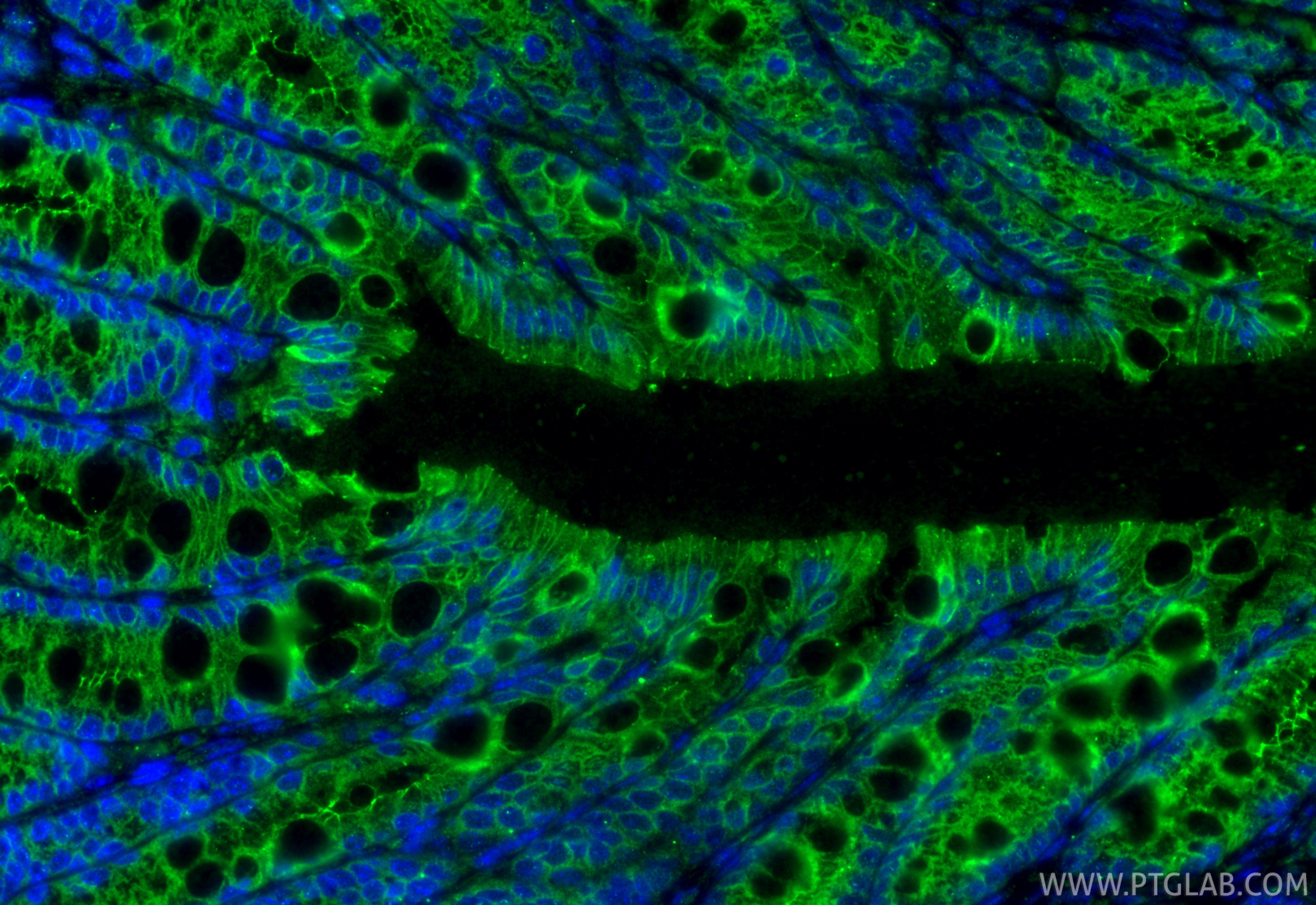
| Positive IF-P detected in | mouse colon tissue |
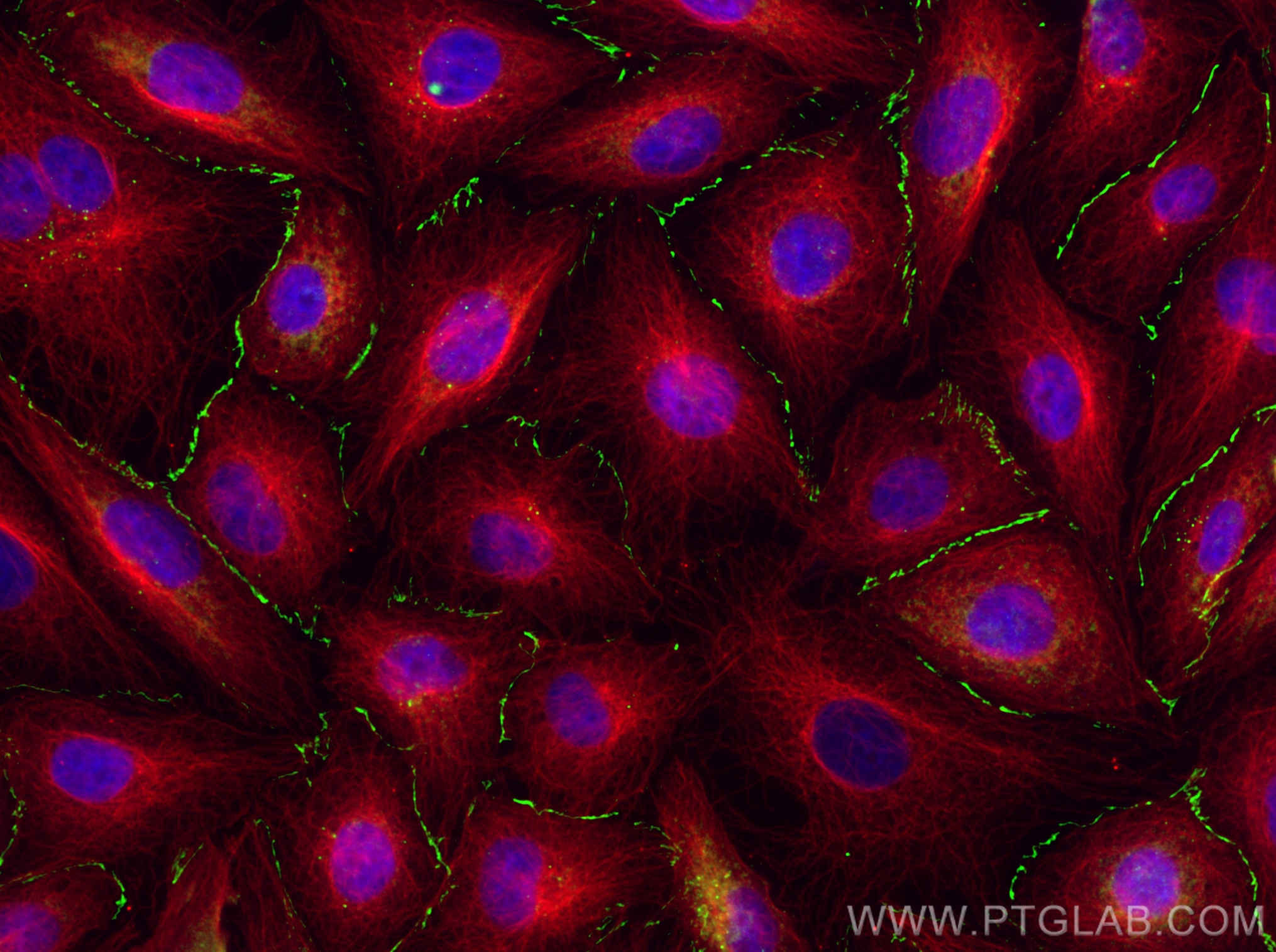
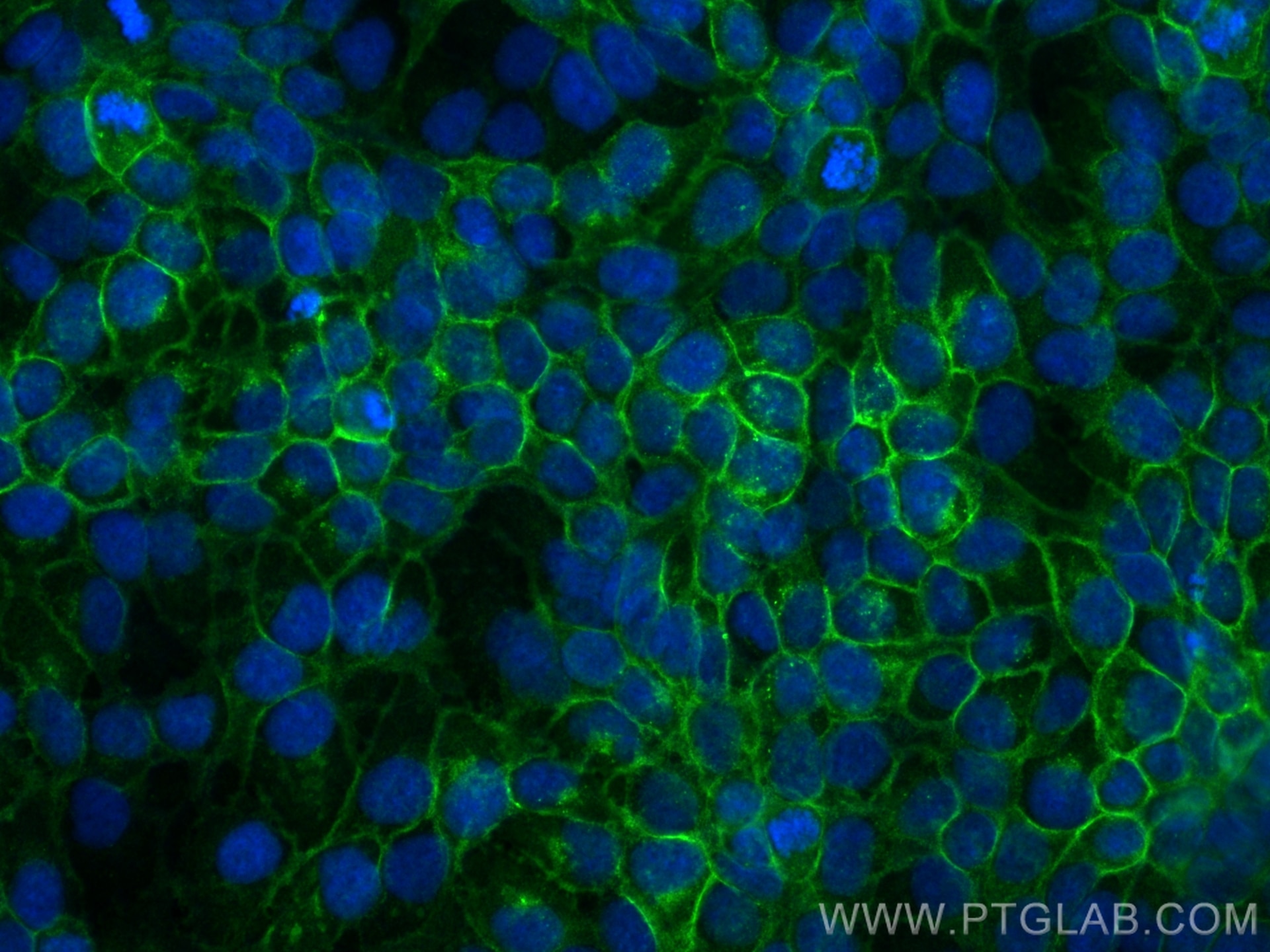
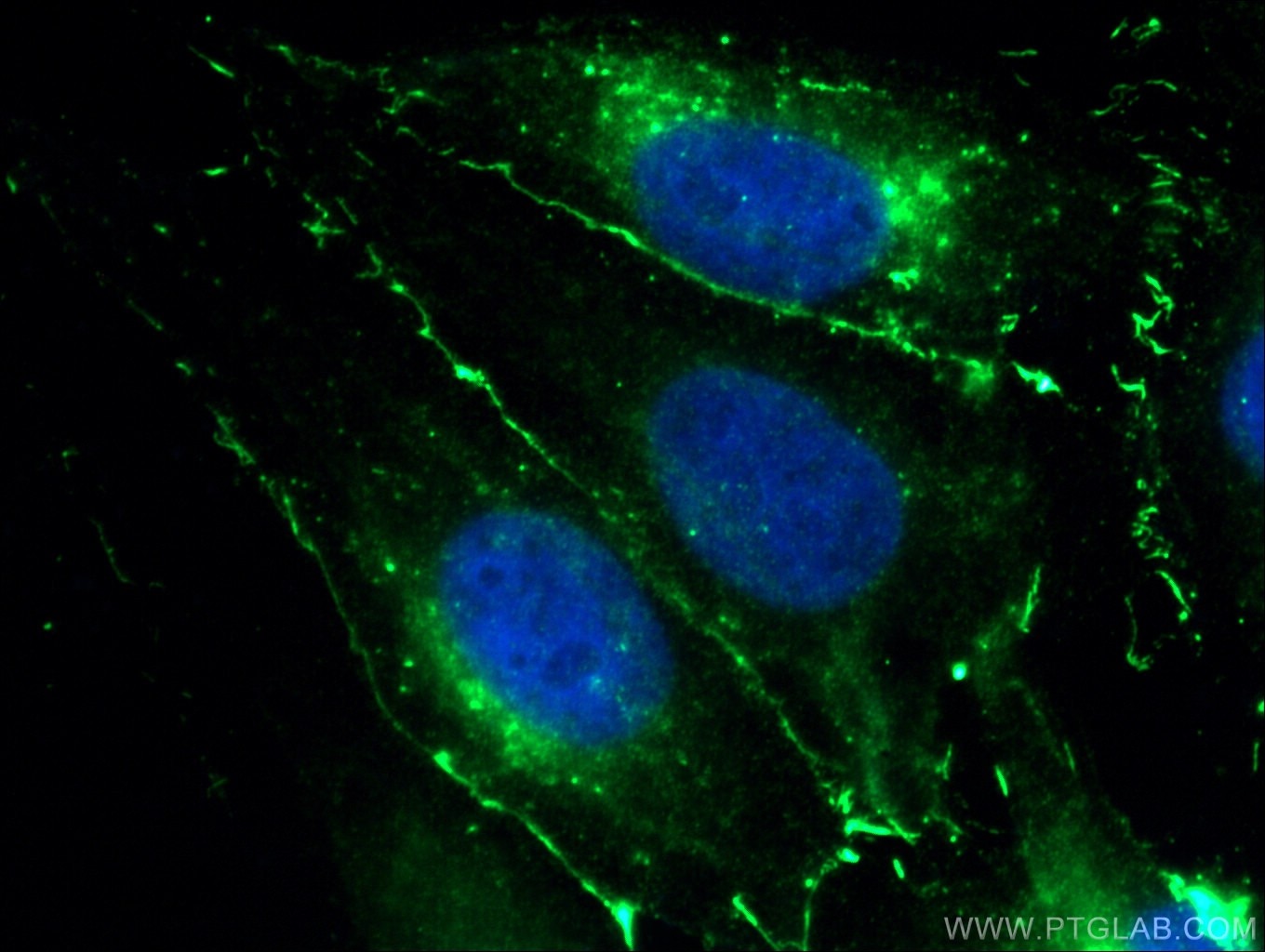
| Positive IF/ICC detected in | HUVEC cells, MDCK cells, HaCaT cells |
Freshly prepared samples are recommended.
Recommended dilution
| Application | Dilution |
|---|---|
| Western Blot (WB) | WB : 1:1000-1:8000 |
| Immunohistochemistry (IHC) | IHC : 1:50-1:500 |
| Immunofluorescence (IF)-P | IF-P : 1:200-1:800 |
| Immunofluorescence (IF)/ICC | IF/ICC : 1:1000-1:4000 |
| It is recommended that this reagent should be titrated in each testing system to obtain optimal results. | |
| Sample-dependent, Check data in validation data gallery. | |
Published Applications
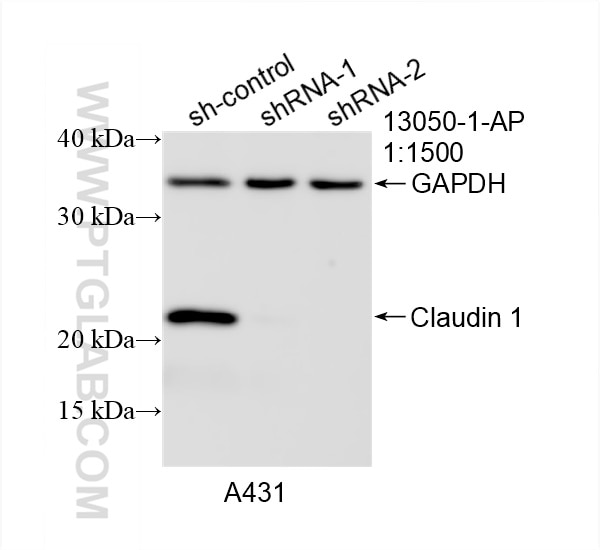
| KD/KO | See 3 publications below |
| WB | See 329 publications below |
| IHC | See 78 publications below |
| IF | See 120 publications below |
Product Information
13050-1-AP targets Claudin 1 in WB, IHC, IF/ICC, IF-P, ELISA applications and shows reactivity with human, mouse, rat, canine samples.
| Tested Reactivity | human, mouse, rat, canine |
| Cited Reactivity | human, mouse, rat, pig, canine, chicken, bovine, sheep, goat |
| Host / Isotype | Rabbit / IgG |
| Class | Polyclonal |
| Type | Antibody |
| Immunogen |
CatNo: Ag3713 Product name: Recombinant human Claudin 1 protein Source: e coli.-derived, PGEX-4T Tag: GST Domain: 1-211 aa of BC012471 Sequence: MANAGLQLLGFILAFLGWIGAIVSTALPQWRIYSYAGDNIVTAQAMYEGLWMSCVSQSTGQIQCKVFDSLLNLSSTLQATRALMVVGILLGVIAIFVATVGMKCMKCLEDDEVQKMRMAVIGGAIFLLAGLAILVATAWYGNRIVQEFYDPMTPVNARYEFGQALFTGWAAASLCLLGGALLCCSCPRKTTSYPTPRPYPKPAPSSGKDYV 相同性解析による交差性が予測される生物種 |
| Full Name | claudin 1 |
| Calculated molecular weight | 211 aa, 23 kDa |
| Observed molecular weight | 20-23 kDa |
| GenBank accession number | BC012471 |
| Gene Symbol | Claudin 1 |
| Gene ID (NCBI) | 9076 |
| RRID | AB_2079881 |
| Conjugate | Unconjugated |
| Form | |
| Form | Liquid |
| Purification Method | Antigen affinity purification |
| UNIPROT ID | O95832 |
| Storage Buffer | PBS with 0.02% sodium azide and 50% glycerol{{ptg:BufferTemp}}7.3 |
| Storage Conditions | Store at -20°C. Stable for one year after shipment. Aliquoting is unnecessary for -20oC storage. |
Background Information
Claudins are a family of proteins that are the most important components of the tight junctions, where they establish the paracellular barrier that controls the flow of molecules in the intercellular space between the cells of an epithelium. 23 claudins have been identified. They are small (20-27 kilodalton (kDa)) proteins with similar structures. They have four transmembrane domains, with the N-terminus and the C-terminus in the cytoplasm. Claudin-1 is an integral membrane protein expressed primarily in keratinocytes and normal mammary epithelial cells. Claudin 1 forms tight junctions with other claudin proteins and plays an important role in the intestinal epithelial barrier.
Protocols
| Product Specific Protocols | |
|---|---|
| IF protocol for Claudin 1 antibody 13050-1-AP | Download protocol |
| IHC protocol for Claudin 1 antibody 13050-1-AP | Download protocol |
| WB protocol for Claudin 1 antibody 13050-1-AP | Download protocol |
| Standard Protocols | |
|---|---|
| Click here to view our Standard Protocols |
Publications
| Species | Application | Title |
|---|---|---|
Cell Host Microbe Gut microbiome dysbiosis contributes to abdominal aortic aneurysm by promoting neutrophil extracellular trap formation | ||
Nat Commun Bioactive nanomotor enabling efficient intestinal barrier penetration for colorectal cancer therapy | ||
J Adv Res Prebiotic augmented nanozyme-armored probiotics reprogramme the gut microenvironment for synchronous treatment of colitis and sepsis via antioxidant defense. | ||
Neuron Macrophage-derived CTSS drives the age-dependent disruption of the blood-CSF barrier | ||
Gut Microbes Infant feces-derived Lactobacillus gasseri FWJL-4 mitigates experimental necrotizing enterocolitis via acetate production | ||
Gut Microbes Host Gasdermin D restrains systemic endotoxemia by capturing Proteobacteria in the colon of high-fat diet-feeding mice. |