
Validation Data Gallery
Tested Applications
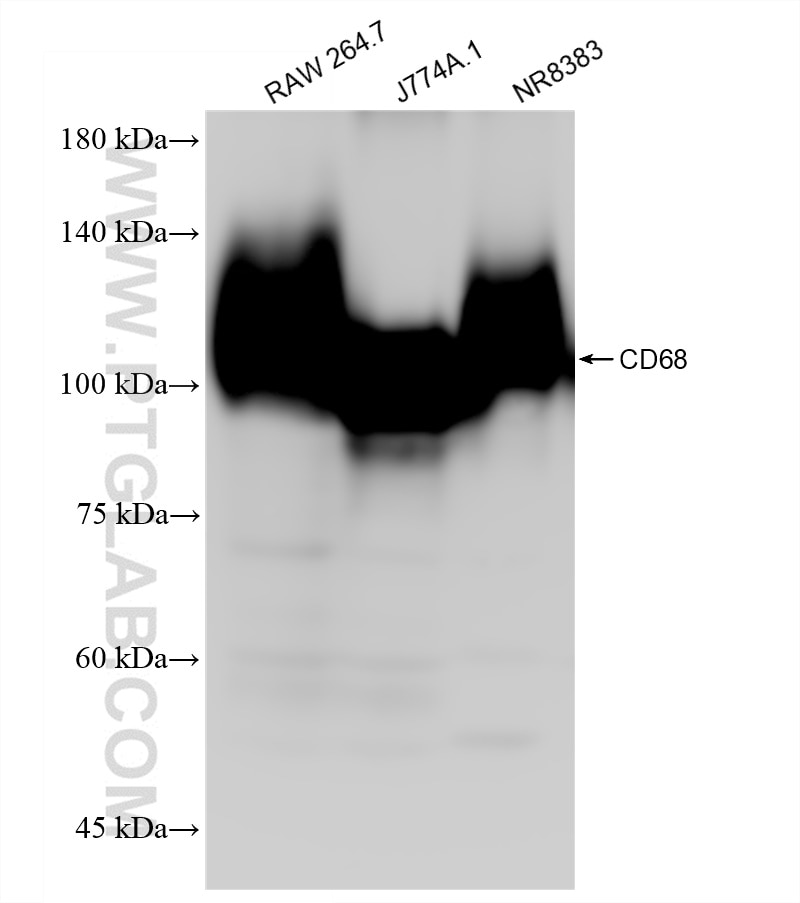
| Positive WB detected in | RAW 264.7 cells, J774A.1 cells, NR8383 cells |
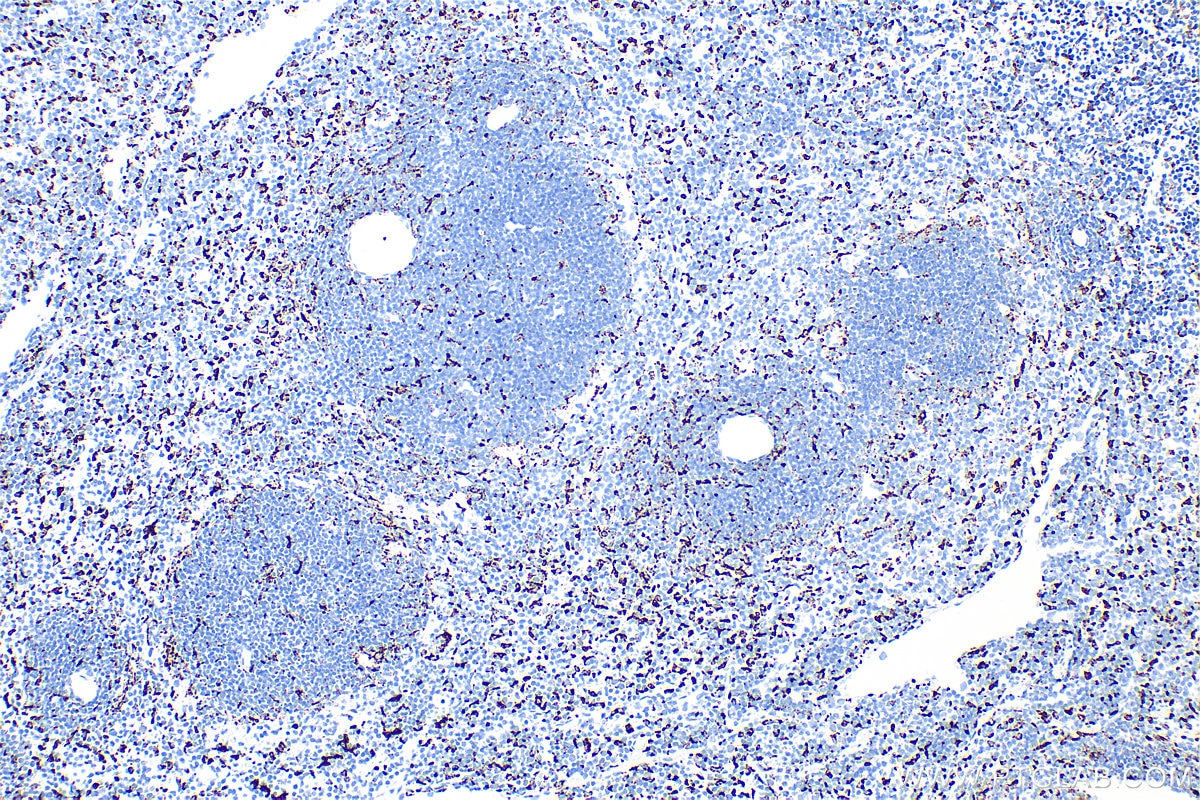
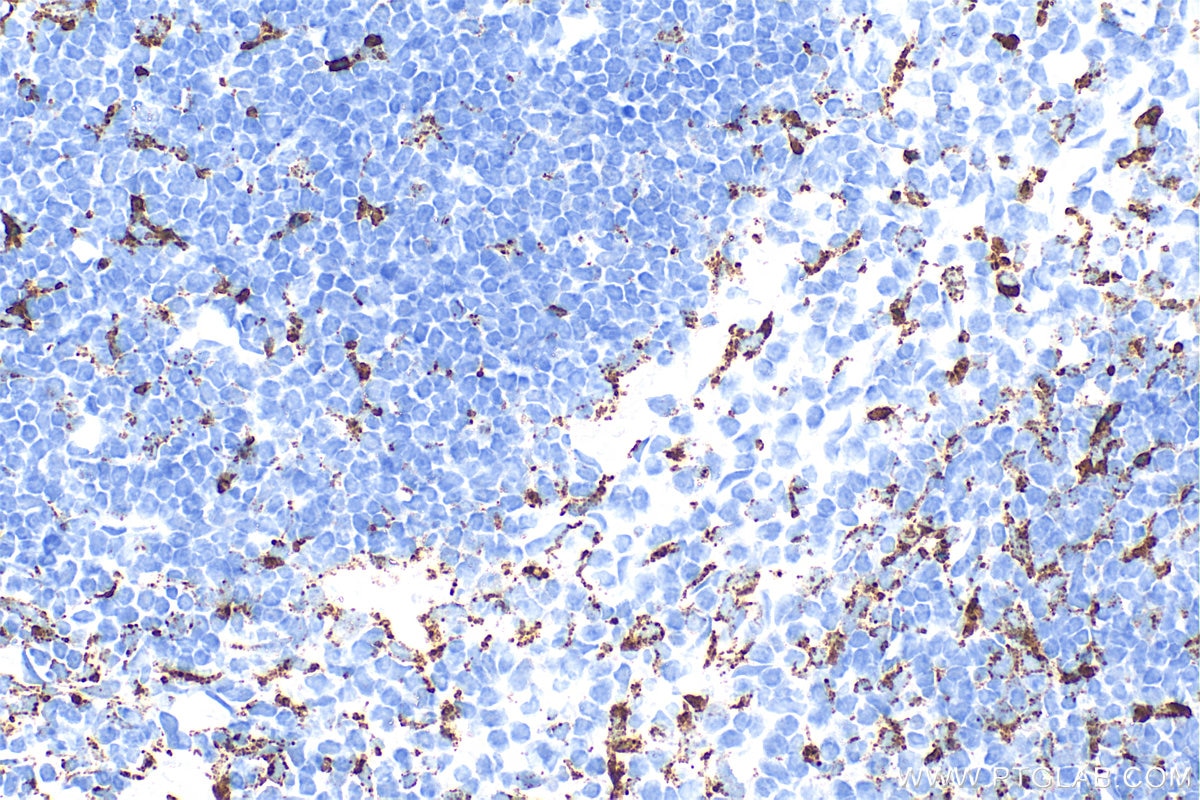
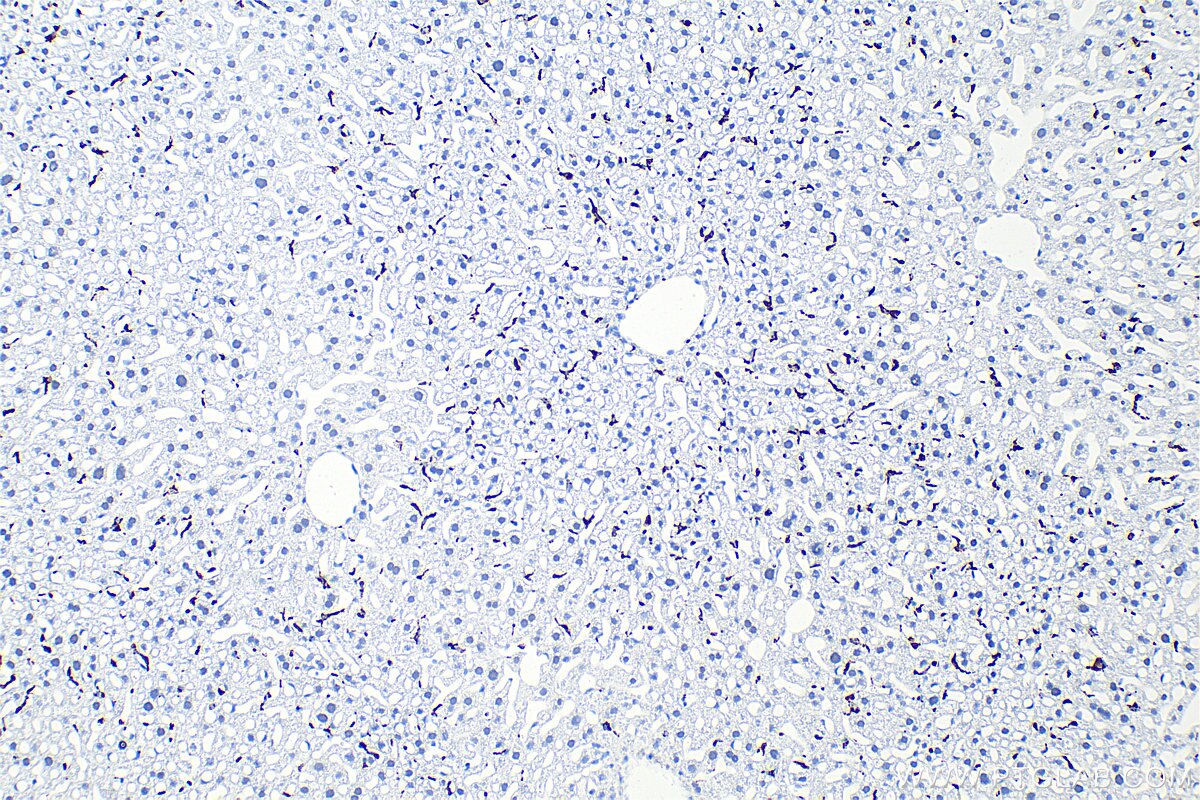
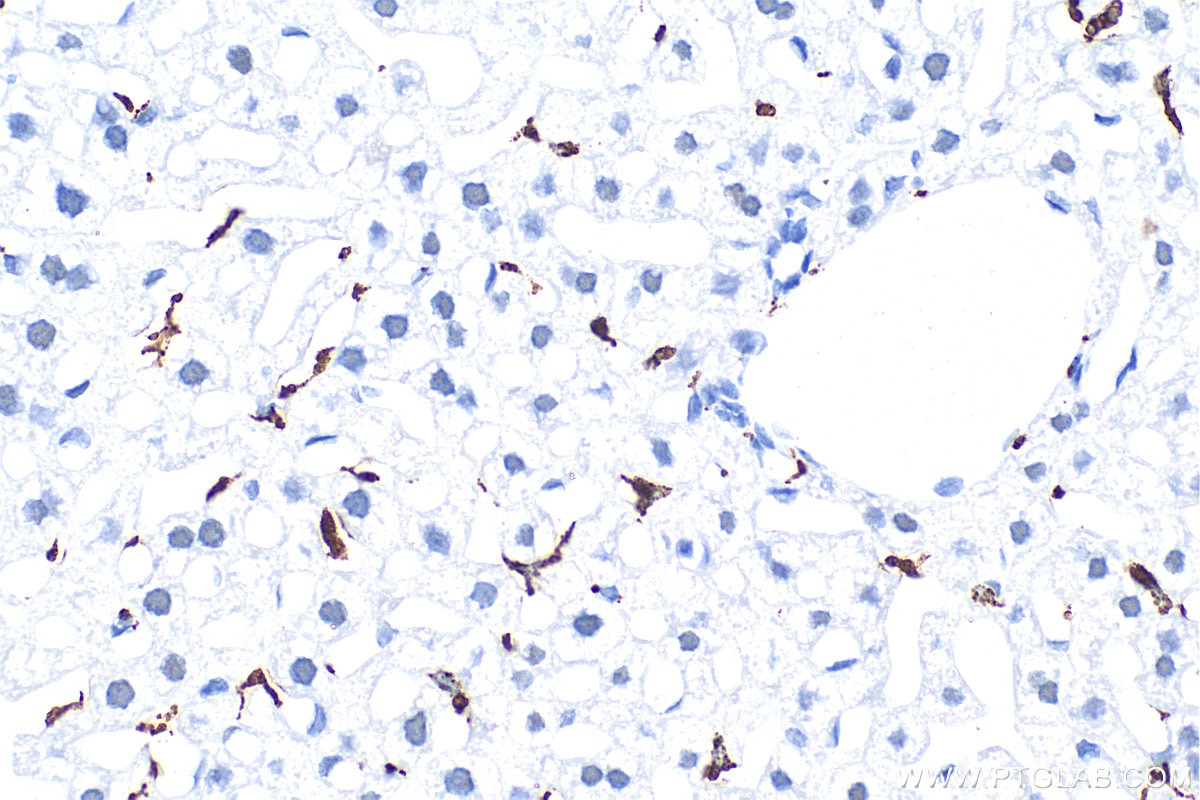
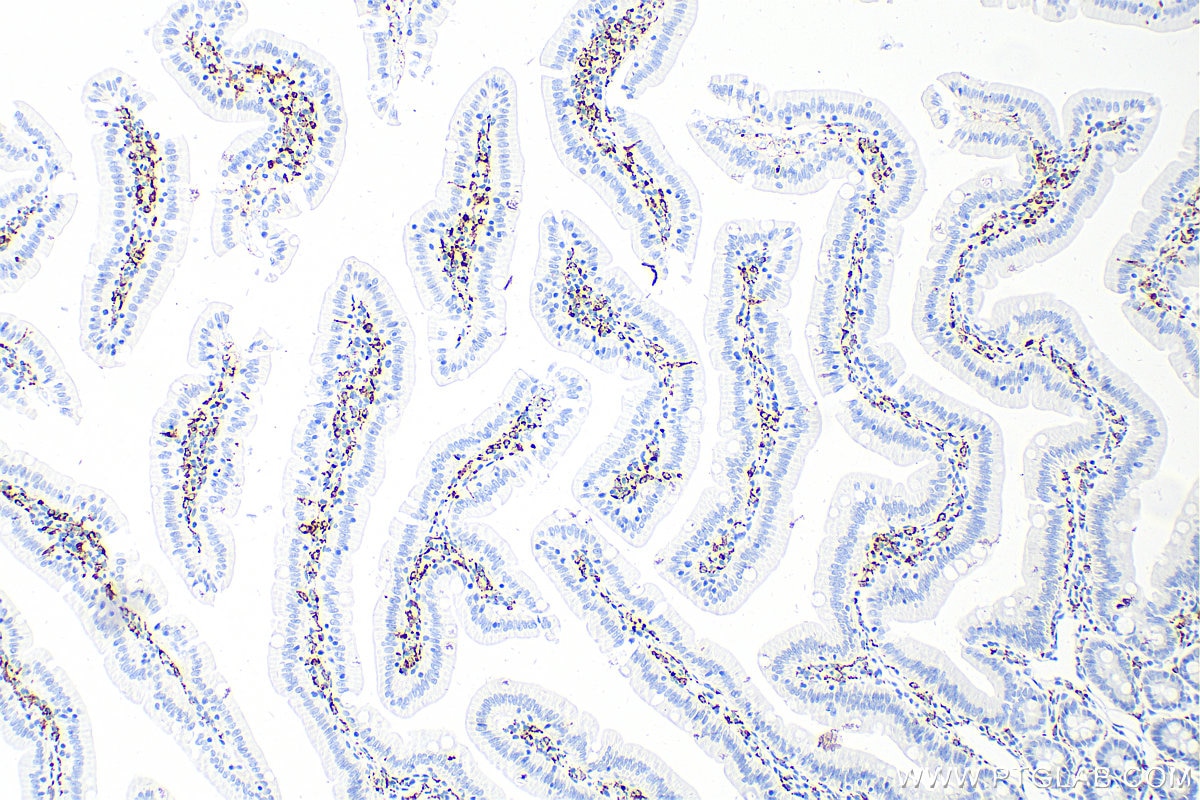
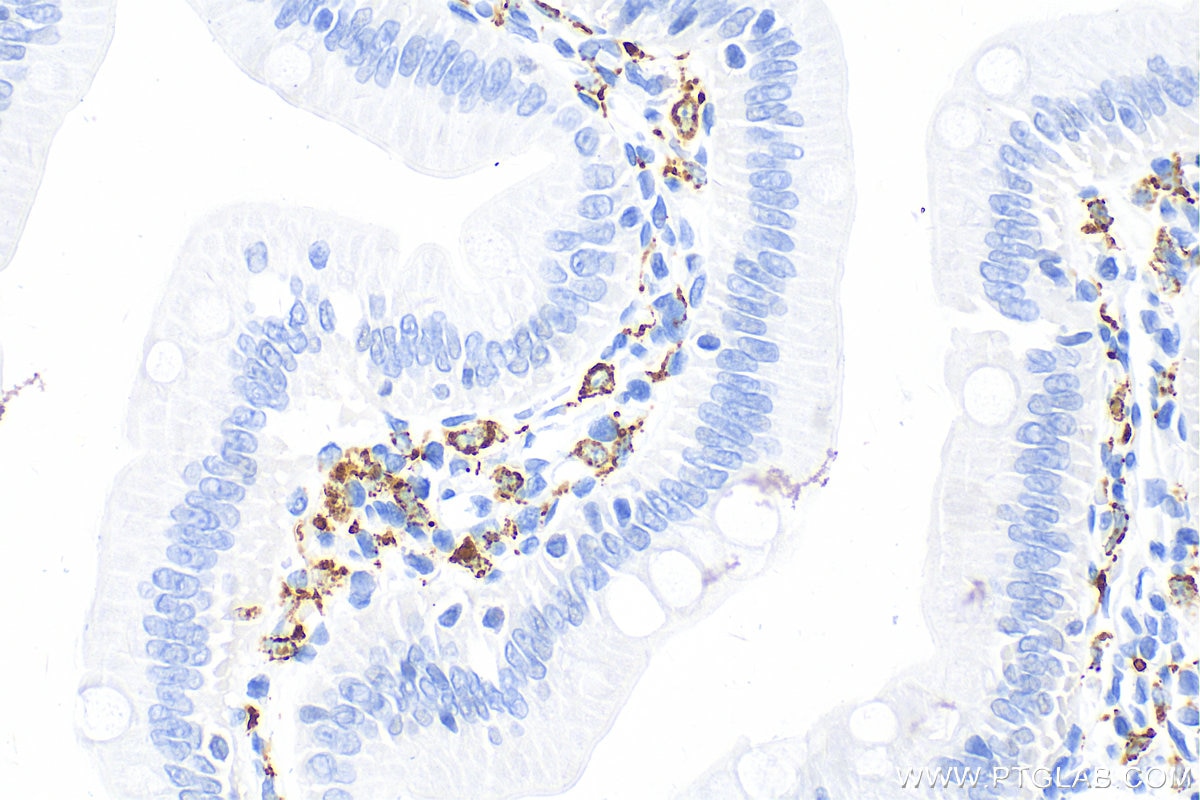
| Positive IHC detected in | mouse spleen tissue, mouse liver tissue, rat small intestine tissue Note: suggested antigen retrieval with TE buffer pH 9.0; (*) Alternatively, antigen retrieval may be performed with citrate buffer pH 6.0 |
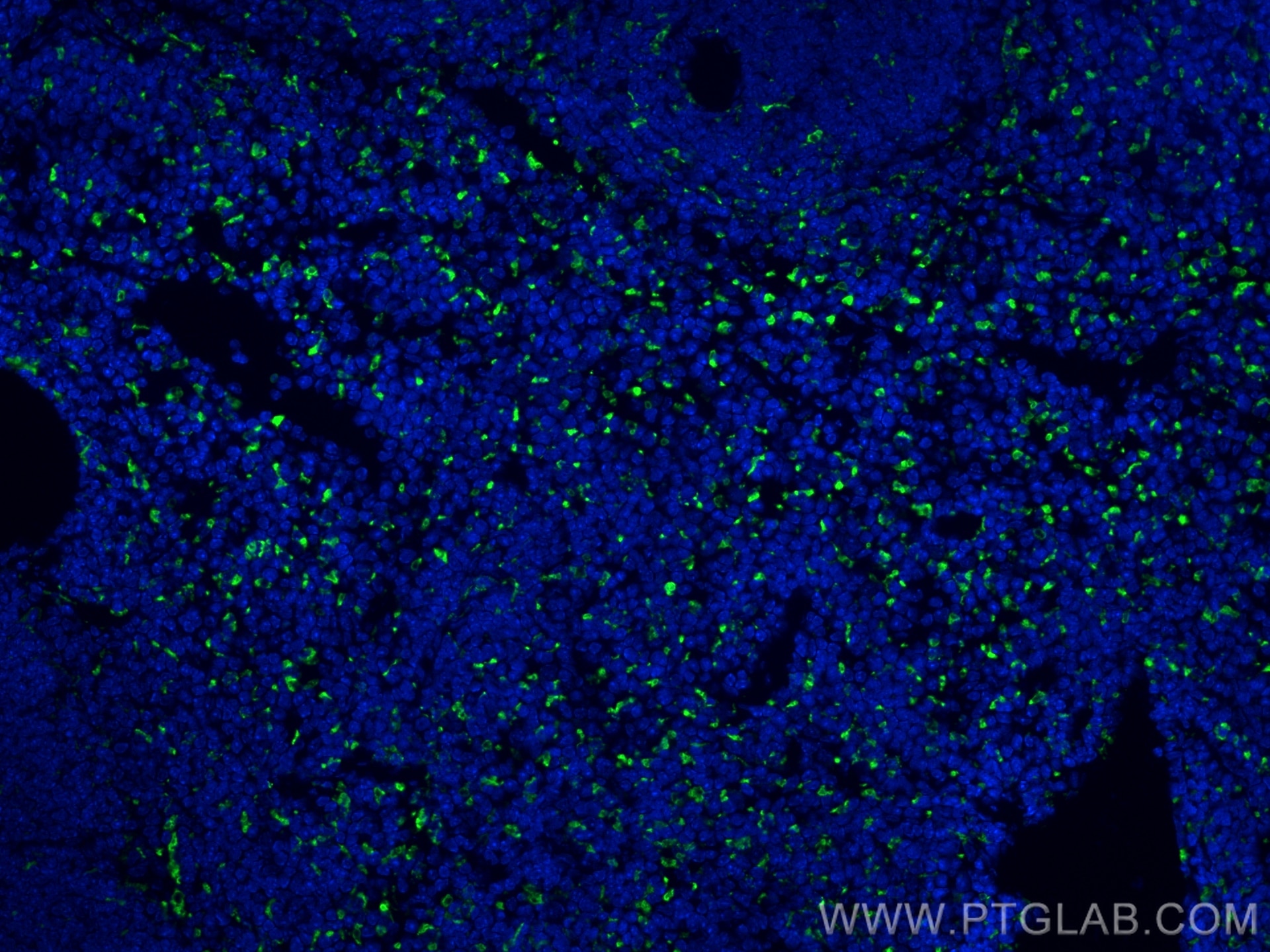
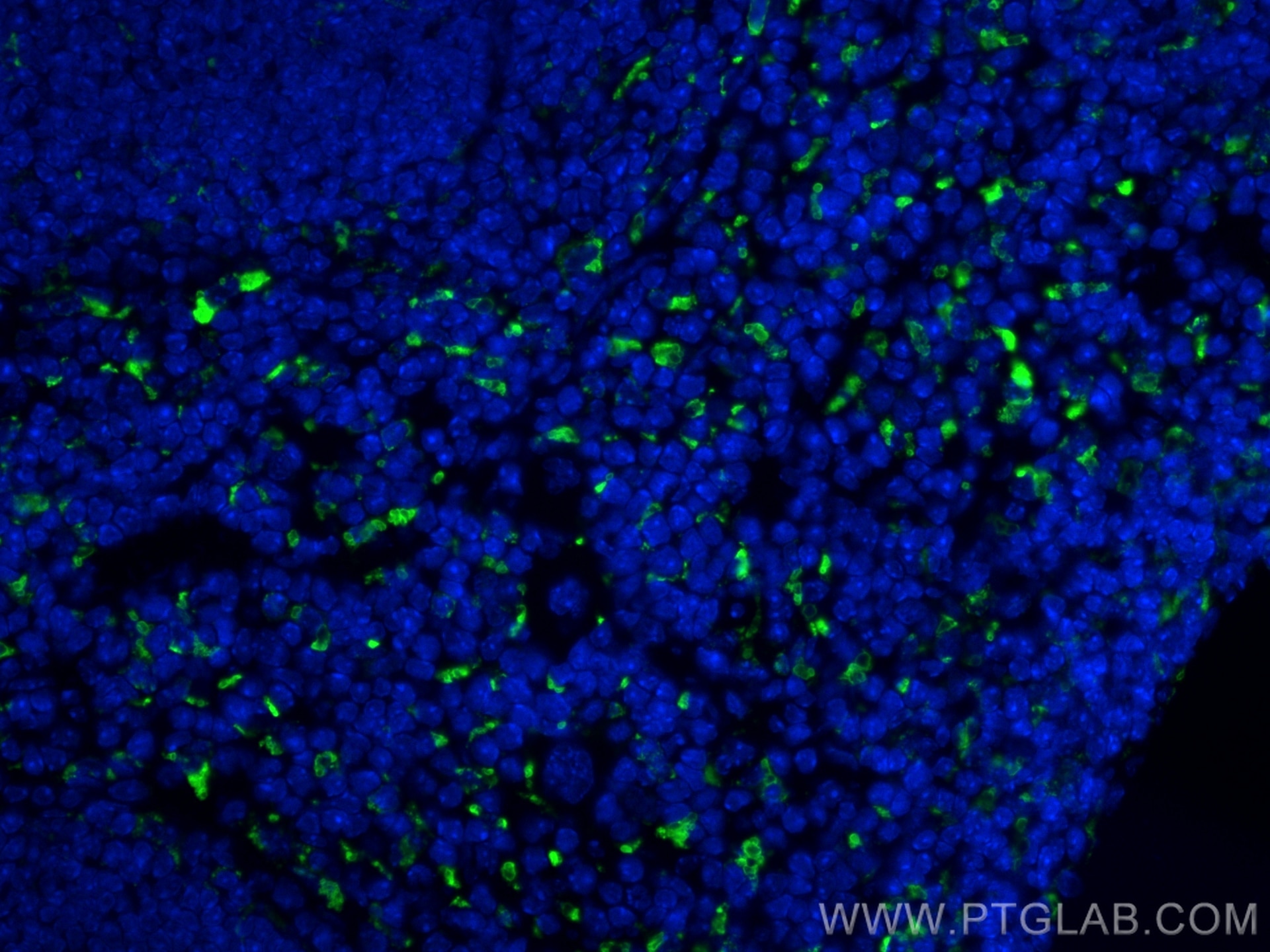
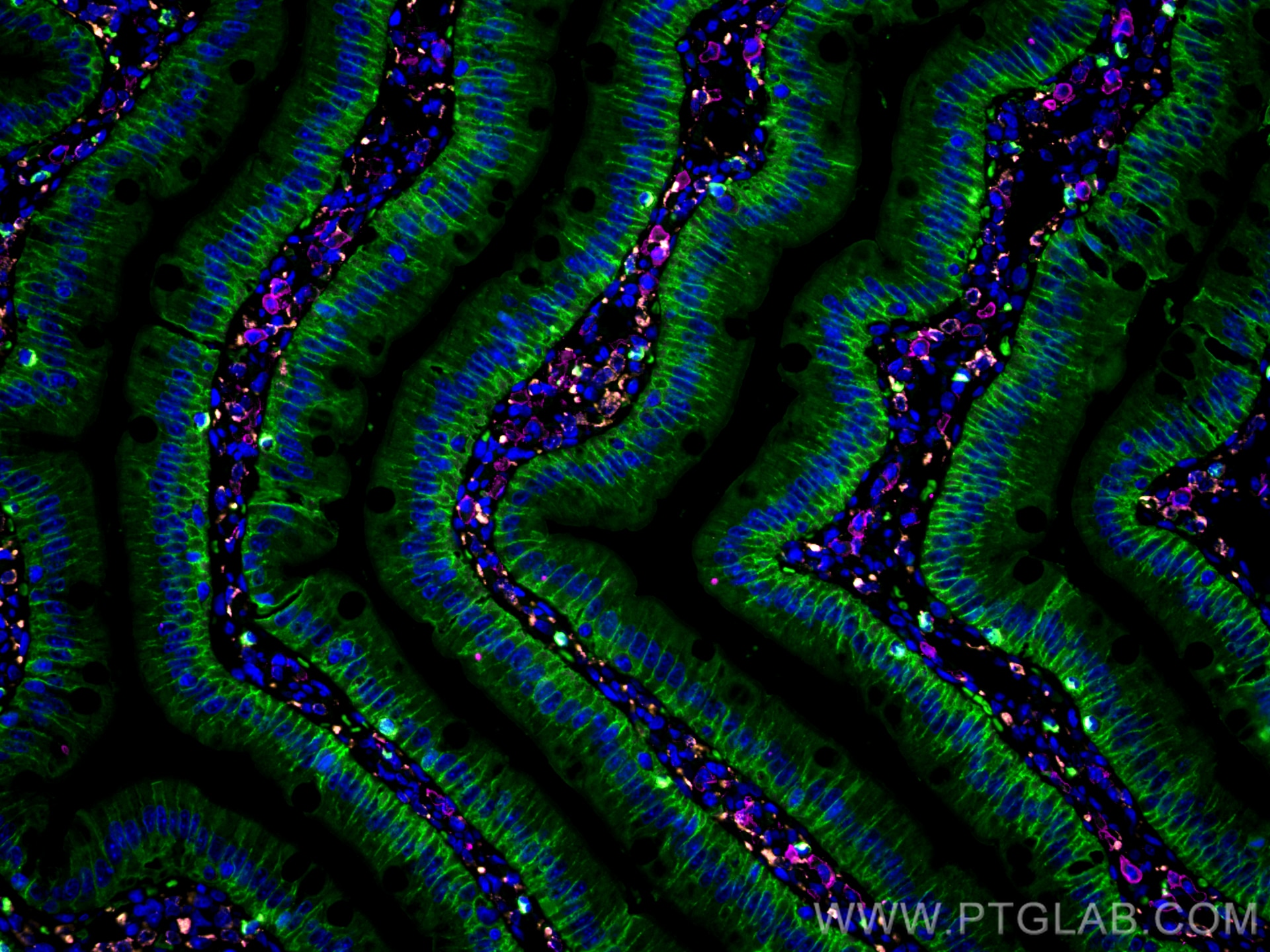
| Positive IF-P detected in | mouse spleen tissue, rat small intestine tissue |
Recommended dilution
| Application | Dilution |
|---|---|
| Western Blot (WB) | WB : 1:5000-1:50000 |
| Immunohistochemistry (IHC) | IHC : 1:500-1:2000 |
| Immunofluorescence (IF)-P | IF-P : 1:50-1:500 |
| It is recommended that this reagent should be titrated in each testing system to obtain optimal results. | |
| Sample-dependent, Check data in validation data gallery. | |
Published Applications
| WB | See 1 publications below |
| IHC | See 5 publications below |
| IF | See 7 publications below |
Product Information
83014-5-RR targets CD68 in WB, IHC, IF-P, ELISA applications and shows reactivity with mouse, rat samples.
| Tested Reactivity | mouse, rat |
| Cited Reactivity | mouse, rat, pig |
| Host / Isotype | Rabbit / IgG |
| Class | Recombinant |
| Type | Antibody |
| Immunogen |
CatNo: Eg0787 Product name: Recombinant mouse CD68 protein Source: mammalian cells-derived, pHZ-KIsec-C-6*HIS Tag: C-6*HIS Domain: 21-291 aa of NM_001291058.1 Sequence: DCPHKKAVTLLPSFTMTPTATESTASPTTSHRPTTTSHGNVTVHTSSGPTTVTHNPATTTSHGNATISHATVSPTTNGTATSPRSSTVGPHPGPPPPSPSPRSKGALGNYTWANGSQPCVQLQAQIQIRILYPIQGGRKAWGISVLNPNKTKVQGGCDGTHPHLSLSFPYGQLTFGFKQDLHQSPSTVYLDYMAVEYNVSFPQAAQWTFMAQNSSLRELQAPLGQSFCCGNASIVLSPAVHLDLLSLRLQAAQLPDKGHFGPCFSCNRDQS 相同性解析による交差性が予測される生物種 |
| Full Name | CD68 antigen |
| Calculated molecular weight | 35 kDa |
| Observed molecular weight | 100-120 kDa |
| GenBank accession number | NM_001291058.1 |
| Gene Symbol | Cd68 |
| Gene ID (NCBI) | 12514 |
| RRID | AB_3670757 |
| Conjugate | Unconjugated |
| Form | |
| Form | Liquid |
| Purification Method | Protein A purfication |
| UNIPROT ID | P31996-1 |
| Storage Buffer | PBS with 0.02% sodium azide and 50% glycerol{{ptg:BufferTemp}}7.3 |
| Storage Conditions | Store at -20°C. Stable for one year after shipment. Aliquoting is unnecessary for -20oC storage. |
Background Information
Mouse CD68 (also known as macrosialin) is a type I transmembrane glycoprotein that is highly and specifically expressed by mouse tissue macrophages, and to a lesser extent by dendritic cells. It belongs to the lysosomal/endosomal-associated membrane glycoprotein (LAMP) family and primarily localizes to lysosomes and endosomes with a smaller fraction circulating to the cell surface. CD68 is also a member of the scavenger receptor family. It may play a role in phagocytic activities of tissue macrophages. Due to heavy glycosylation, the apparent molecular mass of CD68 detected by Western blot is generally observed between 80 and 140 kDa, far exceeding its unmodified core protein weight of ~34-37 kDa.
Protocols
| Product Specific Protocols | |
|---|---|
| IF protocol for CD68 antibody 83014-5-RR | Download protocol |
| IHC protocol for CD68 antibody 83014-5-RR | Download protocol |
| WB protocol for CD68 antibody 83014-5-RR | Download protocol |
| Standard Protocols | |
|---|---|
| Click here to view our Standard Protocols |
Publications
| Species | Application | Title |
|---|---|---|
Mater Today Bio Engineered human plasma-derived cryogels as a multifunctional scaffold to promote diabetic wound healing. | ||
Mater Today Bio Customized ultra-flexible and adhesive spinal cord stimulation electrode for chronic pain management. | ||
Acta Biomater Adhesive polyethylene glycol hydrogels with metformin enabling in-situ drug delivery reprogramming immuno-metabolism for tissue repair in diabetic foot ulcers. | ||
Clin Transl Med TALDO1 promotes lipid metabolic reprogramming and immunosuppressive microenvironment remodelling in hepatocellular carcinoma | ||
ACS Appl Mater Interfaces A Fibrous-Porous Microsphere-Based Composite Filler for Synchronized Immediate and Long-Term Soft Tissue Restoration. |