
Validation Data Gallery
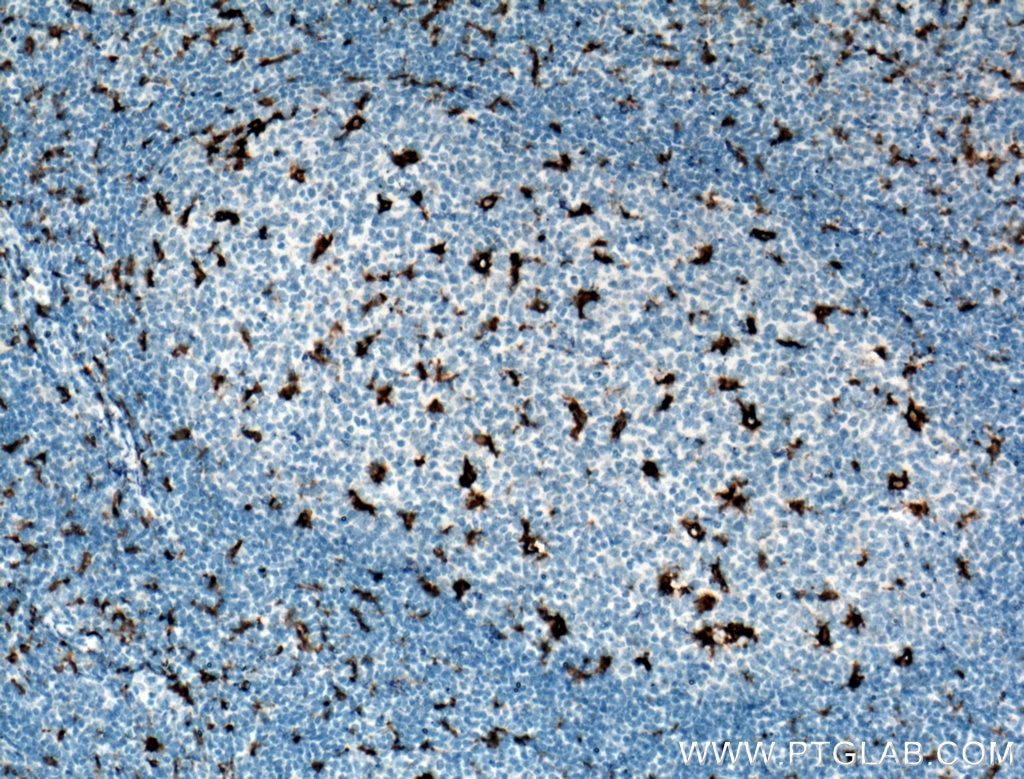
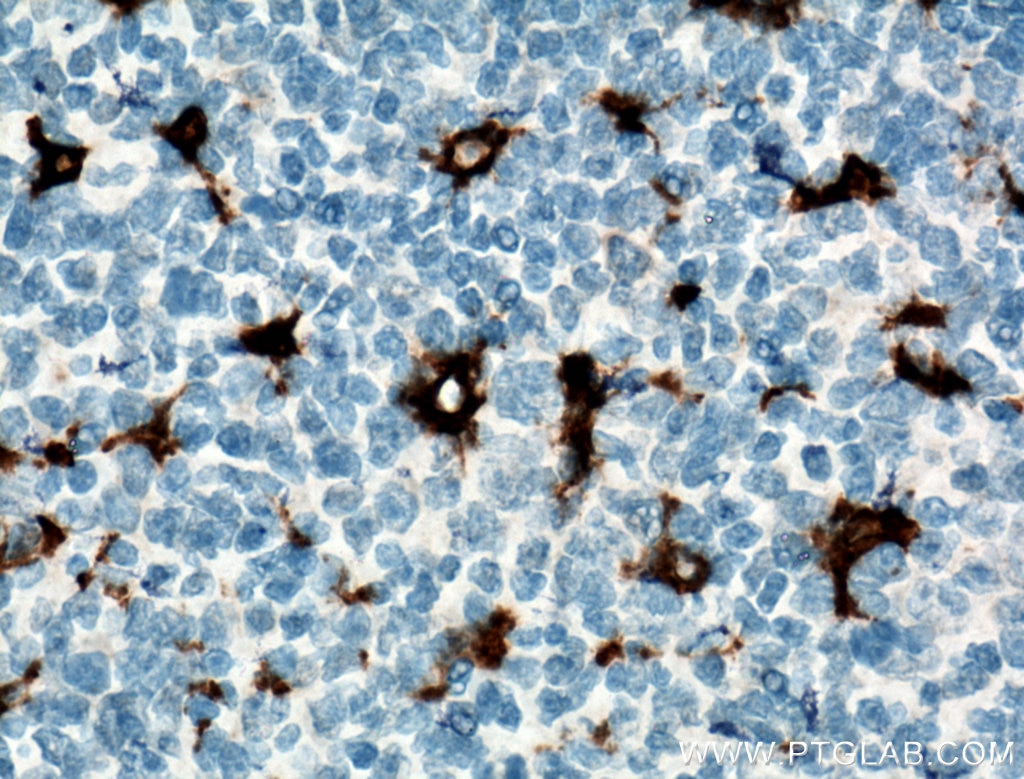
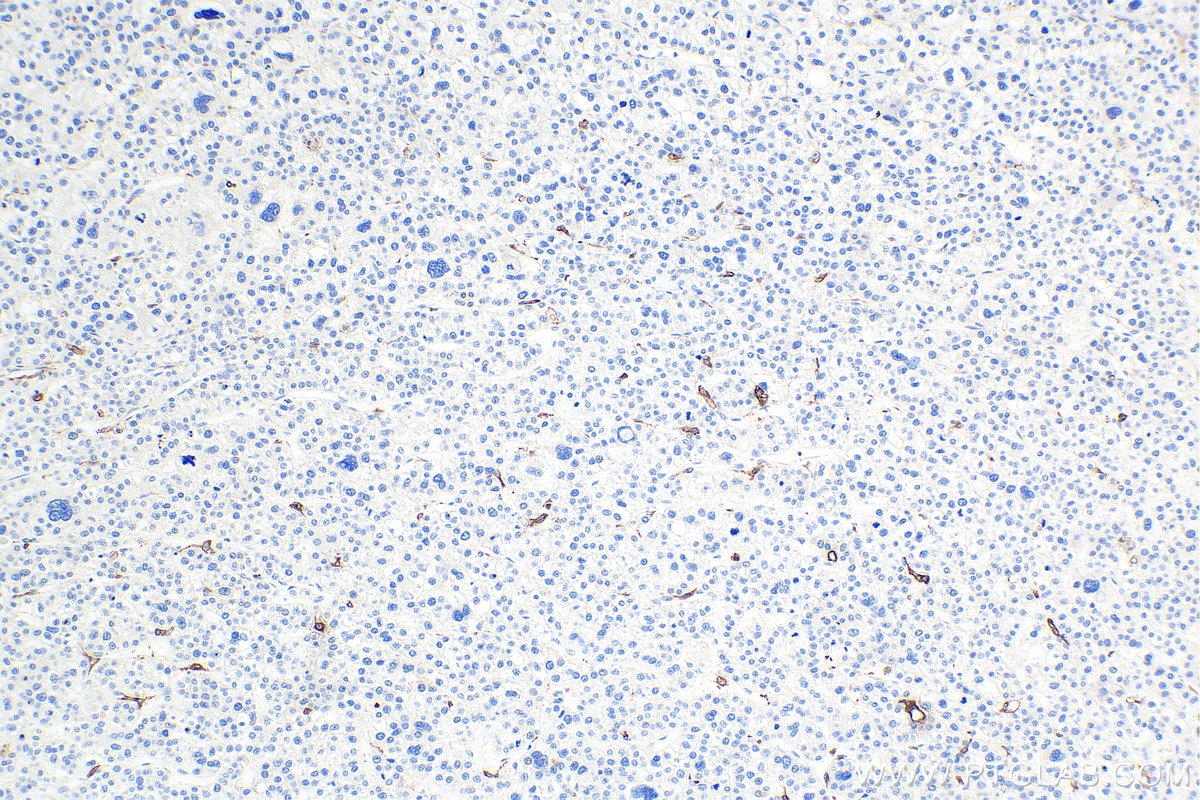
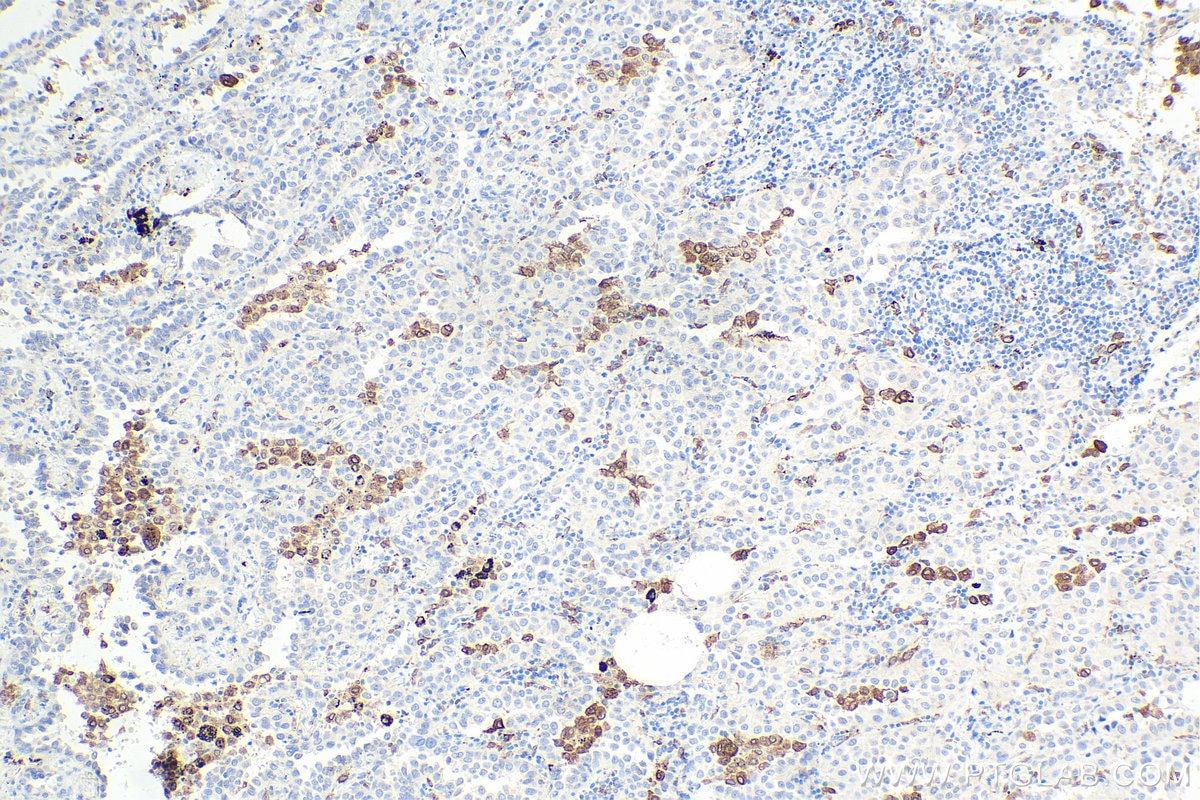
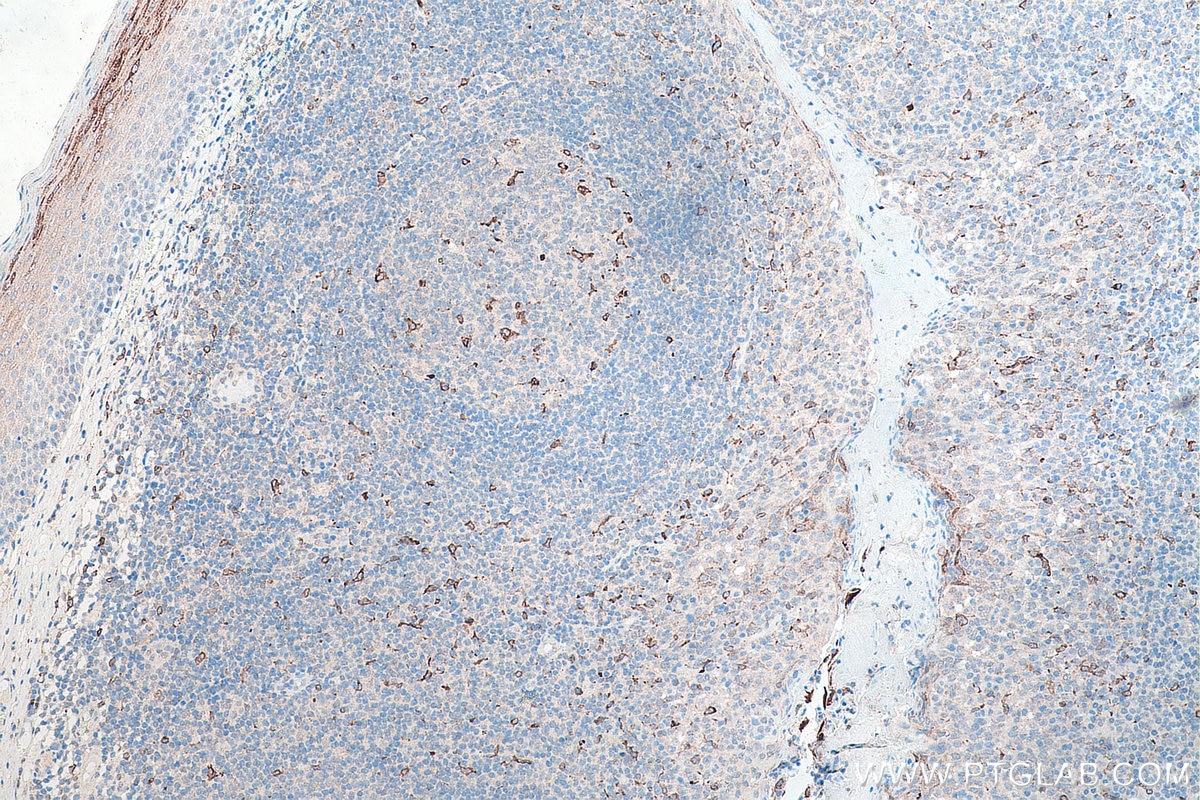
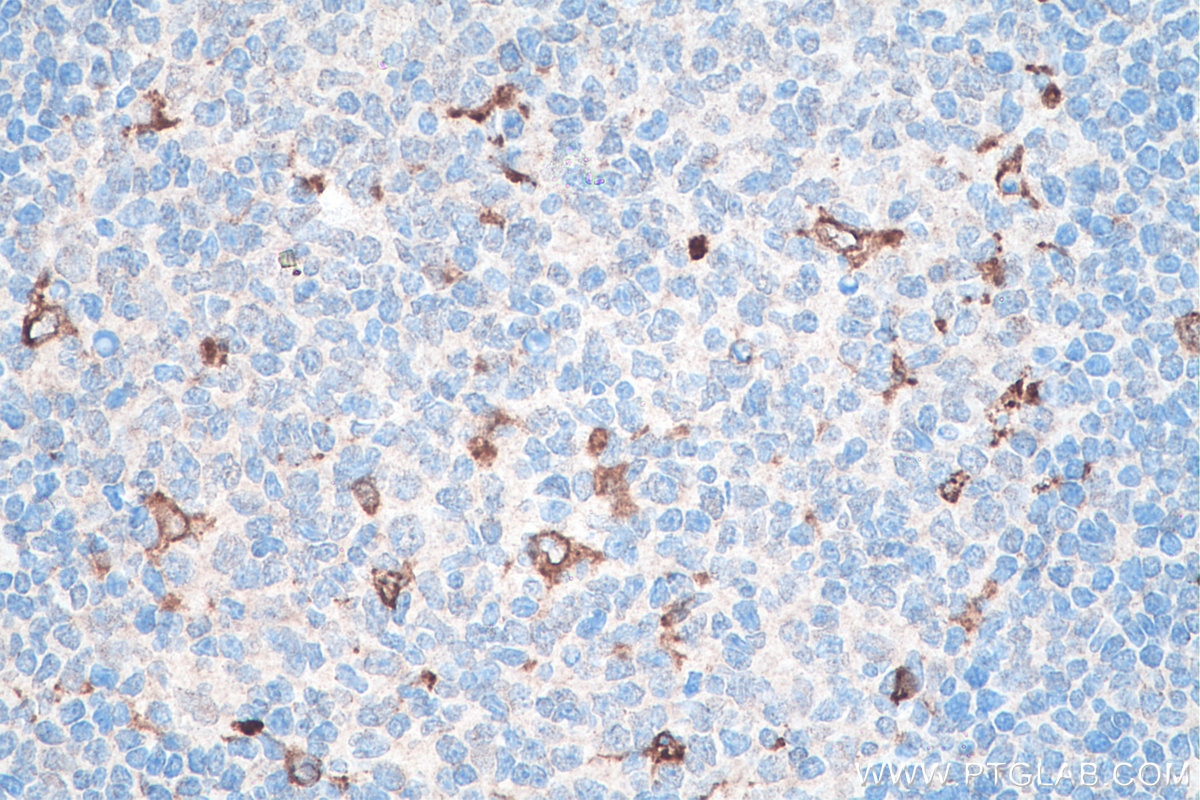
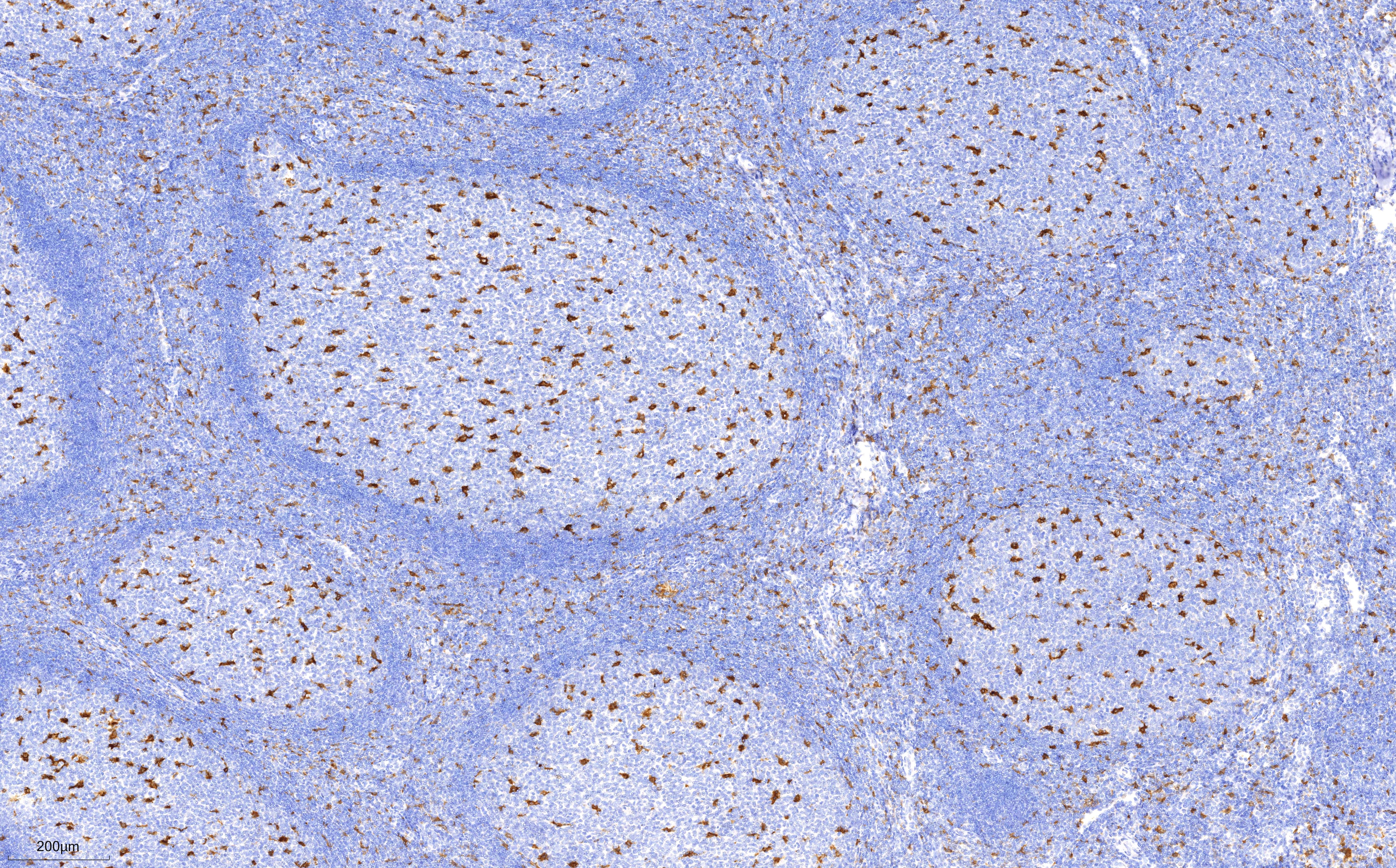
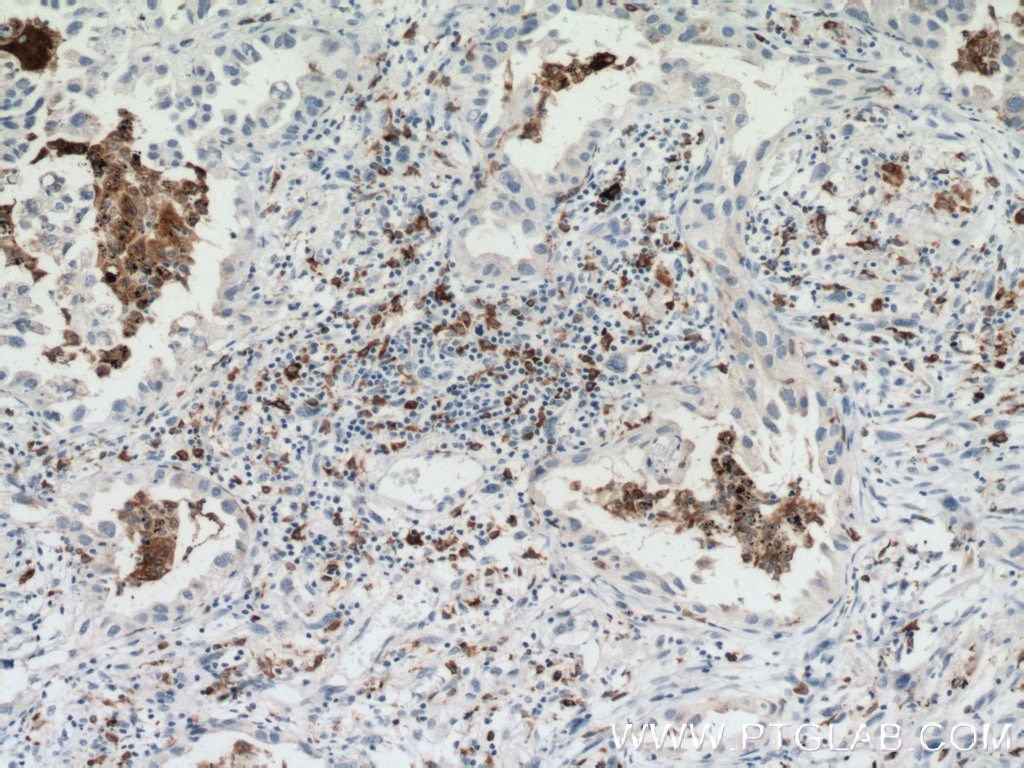
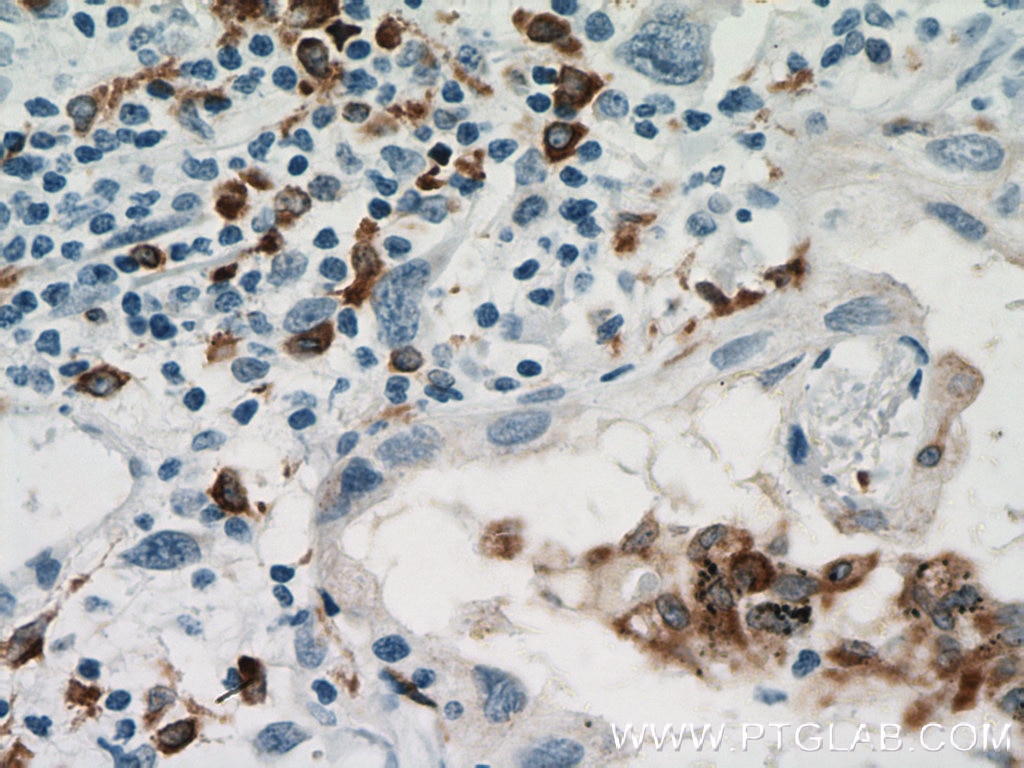
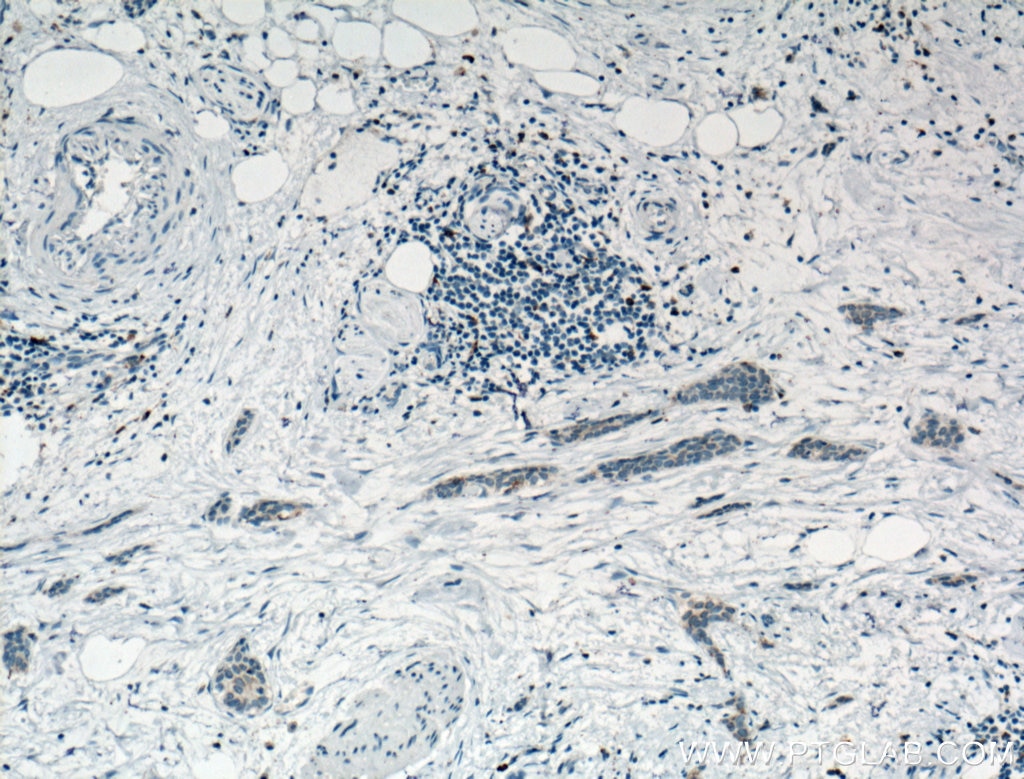
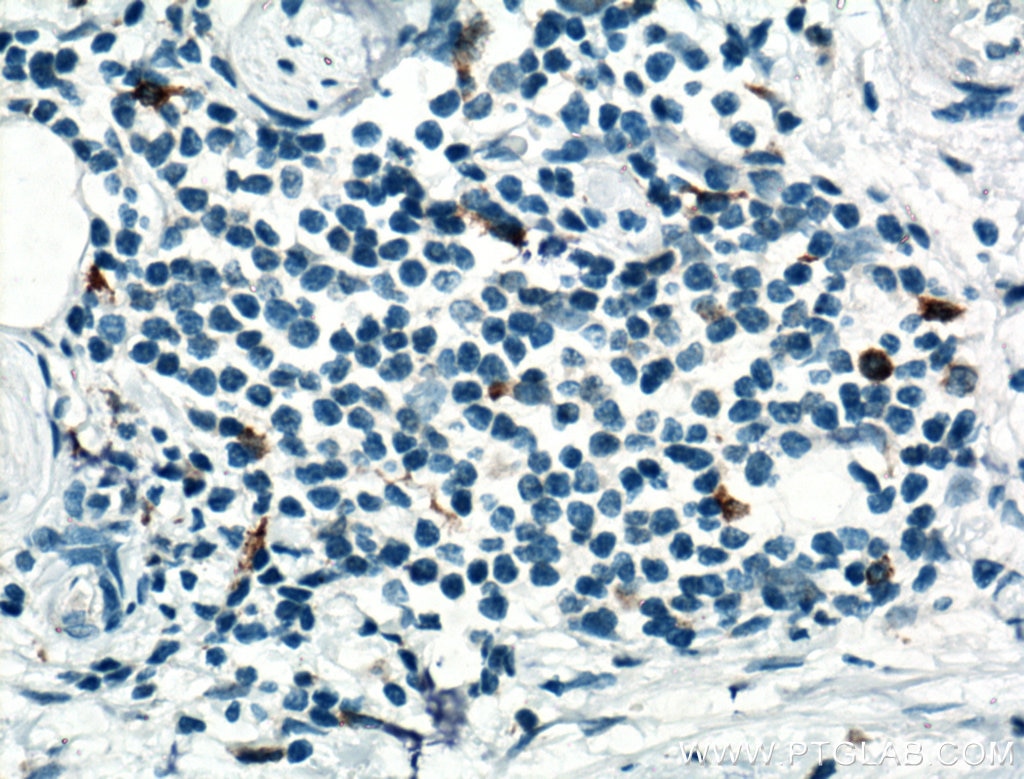
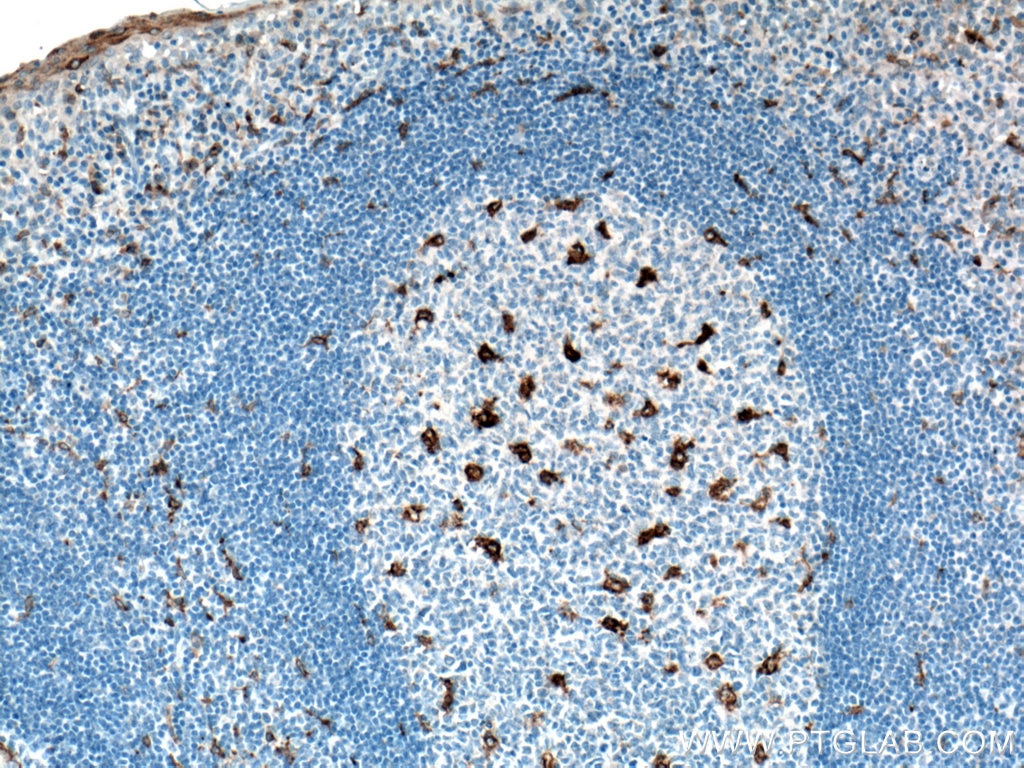
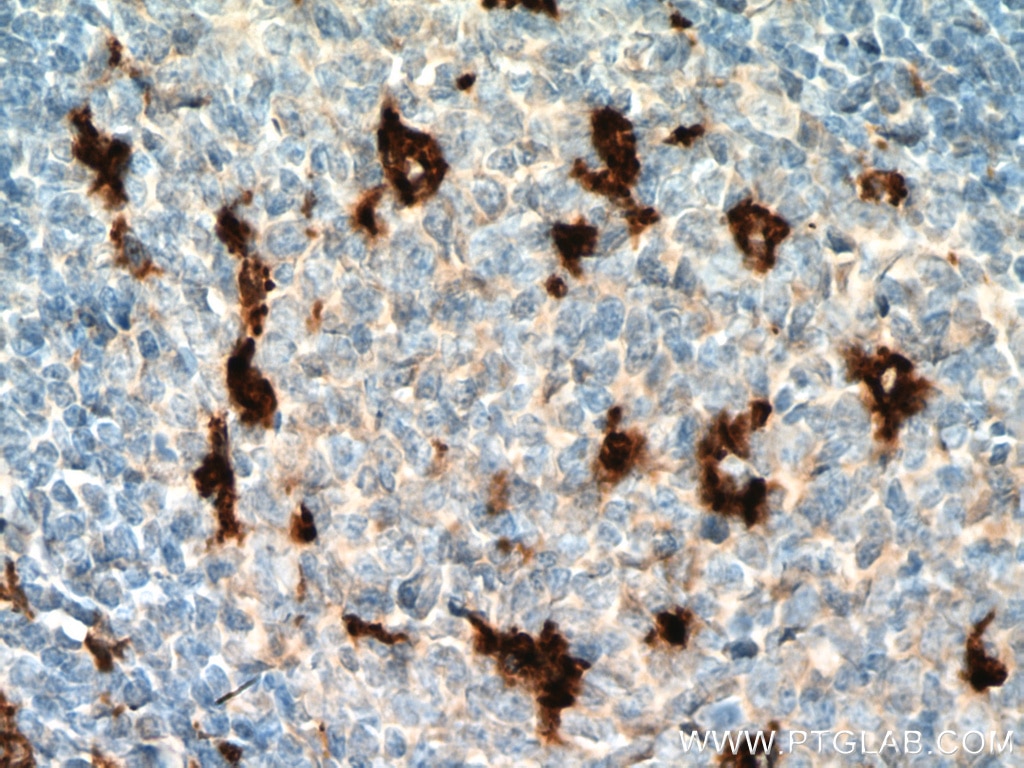
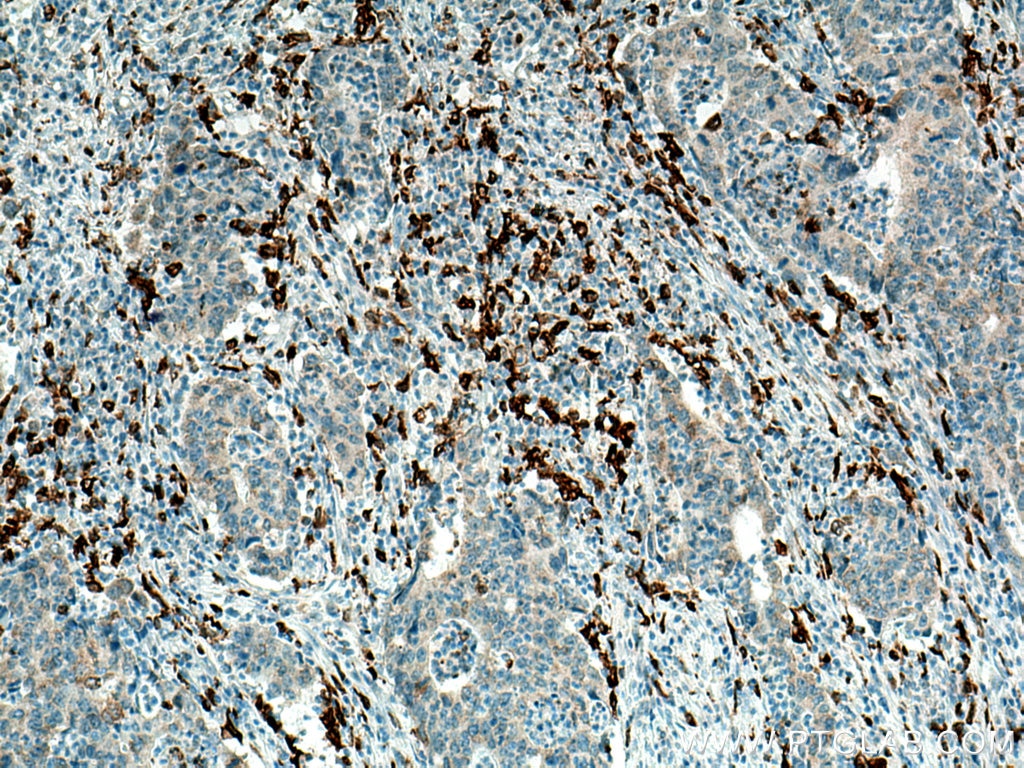
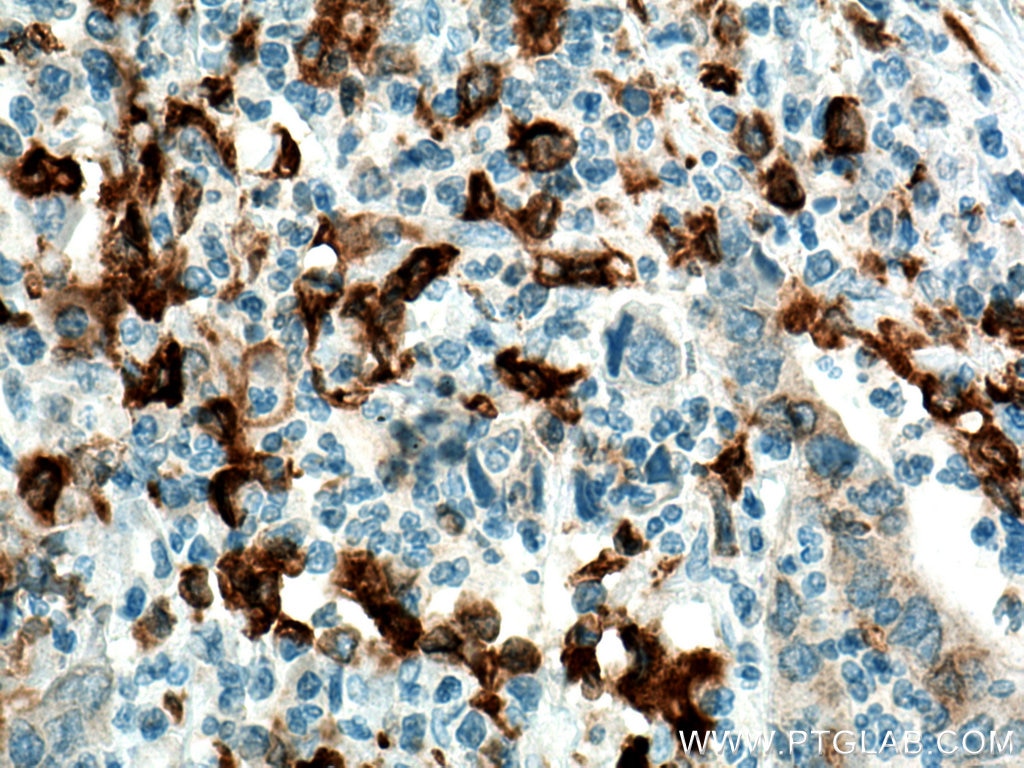
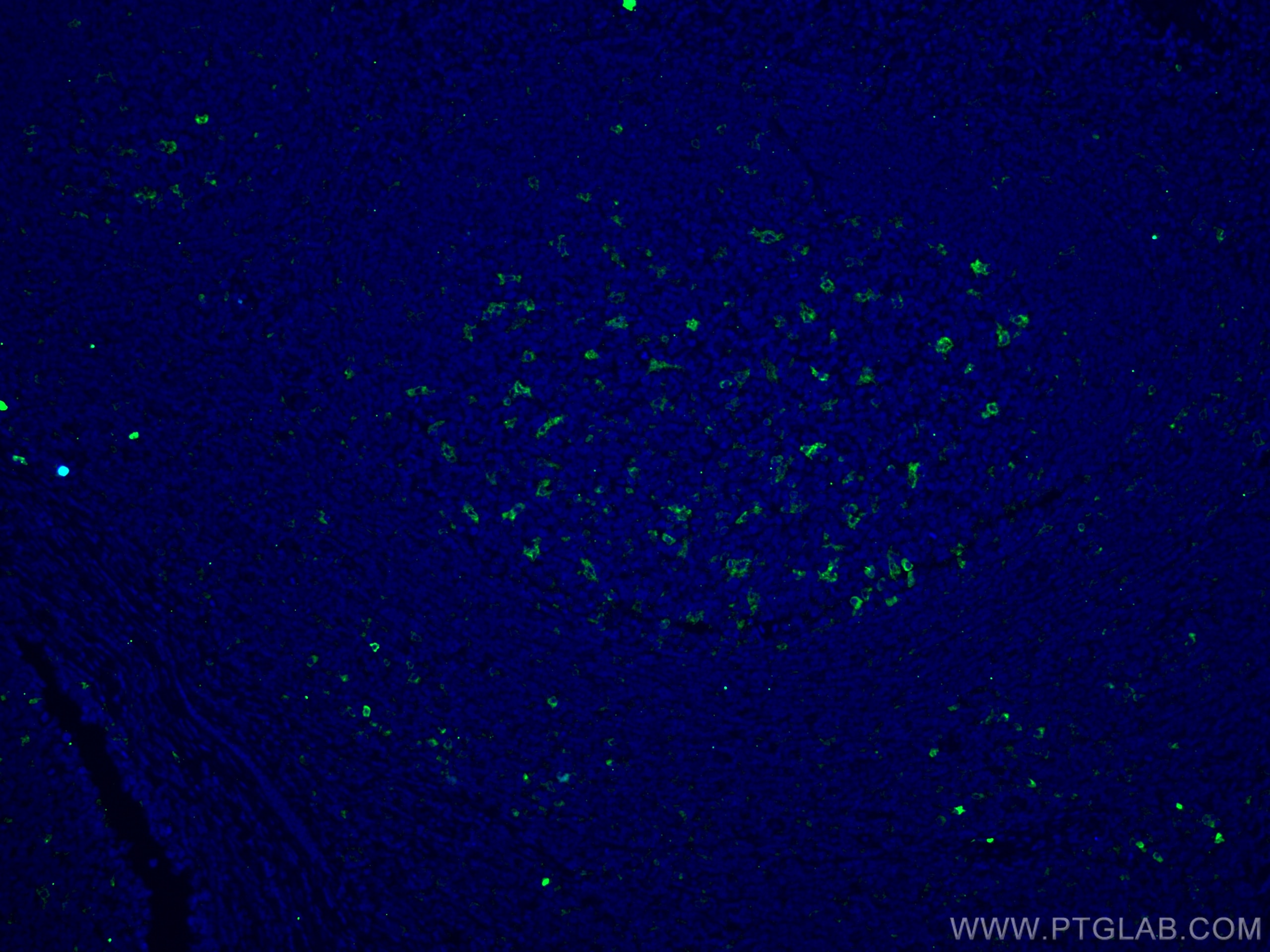
Tested Applications
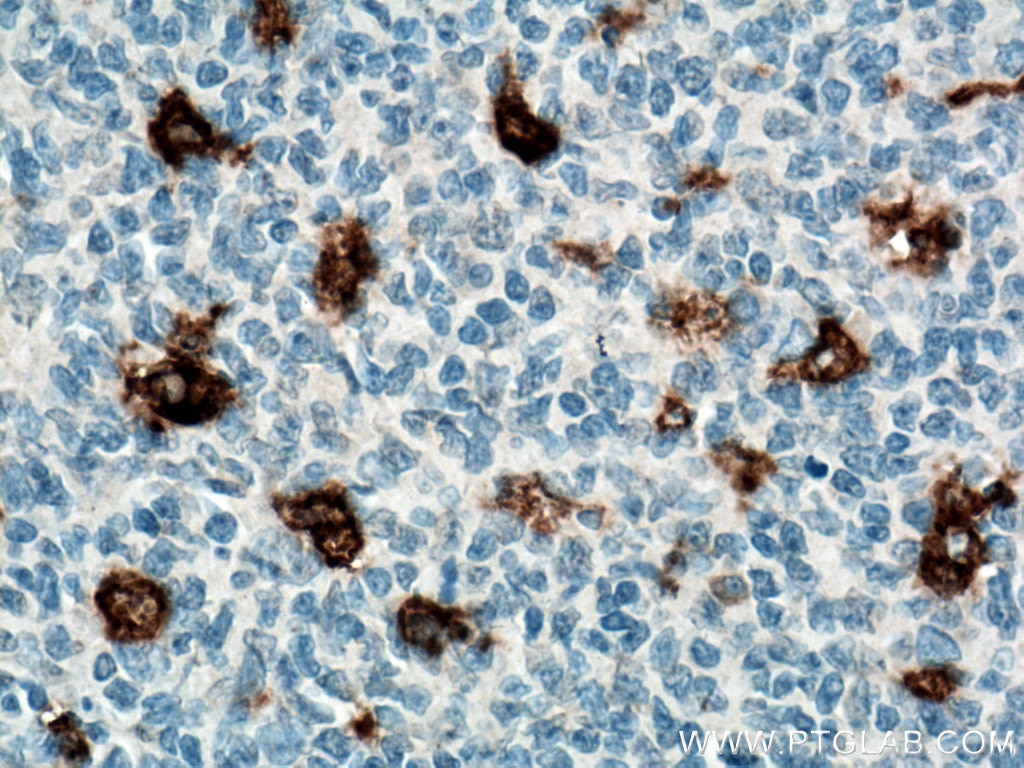
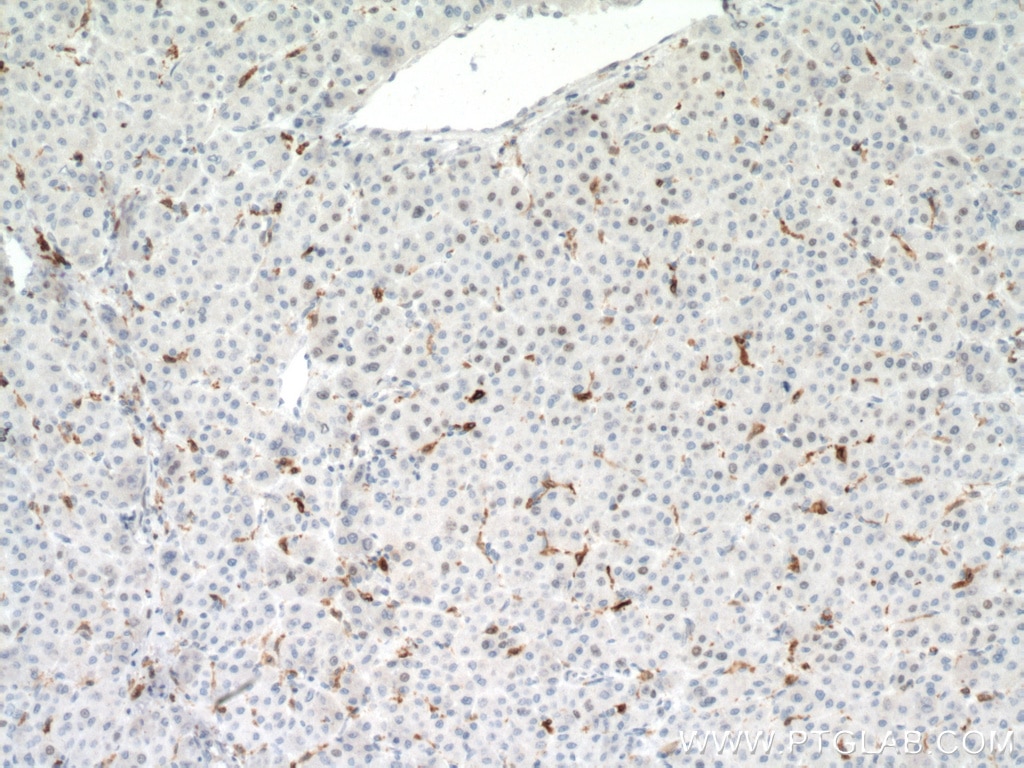
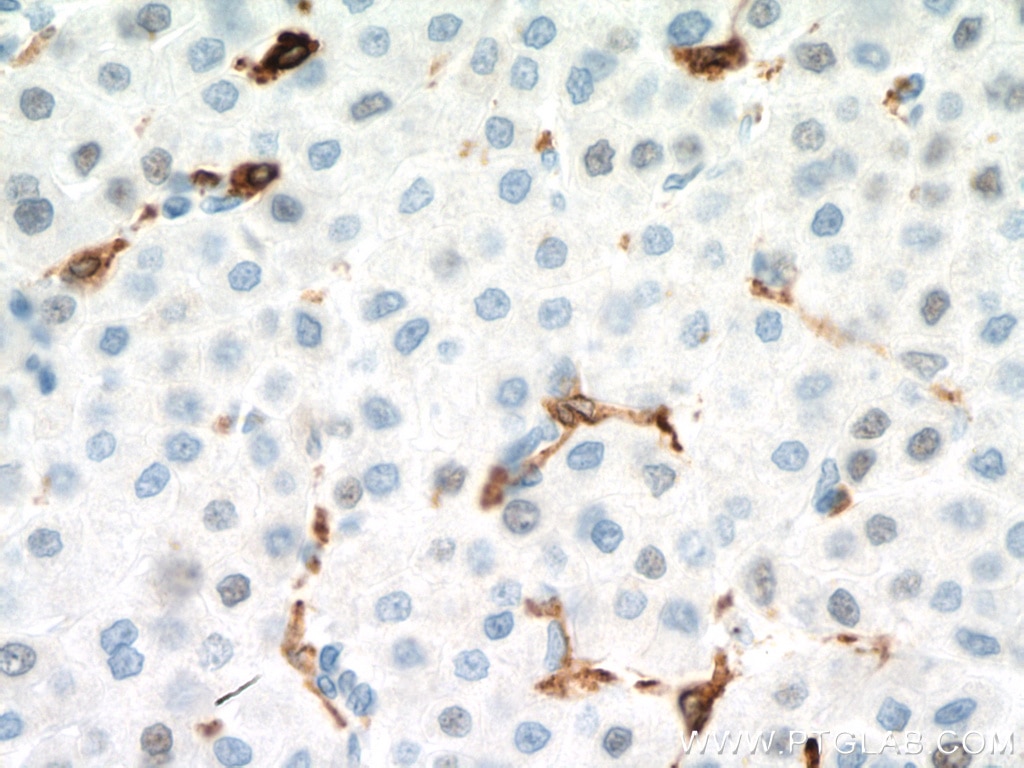
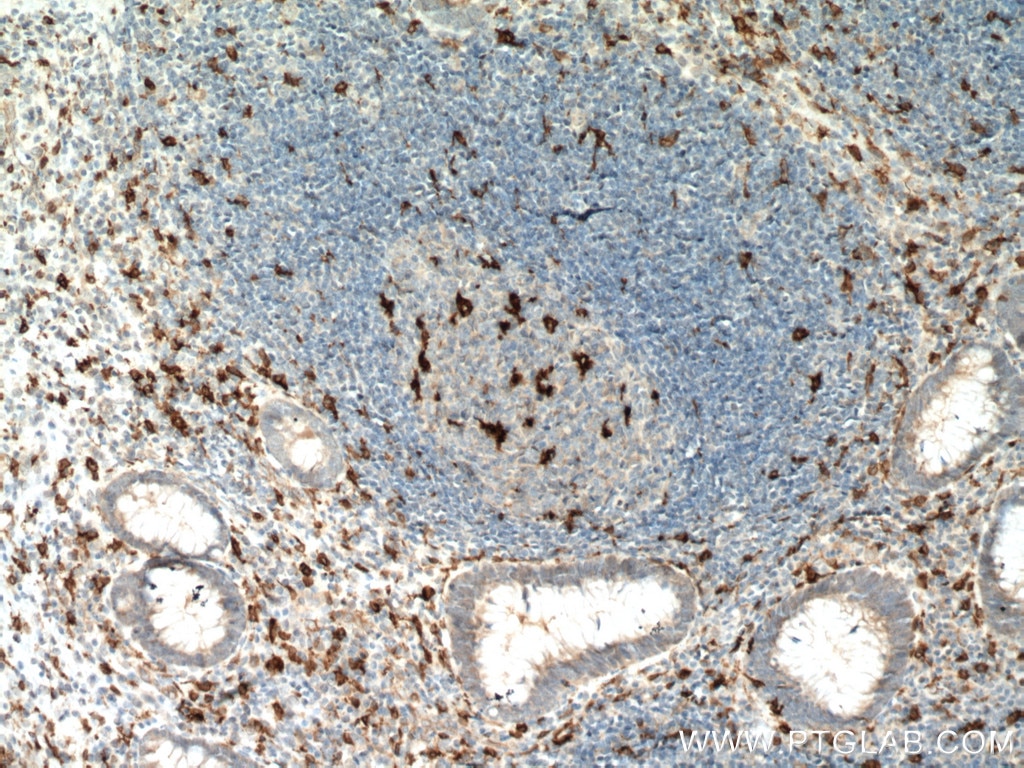
| Positive IHC detected in | human tonsillitis tissue, human colon cancer tissue, human appendicitis tissue, human lung cancer tissue, human liver cancer tissue, human urothelial carcinoma tissue Note: suggested antigen retrieval with TE buffer pH 9.0; (*) Alternatively, antigen retrieval may be performed with citrate buffer pH 6.0 |
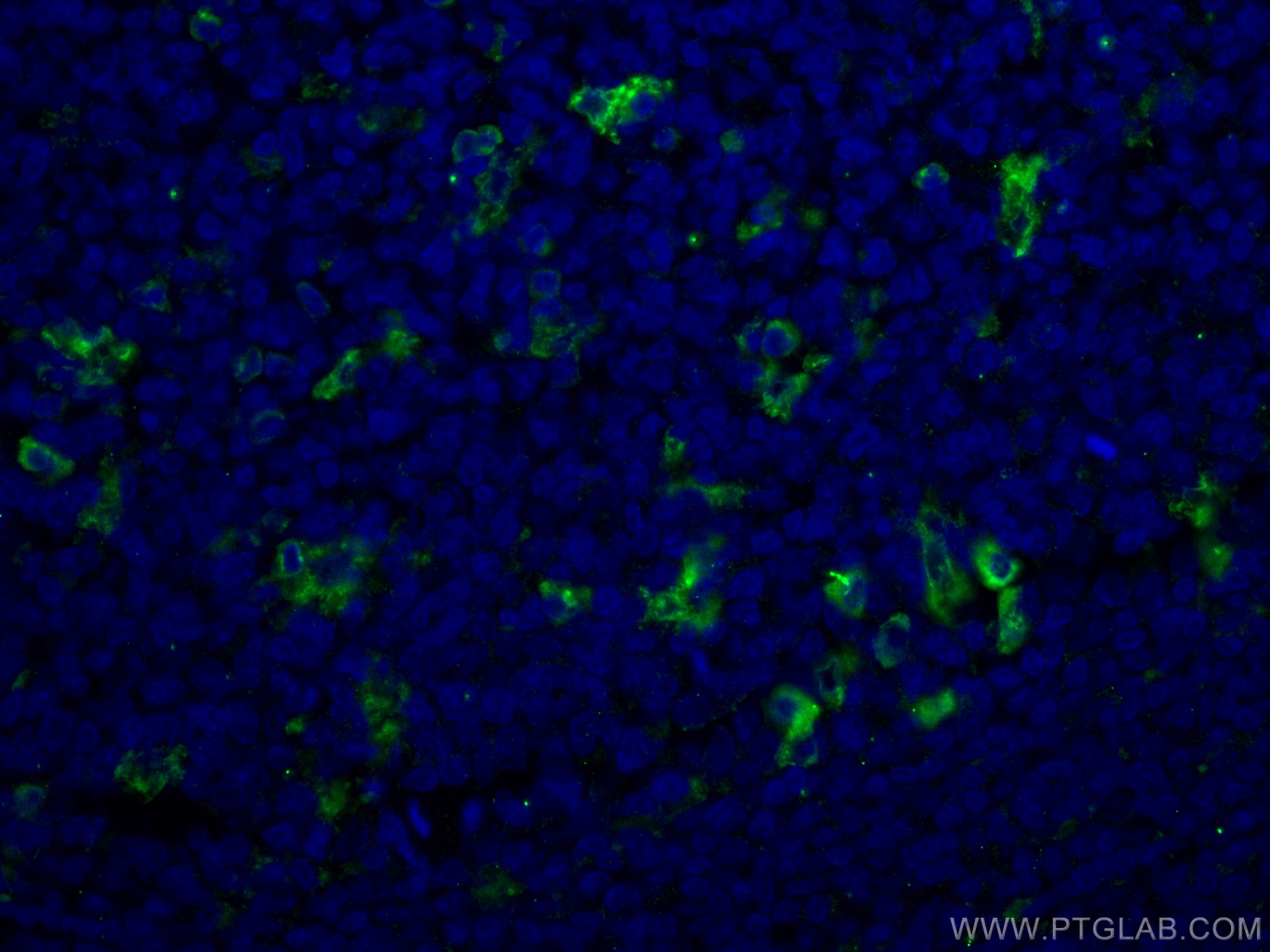
| Positive IF-P detected in | human tonsillitis tissue |
Recommended dilution
| Application | Dilution |
|---|---|
| Immunohistochemistry (IHC) | IHC : 1:1000-1:6000 |
| Immunofluorescence (IF)-P | IF-P : 1:3000-1:12000 |
| It is recommended that this reagent should be titrated in each testing system to obtain optimal results. | |
| Sample-dependent, Check data in validation data gallery. | |
Published Applications
| IHC | See 47 publications below |
| IF | See 95 publications below |
Product Information
66231-2-Ig targets CD68 in IHC, IF-P, ELISA applications and shows reactivity with human samples.
| Tested Reactivity | human |
| Cited Reactivity | human, pig |
| Host / Isotype | Mouse / IgG1 |
| Class | Monoclonal |
| Type | Antibody |
| Immunogen |
CatNo: Ag22815 Product name: Recombinant human CD68 protein Source: e coli.-derived, PET28a Tag: 6*His Domain: 29-319 aa of BC015557 Sequence: SATLLPSFTVTPTVTESTGTTSHRTTKSHKTTTHRTTTTGTTSHGPTTATHNPTTTSHGNVTVHPTSNSTATSQGPSTATHSPATTSHGNATVHPTSNSTATSPGFTSSAHPEPPPPSPSPSPTSKETIGDYTWTNGSQPCVHLQAQIQIRVMYTTQGGGEAWGISVLNPNKTKVQGSCEGAHPHLLLSFPYGHLSFGFMQDLQQKVVYLSYMAVEYNVSFPHAAQWTFSAQNASLRDLQAPLGQSFSCSNSSIILSPAVHLDLLSLRLQAAQLPHTGVFGQSFSCPSDRS 相同性解析による交差性が予測される生物種 |
| Full Name | CD68 molecule |
| Calculated molecular weight | 37 kDa |
| GenBank accession number | BC015557 |
| Gene Symbol | CD68 |
| Gene ID (NCBI) | 968 |
| RRID | AB_2881622 |
| Conjugate | Unconjugated |
| Form | |
| Form | Liquid |
| Purification Method | Protein G purification |
| UNIPROT ID | P34810 |
| Storage Buffer | PBS with 0.02% sodium azide and 50% glycerol{{ptg:BufferTemp}}7.3 |
| Storage Conditions | Store at -20°C. Stable for one year after shipment. Aliquoting is unnecessary for -20oC storage. |
Background Information
CD68 is a type I transmembrane glycoprotein that is highly expressed by human monocytes and tissue macrophages. It belongs to the lysosomal/endosomal-associated membrane glycoprotein (LAMP) family and primarily localizes to lysosomes and endosomes with a smaller fraction circulating to the cell surface. CD68 is also a member of the scavenger receptor family. It may play a role in phagocytic activities of tissue macrophages.
Protocols
| Product Specific Protocols | |
|---|---|
| IF protocol for CD68 antibody 66231-2-Ig | Download protocol |
| IHC protocol for CD68 antibody 66231-2-Ig | Download protocol |
| Standard Protocols | |
|---|---|
| Click here to view our Standard Protocols |
Publications
| Species | Application | Title |
|---|---|---|
Cell Metab The foam cell-derived exosomes exacerbate ischemic white matter injury via transmitting metabolic defects to microglia | ||
Adv Mater Zwitterionic Brush-Grafted Interfacial Bio-Lubricant Evades Complement C3-Mediated Macrophage Phagocytosis for Osteoarthritis Therapy | ||
Adv Mater A Pseudo-Mytilus Edulis Foot Protein-Based Hydrogel Adhesive with Osteo-Vascular-Immune Coupling Effects for Osteoporotic Bone-Implant Integration. | ||
Nat Aging Senescent macrophages induce ferroptosis in skeletal muscle and accelerate osteoarthritis-related muscle atrophy | ||
Bioact Mater Controlled TPCA-1 delivery engineers a pro-tenogenic niche to initiate tendon regeneration by targeting IKKβ/NF-κB signaling |