
Validation Data Gallery
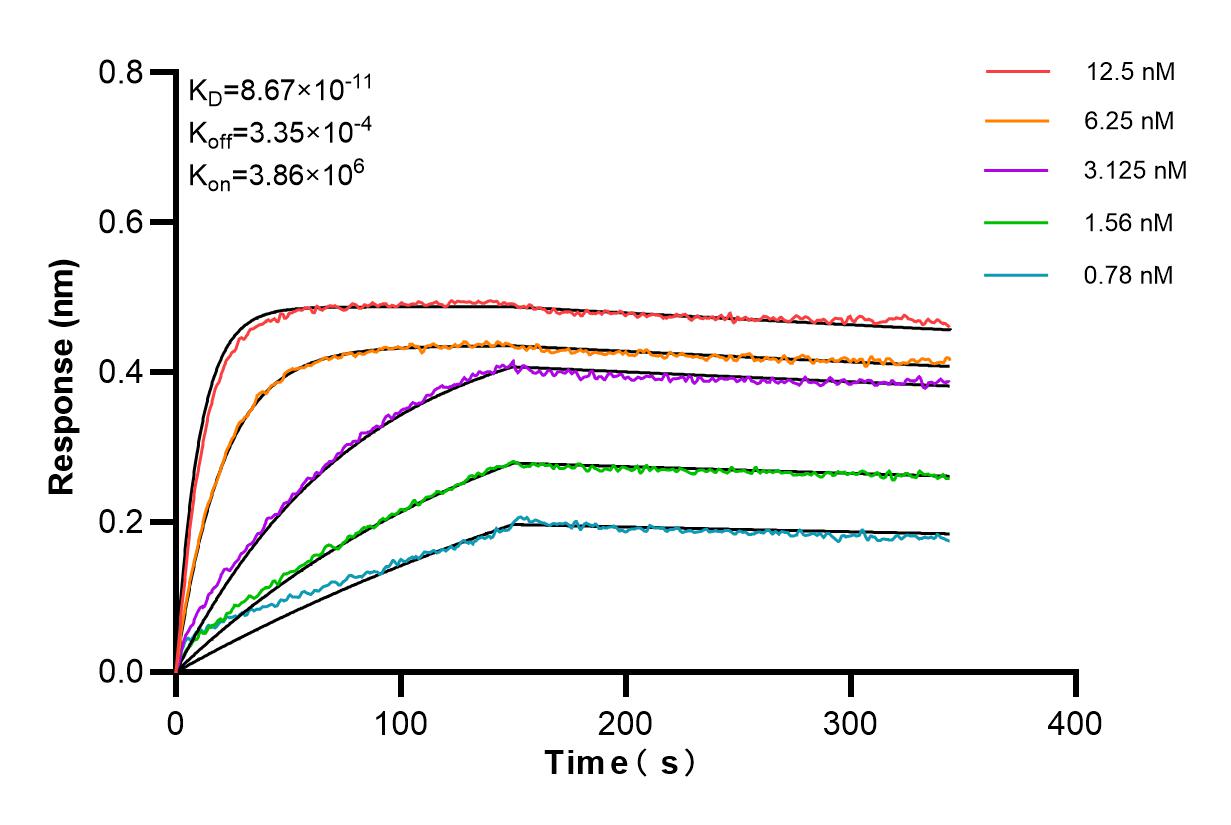
Tested Applications
Recommended dilution
| Application | Dilution |
|---|---|
| It is recommended that this reagent should be titrated in each testing system to obtain optimal results. | |
Product Information
84508-3-PBS targets CD6 in Indirect ELISA applications and shows reactivity with human samples.
| Tested Reactivity | human |
| Host / Isotype | Rabbit / IgG |
| Class | Recombinant |
| Type | Antibody |
| Immunogen |
CatNo: Eg2079 Product name: Recombinant Human CD6 protein (rFc Tag)(HPLC verified) Source: mammalian cells-derived, pHZ-KIsec-C-rFc Tag: C-rFc Domain: 18-398 aa of BC033755 Sequence: HPSPAPPDQLNTSSAESELWEPGERLPVRLTNGSSSCSGTVEVRLEASWEPACGALWDSRAAEAVCRALGCGGAEAASQLAPPTPELPPPPAAGNTSVAANATLAGAPALLCSGAEWRLCEVVEHACRSDGRRARVTCAENRALRLVDGGGACAGRVEMLEHGEWGSVCDDTWDLEDAHVVCRQLGCGWAVQALPGLHFTPGRGPIHRDQVNCSGAEAYLWDCPGLPGQHYCGHKEDAGAVCSEHQSWRLTGGADRCEGQVEVHFRGVWNTVCDSEWYPSEAKVLCQSLGCGTAVERPKGLPHSLSGRMYYSCNGEELTLSNCSWRFNNSNLCSQSLAARVLCSASRSLHNLSTPEVPASVQTVTIESSVTVKIENKESRE 相同性解析による交差性が予測される生物種 |
| Full Name | CD6 molecule |
| GenBank accession number | BC033755 |
| Gene Symbol | CD6 |
| Gene ID (NCBI) | 923 |
| Conjugate | Unconjugated |
| Form | |
| Form | Liquid |
| Purification Method | Protein A purification |
| UNIPROT ID | P30203 |
| Storage Buffer | PBS only{{ptg:BufferTemp}}7.3 |
| Storage Conditions | Store at -80°C. |
Background Information
CD6 is a type I transmembrane glycoprotein of 105-130 kDa that belongs to the scavenger receptor cysteine-rich superfamily (PMID: 21880988). It is composed of an extracellular region, which consists of three tandem SRCR domains, a transmembrane region, and a cytoplasmic tail devoid of intrinsic catalytic activity but harbouring several phosphorylatable residues suitable for intracellular signal transduction (PMID: 38139340; 23711376). CD6 is expressed by T cells, medullary thymocytes, a subset of B cells and NK cells, and in some cells of the brain (PMID: 1919444; 21178331). CD6 plays a role in lymphocyte activation, proliferation, and survival processes via interaction with its endogenous ligands.