
Validation Data Gallery
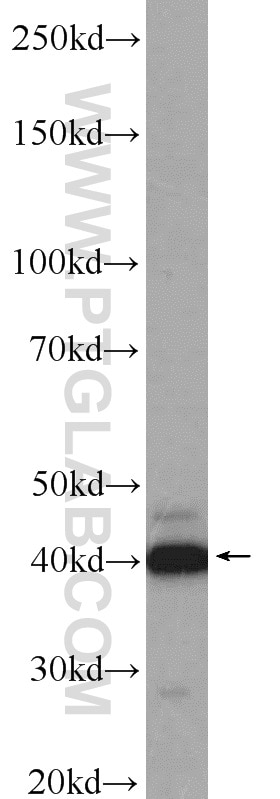
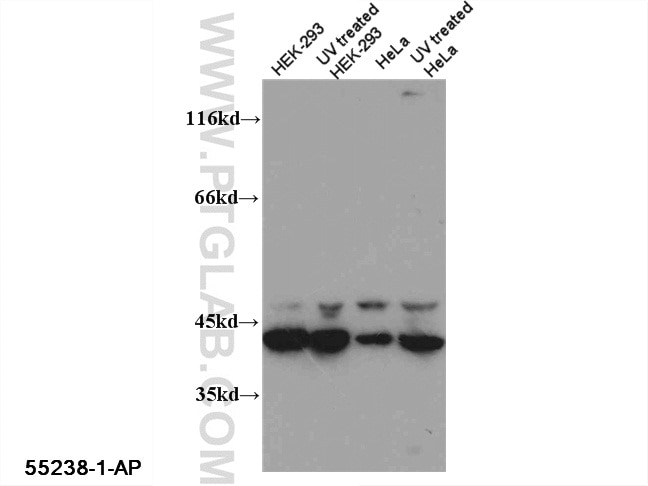
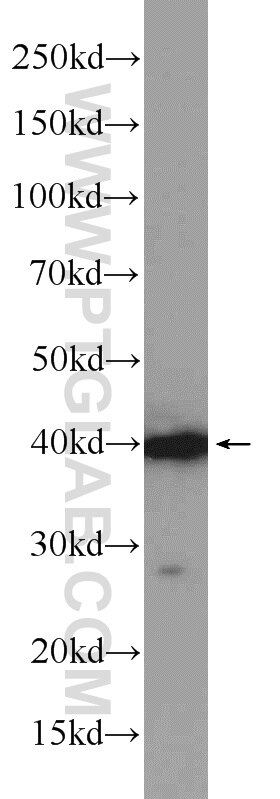
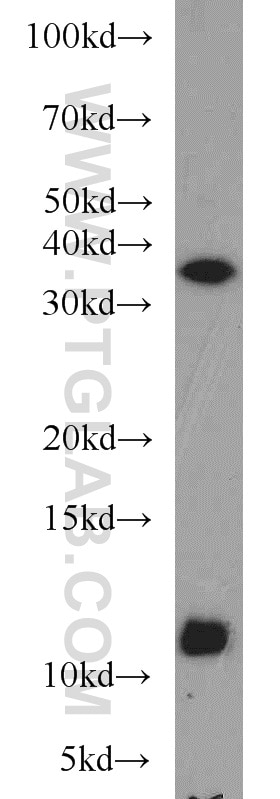
Tested Applications
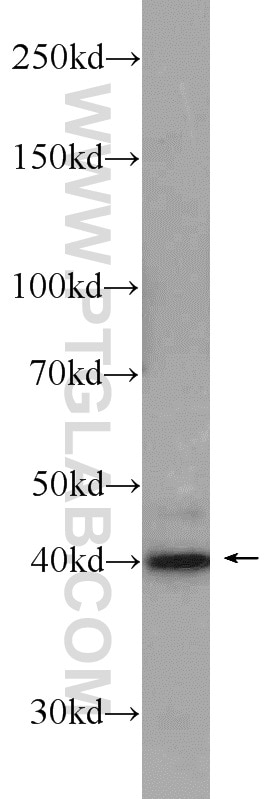
| Positive WB detected in | HEK-293 cells, multi-cells |
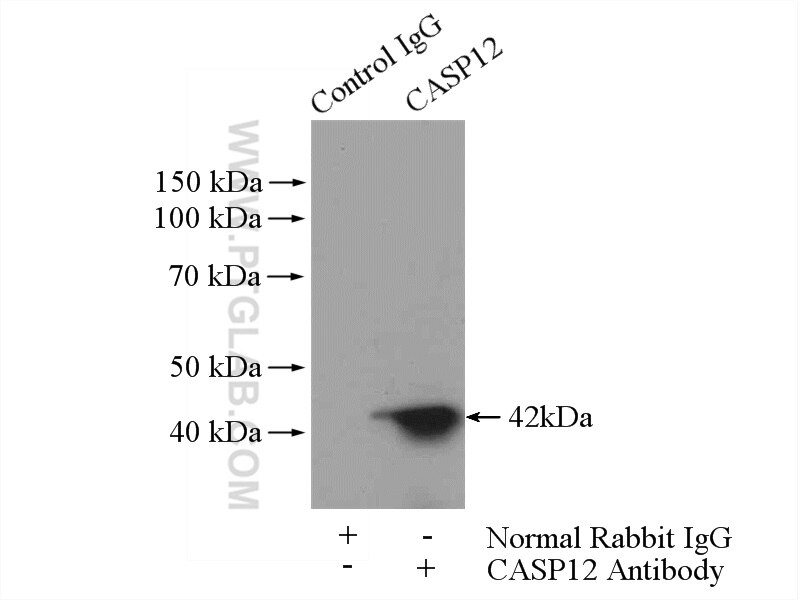
| Positive IP detected in | HEK-293 cells |
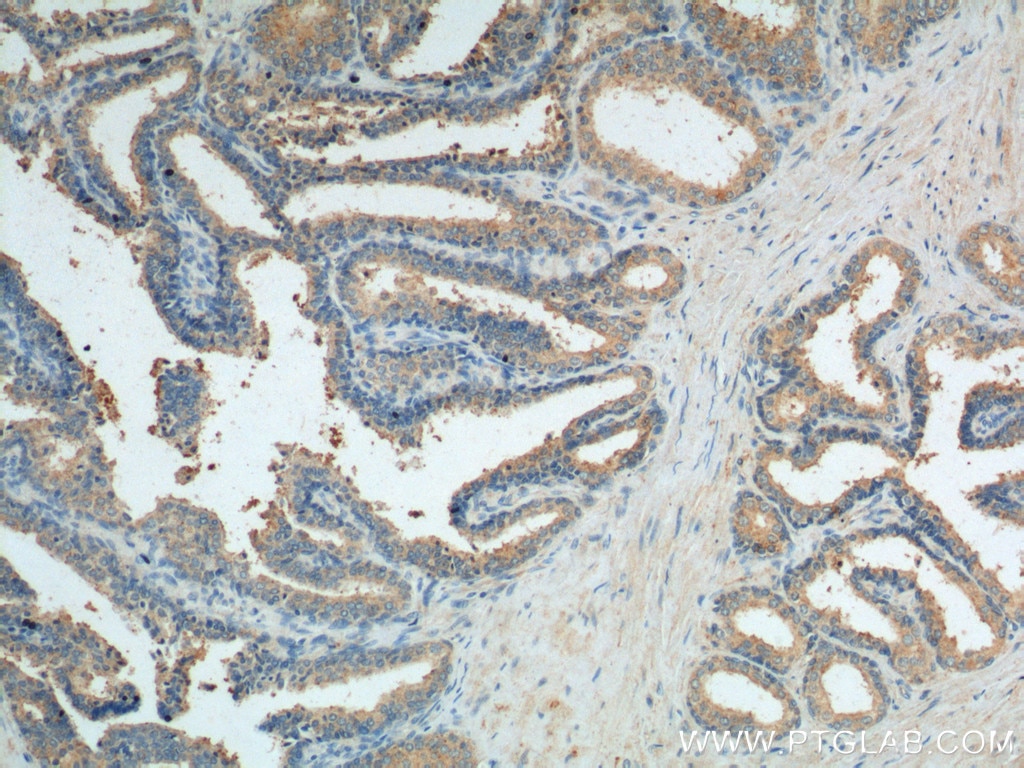
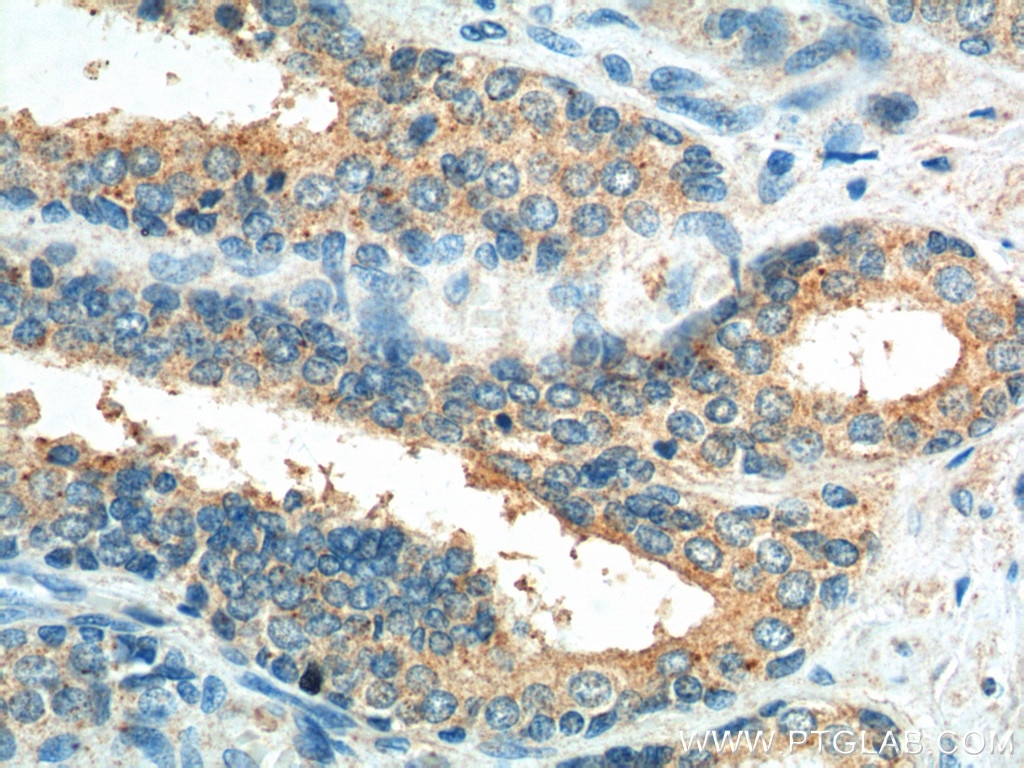
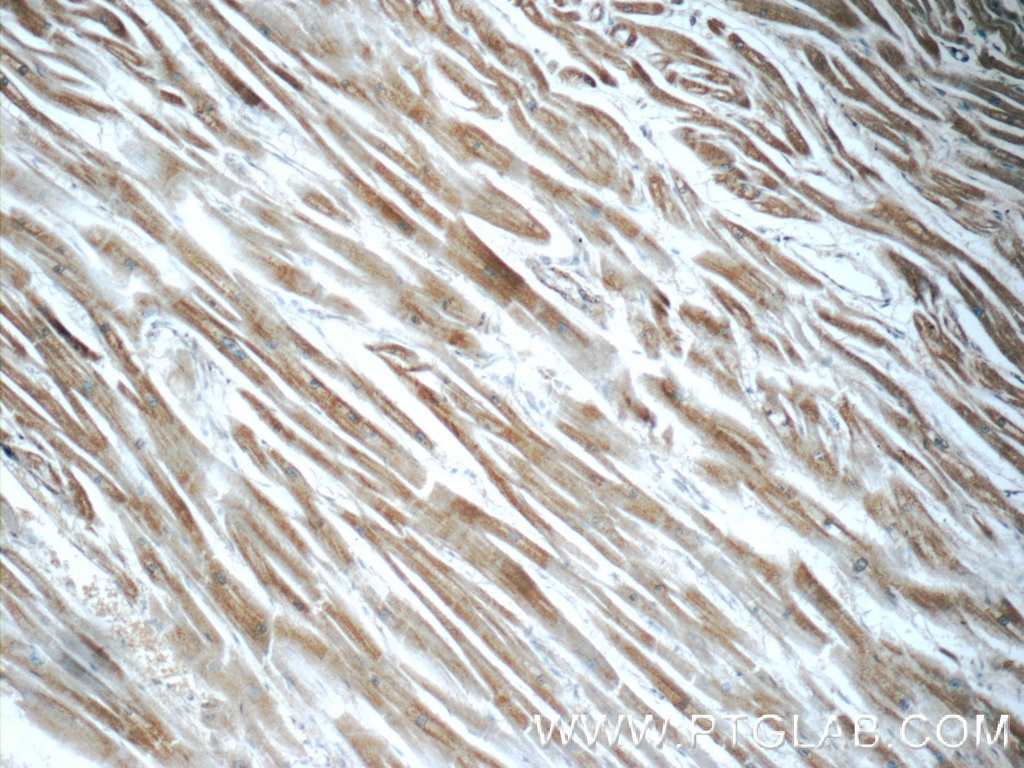
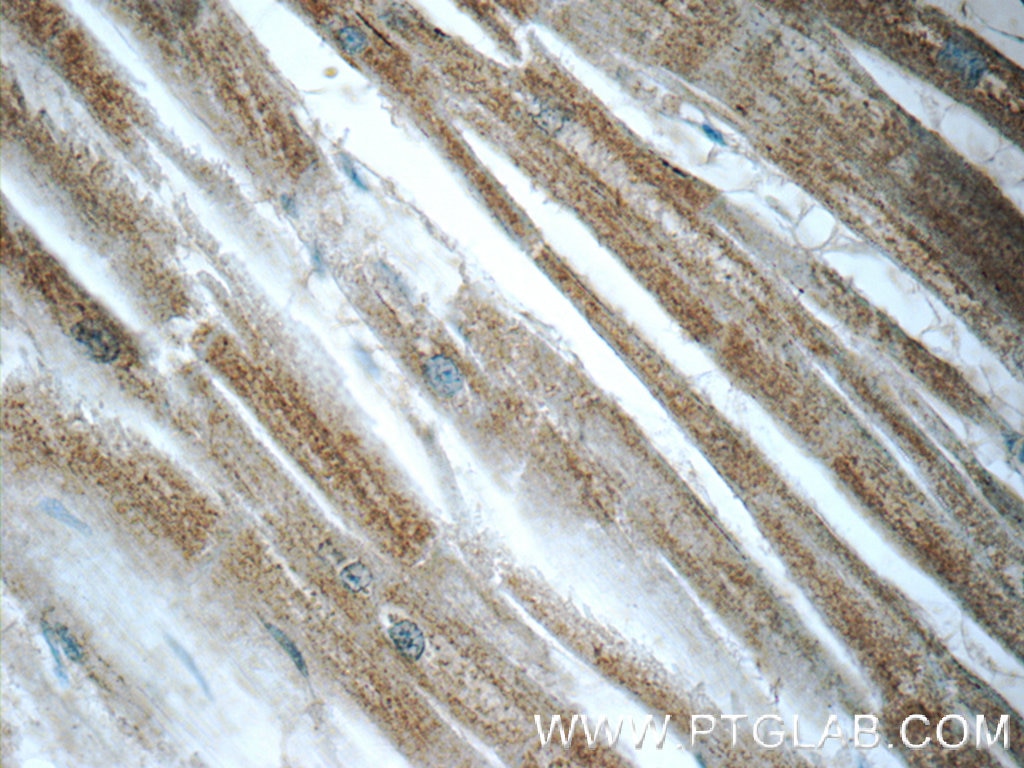
| Positive IHC detected in | human prostate hyperplasia tissue, human heart tissue Note: suggested antigen retrieval with TE buffer pH 9.0; (*) Alternatively, antigen retrieval may be performed with citrate buffer pH 6.0 |
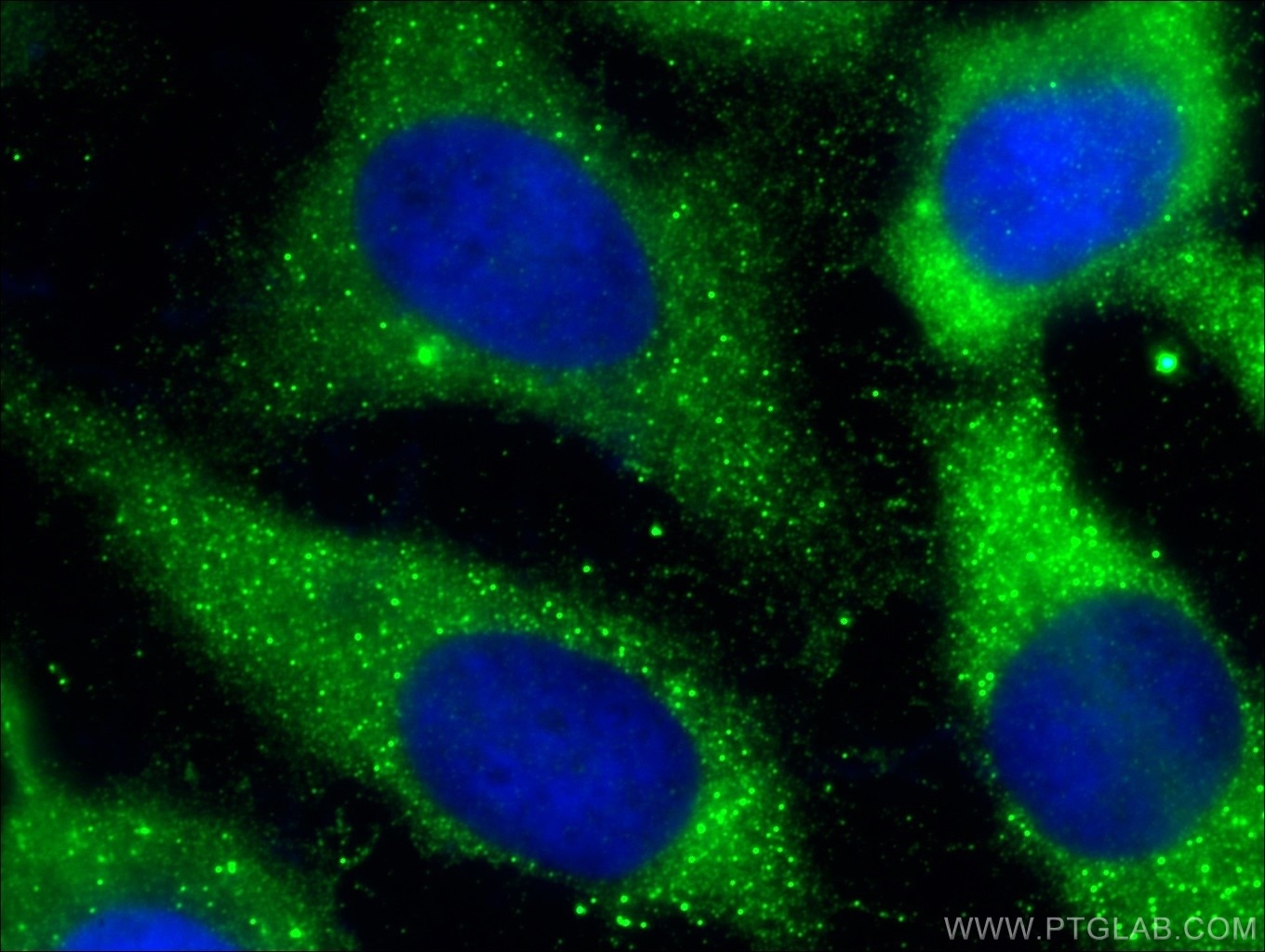
| Positive IF/ICC detected in | HeLa cells |
Recommended dilution
| Application | Dilution |
|---|---|
| Western Blot (WB) | WB : 1:500-1:2000 |
| Immunoprecipitation (IP) | IP : 0.5-4.0 ug for 1.0-3.0 mg of total protein lysate |
| Immunohistochemistry (IHC) | IHC : 1:50-1:500 |
| Immunofluorescence (IF)/ICC | IF/ICC : 1:50-1:500 |
| It is recommended that this reagent should be titrated in each testing system to obtain optimal results. | |
| Sample-dependent, Check data in validation data gallery. | |
Published Applications
| KD/KO | See 1 publications below |
| WB | See 113 publications below |
| IHC | See 6 publications below |
| IF | See 7 publications below |
Product Information
55238-1-AP targets Caspase 12 in WB, IHC, IF/ICC, IP, ELISA applications and shows reactivity with human samples.
| Tested Reactivity | human |
| Cited Reactivity | human, pig, hamster |
| Host / Isotype | Rabbit / IgG |
| Class | Polyclonal |
| Type | Antibody |
| Immunogen |
Peptide 相同性解析による交差性が予測される生物種 |
| Full Name | caspase 12 (gene/pseudogene) |
| Calculated molecular weight | 39 kDa |
| Observed molecular weight | 36-42 kDa, 50 kDa |
| GenBank accession number | NR_000035 |
| Gene Symbol | Caspase 12 |
| Gene ID (NCBI) | 120329 |
| RRID | AB_10892670 |
| Conjugate | Unconjugated |
| Form | |
| Form | Liquid |
| Purification Method | Antigen affinity purification |
| Storage Buffer | PBS with 0.02% sodium azide and 50% glycerol{{ptg:BufferTemp}}7.3 |
| Storage Conditions | Store at -20°C. Stable for one year after shipment. Aliquoting is unnecessary for -20oC storage. |
Background Information
Caspase 12 is an enzyme known as a cysteine protease. It belongs to a family of enzymes called caspases that cleave their substrates at C-terminal aspartic acid residues. It is most highly related to members of the ICE subfamily of caspases that process inflammatory cytokines. Caspase-12 is located in the endoplasmic reticulum (ER). It is responsible for ER-stress-induced apoptosis, such as high calcium concentration, low oxygen and low glucose levels. Caspase-12 Antibody detects endogenous levels of full-length caspase-12 protein (50 kDa) and its cleaved product (40-44 kDa). This antibody does not cross-react with other caspases.
Protocols
| Product Specific Protocols | |
|---|---|
| IF protocol for Caspase 12 antibody 55238-1-AP | Download protocol |
| IHC protocol for Caspase 12 antibody 55238-1-AP | Download protocol |
| IP protocol for Caspase 12 antibody 55238-1-AP | Download protocol |
| WB protocol for Caspase 12 antibody 55238-1-AP | Download protocol |
| Standard Protocols | |
|---|---|
| Click here to view our Standard Protocols |
Publications
| Species | Application | Title |
|---|---|---|
Bioact Mater Novel neutrophil extracellular trap-related mechanisms in diabetic wounds inspire a promising treatment strategy with hypoxia-challenged small extracellular vesicles | ||
Autophagy SARS-CoV-2 ORF3a induces RETREG1/FAM134B-dependent reticulophagy and triggers sequential ER stress and inflammatory responses during SARS-CoV-2 infection. | ||
Theranostics Exosomes from mesenchymal stem cells modulate endoplasmic reticulum stress to protect against nucleus pulposus cell death and ameliorate intervertebral disc degeneration in vivo. | ||
Adv Sci (Weinh) Intrinsically Mitochondria-Targeting Nanozyme via Coordination-Assembly of Natural Quercetin for Cascade Antioxidant Therapy of Cerebral Ischemia-Reperfusion Injury. | ||
Asian J Pharm Sci Enhanced photodynamic therapy/photothermo therapy for nasopharyngeal carcinoma via a tumour microenvironment-responsive self-oxygenated drug delivery system. | ||
Cell Death Dis Betulinic acid chemosensitizes breast cancer by triggering ER stress-mediated apoptosis by directly targeting GRP78. |