
Validation Data Gallery
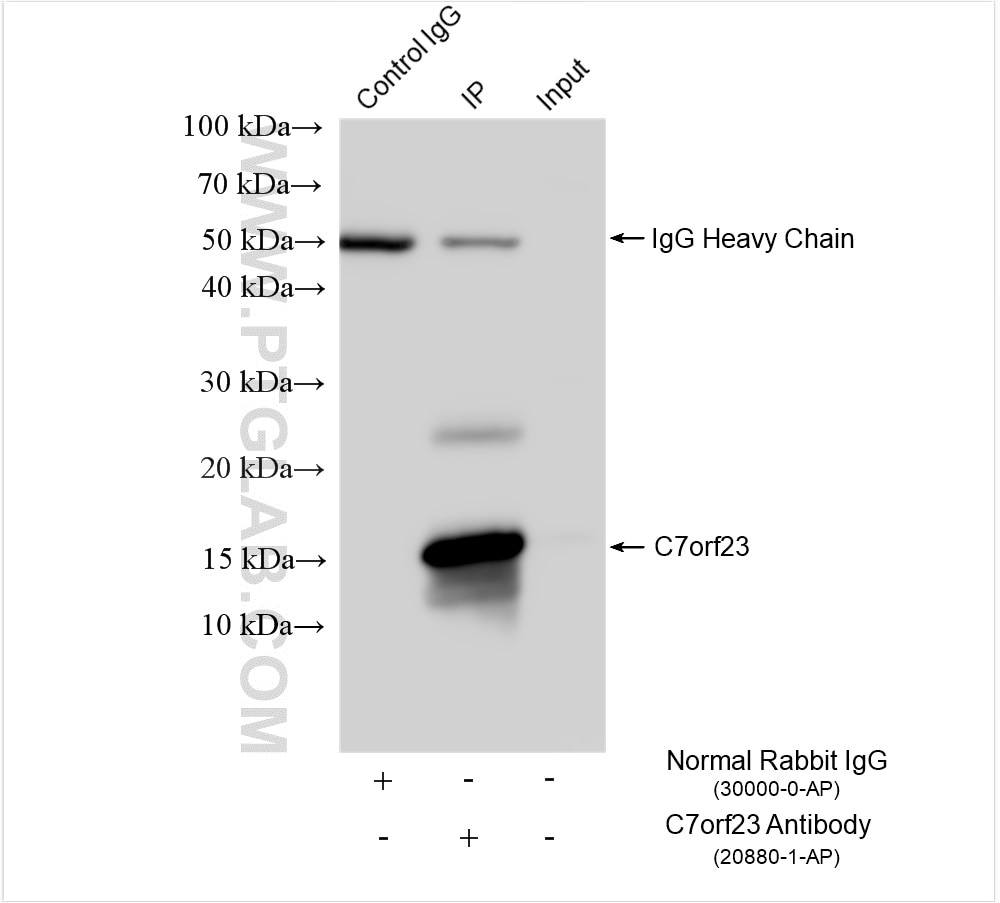
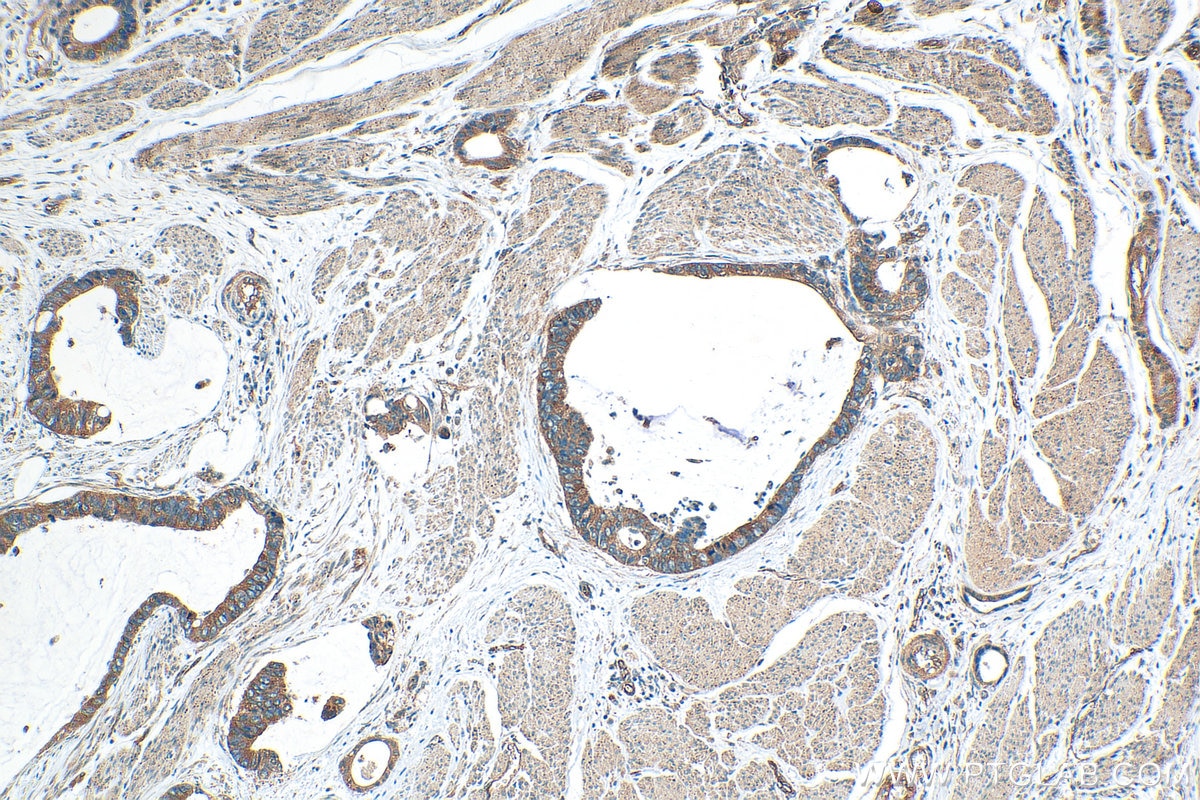
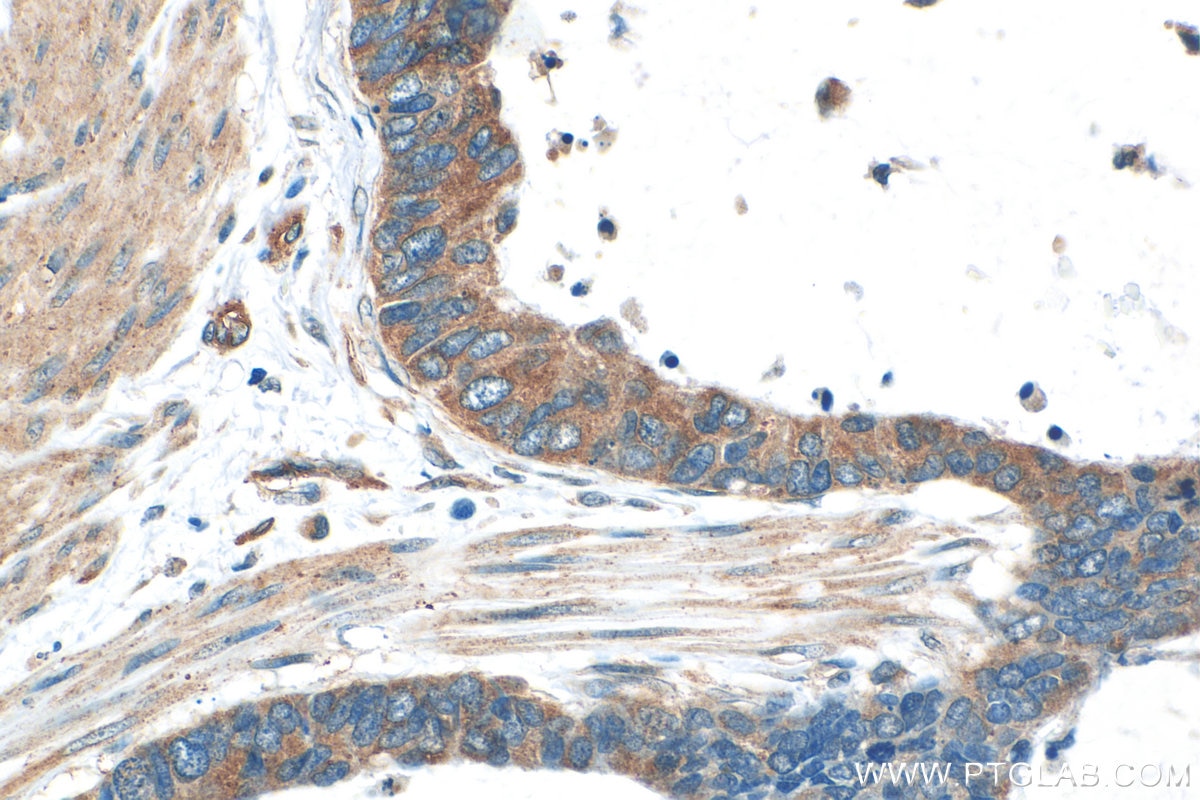
Tested Applications
Recommended dilution
| Application | Dilution |
|---|---|
| It is recommended that this reagent should be titrated in each testing system to obtain optimal results. | |
Product Information
20880-1-PBS targets TMEM243 in IHC, IP, Indirect ELISA applications and shows reactivity with human samples.
| Tested Reactivity | human |
| Host / Isotype | Rabbit / IgG |
| Class | Polyclonal |
| Type | Antibody |
| Immunogen |
CatNo: Ag14979 Product name: Recombinant human C7orf23 protein Source: e coli.-derived, PGEX-4T Tag: GST Domain: 1-118 aa of BC002837 Sequence: MEDFATRTYGTSGLDNRPLFGETSAKDRIINLVVGSLTSLLILVTLISAFVFPQLPPKPLNIFFAVCISLSSITACILIYWYRQGDLEPKFRKLIYYIIFSIIMLCICANLYFHDVGR 相同性解析による交差性が予測される生物種 |
| Full Name | chromosome 7 open reading frame 23 |
| Calculated molecular weight | 118 aa, 13 kDa |
| Observed molecular weight | 16 kDa |
| GenBank accession number | BC002837 |
| Gene Symbol | C7orf23 |
| Gene ID (NCBI) | 79161 |
| RRID | AB_3742006 |
| Conjugate | Unconjugated |
| Form | |
| Form | Liquid |
| Purification Method | Antigen affinity purification |
| UNIPROT ID | Q9BU79 |
| Storage Buffer | PBS only{{ptg:BufferTemp}}7.3 |
| Storage Conditions | Store at -80°C. |
Background Information
C7orf23, also known as TMEM243, encodes a membrane protein that may be associated with drug tolerance in cells. The C7orf23 gene is capable of generating at least 12 different splice variants, 10 of which are capable of encoding 7 different protein isoforms, some of which contain transmembrane structural domains. Recent studies have shown that C7orf23 is significantly up-regulated and highly sensitive in blood samples from PD patients, revealing its potential as a future biomarker for PD diagnosis.