
Validation Data Gallery
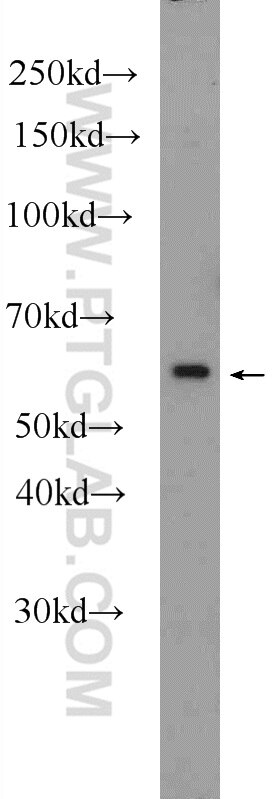
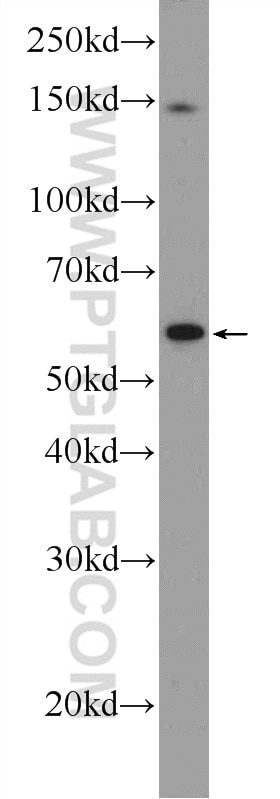
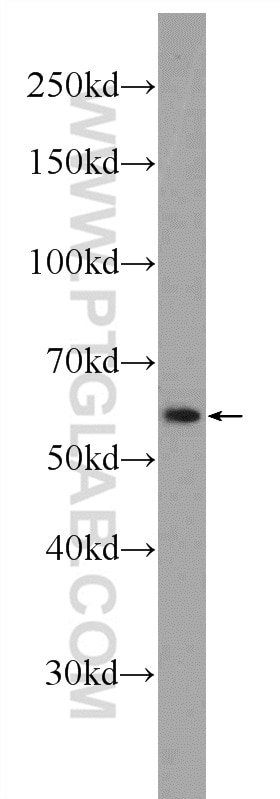
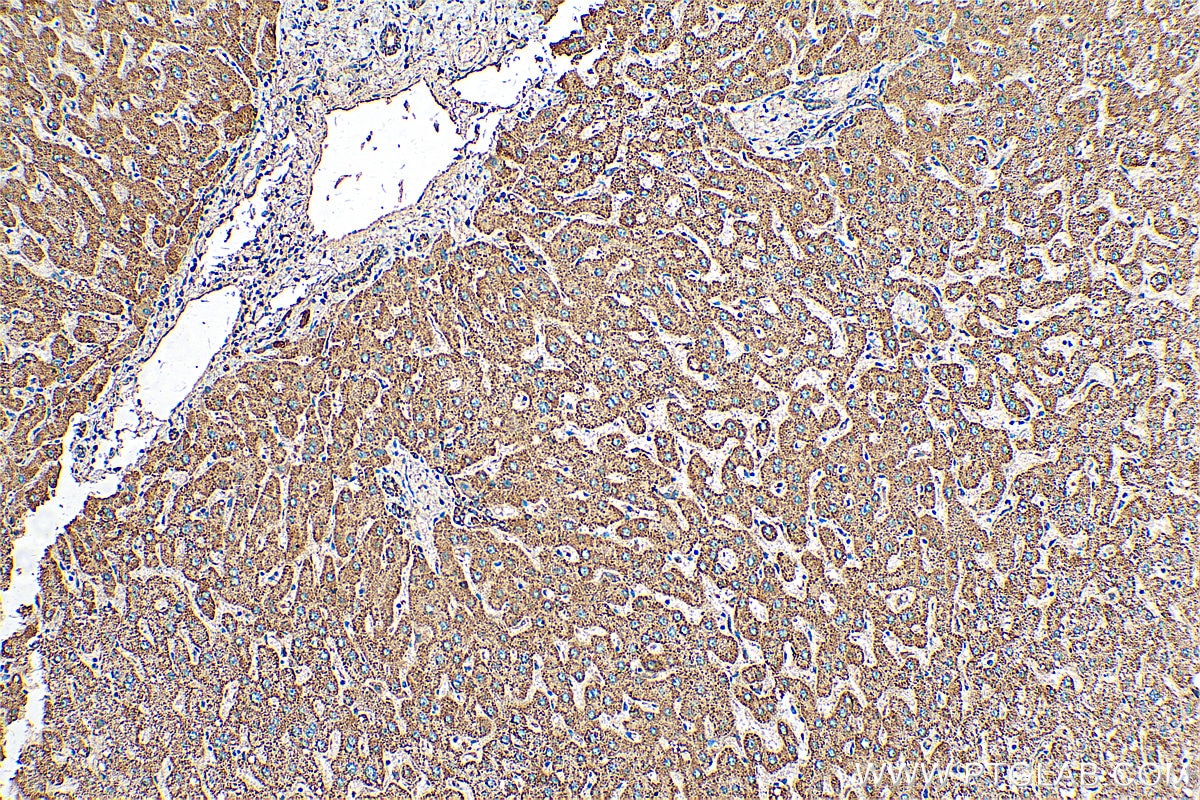
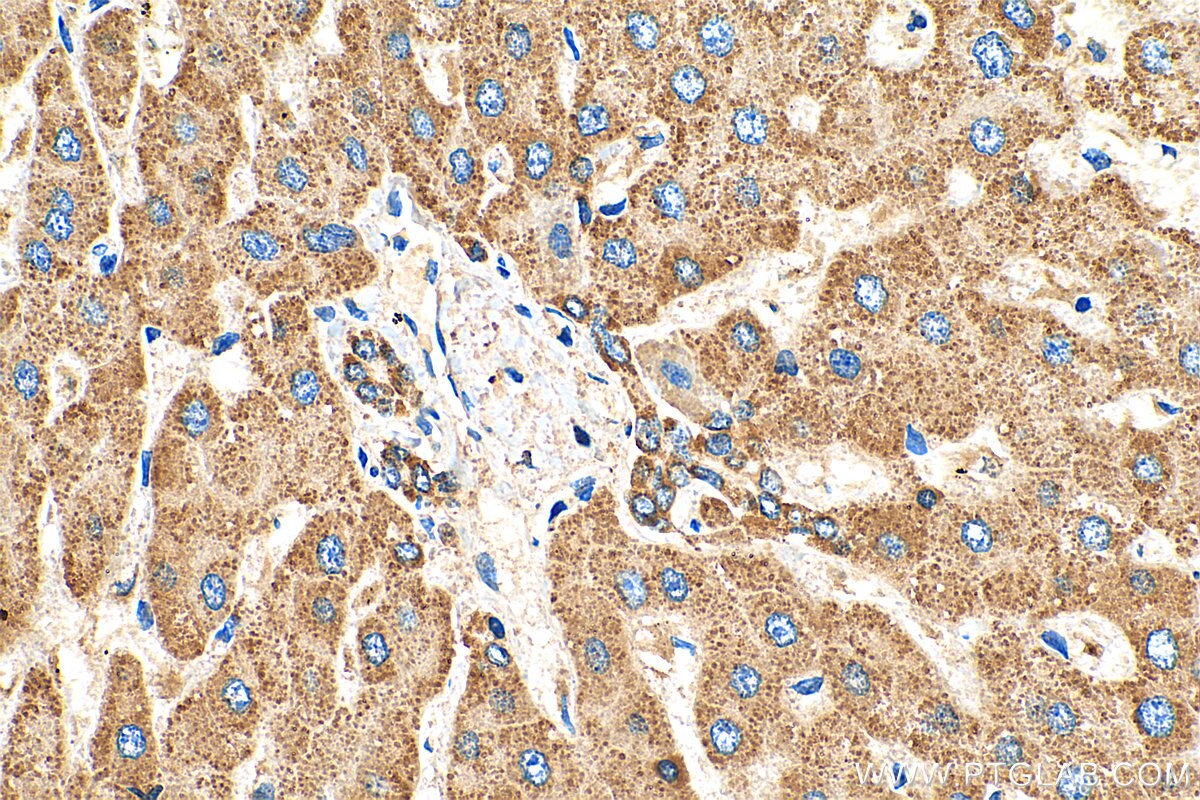
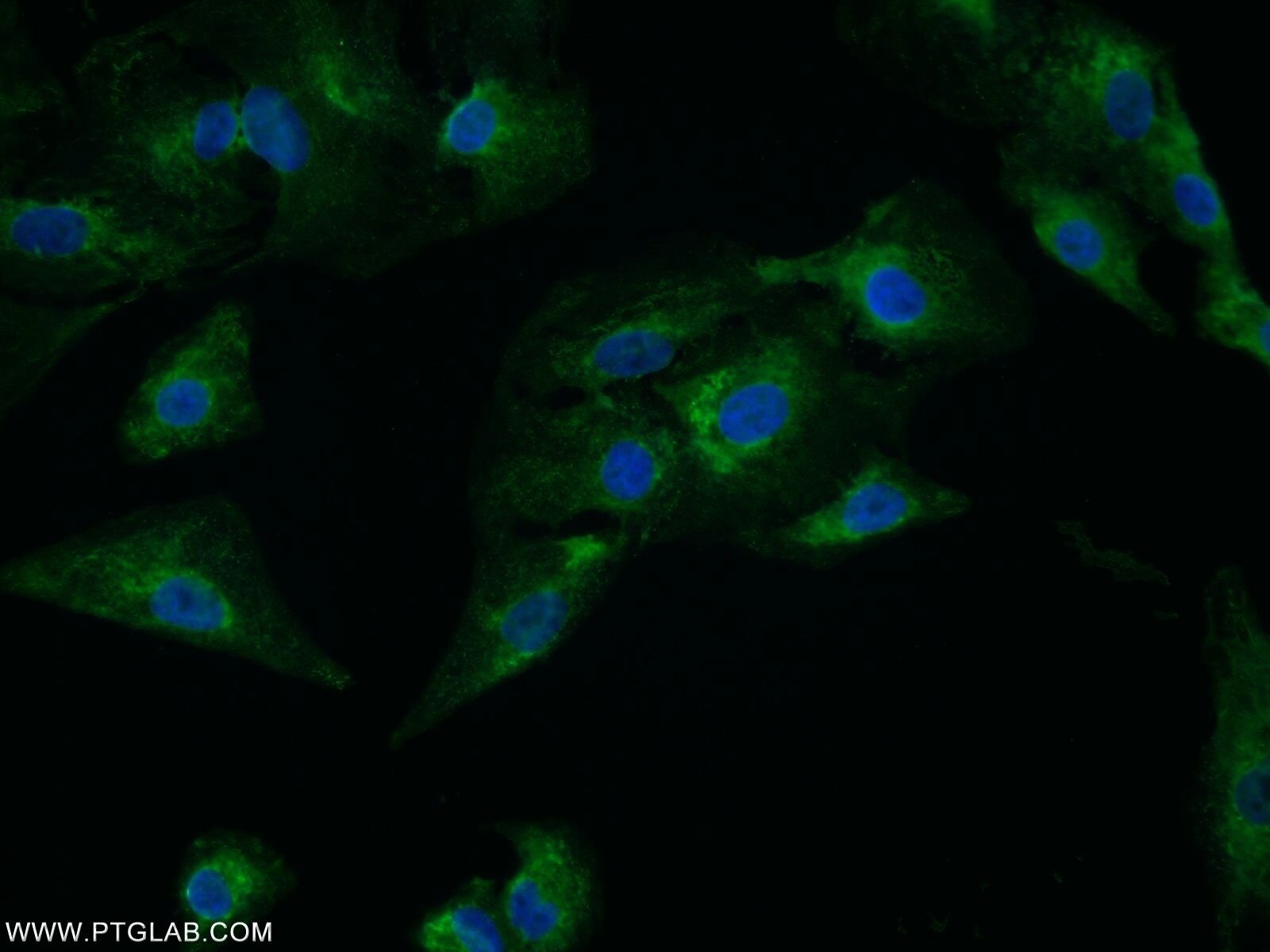
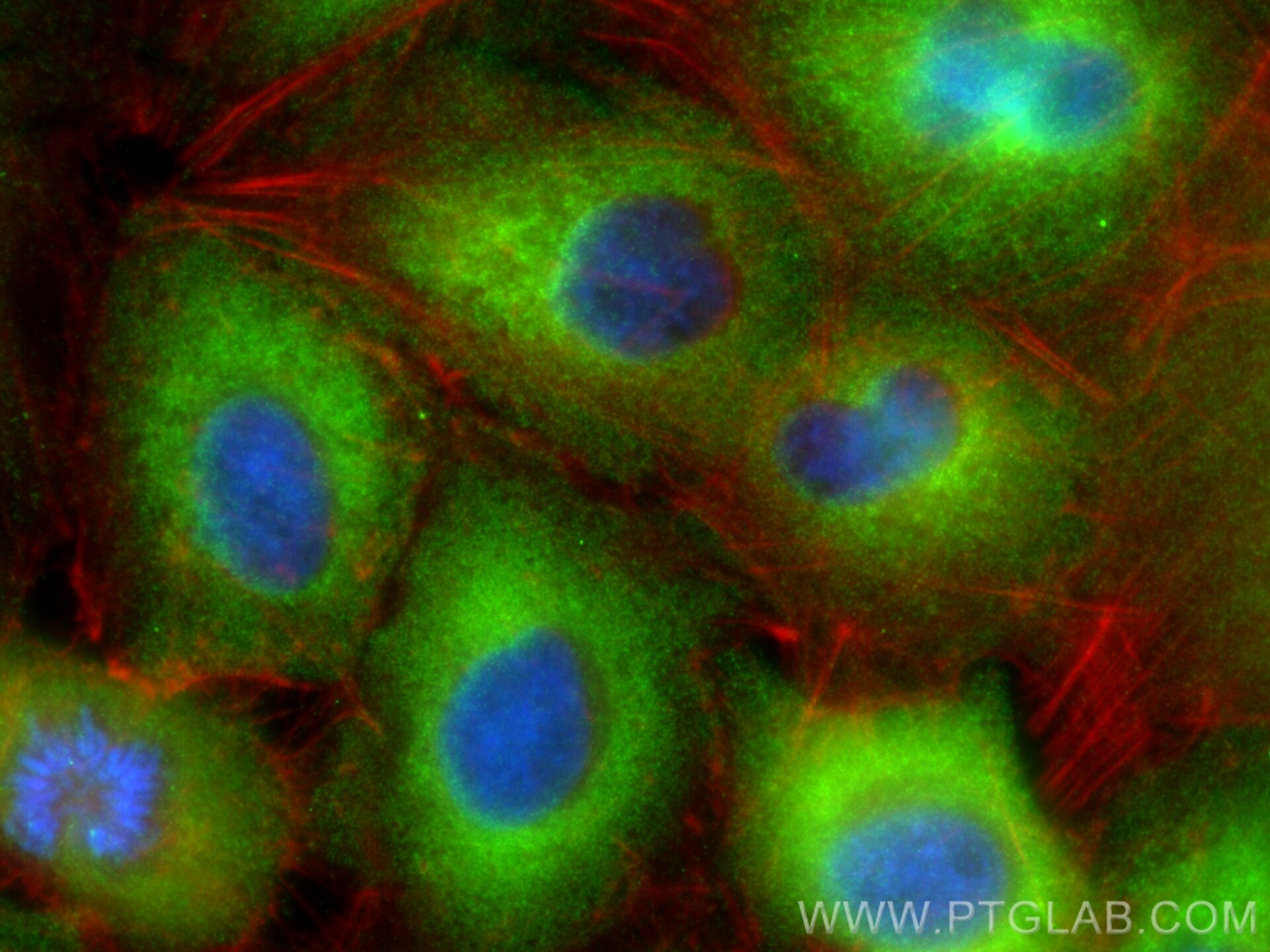
Tested Applications
Recommended dilution
| Application | Dilution |
|---|---|
| It is recommended that this reagent should be titrated in each testing system to obtain optimal results. | |
Product Information
25036-1-PBS targets ABHD18 in WB, IHC, IF/ICC, Indirect ELISA applications and shows reactivity with human, mouse samples.
| Tested Reactivity | human, mouse |
| Host / Isotype | Rabbit / IgG |
| Class | Polyclonal |
| Type | Antibody |
| Immunogen |
CatNo: Ag19120 Product name: Recombinant human C4orf29 protein Source: e coli.-derived, PET28a Tag: 6*His Domain: 209-332 aa of BC128143 Sequence: TSEGLLLQDTSKMKRFNQTLSTNKSGYTSRNPQSYHLLSKEQSRNSLRKESLIFMKGVMDECTHVANFSVPVDPSLIIVVQAKEDAYIPRTGVRSLQEIWPGCEIRYLEGGHISAYLFKQGLFR 相同性解析による交差性が予測される生物種 |
| Full Name | chromosome 4 open reading frame 29 |
| Calculated molecular weight | 414 aa, 47 kDa |
| Observed molecular weight | 60 kDa |
| GenBank accession number | BC128143 |
| Gene Symbol | C4orf29 |
| Gene ID (NCBI) | 80167 |
| RRID | AB_2879862 |
| Conjugate | Unconjugated |
| Form | |
| Form | Liquid |
| Purification Method | Antigen affinity purification |
| UNIPROT ID | Q0P651 |
| Storage Buffer | PBS only{{ptg:BufferTemp}}7.3 |
| Storage Conditions | Store at -80°C. |
Background Information
ABHD18 (α/β hydrolase domain-containing protein 18) is a transmembrane protein in mammals whose function has not yet been fully elucidated. It belongs to the large α/β hydrolase superfamily, whose members typically possess hydrolase activity and are involved in a variety of metabolic reactions. The ABHD18 protein is localized on the lysosomal membrane and may participate in intracellular lipid metabolism or signal transduction processes. Recent studies have shown that ABHD18 is the key enzyme in human cells that catalyzes the deacylation of cardiolipin to MLCL. The loss of ABHD18 function can significantly alleviate mitochondrial supercomplex defects, energy metabolism disorders, and cardiomyopathy phenotypes caused by TAZ deficiency, even achieving a "genetic suppression" effect in mice and patient cells. This not only reveals ABHD18 as a core node in the cardiolipin remodeling pathway but also provides an entirely new therapeutic approach for mitochondrial diseases such as Barth syndrome.