
Validation Data Gallery
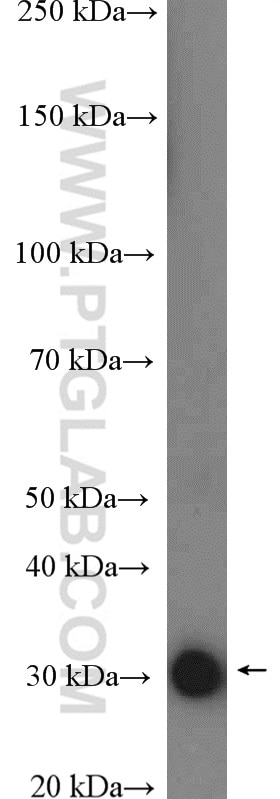
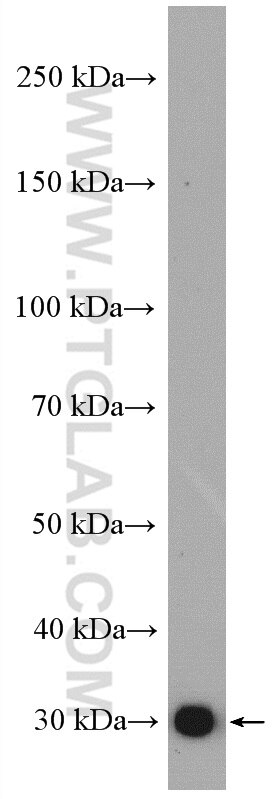
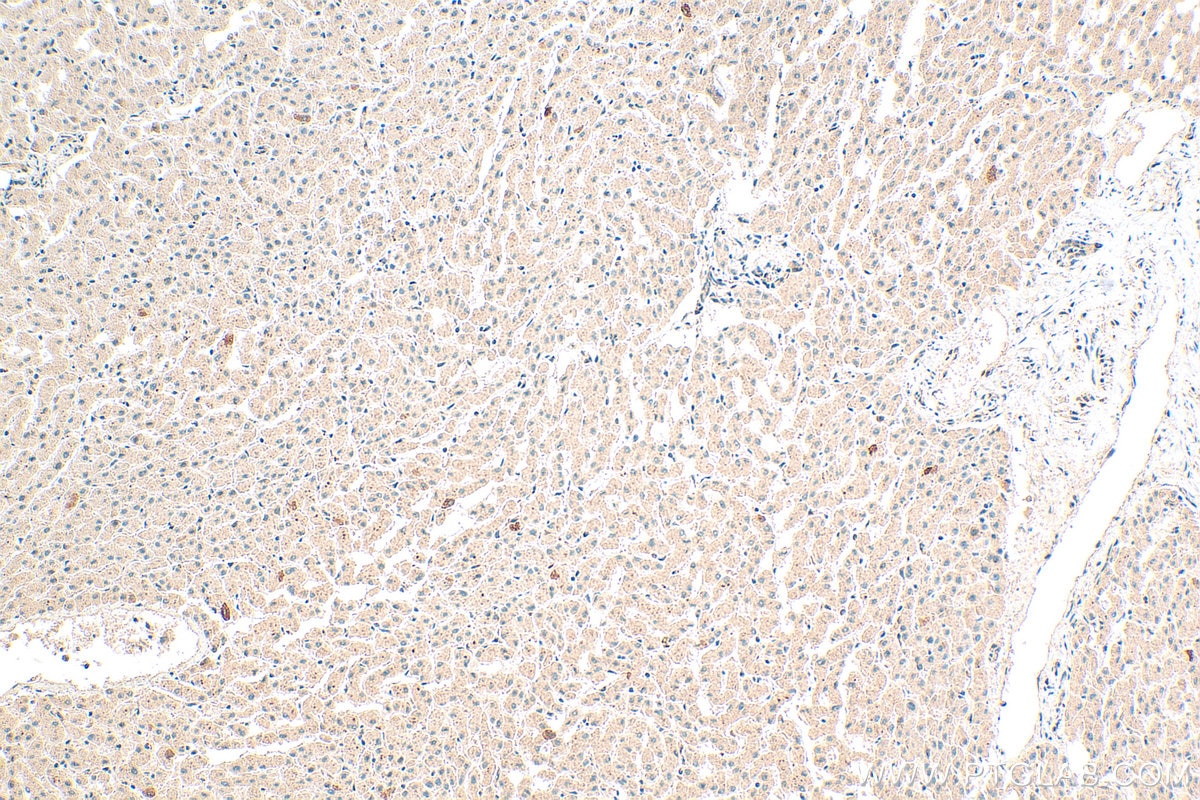
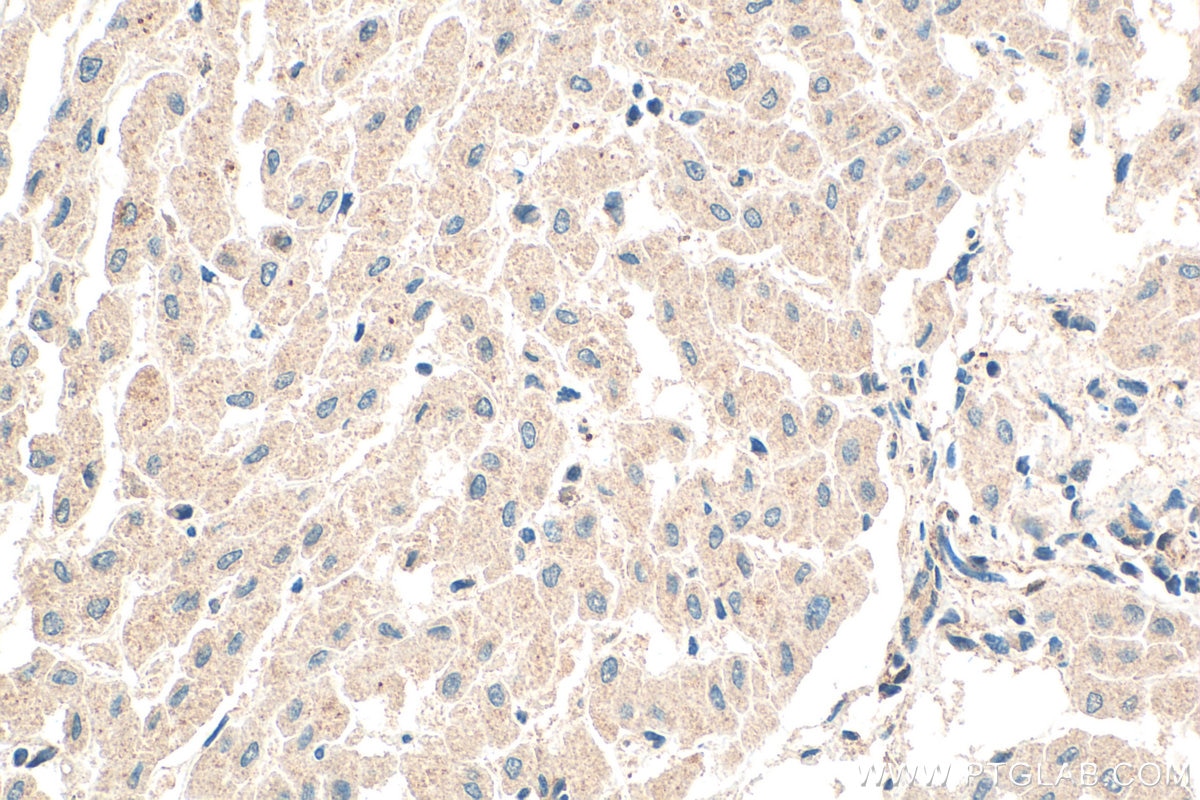
Tested Applications
Recommended dilution
| Application | Dilution |
|---|---|
| It is recommended that this reagent should be titrated in each testing system to obtain optimal results. | |
Product Information
16608-1-PBS targets APOF in WB, IHC, Indirect ELISA applications and shows reactivity with human samples.
| Tested Reactivity | human |
| Host / Isotype | Rabbit / IgG |
| Class | Polyclonal |
| Type | Antibody |
| Immunogen |
CatNo: Ag9824 Product name: Recombinant human APOF protein Source: e coli.-derived, PET28a Tag: 6*His Domain: 37-326 aa of BC026257 Sequence: TSYGKQTNVLMHFPLSLESQTPSSDPLSCQFLHPKSLPGFSHMAPLPKFLVSLALRNALEEAGCQADVWALQLQLYRQGGVNATQVLIQHLRGLQKGRSTERNVSVEALASALQLLAREQQSTGRVGRSLPTEDCENEKEQAVHNVVQLLPGVGTFYNLGTALYYATQNCLGKARERGRDGAIDLGYDLLMTMAGMSGGPMGLAISAALKPALRSGVQQLIQYYQDQKDANISQPETTKEGLRAISDVSDLEETTTLASFISEVVSSAPYWGWAIIKSYDLDPGAGSLEI 相同性解析による交差性が予測される生物種 |
| Full Name | apolipoprotein F |
| Calculated molecular weight | 326 aa, 35 kDa |
| Observed molecular weight | 30-33 kDa |
| GenBank accession number | BC026257 |
| Gene Symbol | APOF |
| Gene ID (NCBI) | 319 |
| RRID | AB_2058253 |
| Conjugate | Unconjugated |
| Form | |
| Form | Liquid |
| Purification Method | Antigen affinity purification |
| UNIPROT ID | Q13790 |
| Storage Buffer | PBS only{{ptg:BufferTemp}}7.3 |
| Storage Conditions | Store at -80°C. |
Background Information
APOF protein, full name Apolipoprotein F, also known as Lipid transfer inhibitor protein (LTIP), belongs to the apolipoprotein F family. This protein is primarily expressed by the liver and secreted into the plasma. Its core function is to act as a cholesterol transport regulator, modulating the transport of cholesterol among plasma lipoproteins by inhibiting the activity of cholesteryl ester transfer protein (CETP). APOF is initially synthesized as a precursor protein with a theoretical molecular weight of approximately 35.4 kDa. After processing, the mature peptide has a molecular weight of about 17.4 kDa. However, in plasma, due to modifications such as glycosylation, the apparent molecular weight detected experimentally is typically around 33-35 kDa.