
Validation Data Gallery
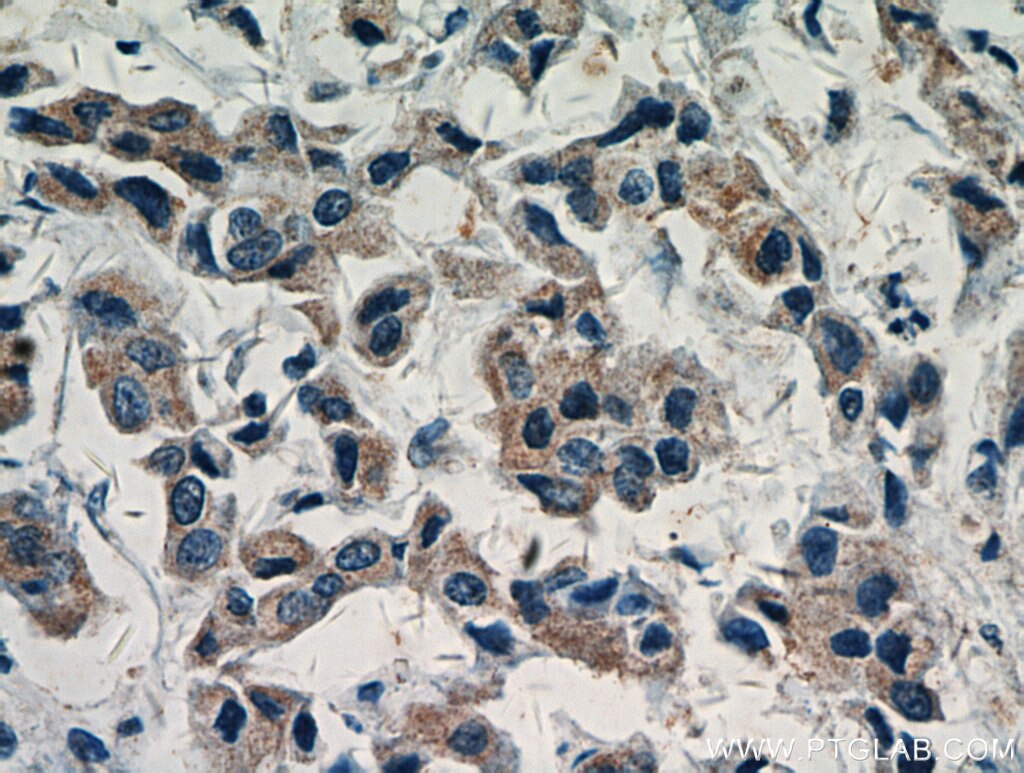
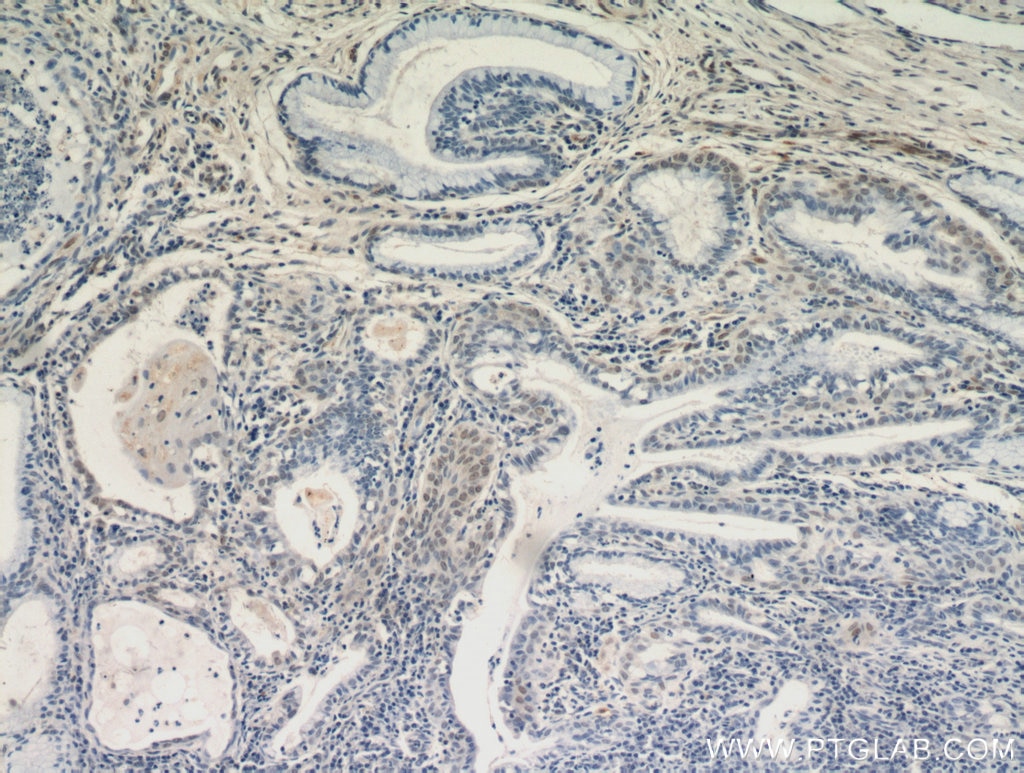
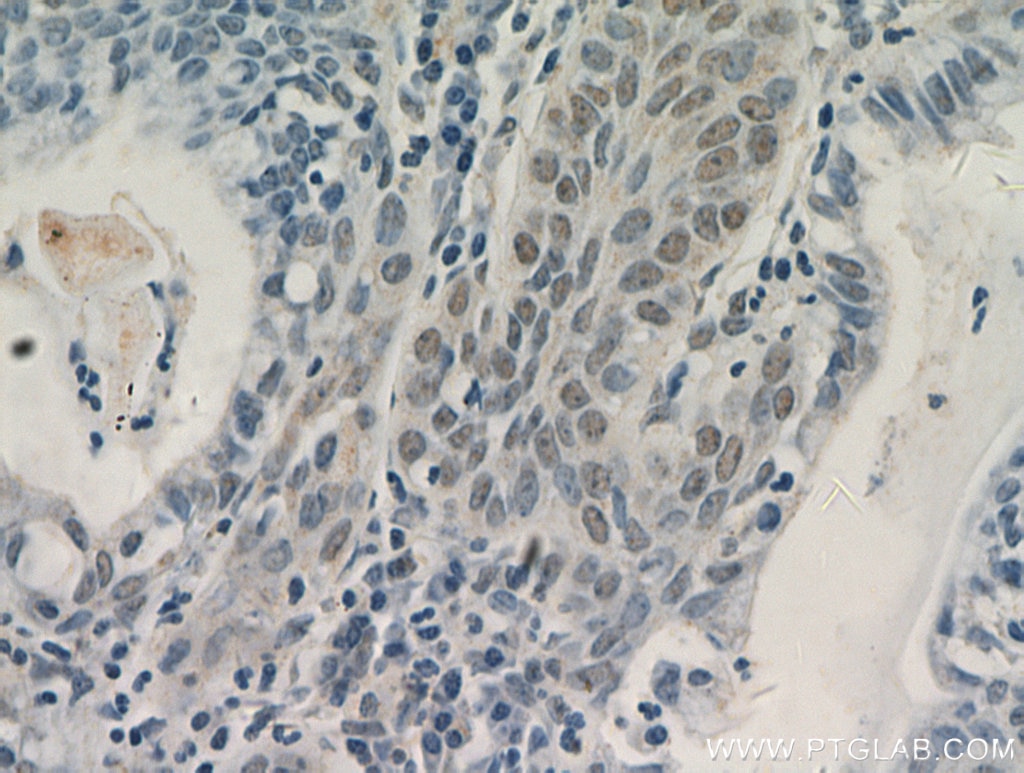
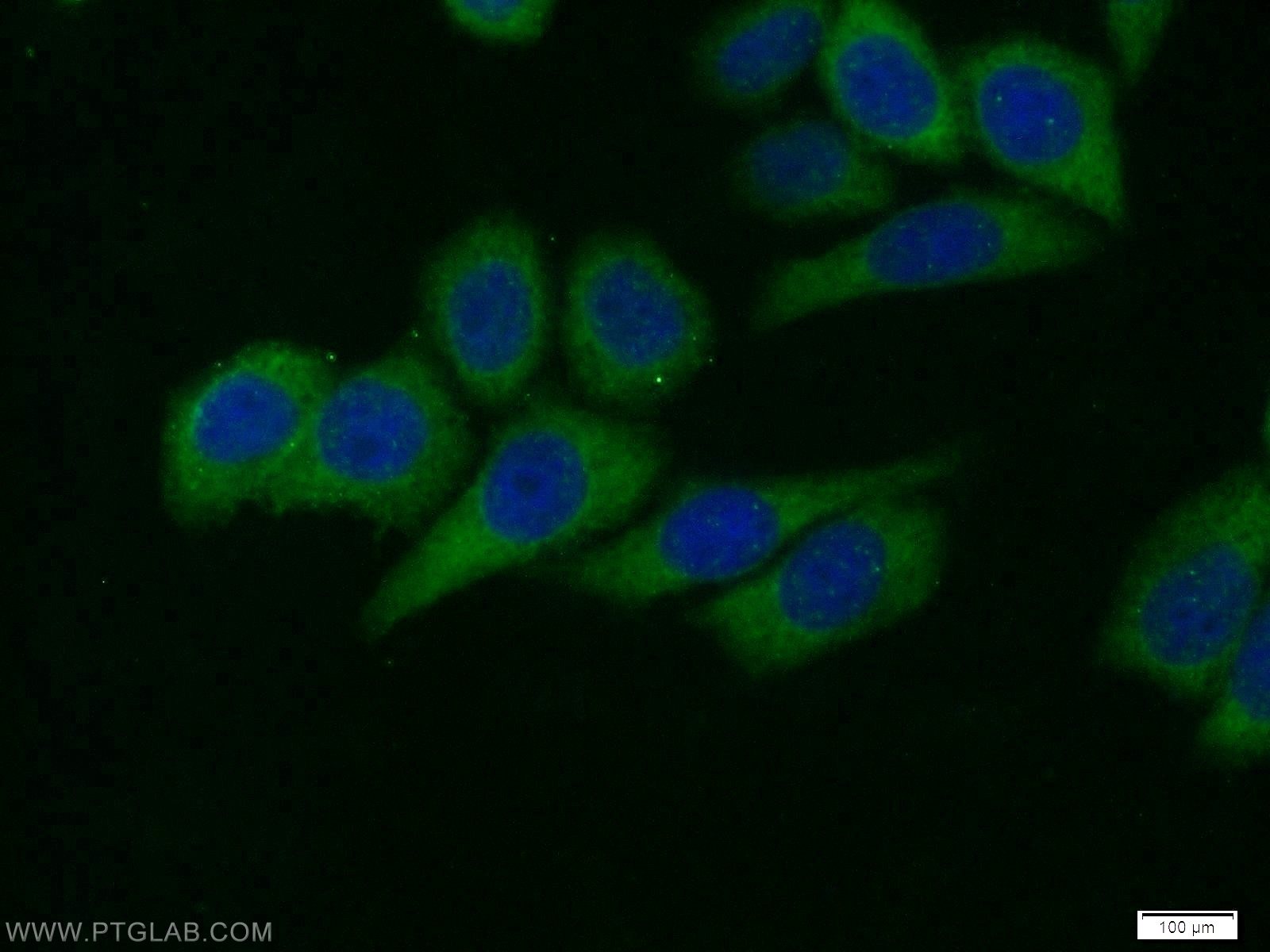
Tested Applications
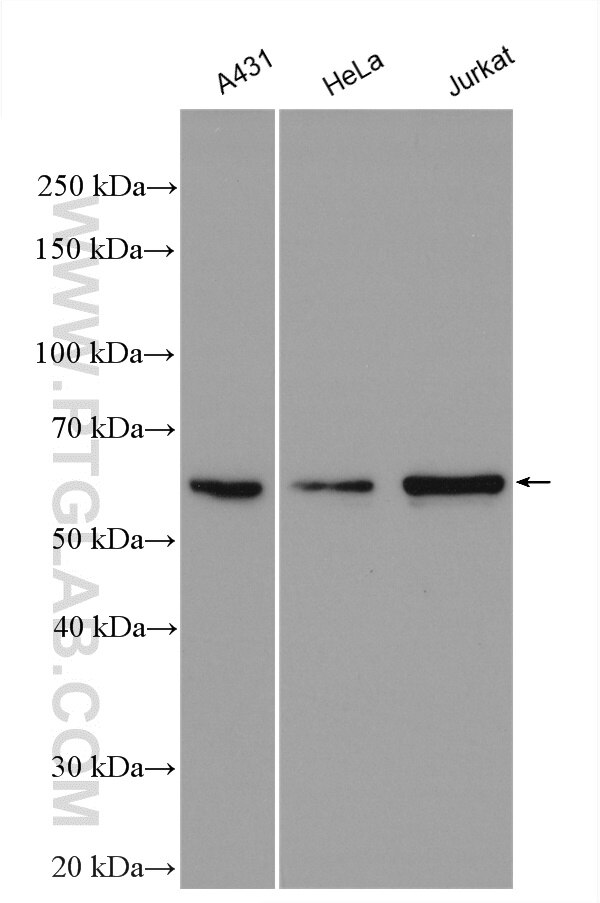
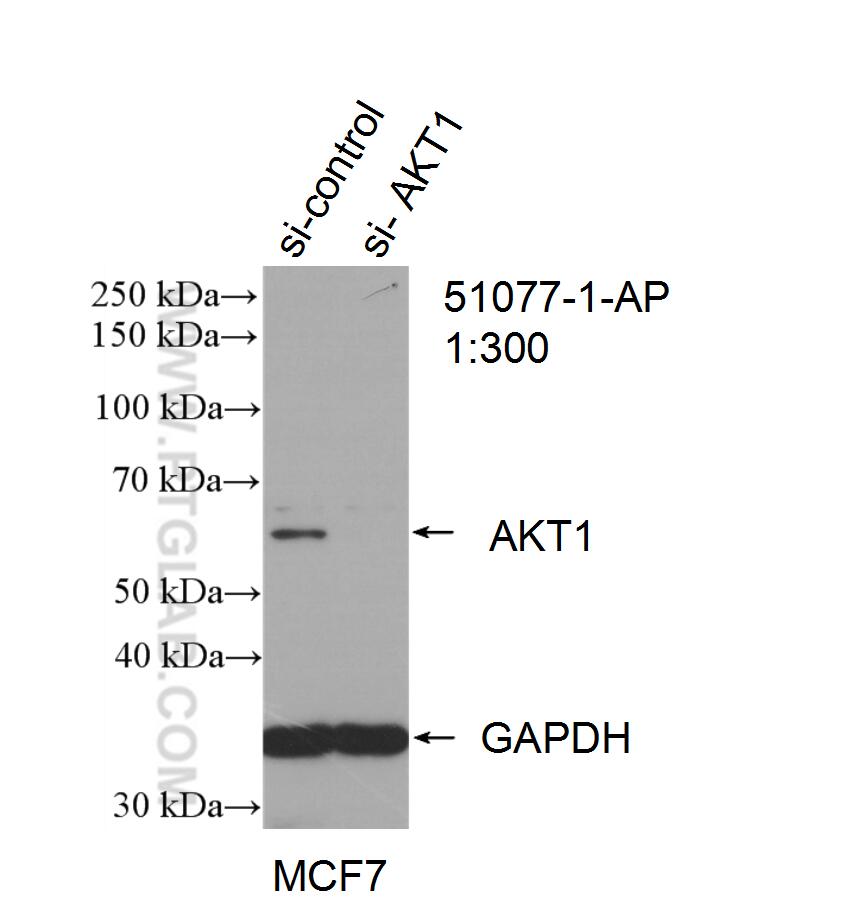
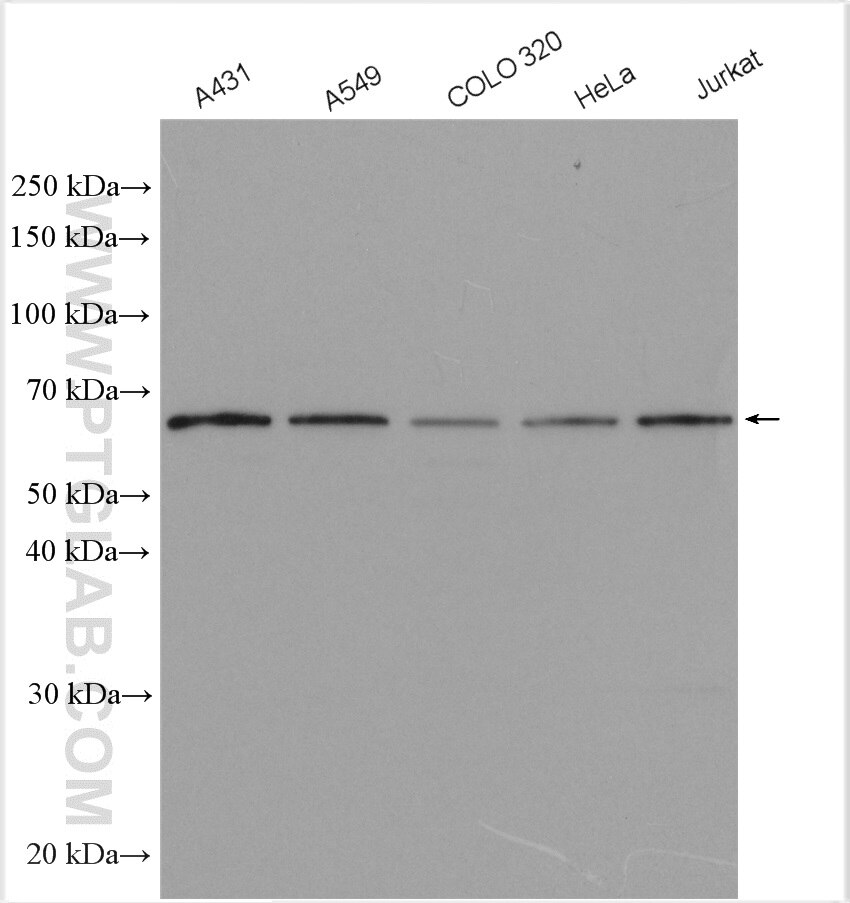
| Positive WB detected in | A431 cells, MCF-7 cells, A549 cells, COLO 320 cells, HeLa cells, Jurkat cells |
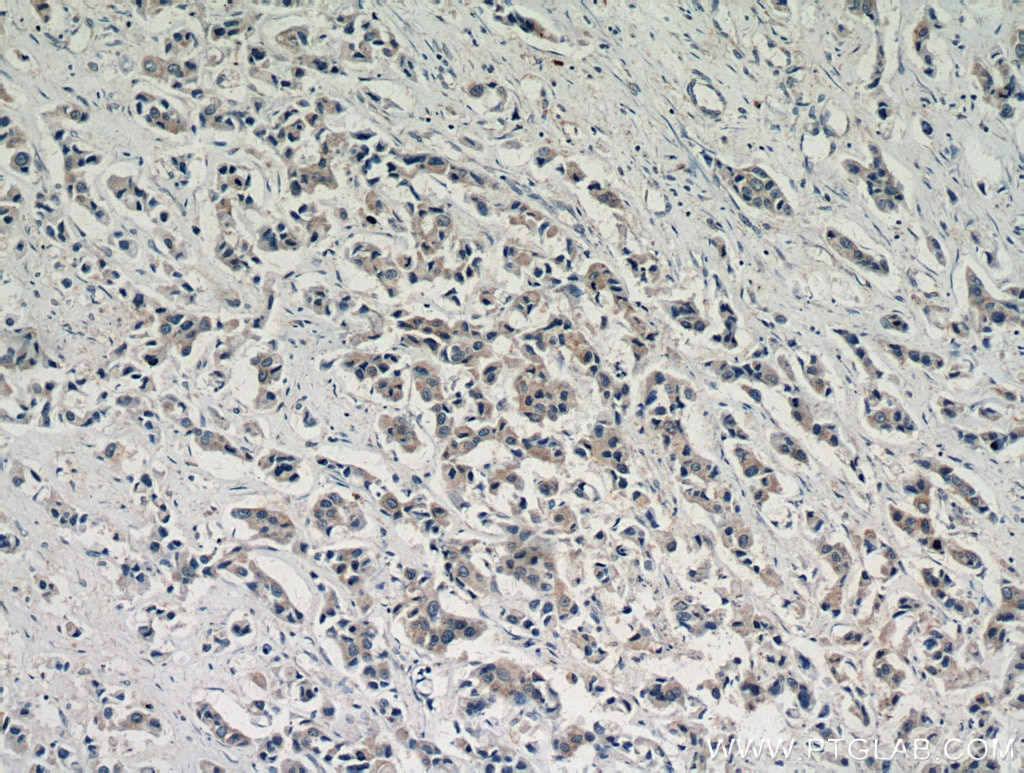
| Positive IHC detected in | human breast cancer tissue, human cervical cancer tissue Note: suggested antigen retrieval with TE buffer pH 9.0; (*) Alternatively, antigen retrieval may be performed with citrate buffer pH 6.0 |
| Positive IF/ICC detected in | HeLa cells |
Recommended dilution
| Application | Dilution |
|---|---|
| Western Blot (WB) | WB : 1:1000-1:8000 |
| Immunohistochemistry (IHC) | IHC : 1:20-1:200 |
| Immunofluorescence (IF)/ICC | IF/ICC : 1:10-1:100 |
| It is recommended that this reagent should be titrated in each testing system to obtain optimal results. | |
| Sample-dependent, Check data in validation data gallery. | |
Published Applications
| WB | See 30 publications below |
| IHC | See 1 publications below |
Product Information
51077-1-AP targets AKT in WB, IHC, IF/ICC, ELISA applications and shows reactivity with human samples.
| Tested Reactivity | human |
| Cited Reactivity | human, mouse, rat |
| Host / Isotype | Rabbit / IgG |
| Class | Polyclonal |
| Type | Antibody |
| Immunogen |
Peptide 相同性解析による交差性が予測される生物種 |
| Full Name | v-akt murine thymoma viral oncogene homolog 1 |
| Calculated molecular weight | 56 kDa |
| Observed molecular weight | 56-62 kDa |
| GenBank accession number | BC084538 |
| Gene Symbol | AKT1 |
| Gene ID (NCBI) | 207 |
| RRID | AB_2242475 |
| Conjugate | Unconjugated |
| Form | |
| Form | Liquid |
| Purification Method | Antigen affinity purification |
| UNIPROT ID | P31749 |
| Storage Buffer | PBS with 0.02% sodium azide and 50% glycerol{{ptg:BufferTemp}}7.3 |
| Storage Conditions | Store at -20°C. Aliquoting is unnecessary for -20oC storage. |
Background Information
The serine-threonine protein kinase AKT1 is catalytically inactive in serum-starved primary and immortalized fibroblasts. AKT1 and the related AKT2 are activated by platelet-derived growth factor. The activation is rapid and specific, and it is abrogated by mutations in the pleckstrin homology domain of AKT1. It was shown that the activation occurs through phosphatidylinositol 3-kinase. In the developing nervous system AKT is a critical mediator of growth factor-induced neuronal survival. Survival factors can suppress apoptosis in a transcription-independent manner by activating the serine/threonine kinase AKT1, which then phosphorylates and inactivates components of the apoptotic machinery.
Publications
| Species | Application | Title |
|---|---|---|
Mol Cancer A novel polypeptide encoded by the circular RNA ZKSCAN1 suppresses HCC via degradation of mTOR | ||
Mol Cancer CMTM6 overexpression confers trastuzumab resistance in HER2-positive breast cancer | ||
Exp Hematol Oncol YTHDF1 promotes hepatocellular carcinoma progression via activating PI3K/AKT/mTOR signaling pathway and inducing epithelial-mesenchymal transition. | ||
Oncogene Dual network analysis of transcriptome data for discovery of new therapeutic targets in non-small cell lung cancer | ||
Mol Med Receptor tyrosine kinase C-kit promotes a destructive phenotype of FLS in osteoarthritis via intracellular EMT signaling | ||
Cancer Cell Int Identification of aberrantly methylated differentially expressed genes in prostate carcinoma using integrated bioinformatics. |