
Validation Data Gallery
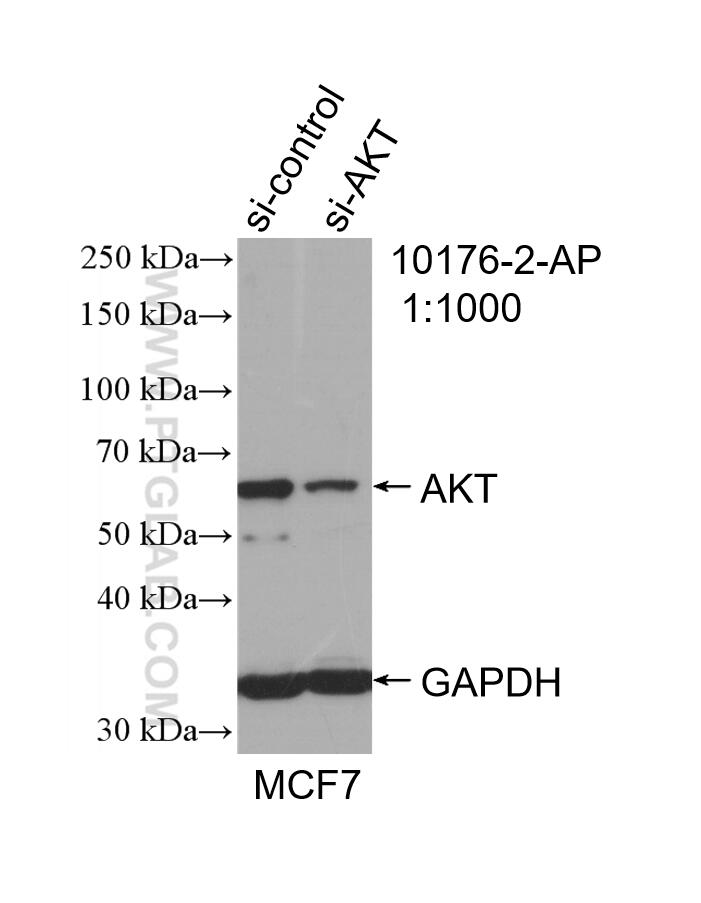
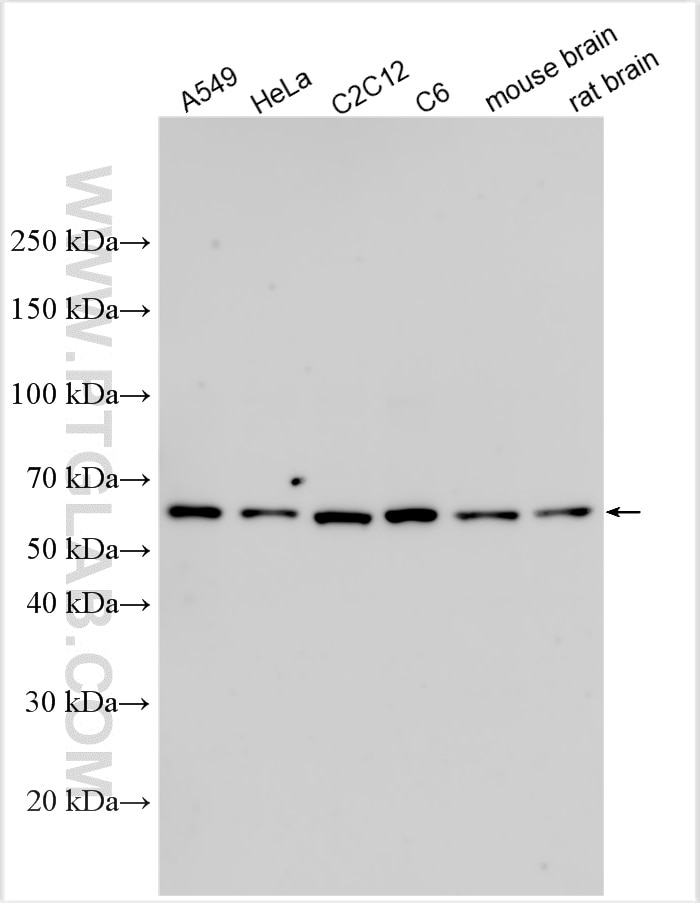
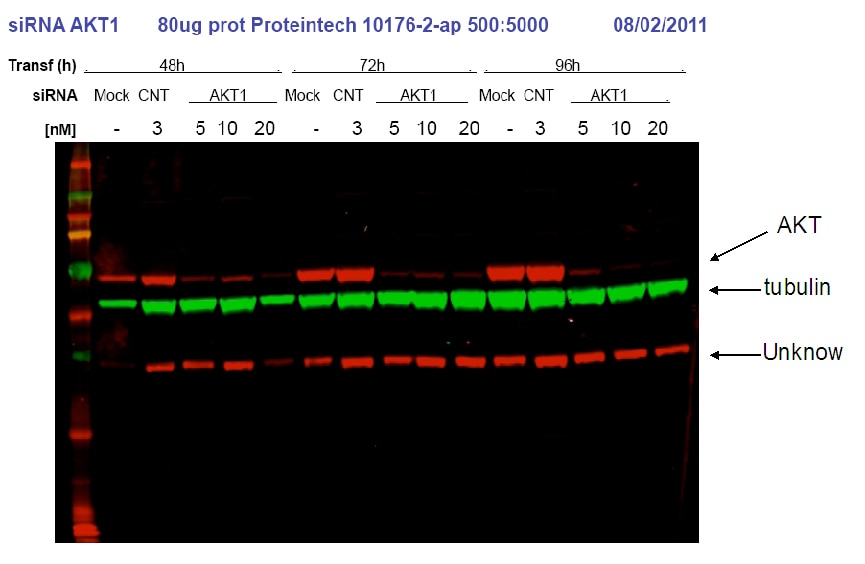
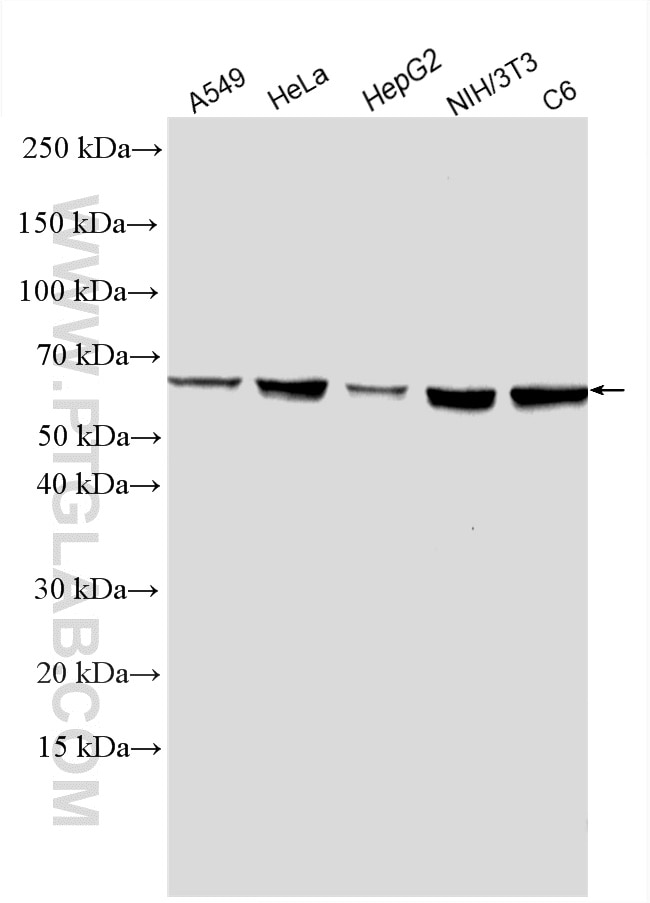
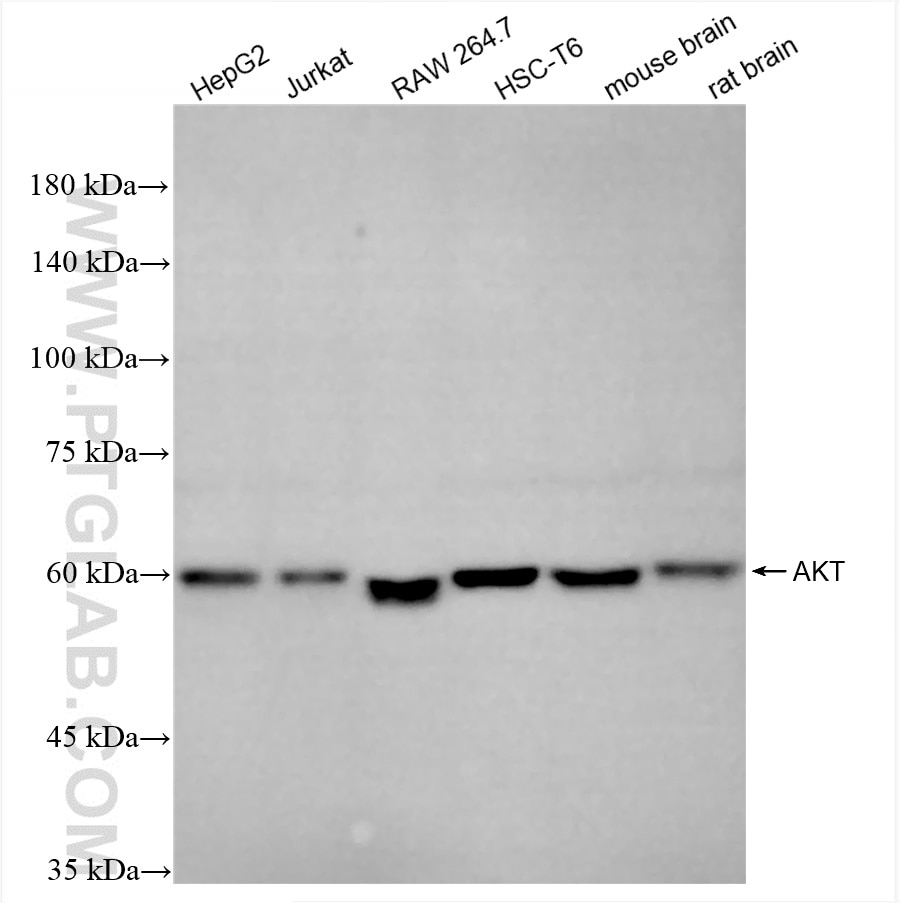
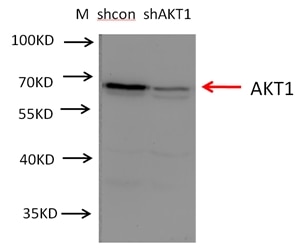
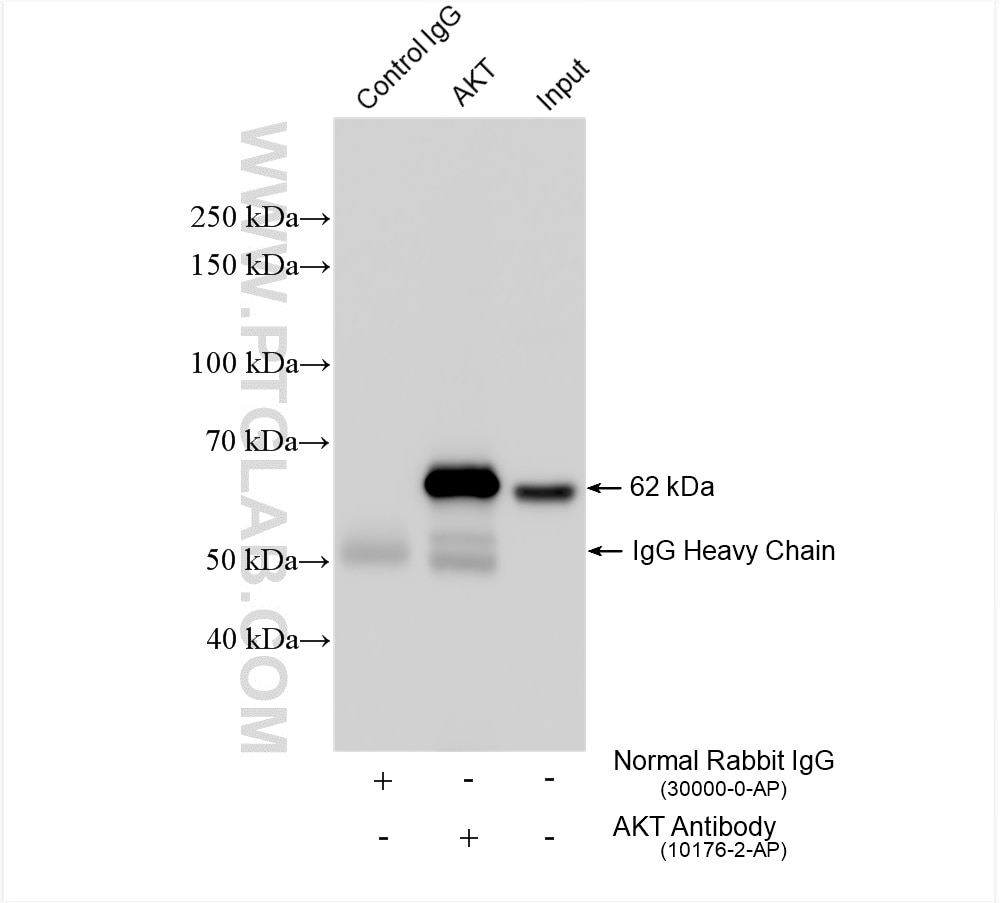
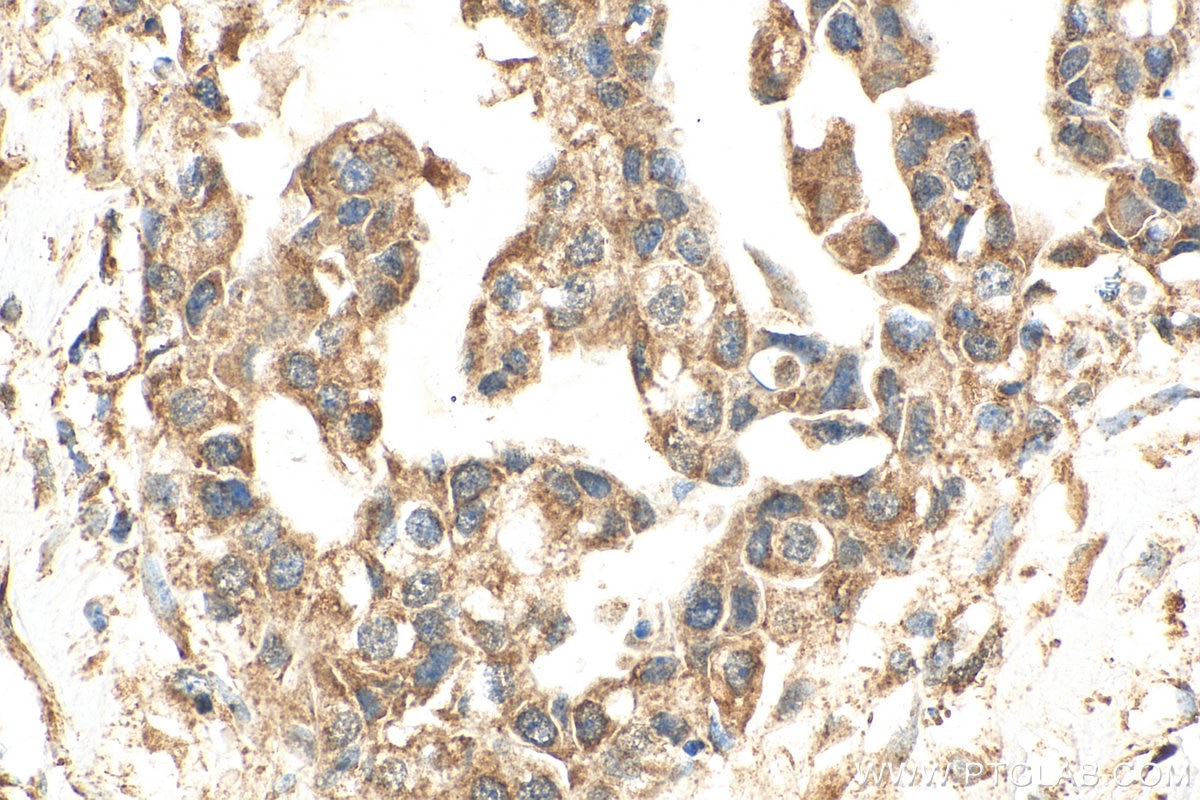
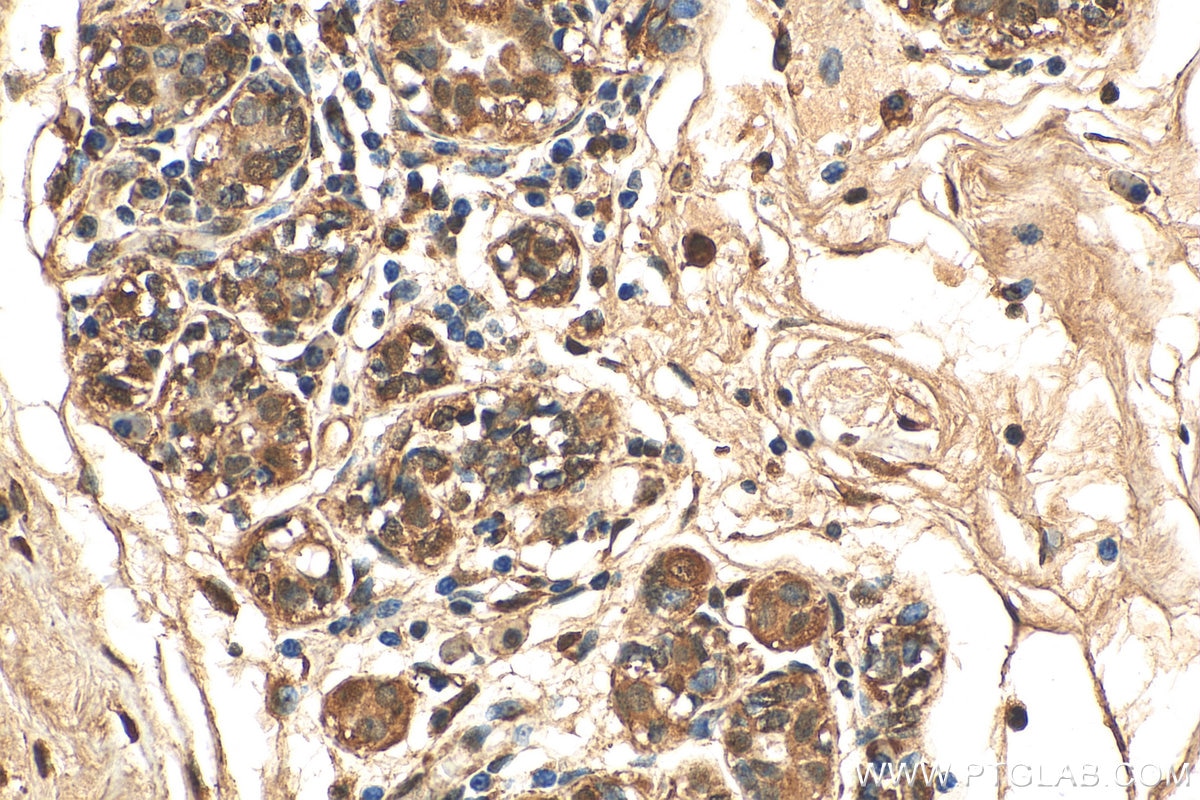
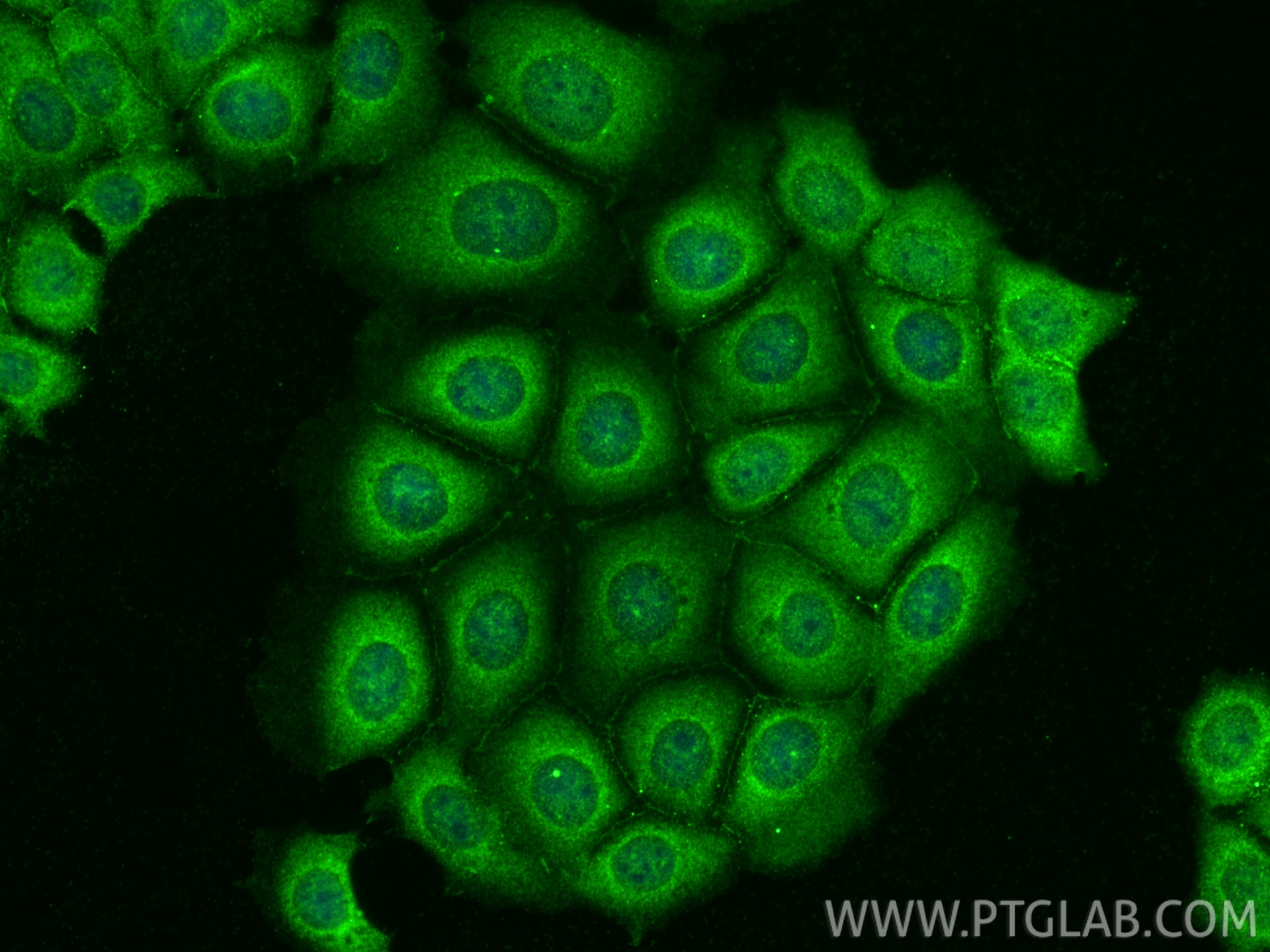
Tested Applications
| Positive WB detected in | A549 cells, HeLa cells, HepG2 cells, MCF-7 cells, NIH/3T3 cells, C6 cells, C2C12 cells, mouse brain tissue, rat brain tissue, Jurkat cells, RAW 264, HSC-T6 cells |
| Positive IP detected in | HeLa cells |
| Positive IF/ICC detected in | MCF-7 cells |
Recommended dilution
| Application | Dilution |
|---|---|
| Western Blot (WB) | WB : 1:2000-1:12000 |
| Immunoprecipitation (IP) | IP : 0.5-4.0 ug for 1.0-3.0 mg of total protein lysate |
| Immunofluorescence (IF)/ICC | IF/ICC : 1:200-1:800 |
| It is recommended that this reagent should be titrated in each testing system to obtain optimal results. | |
| Sample-dependent, Check data in validation data gallery. | |
Published Applications
| KD/KO | See 14 publications below |
| WB | See 2094 publications below |
| IHC | See 62 publications below |
| IF | See 39 publications below |
| IP | See 13 publications below |
| ELISA | See 1 publications below |
| CoIP | See 7 publications below |
Product Information
10176-2-AP targets AKT in WB, IHC, IF/ICC, IP, CoIP, ELISA applications and shows reactivity with human, mouse, rat samples.
| Tested Reactivity | human, mouse, rat |
| Cited Reactivity | human, mouse, rat, rabbit, monkey, chicken, sheep, goat, zebra finches |
| Host / Isotype | Rabbit / IgG |
| Class | Polyclonal |
| Type | Antibody |
| Immunogen |
CatNo: Ag0213 Product name: Recombinant human AKT protein Source: e coli.-derived, PGEX-4T Tag: GST Domain: 1-224 aa of BC000479 Sequence: MSDVAIVKEGWLHKRGEYIKTWRPRYFLLKNDGTFIGYKERPQDVDQREAPLNNFSVAQCQLMKTERPRPNTFIIRCLQWTTVIERTFHVETPEEREEWTTAIQTVADGLKKQEEEEMDFRSGSPSDNSGAEEMEVSLAKPKHRVTMNEFEYLKLLGKGTFGKVILVKEKATGRYYAMKILKKEVIVAKDEVAHTLTENRVLQNSRHPFLTALKYSFQTHDRLC 相同性解析による交差性が予測される生物種 |
| Full Name | v-akt murine thymoma viral oncogene homolog 1 |
| Calculated molecular weight | 56 kDa |
| Observed molecular weight | 56-62 kDa |
| GenBank accession number | BC000479 |
| Gene Symbol | AKT1 |
| Gene ID (NCBI) | 207 |
| RRID | AB_2224574 |
| Conjugate | Unconjugated |
| Form | |
| Form | Liquid |
| Purification Method | Antigen affinity purification |
| UNIPROT ID | P31749 |
| Storage Buffer | PBS with 0.02% sodium azide and 50% glycerol{{ptg:BufferTemp}}7.3 |
| Storage Conditions | Store at -20°C. Stable for one year after shipment. Aliquoting is unnecessary for -20oC storage. |
Background Information
The serine-threonine protein kinase AKT1 is catalytically inactive in serum-starved primary and immortalized fibroblasts. AKT1 and the related AKT2 are activated by platelet-derived growth factor. The activation is rapid and specific, and it is abrogated by mutations in the pleckstrin homology domain of AKT1. It was shown that the activation occurs through phosphatidylinositol 3-kinase. In the developing nervous system AKT is a critical mediator of growth factor-induced neuronal survival. Survival factors can suppress apoptosis in a transcription-independent manner by activating the serine/threonine kinase AKT1, which then phosphorylates and inactivates components of the apoptotic machinery.
Protocols
| Product Specific Protocols | |
|---|---|
| IF protocol for AKT antibody 10176-2-AP | Download protocol |
| IHC protocol for AKT antibody 10176-2-AP | Download protocol |
| IP protocol for AKT antibody 10176-2-AP | Download protocol |
| WB protocol for AKT antibody 10176-2-AP | Download protocol |
| Standard Protocols | |
|---|---|
| Click here to view our Standard Protocols |
Publications
| Species | Application | Title |
|---|---|---|
Signal Transduct Target Ther Overexpression of STX11 alleviates pulmonary fibrosis by inhibiting fibroblast activation via the PI3K/AKT/mTOR pathway | ||
J Hematol Oncol A novel lncRNA ROPM-mediated lipid metabolism governs breast cancer stem cell properties. | ||
J Hematol Oncol A cytoplasmic long noncoding RNA LINC00470 as a new AKT activator to mediate glioblastoma cell autophagy. | ||
J Hematol Oncol Long non-coding RNA-SNHG7 acts as a target of miR-34a to increase GALNT7 level and regulate PI3K/Akt/mTOR pathway in colorectal cancer progression. | ||
Mol Cancer EIF4A3/circPTGR1/miR-4725-5p positive- feedback loop promotes colorectal cancer progression via FAK/AKT signaling pathway. | ||
Mol Cancer Circular RNA circSLC8A1 acts as a sponge of miR-130b/miR-494 in suppressing bladder cancer progression via regulating PTEN. |