
Validation Data Gallery
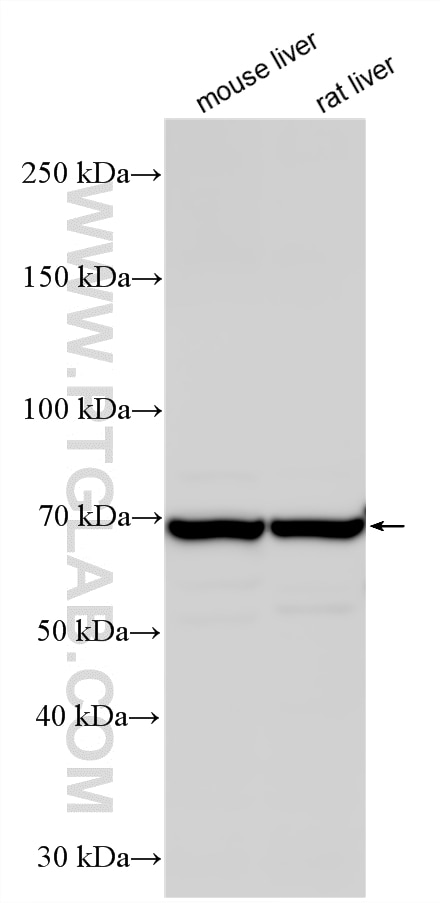
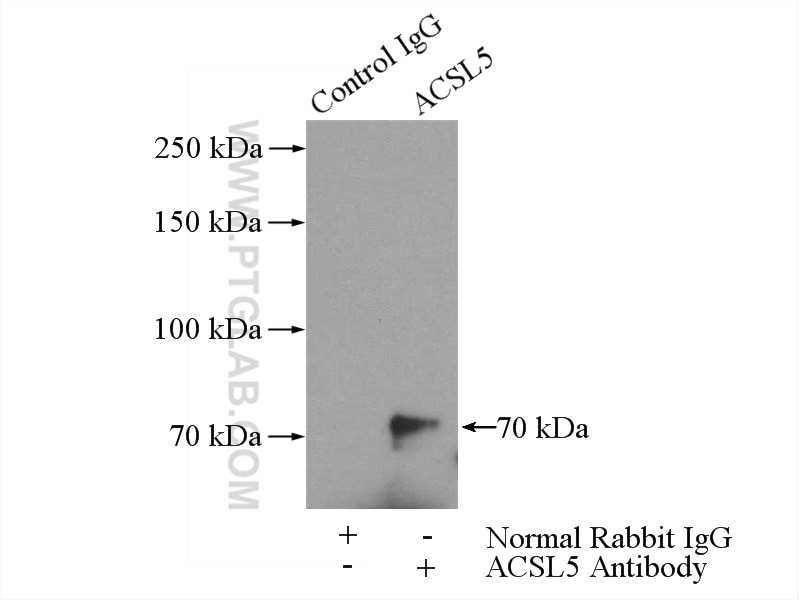
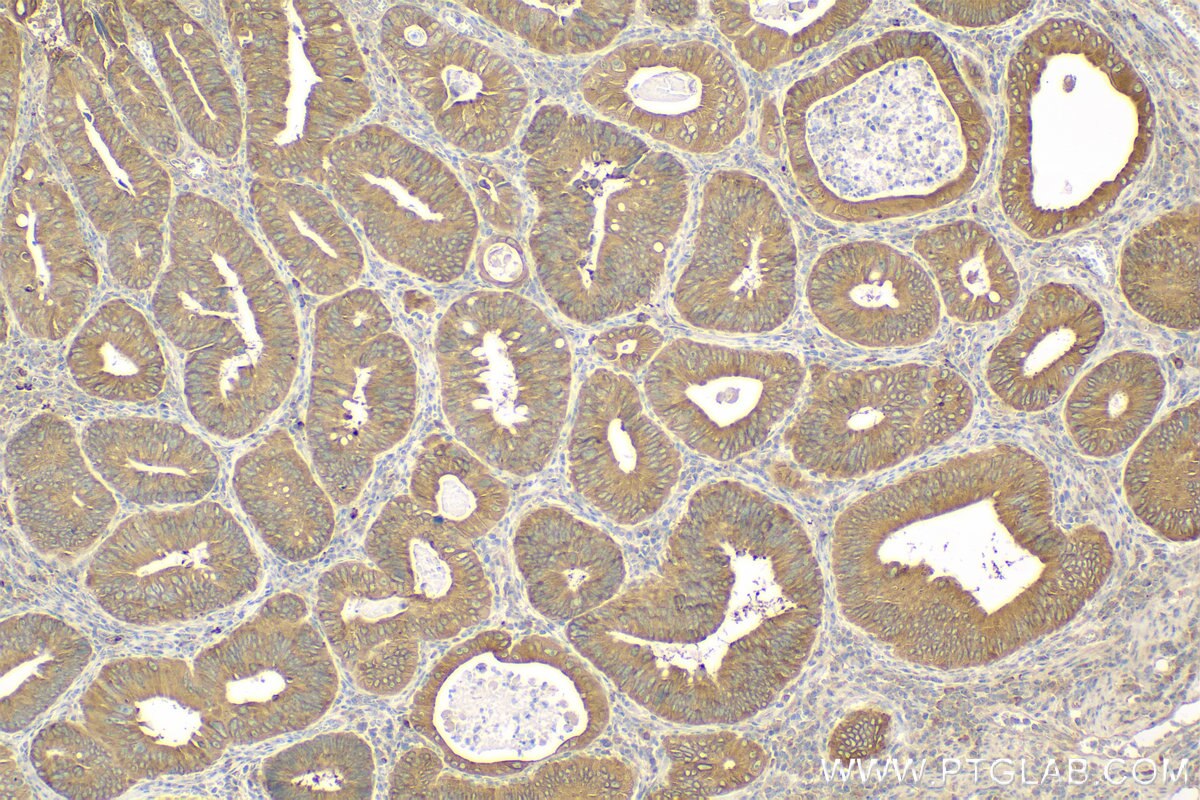
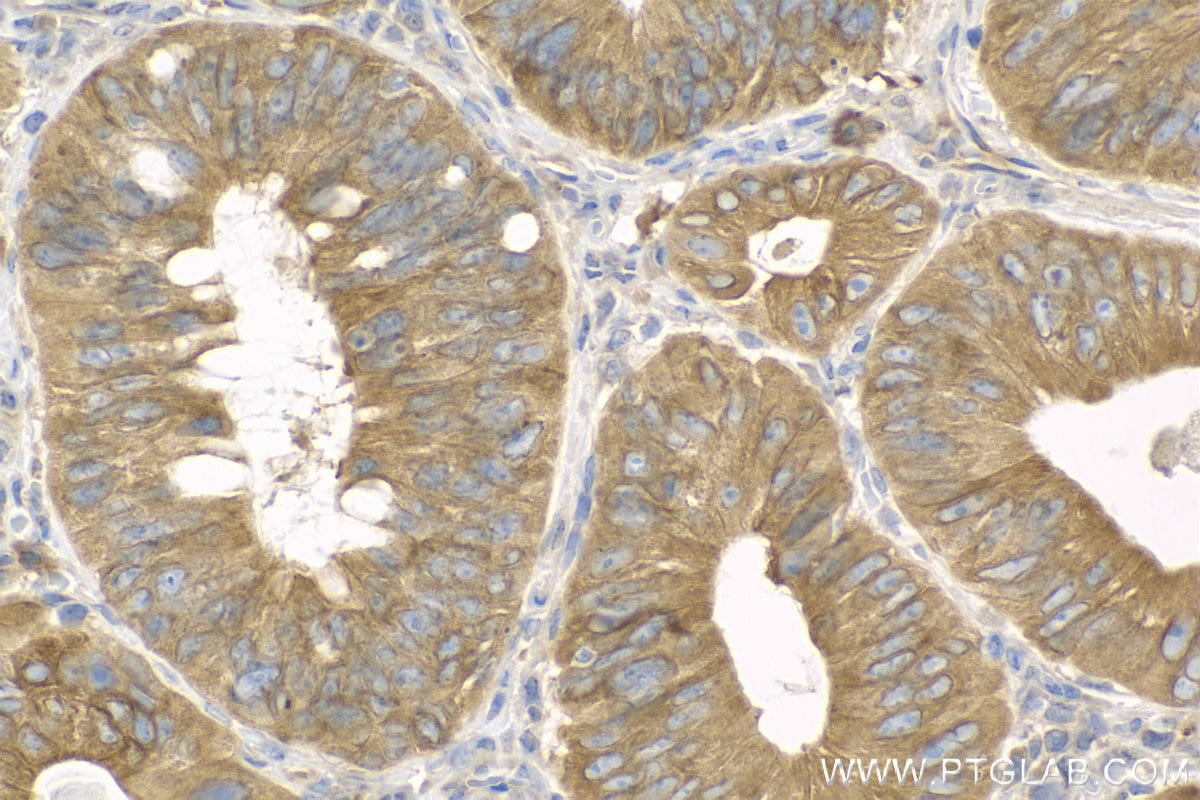
Tested Applications
| Positive WB detected in | mouse liver tissue |
| Positive IP detected in | mouse brain tissue |
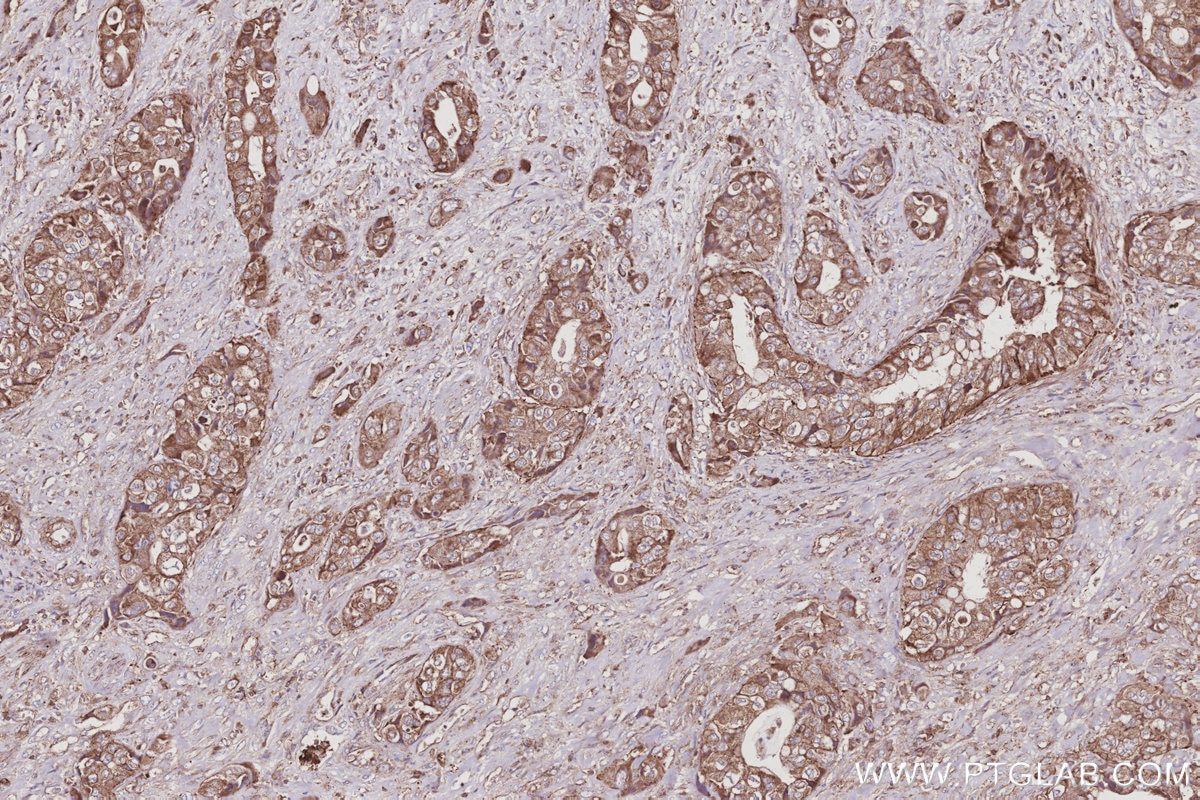
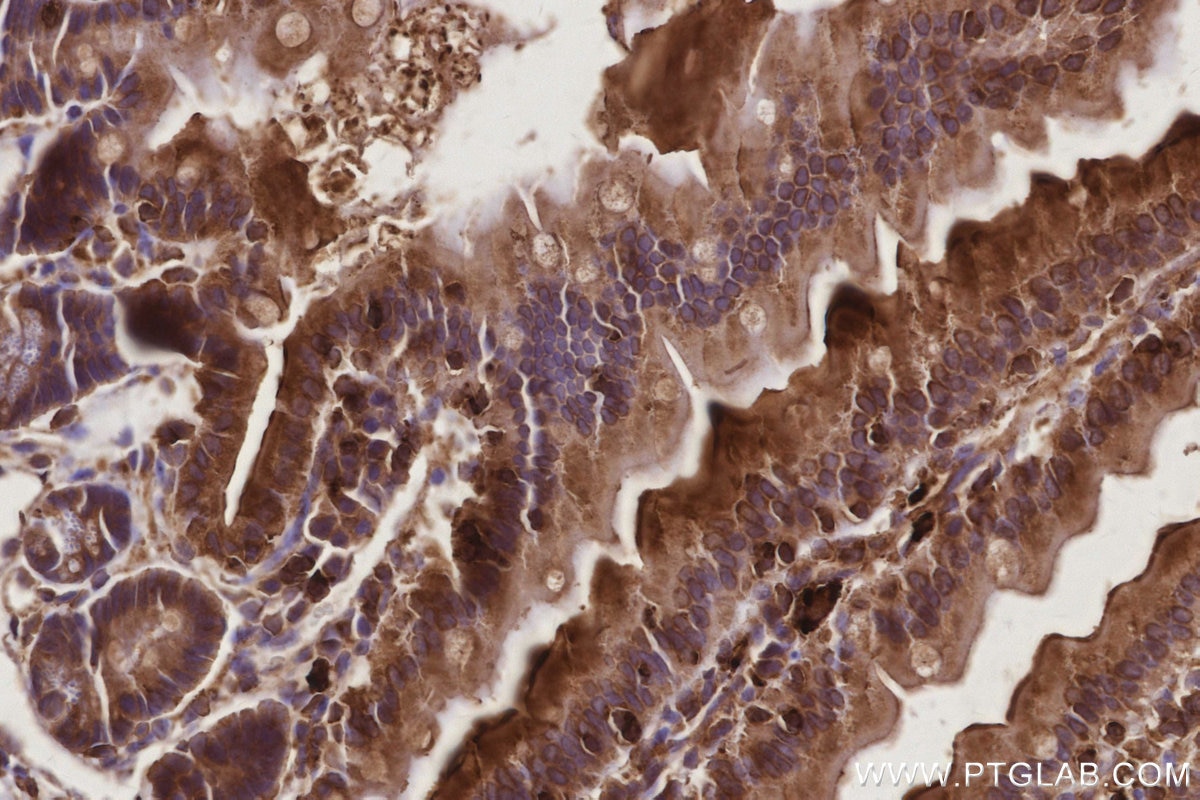
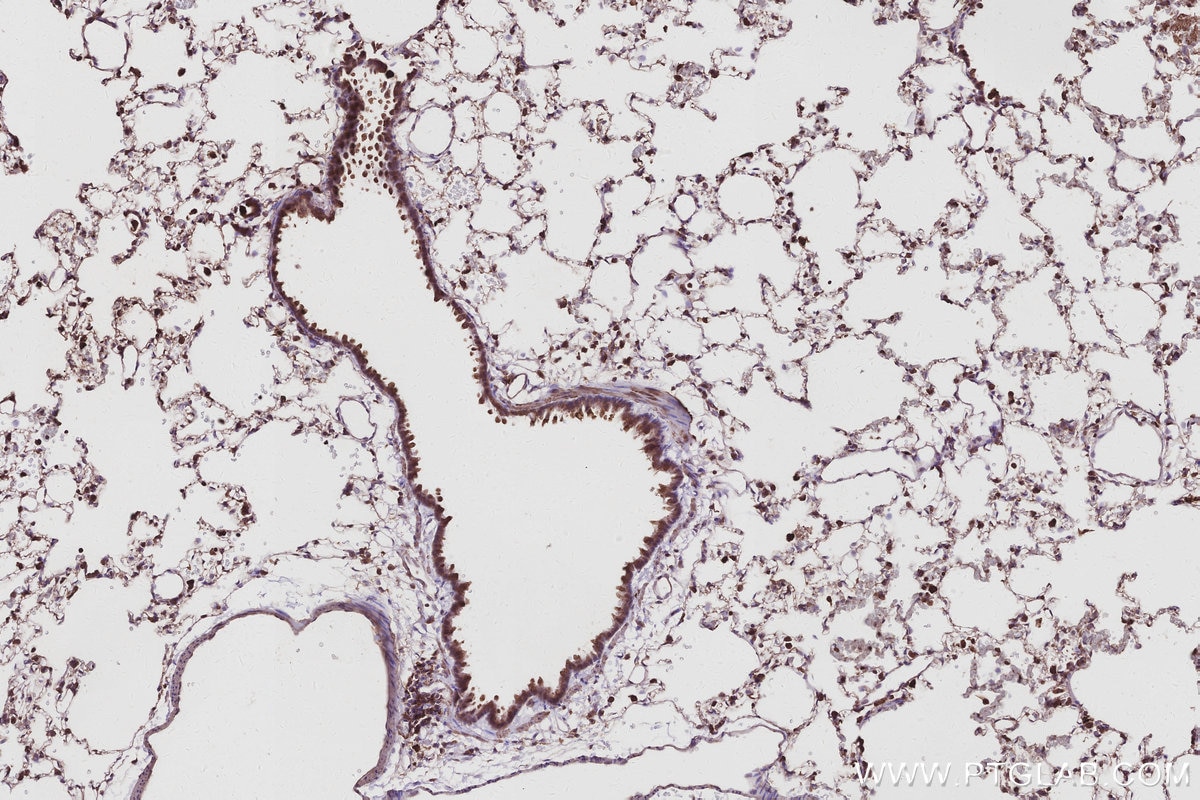
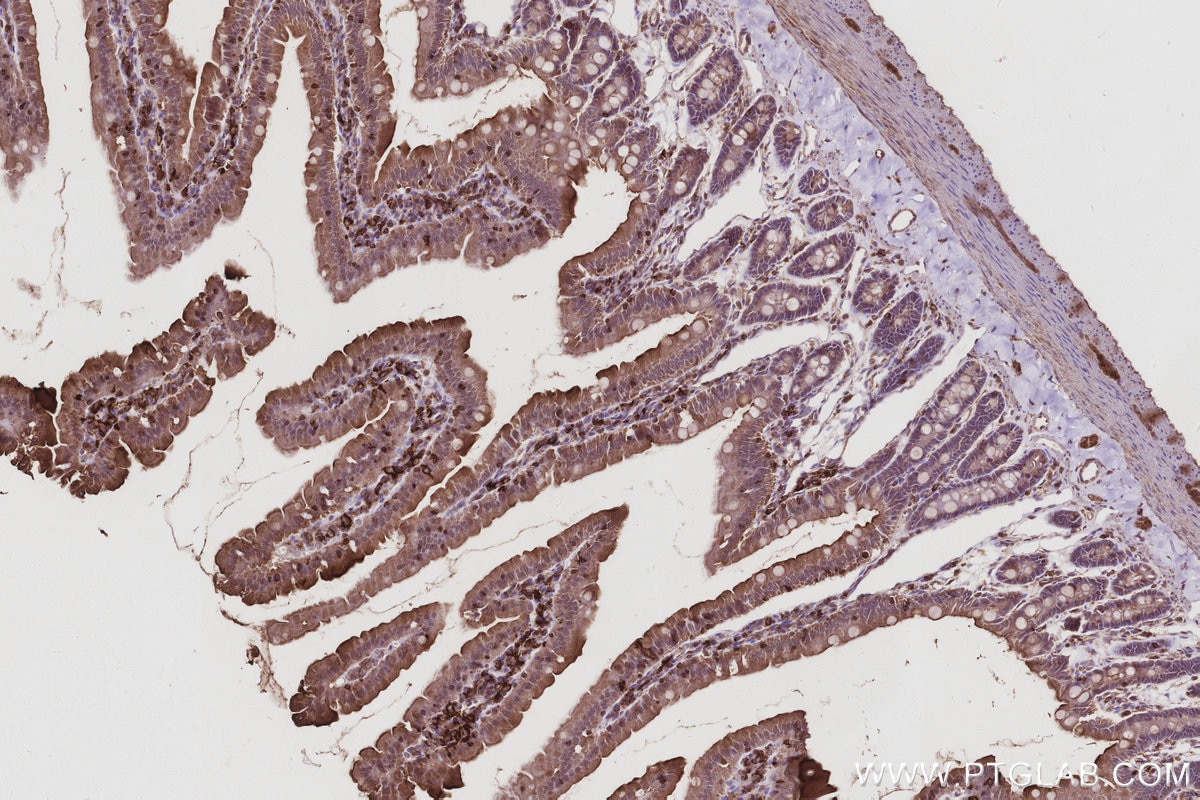
| Positive IHC detected in | human colon cancer tissue, rat lung tissue, human pancreas cancer tissue, mouse small intestine tissue, rat small intestine tissue Note: suggested antigen retrieval with TE buffer pH 9.0; (*) Alternatively, antigen retrieval may be performed with citrate buffer pH 6.0 |
Recommended dilution
| Application | Dilution |
|---|---|
| Western Blot (WB) | WB : 1:2000-1:12000 |
| Immunoprecipitation (IP) | IP : 0.5-4.0 ug for 1.0-3.0 mg of total protein lysate |
| Immunohistochemistry (IHC) | IHC : 1:50-1:500 |
| It is recommended that this reagent should be titrated in each testing system to obtain optimal results. | |
| Sample-dependent, Check data in validation data gallery. | |
Published Applications
| KD/KO | See 1 publications below |
| WB | See 26 publications below |
| IF | See 1 publications below |
| IP | See 1 publications below |
Product Information
15708-1-AP targets ACSL5 in WB, IHC, IF, IP, ELISA applications and shows reactivity with human, mouse, rat samples.
| Tested Reactivity | human, mouse, rat |
| Cited Reactivity | human, mouse, rat, pig |
| Host / Isotype | Rabbit / IgG |
| Class | Polyclonal |
| Type | Antibody |
| Immunogen |
CatNo: Ag8258 Product name: Recombinant human ACSL5 protein Source: e coli.-derived, PGEX-4T Tag: GST Domain: 388-739 aa of BC007985 Sequence: DIRLLADDMKTLKPTLFPAVPRLLNRIYDKVQNEAKTPLKKFLLKLAVSSKFKELQKGIIRHDSFWDKLIFAKIQDSLGGRVRVIVTGAAPMSTSVMTFFRAAMGCQVYEAYGQTECTGGCTFTLPGDWTSGHVGVPLACNYVKLEDVADMNYFTVNNEGEVCIKGTNVFKGYLKDPEKTQEALDSDGWLHTGDIGRWLPNGTLKIIDRKKNIFKLAQGEYIAPEKIENIYNRSQPVLQIFVHGESLRSSLVGVVVPDTDVLPSFAAKLGVKGSFEELCQNQVVREAILEDLQKIGKESGLKTFEQVKAIFLHPEPFSIENGLLTPTLKAKRGELSKYFRTQIDSLYEHIQD 相同性解析による交差性が予測される生物種 |
| Full Name | acyl-CoA synthetase long-chain family member 5 |
| Calculated molecular weight | 76 kDa |
| Observed molecular weight | 66-70 kDa |
| GenBank accession number | BC007985 |
| Gene Symbol | ACSL5 |
| Gene ID (NCBI) | 51703 |
| RRID | AB_2257881 |
| Conjugate | Unconjugated |
| Form | |
| Form | Liquid |
| Purification Method | Antigen affinity purification |
| UNIPROT ID | Q9ULC5 |
| Storage Buffer | PBS with 0.02% sodium azide and 50% glycerol{{ptg:BufferTemp}}7.3 |
| Storage Conditions | Store at -20°C. Stable for one year after shipment. Aliquoting is unnecessary for -20oC storage. |
Background Information
Acyl-CoA synthetase 5, a member of the ACSL gene family that catalyzes the activation of long-chain fatty acids for lipid biosynthesis, is the only ACSL isoform that is both, located on mitochondria and functionally involved in enterocyte apoptosis.ACSL5 could play a role in promoting fatty acid-induced lipoapoptosis in hepatocytes as important mechanism in fatty liver-related disorders(PMID:20470896). ACSL5 is most abundant in liver, brown adipose tissue, and intestine and is located on both the mitochondrial membrane and endoplasmic reticulum(PMID:20798351). It has 3 isoforms produced by alternative splicing.
Protocols
| Product Specific Protocols | |
|---|---|
| IHC protocol for ACSL5 antibody 15708-1-AP | Download protocol |
| IP protocol for ACSL5 antibody 15708-1-AP | Download protocol |
| WB protocol for ACSL5 antibody 15708-1-AP | Download protocol |
| Standard Protocols | |
|---|---|
| Click here to view our Standard Protocols |
Publications
| Species | Application | Title |
|---|---|---|
Cell Metab AIDA Selectively Mediates Downregulation of Fat Synthesis Enzymes by ERAD to Retard Intestinal Fat Absorption and Prevent Obesity. | ||
Immunity Alarmin-loaded extracellular lipid droplets induce airway neutrophil infiltration during type 2 inflammation | ||
Nat Metab N6-methyladenosine (m6A) in 18S rRNA promotes fatty acid metabolism and oncogenic transformation | ||
Nat Commun Attenuated growth factor signaling during cell death initiation sensitizes membranes towards peroxidation | ||
Nat Commun p38 mediated ACSL4 phosphorylation drives stress-induced esophageal squamous cell carcinoma growth through Src myristoylation | ||
Nat Commun Tip60-mediated lipin 1 acetylation and ER translocation determine triacylglycerol synthesis rate. |