
Validation Data Gallery
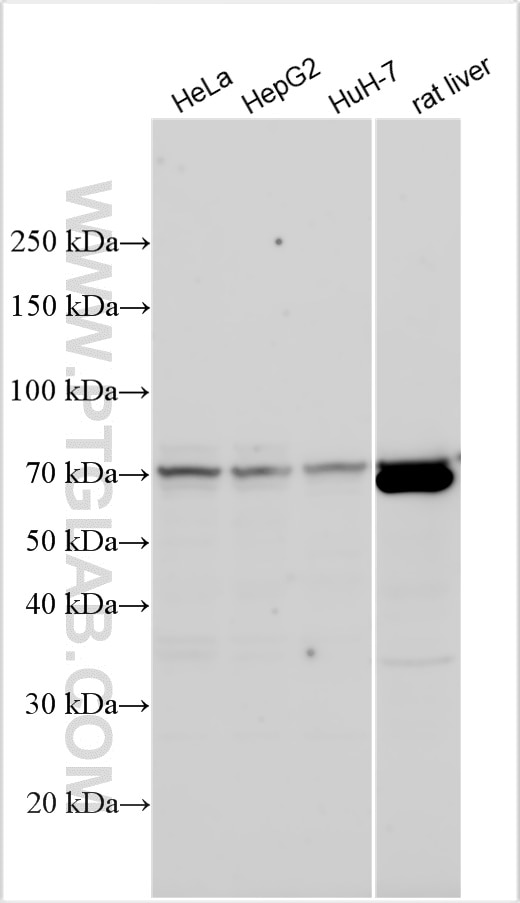
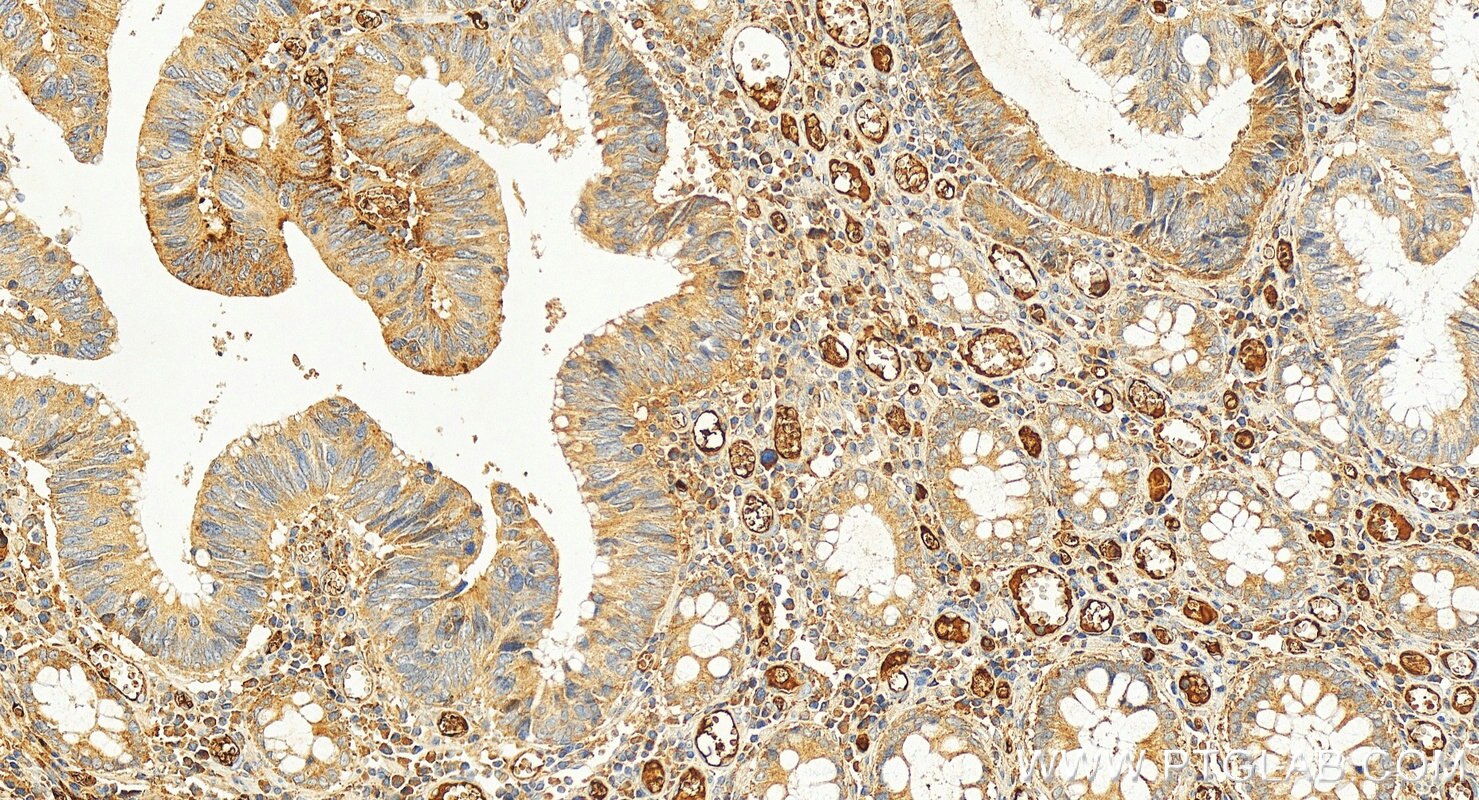
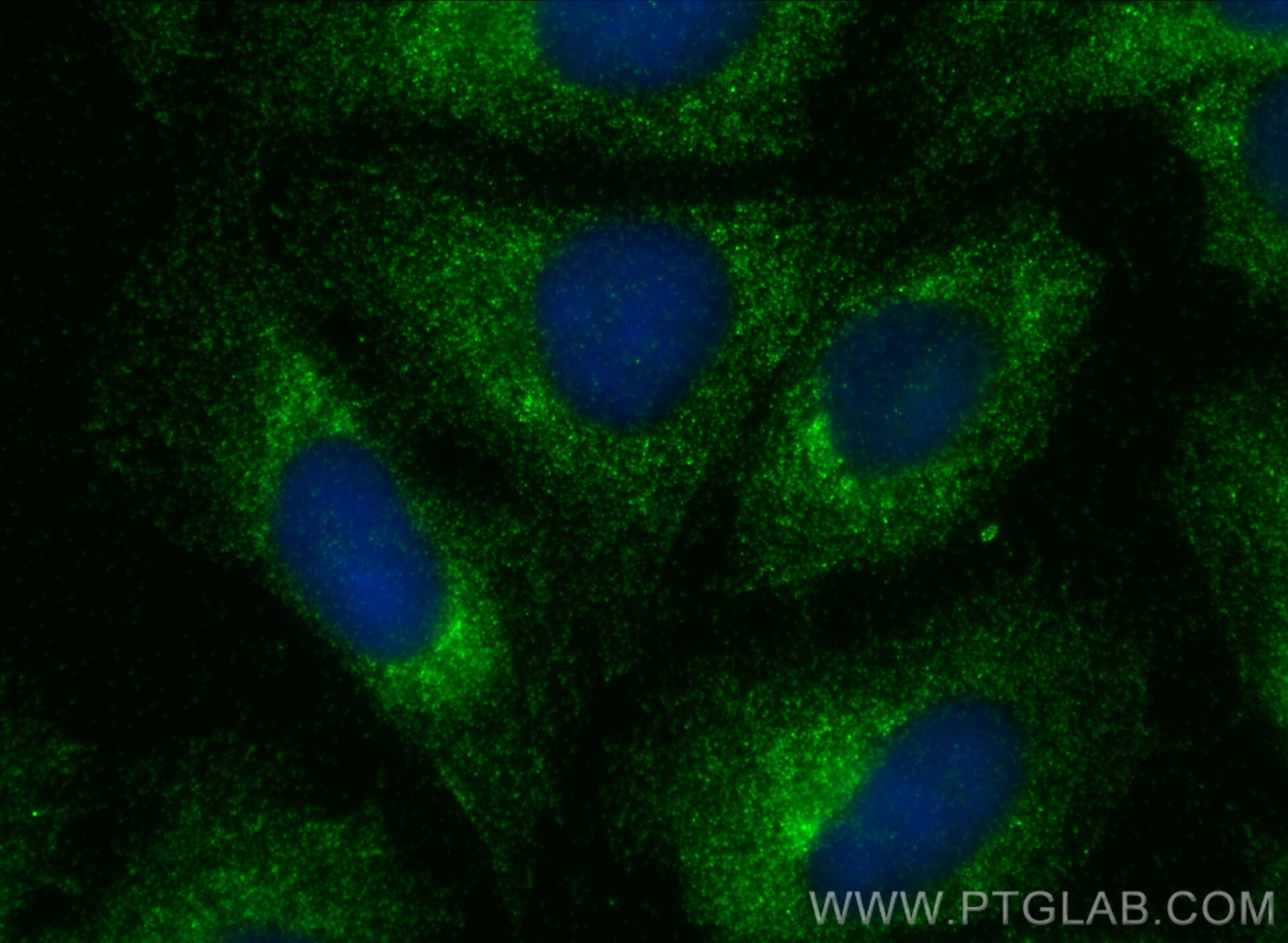
Tested Applications
Recommended dilution
| Application | Dilution |
|---|---|
| It is recommended that this reagent should be titrated in each testing system to obtain optimal results. | |
Product Information
17871-1-PBS targets ACOT12 in WB, IHC, IF/ICC, ELISA applications and shows reactivity with human, rat samples.
| Tested Reactivity | human, rat |
| Host / Isotype | Rabbit / IgG |
| Class | Polyclonal |
| Type | Antibody |
| Immunogen |
CatNo: Ag12355 Product name: Recombinant human ACOT12 protein Source: e coli.-derived, PGEX-4T Tag: GST Domain: 206-555 aa of BC075011 Sequence: MAWMETVATISASRLCWAHPFLKSVDMFKFRGPSTVGDRLVFTAIVNNTFQTCVEVGVRVEAFDCQEWAEGRGRHINSAFLIYNAADDKENLITFPRIQPISKDDFRRYRGAIARKRIRLGRKYVISHKEEVPLCIHWDISKQASLSDSNVEALKKLAAKRGWEVTSTVEKIKIYTLEEHDVLSVWVEKHVGSPAHLAYRLLSDFTKRPLWDPHFVSCEVIDWVSEDDQLYHITCPILNDDKPKDLVVLVSRRKPLKDGNTYTVAVKSVILPSVPPSPQYIRSEIICAGFLIHAIDSNSCIVSYFNHMSASILPYFAGNLGGWSKSIEETAASCIQFLENPPDDGFVSTF 相同性解析による交差性が予測される生物種 |
| Full Name | acyl-CoA thioesterase 12 |
| Calculated molecular weight | 555 aa, 62 kDa |
| Observed molecular weight | 70 kDa |
| GenBank accession number | BC075011 |
| Gene Symbol | ACOT12 |
| Gene ID (NCBI) | 134526 |
| RRID | AB_3741940 |
| Conjugate | Unconjugated |
| Form | |
| Form | Liquid |
| Purification Method | Antigen affinity purification |
| UNIPROT ID | Q8WYK0 |
| Storage Buffer | PBS only{{ptg:BufferTemp}}7.3 |
| Storage Conditions | Store at -80°C. |
Background Information
ACOT12 is an acyl-coenzyme A thioesterase that hydrolyzes acyl-coenzyme A (acyl-CoA) to free fatty acids and coenzyme A, thereby regulating intracellular levels of acyl-CoA and free fatty acids. It plays a key role in lipid metabolism and is mainly expressed in the kidney, liver, and intestine. ACOT12 plays an important role in a variety of diseases, including renal fibrosis, nonalcoholic fatty liver disease (NAFLD), and hepatocellular carcinoma. In renal fibrosis, downregulation of ACOT12 expression leads to lipid accumulation and exacerbates the fibrotic process. Restoration of its expression ameliorates renal fibrosis, suggesting that ACOT12 is a potential therapeutic target.