
Validation Data Gallery
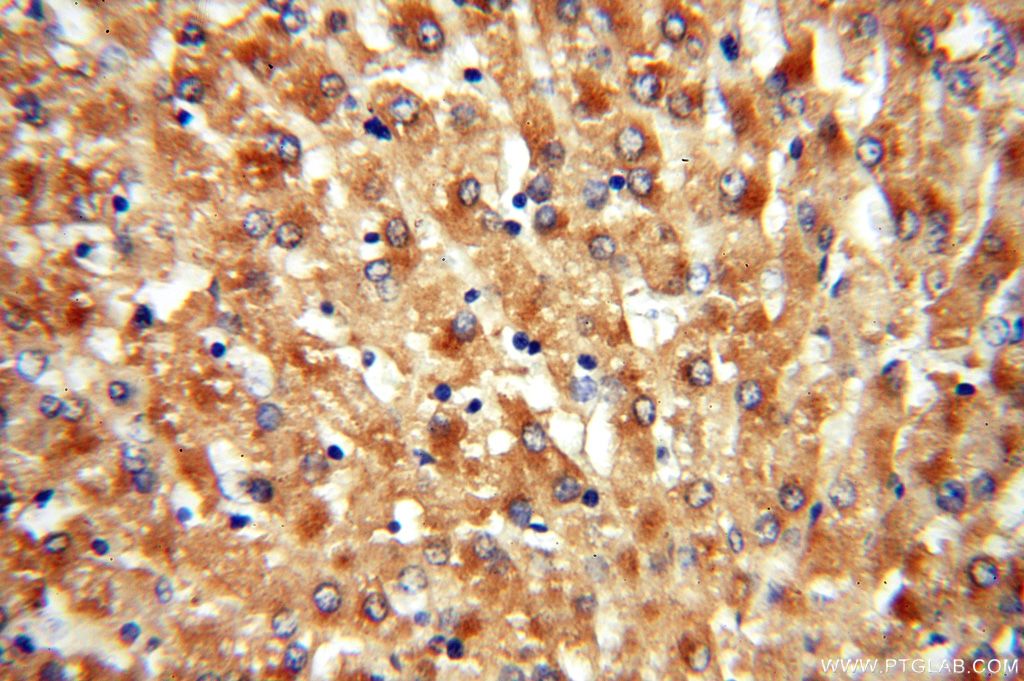
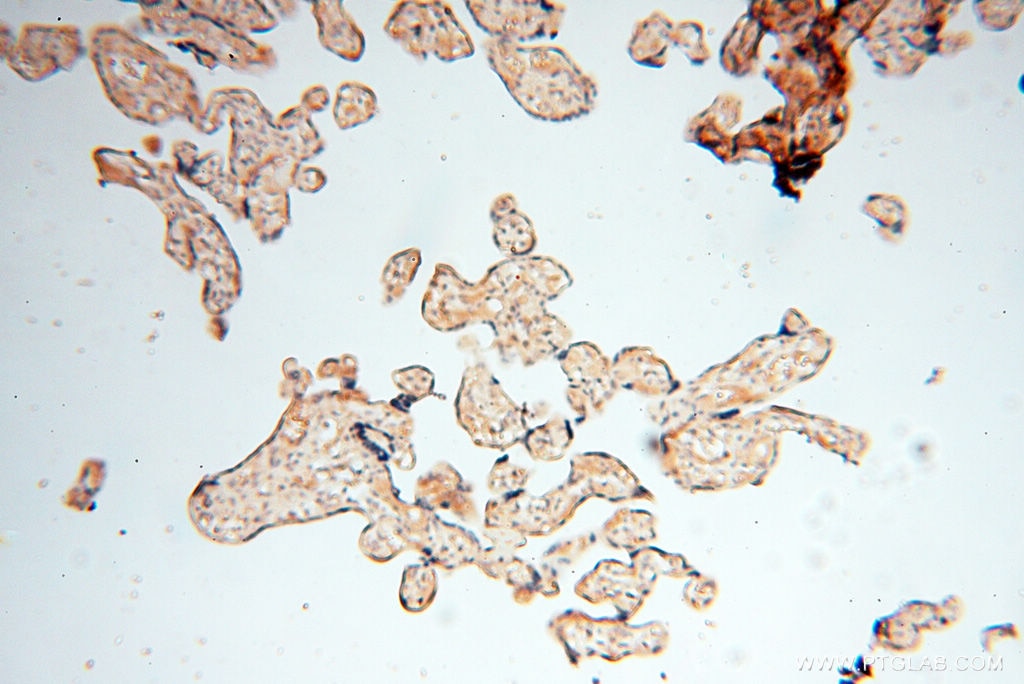
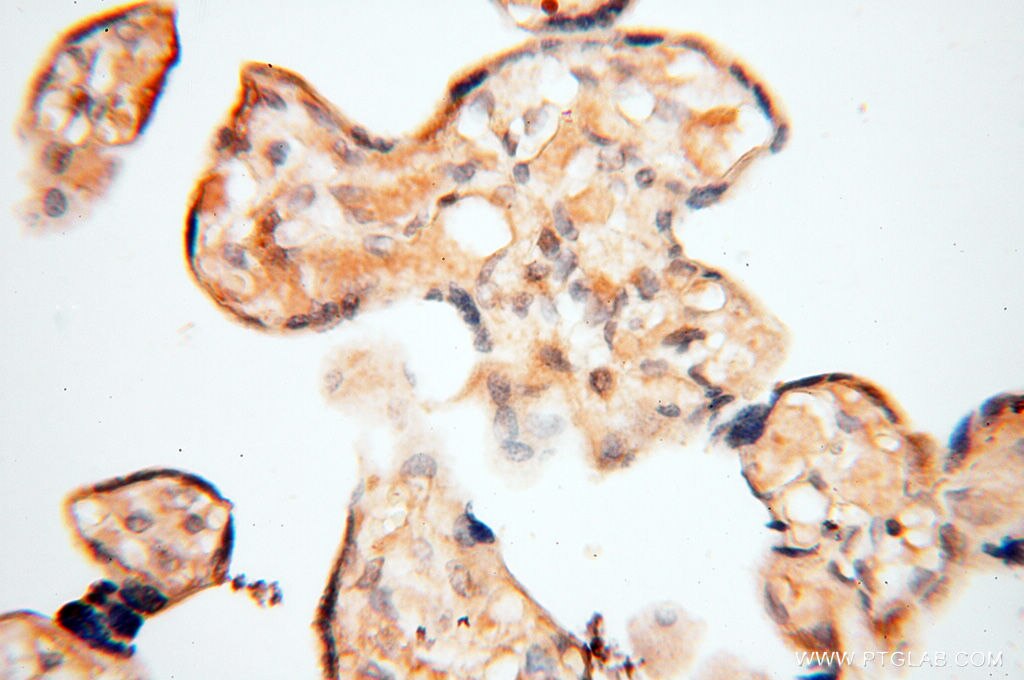
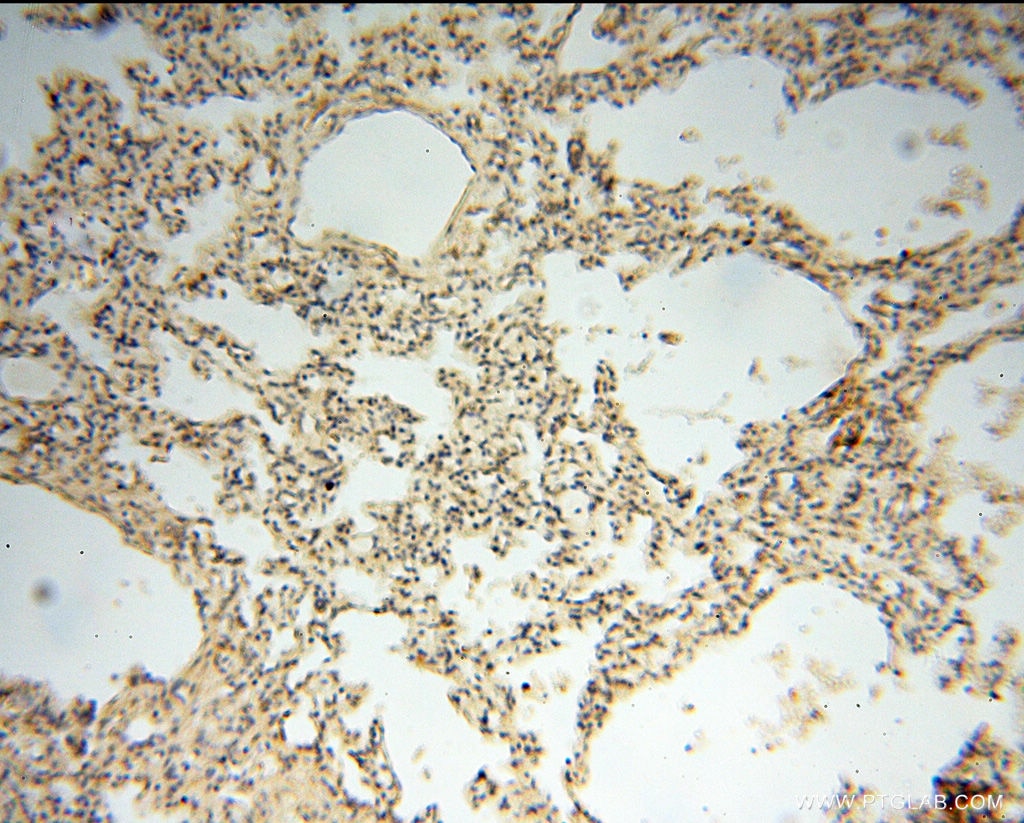
Tested Applications
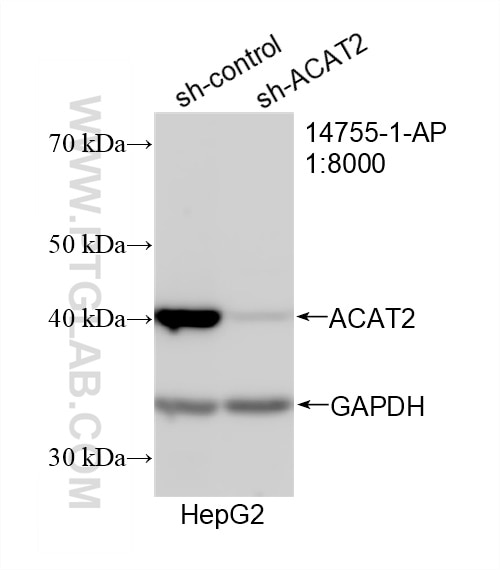
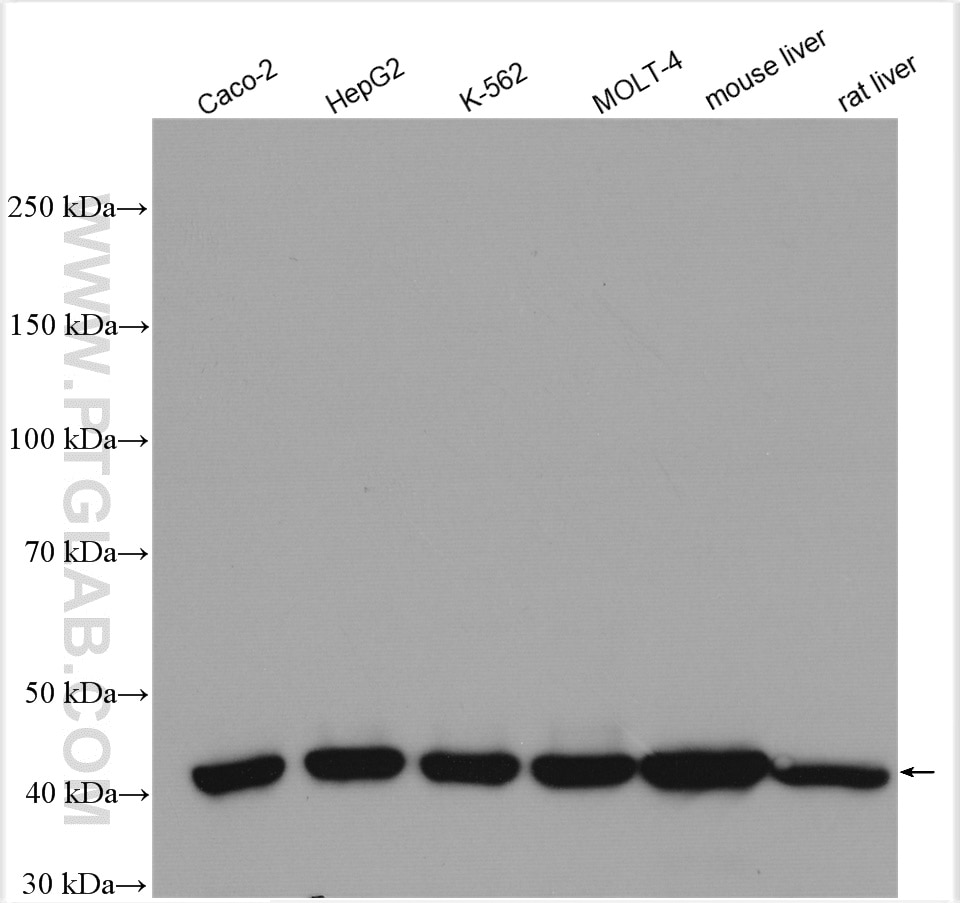
| Positive WB detected in | Caco-2 cells, HepG2 cells, K-562 cells, MOLT-4 cells, mouse liver, rat liver |
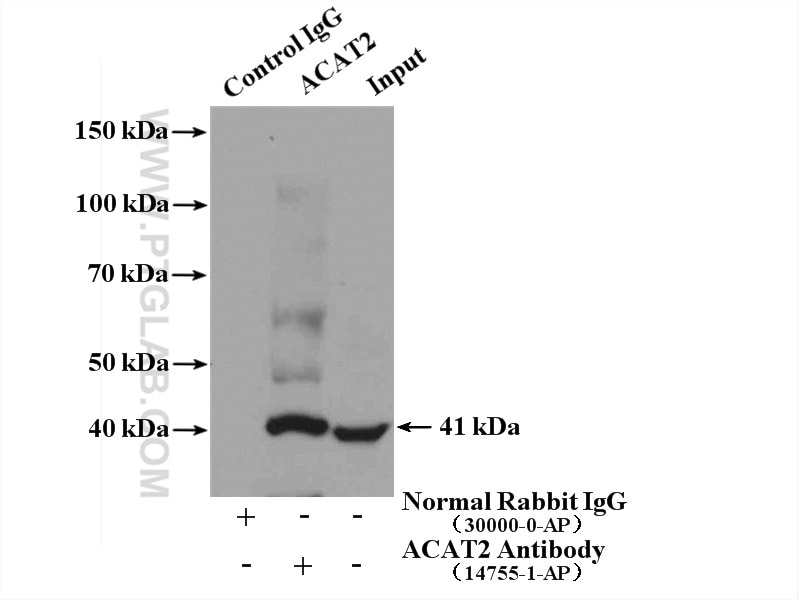
| Positive IP detected in | mouse liver tissue |
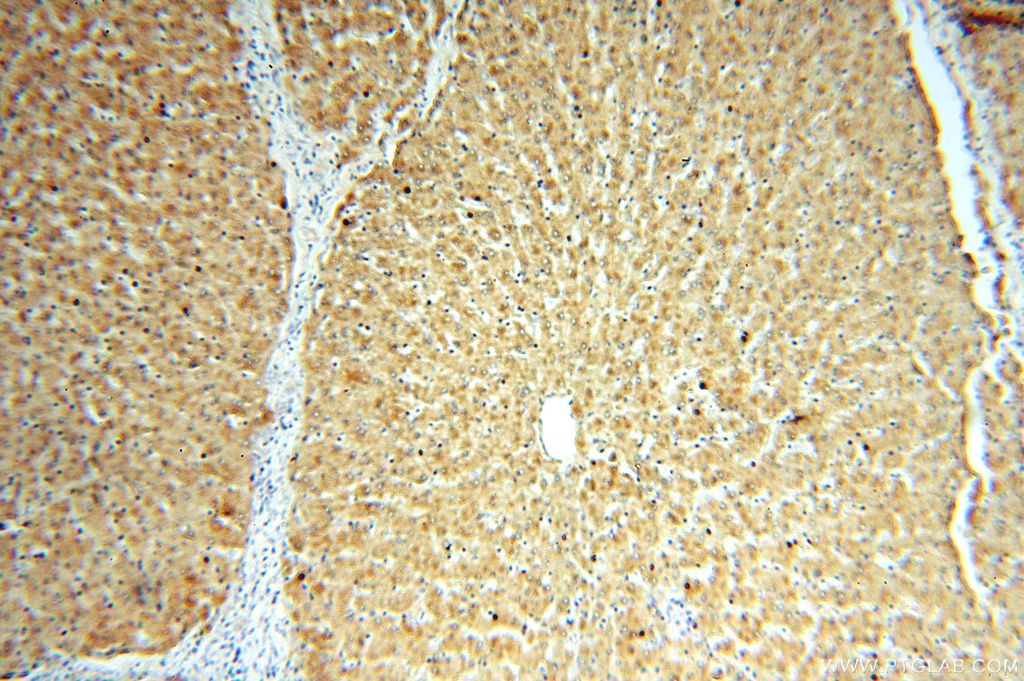
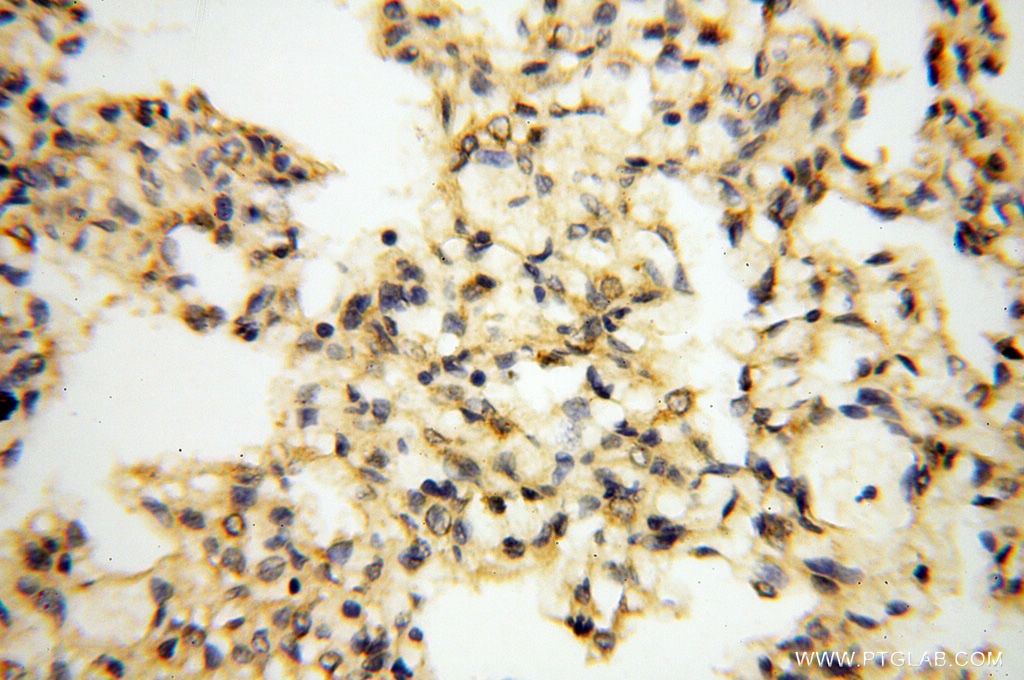
| Positive IHC detected in | human liver tissue, human lung tissue, human placenta tissue Note: suggested antigen retrieval with TE buffer pH 9.0; (*) Alternatively, antigen retrieval may be performed with citrate buffer pH 6.0 |
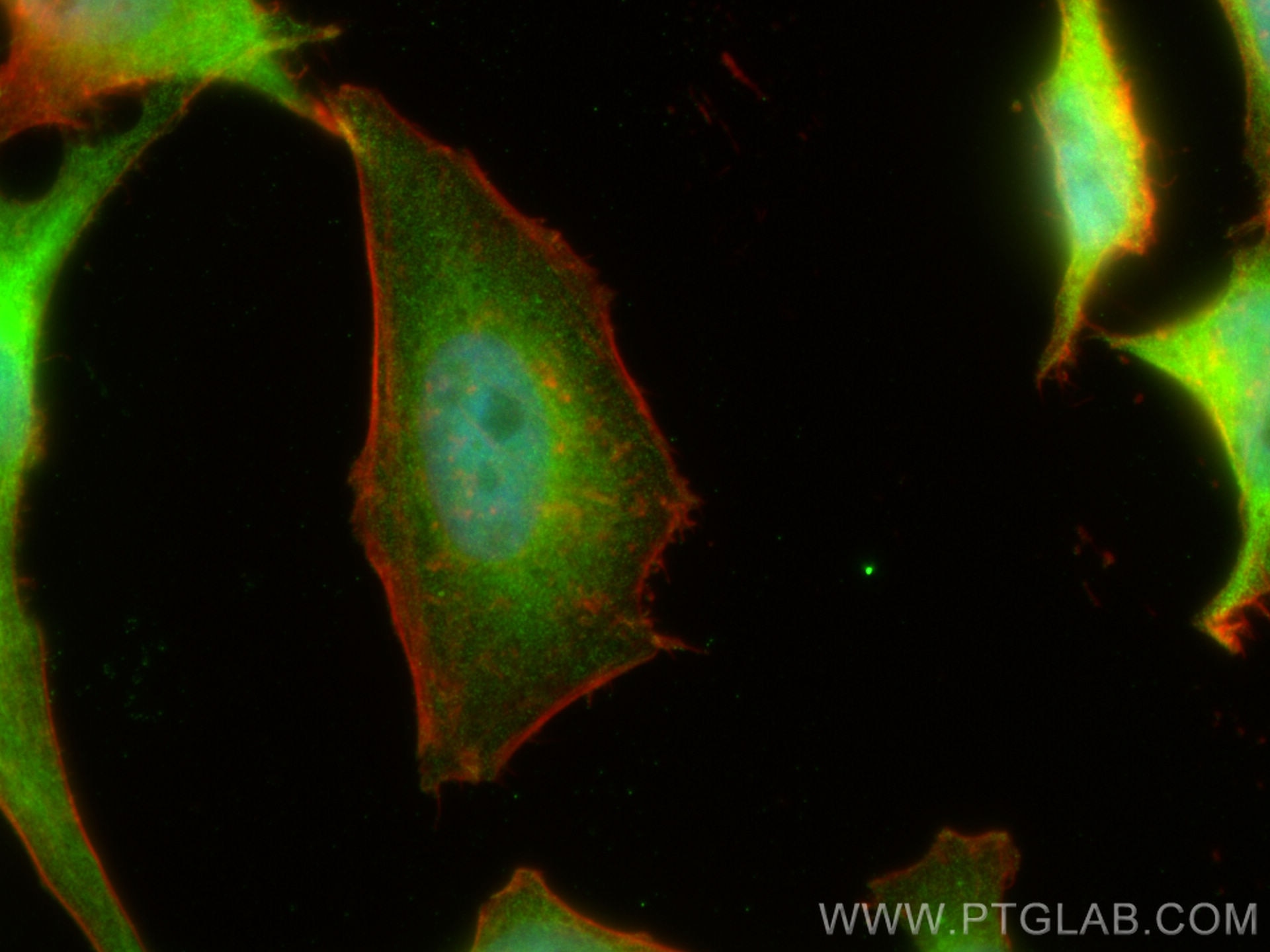
| Positive IF/ICC detected in | HepG2 cells |
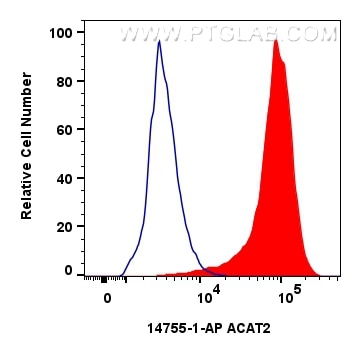
| Positive FC (Intra) detected in | HepG2 cells |
Recommended dilution
| Application | Dilution |
|---|---|
| Western Blot (WB) | WB : 1:2000-1:12000 |
| Immunoprecipitation (IP) | IP : 0.5-4.0 ug for 1.0-3.0 mg of total protein lysate |
| Immunohistochemistry (IHC) | IHC : 1:20-1:200 |
| Immunofluorescence (IF)/ICC | IF/ICC : 1:200-1:800 |
| Flow Cytometry (FC) (INTRA) | FC (INTRA) : 0.40 ug per 10^6 cells in a 100 µl suspension |
| It is recommended that this reagent should be titrated in each testing system to obtain optimal results. | |
| Sample-dependent, Check data in validation data gallery. | |
Published Applications
| KD/KO | See 1 publications below |
| WB | See 17 publications below |
| IHC | See 4 publications below |
| IF | See 1 publications below |
| IP | See 1 publications below |
Product Information
14755-1-AP targets ACAT2 in WB, IHC, IF/ICC, FC (Intra), IP, ELISA applications and shows reactivity with human, mouse, rat samples.
| Tested Reactivity | human, mouse, rat |
| Cited Reactivity | human, mouse, rat, pig |
| Host / Isotype | Rabbit / IgG |
| Class | Polyclonal |
| Type | Antibody |
| Immunogen |
CatNo: Ag6503 Product name: Recombinant human ACAT2 protein Source: e coli.-derived, PGEX-4T Tag: GST Domain: 1-397 aa of BC000408 Sequence: MNAGSDPVVIVSAARTIIGSFNGALAAVPVQDLGSTVIKEVLKRATVAPEDVSEVIFGHVLAAGCGQNPVRQASVGAGIPYSVPAWSCQMICGSGLKAVCLAVQSIGIGDSSIVVAGGMENMSKAPHLAYLRTGVKIGEMPLTDSILCDGLTDAFHNCHMGITAENVAKKWQVSREDQDKVAVLSQNRTENAQKAGHFDKEIVPVLVSTRRGLIEVKTDEFPRHGSNIEAMSKLKPYFLTDGTGTVTPANASGINDGAAAVVLMKKSEADKRGLTPLARIVSWSQVGVEPSIMGIGPIPAIKQAVTKAGWSLEDVDIFEINEAFAAVSAAIVKELGLNPEKVNIEGGAIALGHPLGASGCRILVTLLHTLERMGRSRGVAALCIGGGMGIAMCVQRE 相同性解析による交差性が予測される生物種 |
| Full Name | acetyl-Coenzyme A acetyltransferase 2 |
| Calculated molecular weight | 41 kDa |
| Observed molecular weight | 40-42 kDa |
| GenBank accession number | BC000408 |
| Gene Symbol | ACAT2 |
| Gene ID (NCBI) | 39 |
| RRID | AB_2220236 |
| Conjugate | Unconjugated |
| Form | |
| Form | Liquid |
| Purification Method | Antigen affinity purification |
| UNIPROT ID | Q9BWD1 |
| Storage Buffer | PBS with 0.02% sodium azide and 50% glycerol{{ptg:BufferTemp}}7.3 |
| Storage Conditions | Store at -20°C. Stable for one year after shipment. Aliquoting is unnecessary for -20oC storage. |
Background Information
Acetyl-CoA acetyltransferase 2 (ACAT2) is a cytosolic enzyme involved in cholesterol and lipid metabolism, catalyzing the reversible condensation of two molecules of acetyl-CoA to form acetoacetyl-CoA. In humans, ACAT2 is predominantly expressed in the liver and intestine, where it plays a critical role in cholesterol esterification, lipoprotein assembly, and lipid homeostasis. Through regulation of intracellular cholesterol trafficking and storage, ACAT2 contributes to systemic lipid metabolism and has been implicated in atherosclerosis, metabolic disorders, and cardiovascular disease. Recent studies have also revealed emerging functions of ACAT2 in cancer biology. Notably, ACAT2 has been reported to promote the proliferation and metastatic potential of gastric cancer cells by suppressing YAP1 ubiquitination and enhancing SETD7 expression, thereby activating oncogenic signaling pathways(PMID: 38670954).
Protocols
| Product Specific Protocols | |
|---|---|
| FC protocol for ACAT2 antibody 14755-1-AP | Download protocol |
| IF protocol for ACAT2 antibody 14755-1-AP | Download protocol |
| IHC protocol for ACAT2 antibody 14755-1-AP | Download protocol |
| IP protocol for ACAT2 antibody 14755-1-AP | Download protocol |
| WB protocol for ACAT2 antibody 14755-1-AP | Download protocol |
| Standard Protocols | |
|---|---|
| Click here to view our Standard Protocols |
Publications
| Species | Application | Title |
|---|---|---|
Cell Metab A hierarchical hepatic de novo lipogenesis substrate supply network utilizing pyruvate, acetate, and ketones | ||
Cell Res Blocking FSH inhibits hepatic cholesterol biosynthesis and reduces serum cholesterol. | ||
Cell Res Hepatocellular carcinoma redirects to ketolysis for progression under nutrition deprivation stress. | ||
Int J Biol Sci The SOX10-ACAT2-Cholesterol Synthesis Axis Is Required for Melanoma Proliferation. | ||
Food Chem Decoding the mechanism of dietary fatty acids-driven phytosterol esterification promoting intestinal absorption. |