
Validation Data Gallery
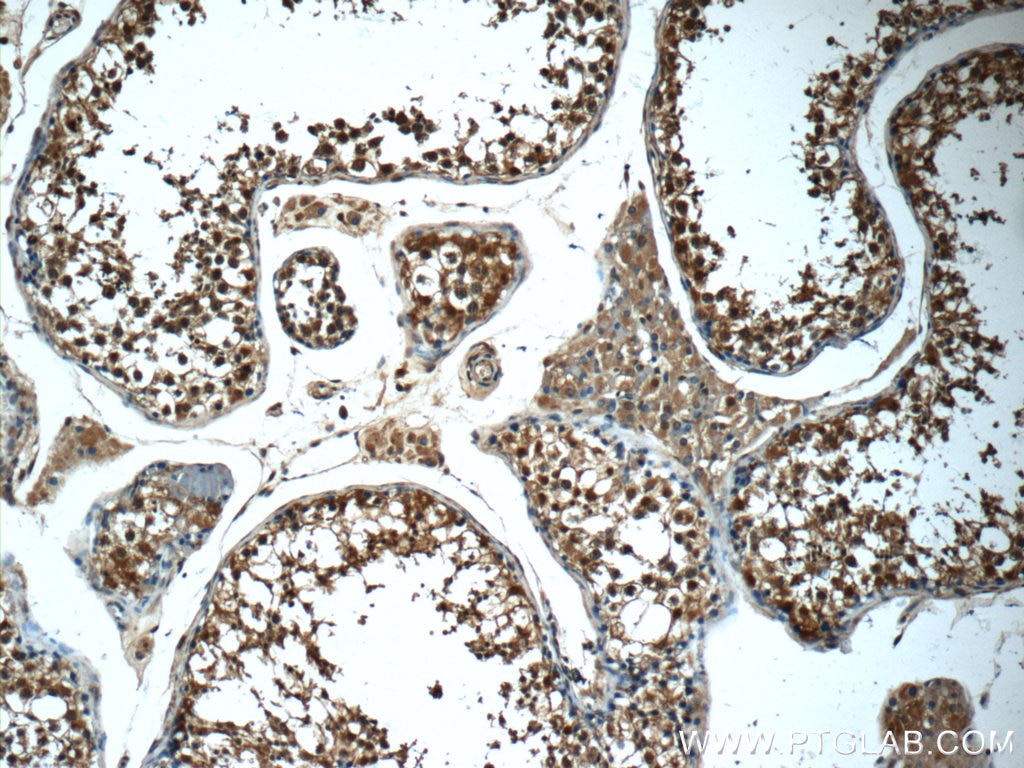
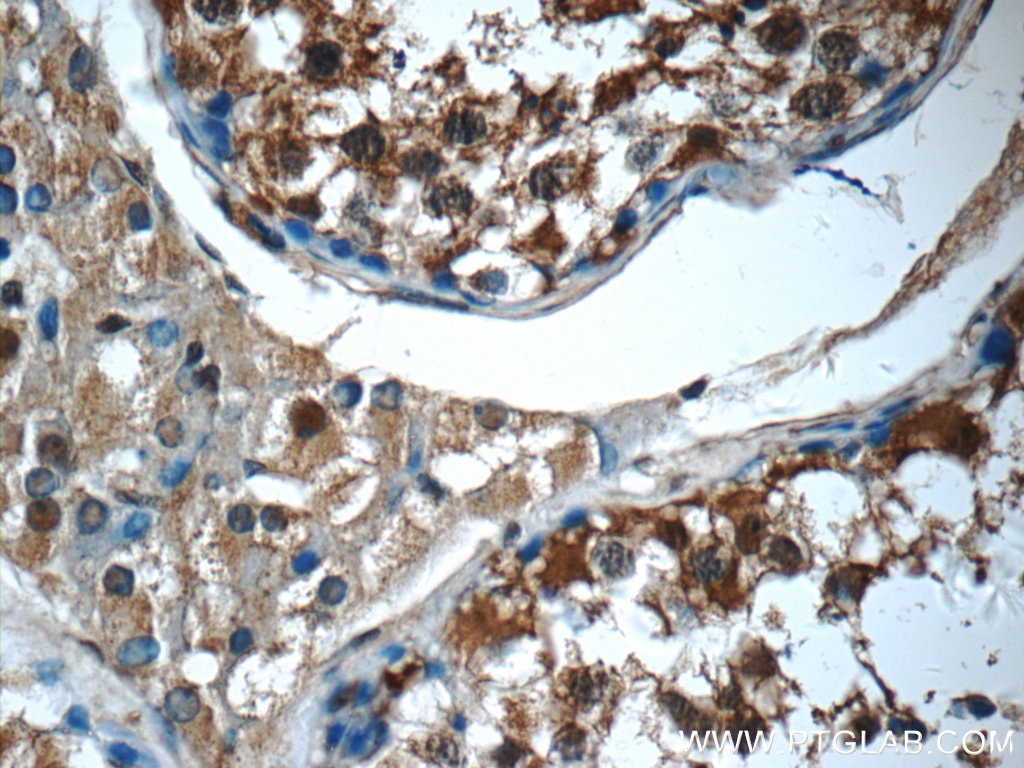
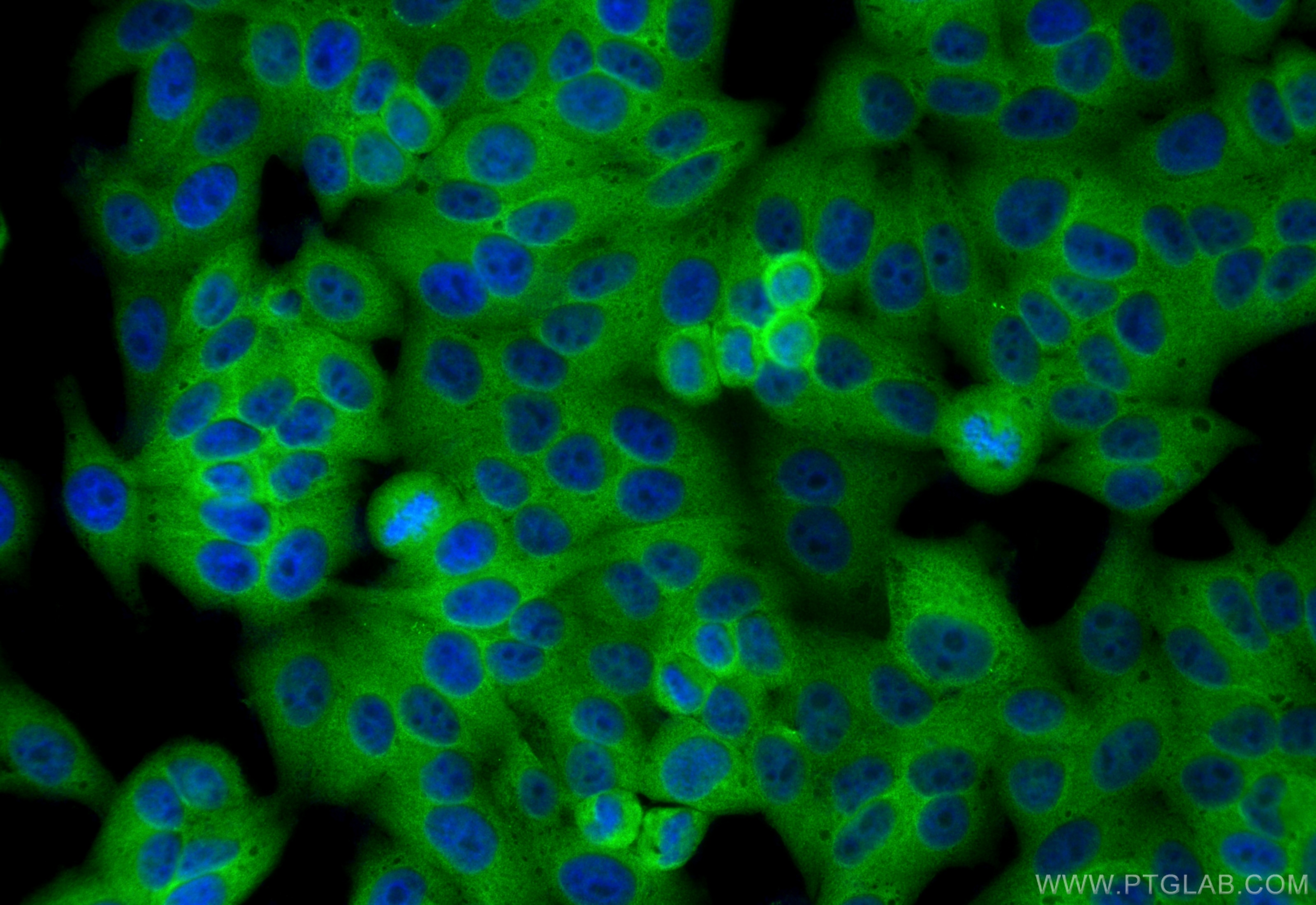
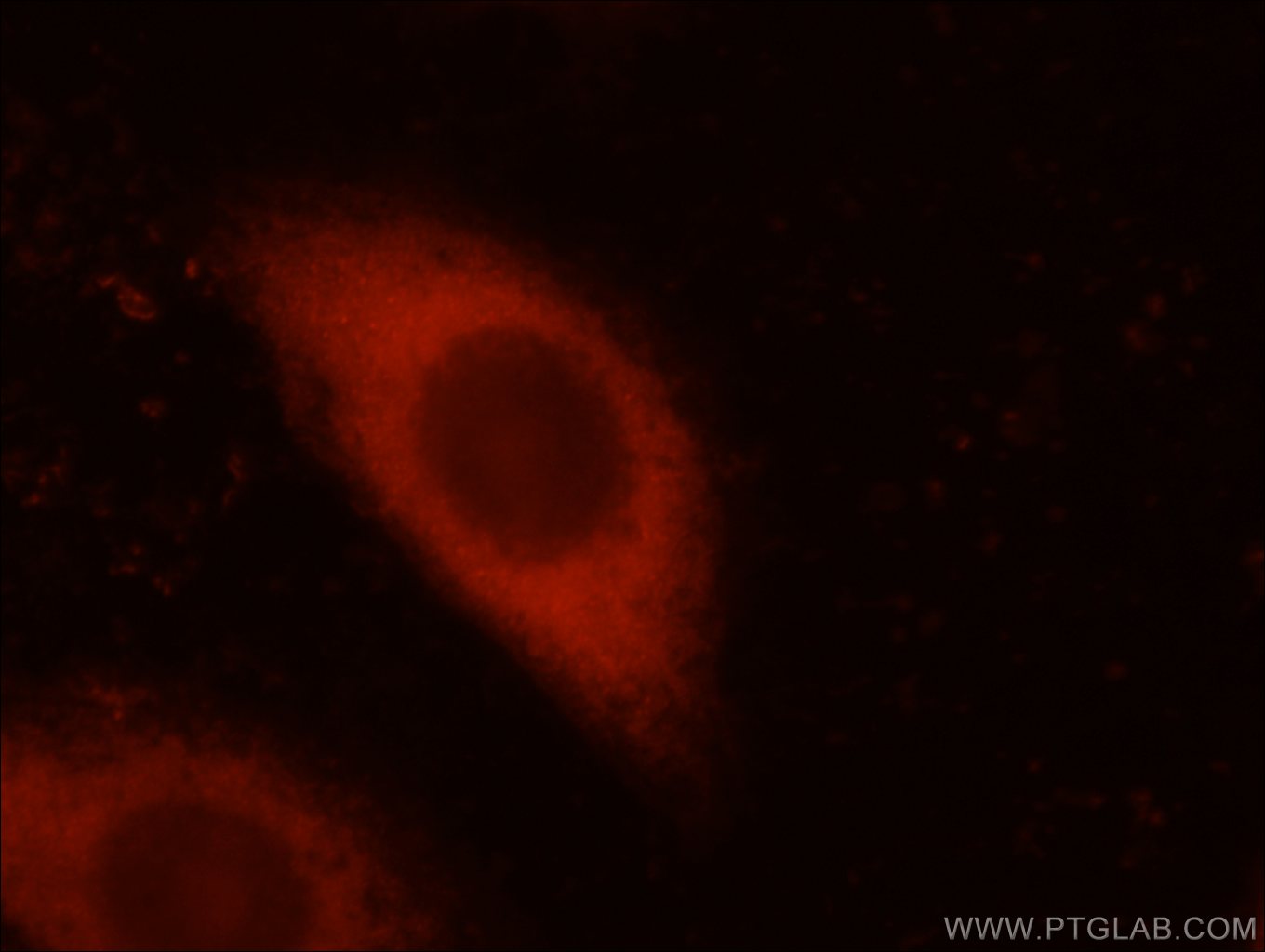
Tested Applications
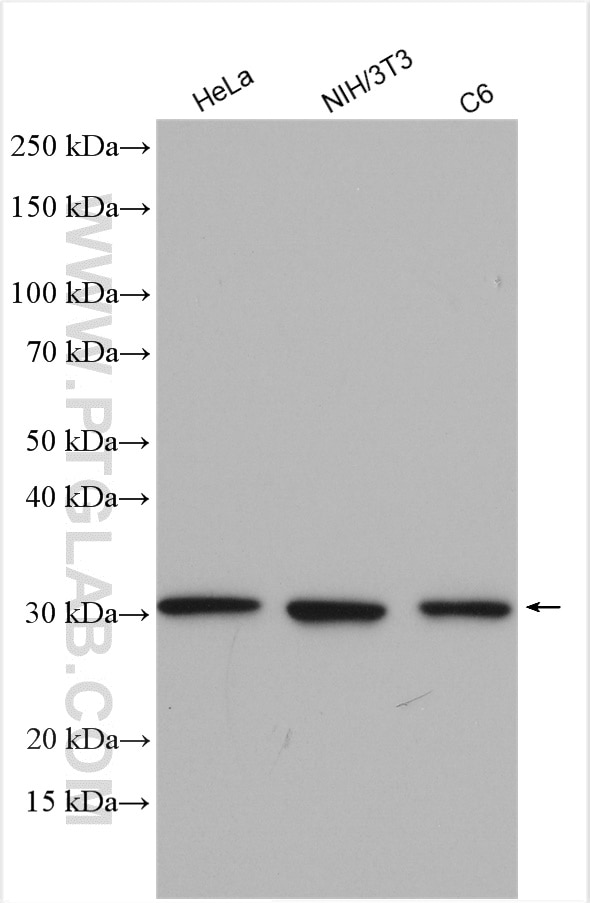
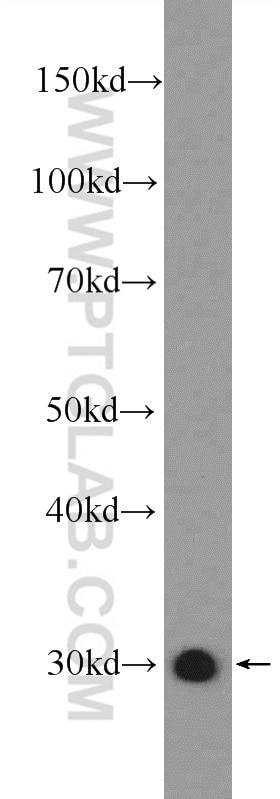
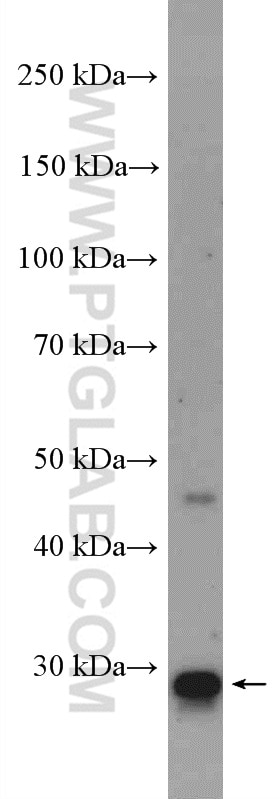
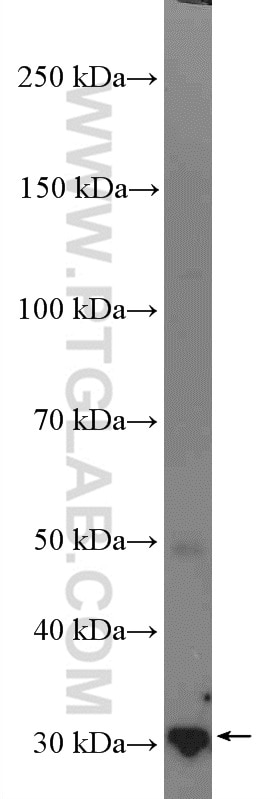
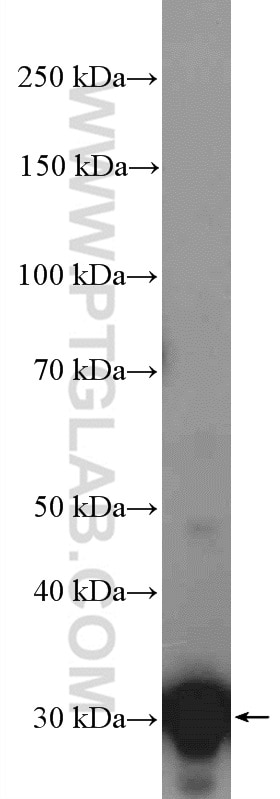
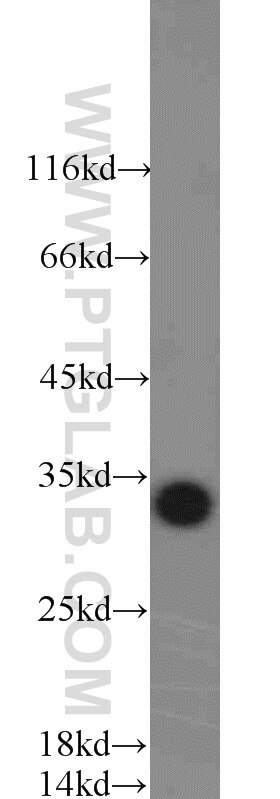
| Positive WB detected in | HeLa cells, mouse liver tissue, mouse brain tissue, Jurkat cells, rat liver tissue, mouse heart tissue, NIH/3T3 cells, C6 cells |
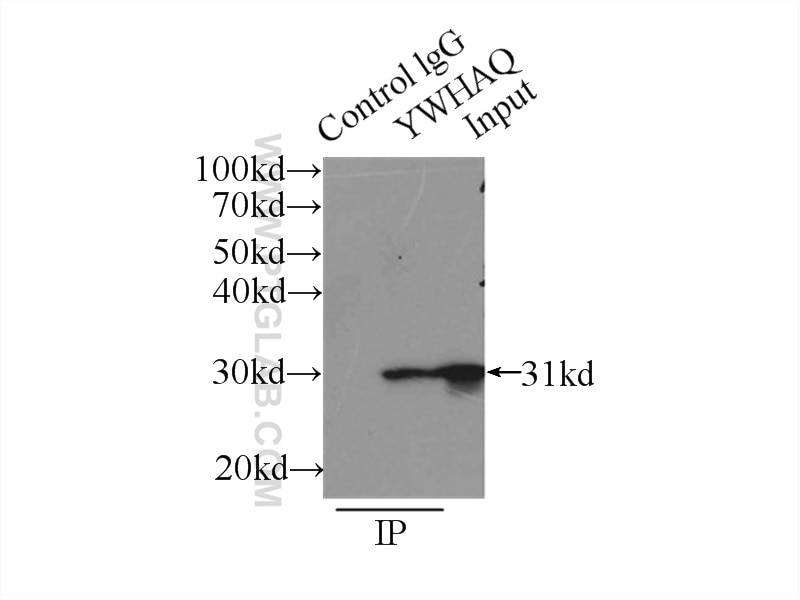
| Positive IP detected in | mouse lung tissue |
| Positive IF/ICC detected in | HepG2 cells |
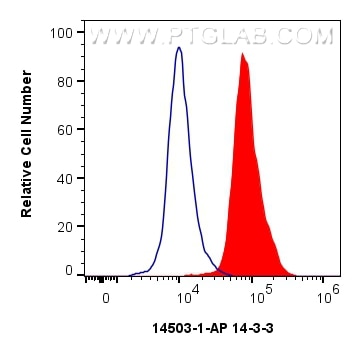
| Positive FC (Intra) detected in | HeLa cells |
Recommended dilution
| Application | Dilution |
|---|---|
| Western Blot (WB) | WB : 1:1000-1:4000 |
| Immunoprecipitation (IP) | IP : 0.5-4.0 ug for 1.0-3.0 mg of total protein lysate |
| Immunofluorescence (IF)/ICC | IF/ICC : 1:200-1:800 |
| Flow Cytometry (FC) (INTRA) | FC (INTRA) : 0.40 ug per 10^6 cells in a 100 µl suspension |
| It is recommended that this reagent should be titrated in each testing system to obtain optimal results. | |
| Sample-dependent, Check data in validation data gallery. | |
Published Applications
| KD/KO | See 4 publications below |
| WB | See 18 publications below |
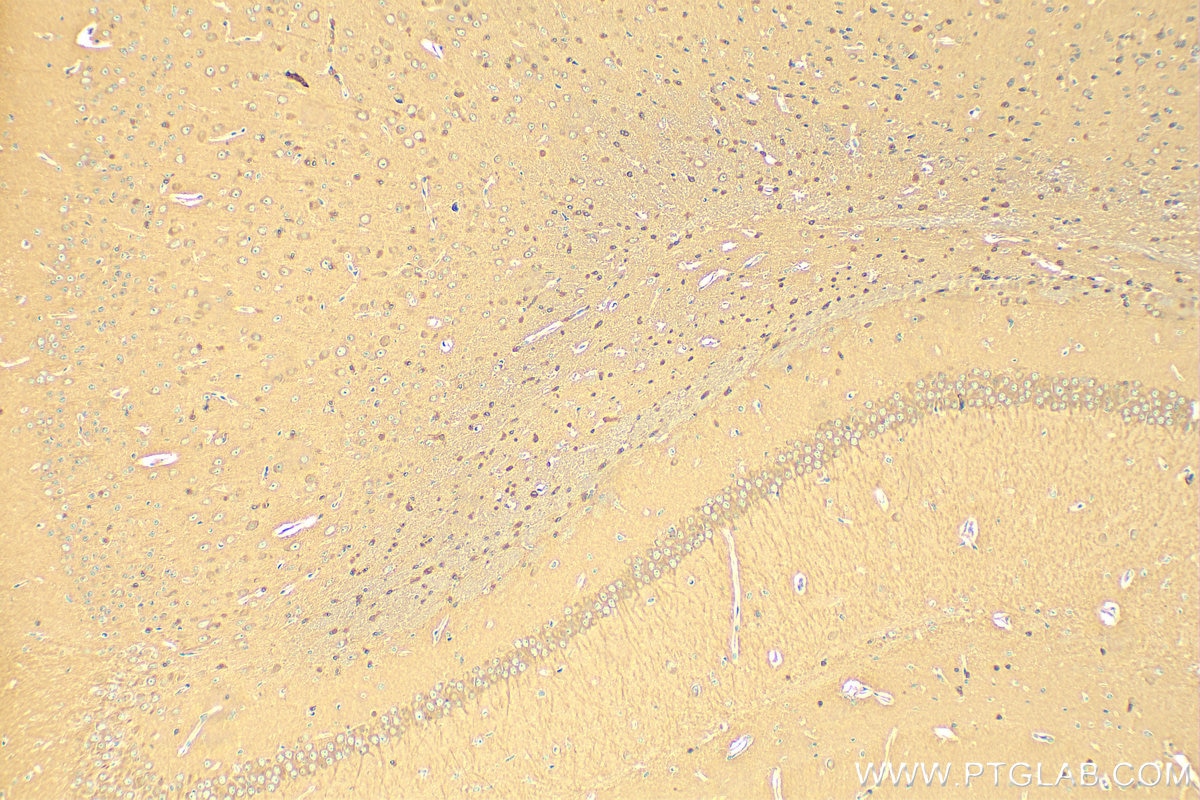
| IHC | See 2 publications below |
| IF | See 1 publications below |
| IP | See 4 publications below |
| CoIP | See 4 publications below |
| RIP | See 2 publications below |
Product Information
14503-1-AP targets 14-3-3 in WB, IHC, IF/ICC, FC (Intra), IP, CoIP, RIP, ELISA applications and shows reactivity with human, mouse, rat samples.
| Tested Reactivity | human, mouse, rat |
| Cited Reactivity | human, mouse, rat, chicken |
| Host / Isotype | Rabbit / IgG |
| Class | Polyclonal |
| Type | Antibody |
| Immunogen |
CatNo: Ag5959 Product name: Recombinant human 14-3-3 protein Source: e coli.-derived, PGEX-4T Tag: GST Domain: 1-245 aa of BC056867 Sequence: MEKTELIQKAKLAEQAERYDDMATCMKAVTEQGAELSNEERNLLSVAYKNVVGGRRSAWRVISSIEQKTDTSDKKLQLIKDYREKVESELRSICTTVLELLDKYLIANATNPESKVFYLKMKGDYFRYLAEVACGDDRKQTIDNSQGAYQEAFDISKKEMQPTHPIRLGLALNFSVFYYEILNNPELACTLAKTAFDEAIAELDTLNEDSYKDSTLIMQLLRDNLTLWTSDSAGEECDAAEGAEN 相同性解析による交差性が予測される生物種 |
| Full Name | tyrosine 3-monooxygenase/tryptophan 5-monooxygenase activation protein, theta polypeptide |
| Calculated molecular weight | 28 kDa |
| Observed molecular weight | 31 kDa |
| GenBank accession number | BC056867 |
| Gene Symbol | 14-3-3 theta |
| Gene ID (NCBI) | 10971 |
| RRID | AB_2218096 |
| Conjugate | Unconjugated |
| Form | |
| Form | Liquid |
| Purification Method | Antigen affinity purification |
| UNIPROT ID | P27348 |
| Storage Buffer | PBS with 0.02% sodium azide and 50% glycerol{{ptg:BufferTemp}}7.3 |
| Storage Conditions | Store at -20°C. Stable for one year after shipment. Aliquoting is unnecessary for -20oC storage. |
Background Information
14-3-3 proteins are the first phosphoserine/phosphothreonine-binding proteins to be discovered. 14-3-3 family members interact with a wide spectrum of proteins and possess diverse functions. Mammals express seven distinct 14-3-3 isoforms (gamma, epsilon, beta, zeta, sigma, theta, tau) that form multiple homo- and hetero- dimmers. 14-3-3 proteins display the highest expression levels in the brain, and have been implicated in several neurodegenerative diseases, including Alzheimer's disease and amyotrophic lateral sclerosis.
Protocols
| Product Specific Protocols | |
|---|---|
| FC protocol for 14-3-3 antibody 14503-1-AP | Download protocol |
| IF protocol for 14-3-3 antibody 14503-1-AP | Download protocol |
| IHC protocol for 14-3-3 antibody 14503-1-AP | Download protocol |
| IP protocol for 14-3-3 antibody 14503-1-AP | Download protocol |
| WB protocol for 14-3-3 antibody 14503-1-AP | Download protocol |
| Standard Protocols | |
|---|---|
| Click here to view our Standard Protocols |
Publications
| Species | Application | Title |
|---|---|---|
Drug Resist Updat FOXK2 affects cancer cell response to chemotherapy by promoting nucleotide de novo synthesis | ||
Neuron Targeting 14-3-3θ-mediated TDP-43 pathology in amyotrophic lateral sclerosis and frontotemporal dementia mice | ||
J Exp Clin Cancer Res CircPAK1 promotes the progression of hepatocellular carcinoma via modulation of YAP nucleus localization by interacting with 14-3-3ζ
| ||
Adv Sci (Weinh) Tau Aggregation-Dependent Lipid Peroxide Accumulation Driven by the hsa_circ_0001546/14-3-3/CAMK2D/Tau Complex Inhibits Epithelial Ovarian Cancer Peritoneal Metastasis | ||
Chin Med J (Engl) Regulatory factor X5 promotes hepatocellular carcinoma progression by transactivating tyrosine 3-monooxygenase/tryptophan 5-monooxygenase activation protein theta and suppressing apoptosis. | ||
Int J Biol Macromol Biofilm formation initiating rotifer-specific biopolymer and its predicted components |