
Validation Data Gallery
Tested Applications
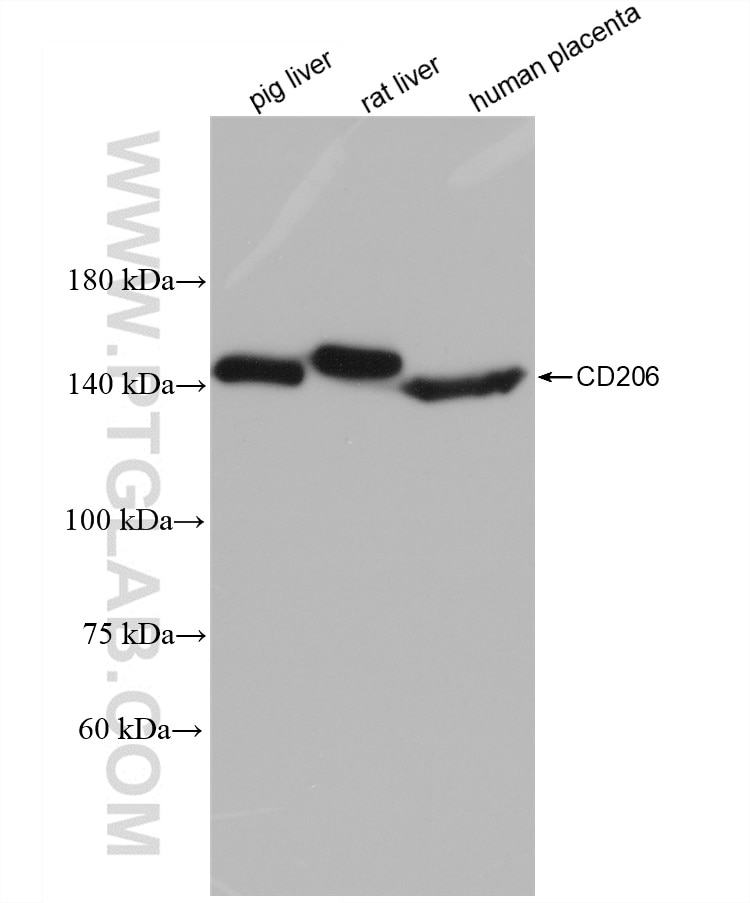
| Positive WB detected in | pig liver tissue, rat liver tissue, human placenta tissue |
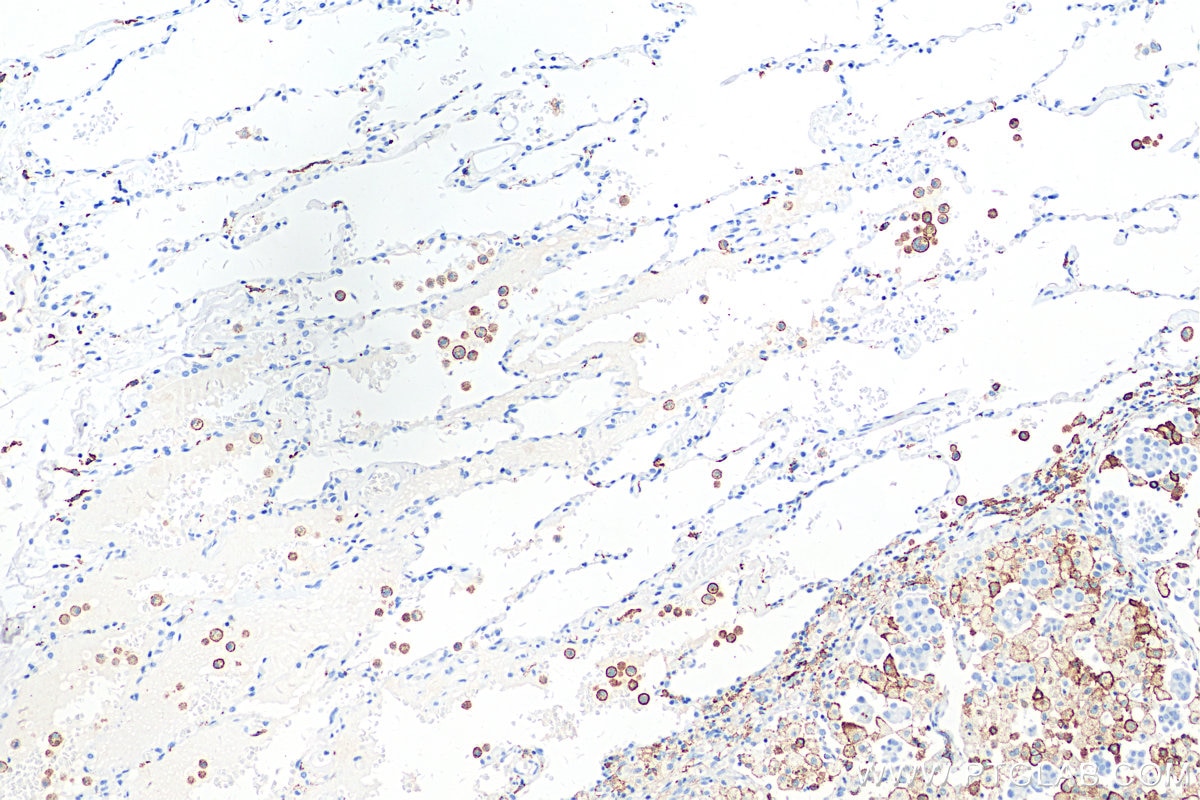
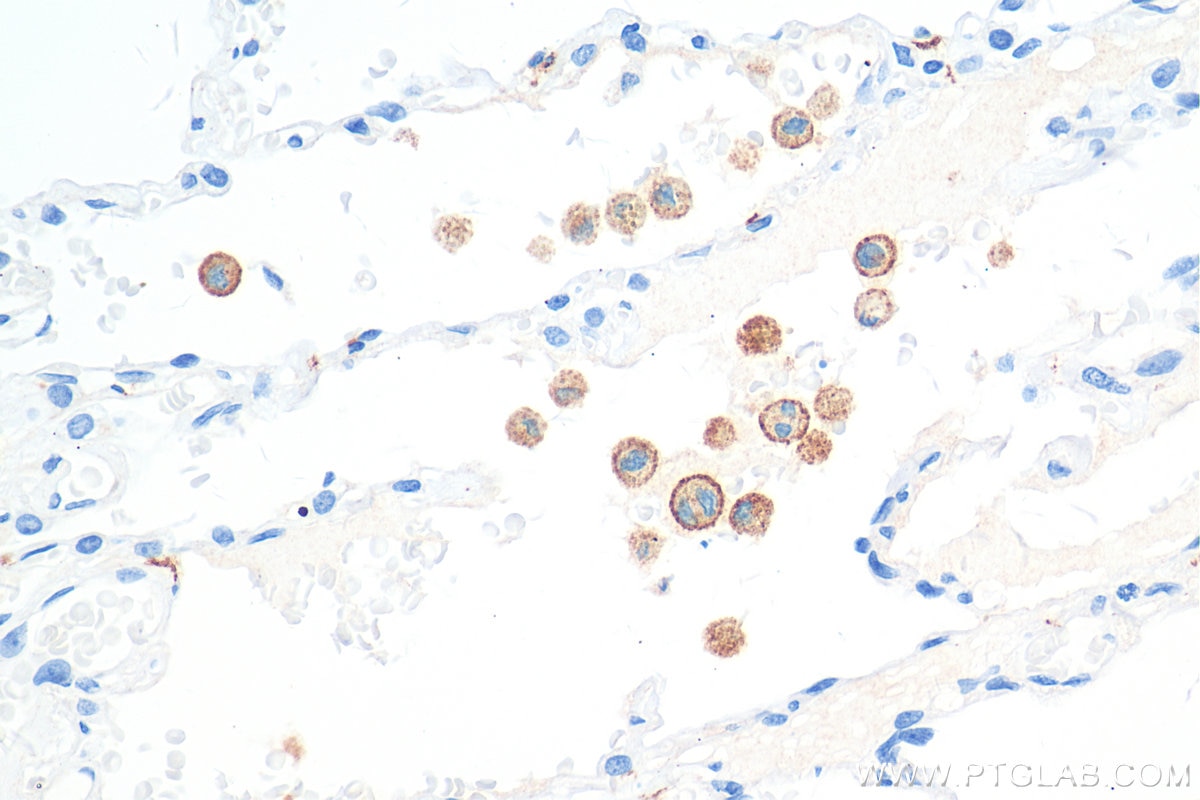
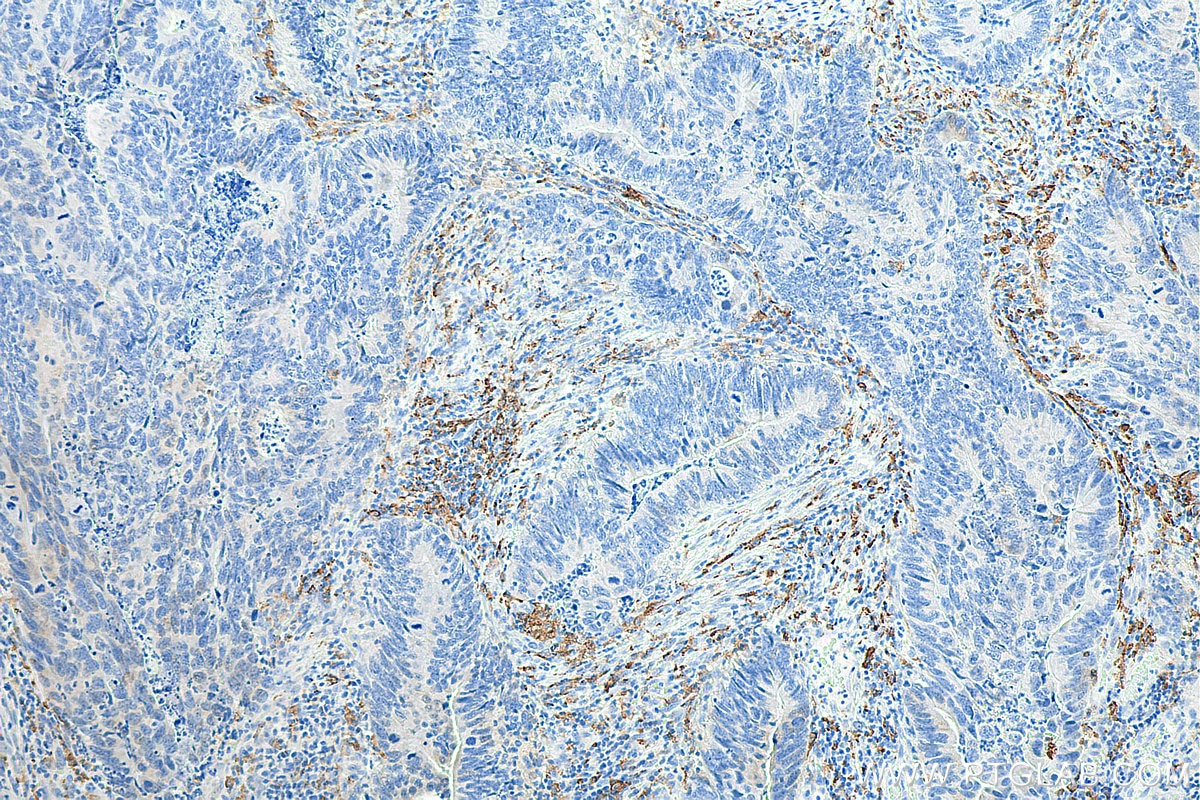
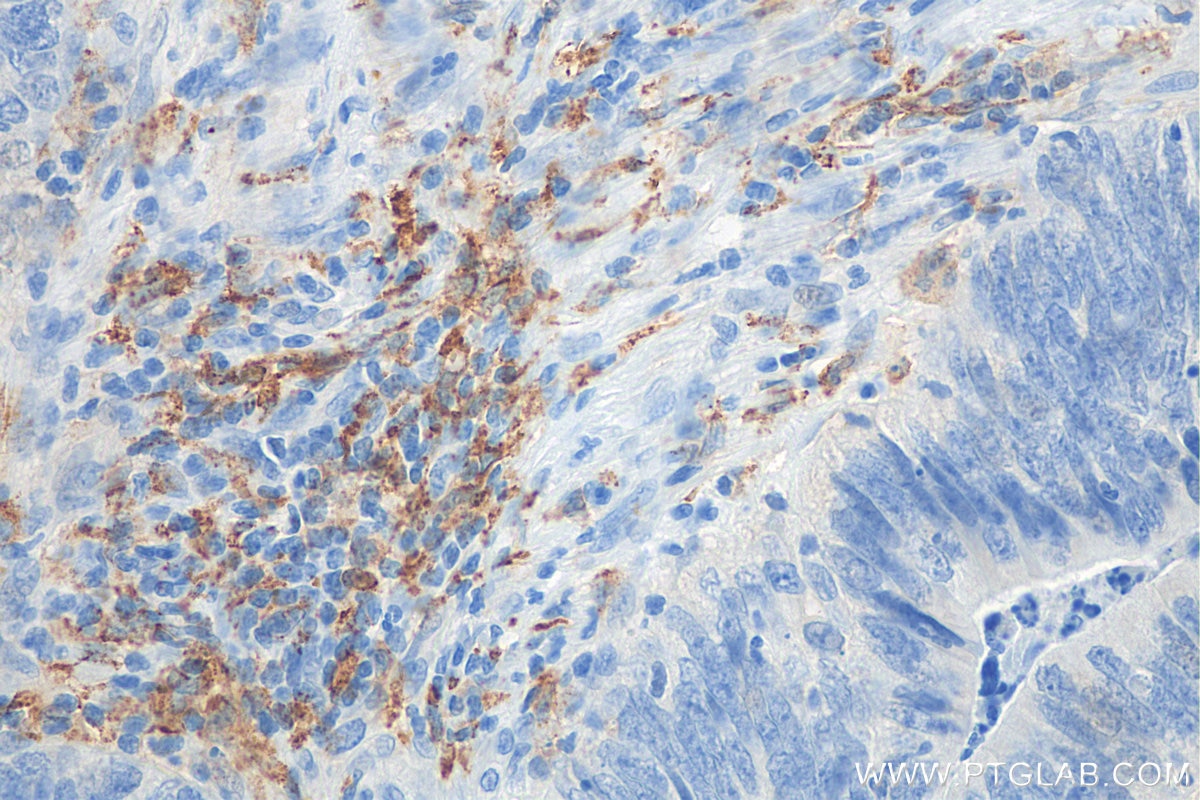
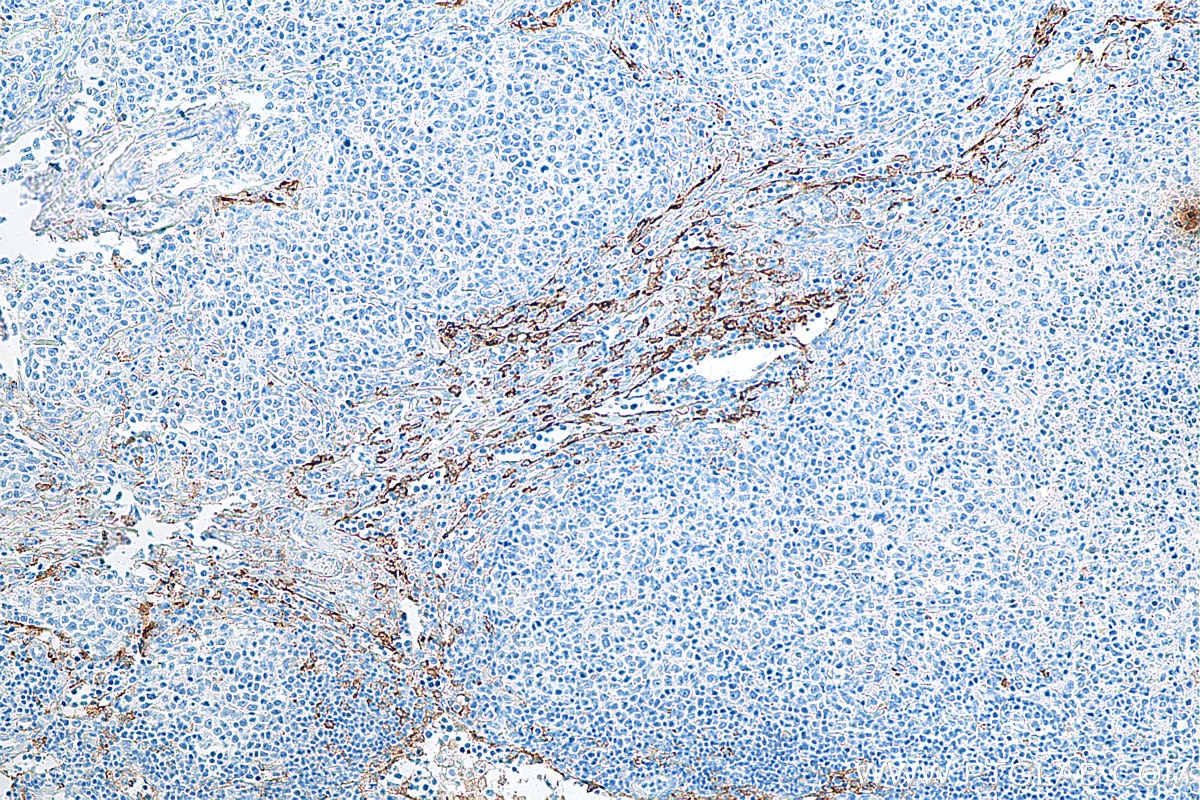
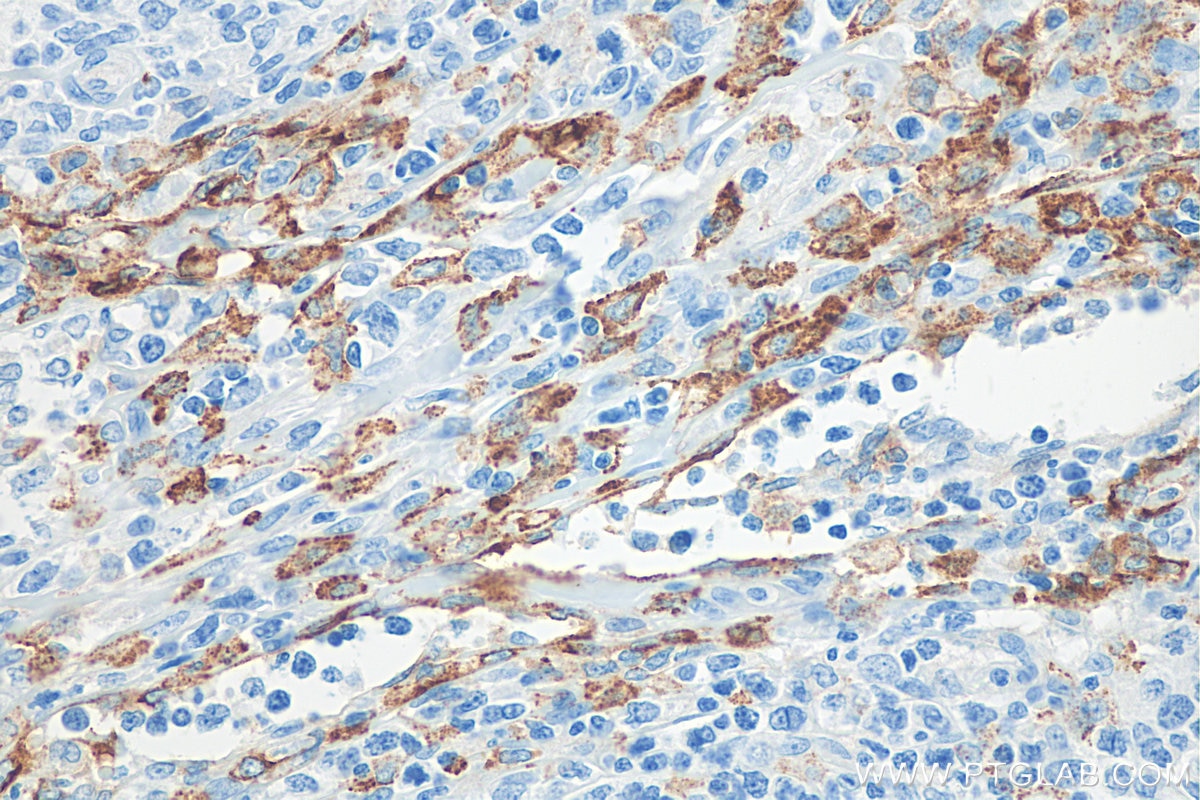
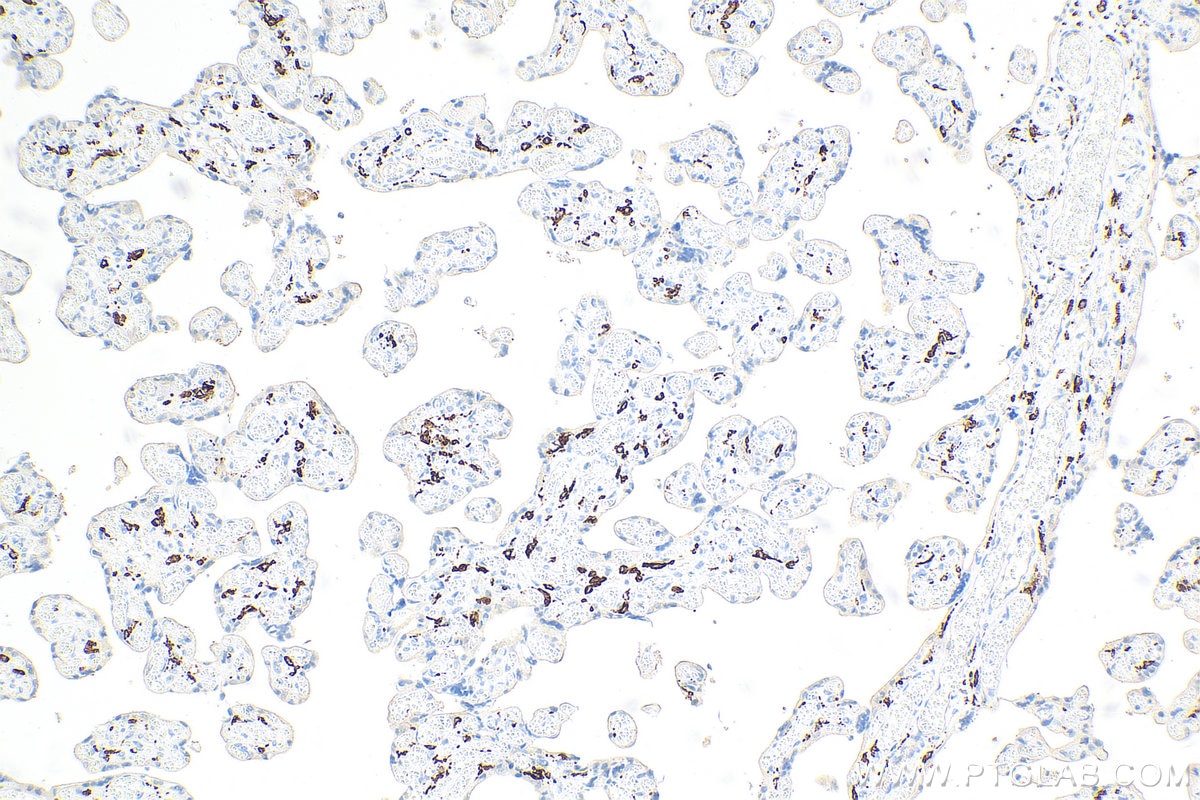
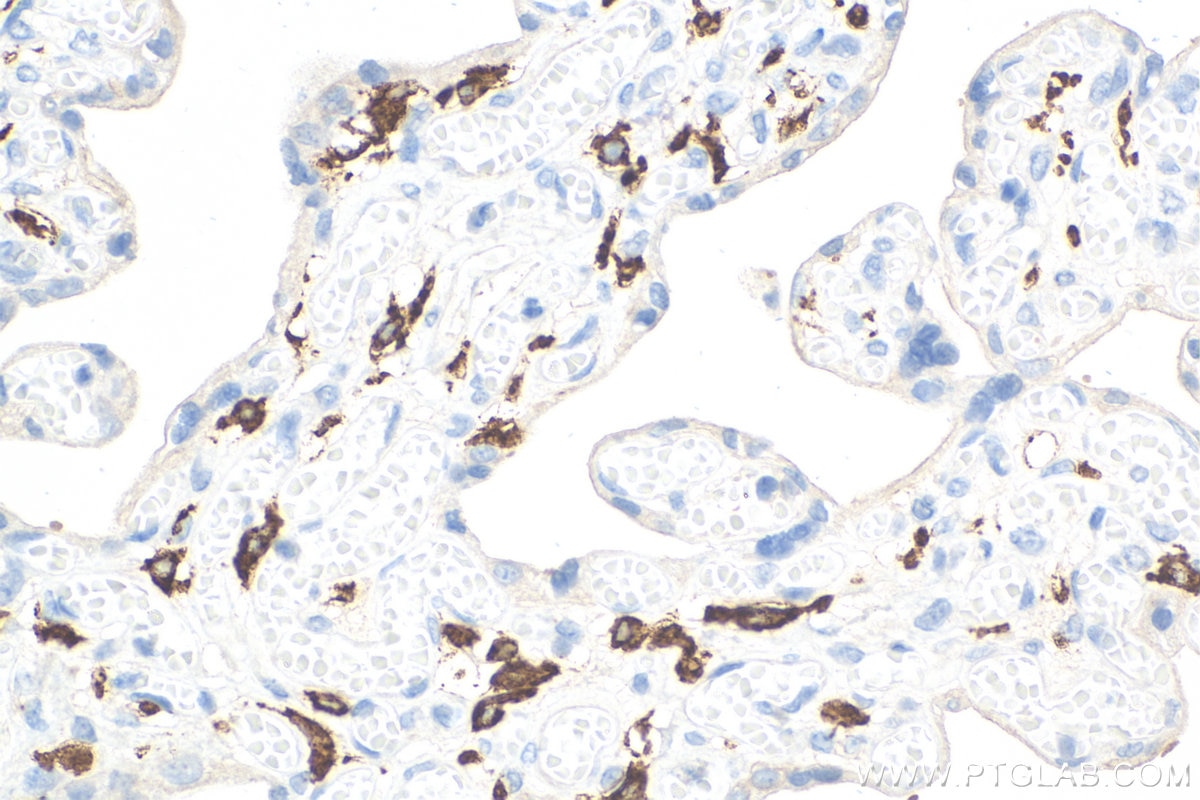
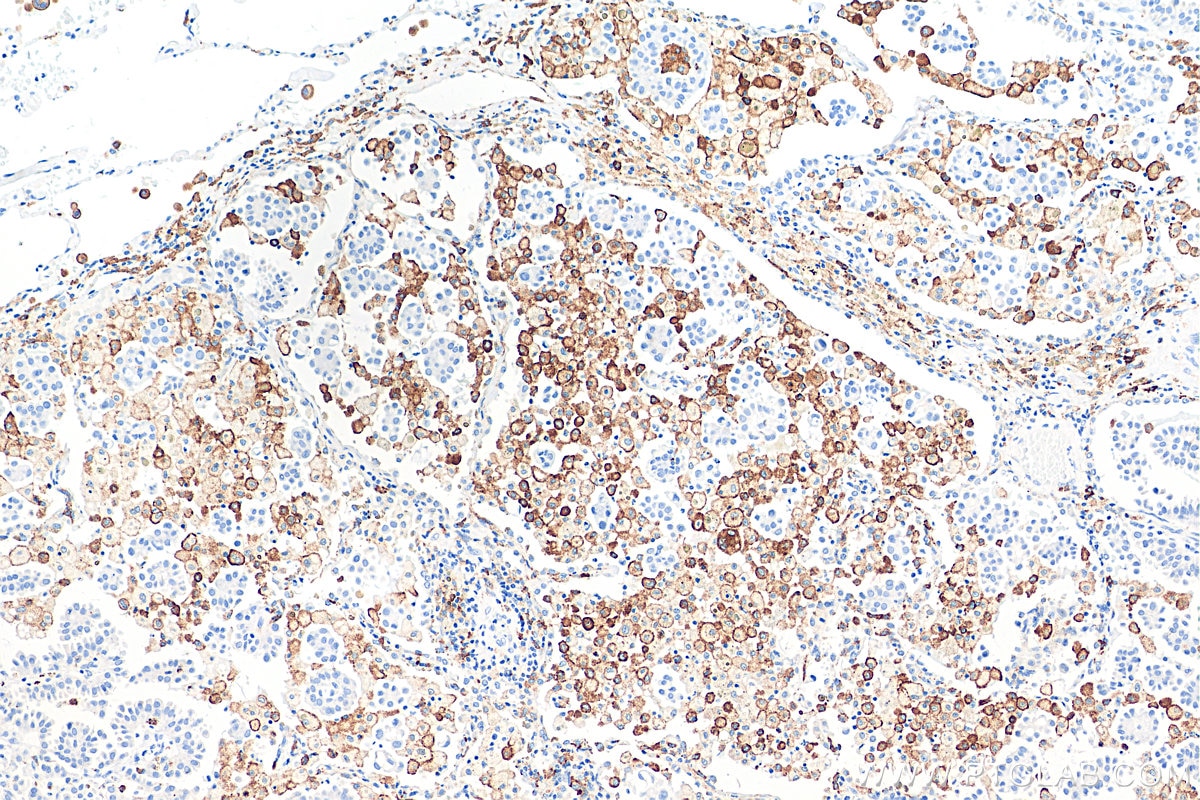
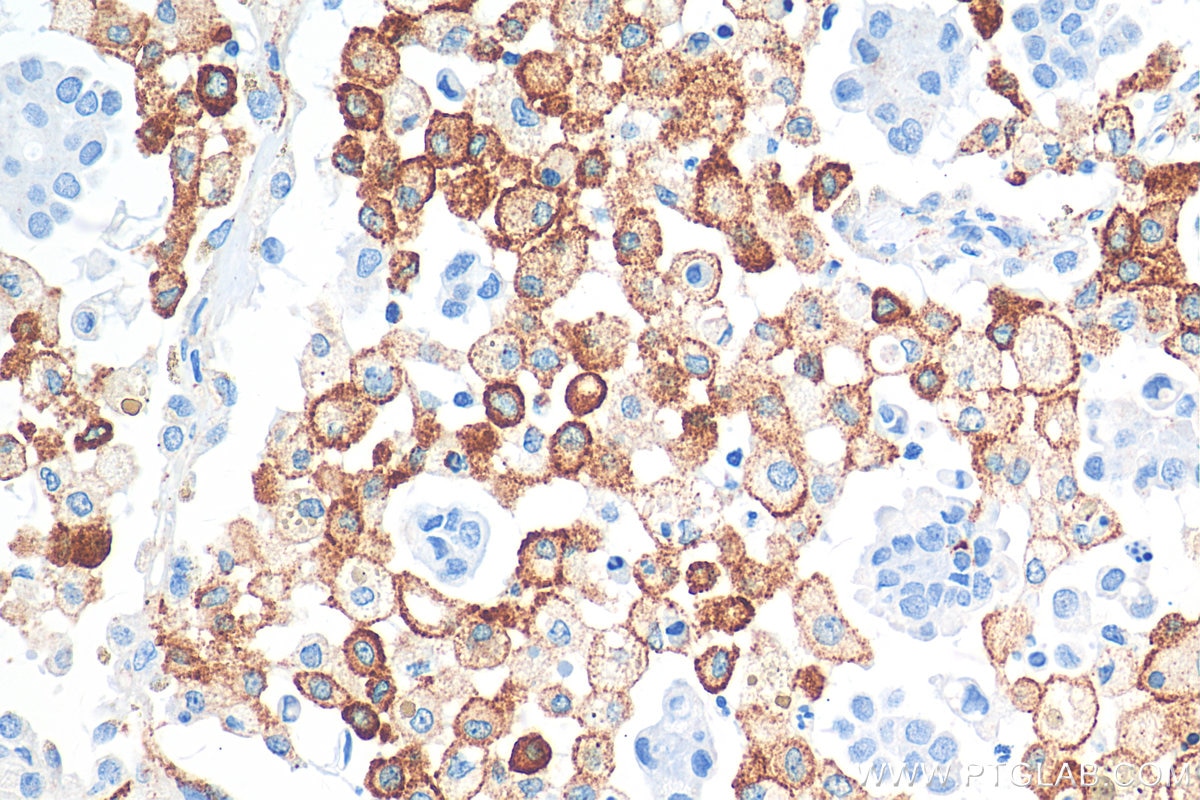
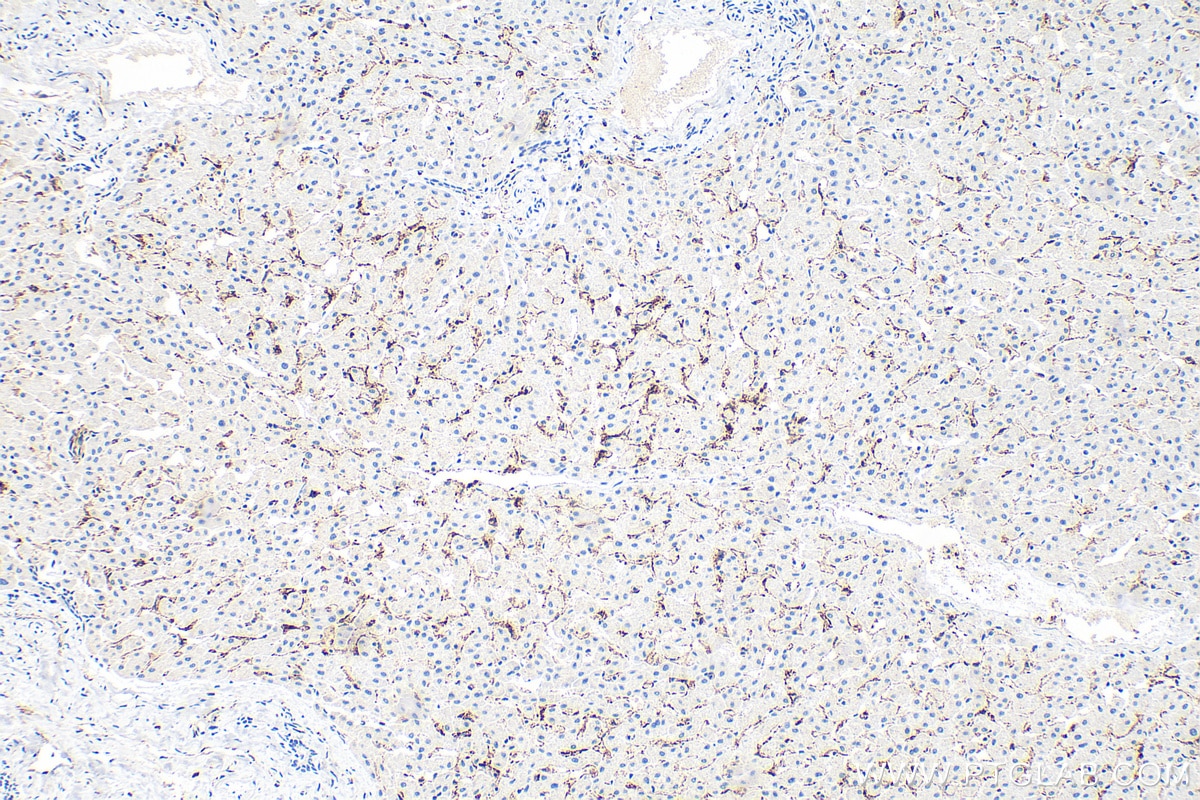
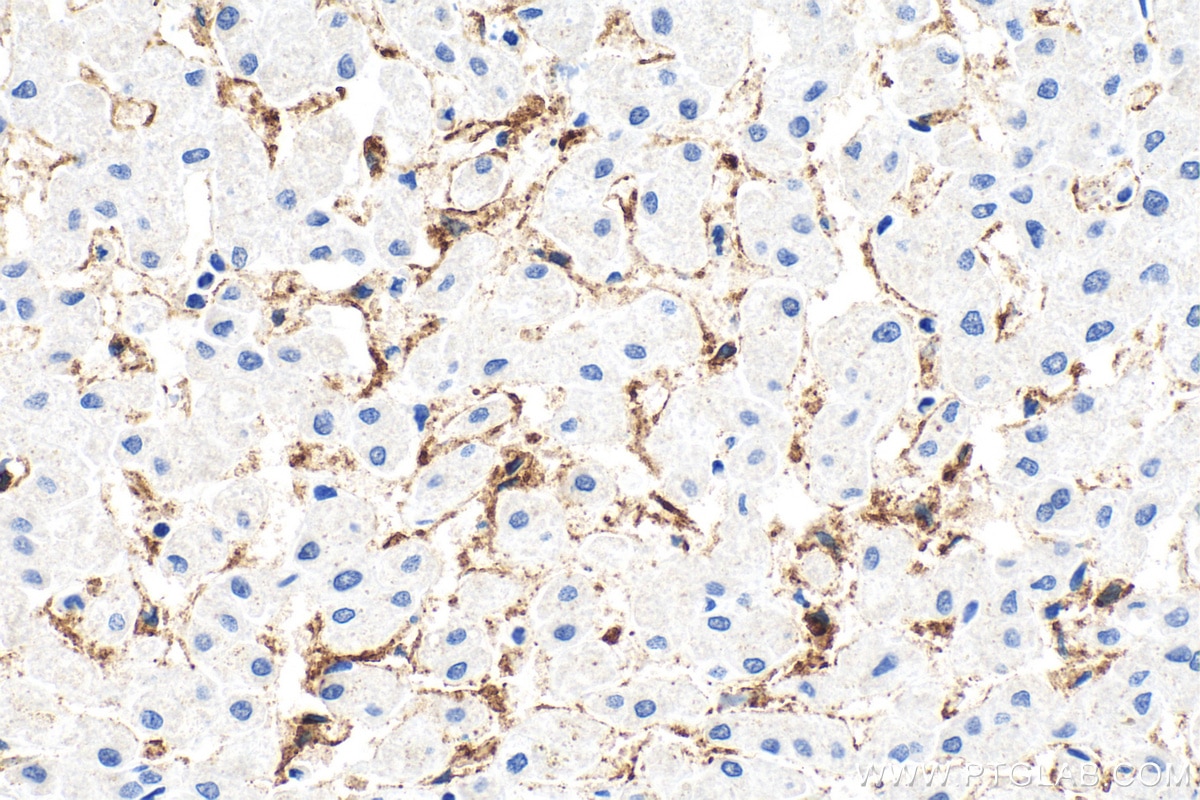
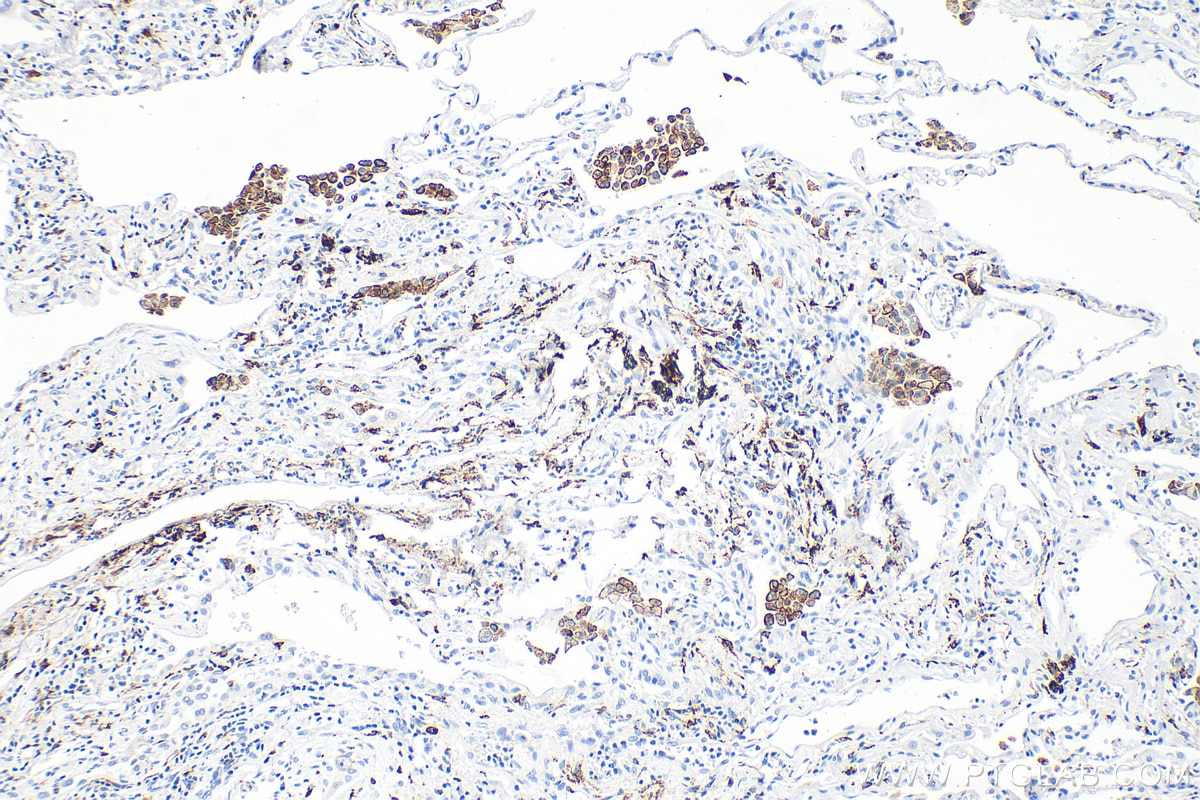
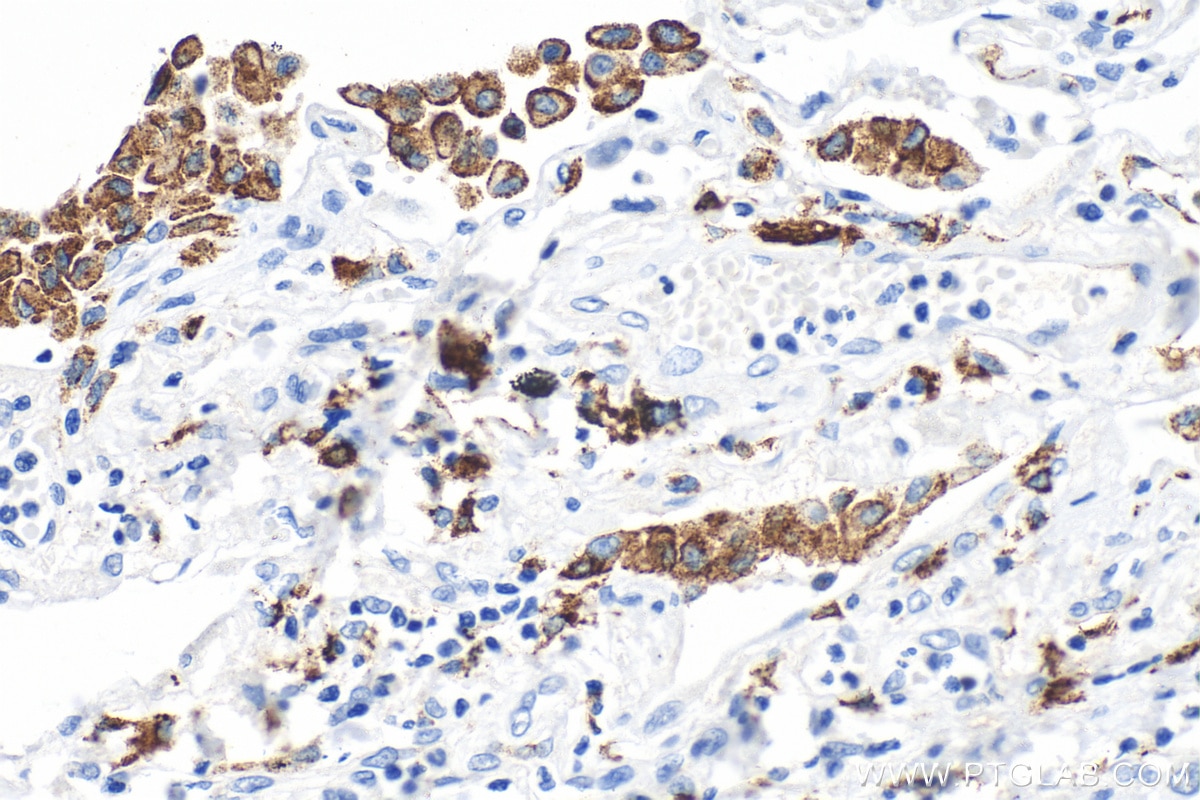
| Positive IHC detected in | human lung cancer tissue, human colon cancer tissue, human liver tissue, human lung tissue, human lymphoma tissue, human placenta tissue Note: suggested antigen retrieval with TE buffer pH 9.0; (*) Alternatively, antigen retrieval may be performed with citrate buffer pH 6.0 |
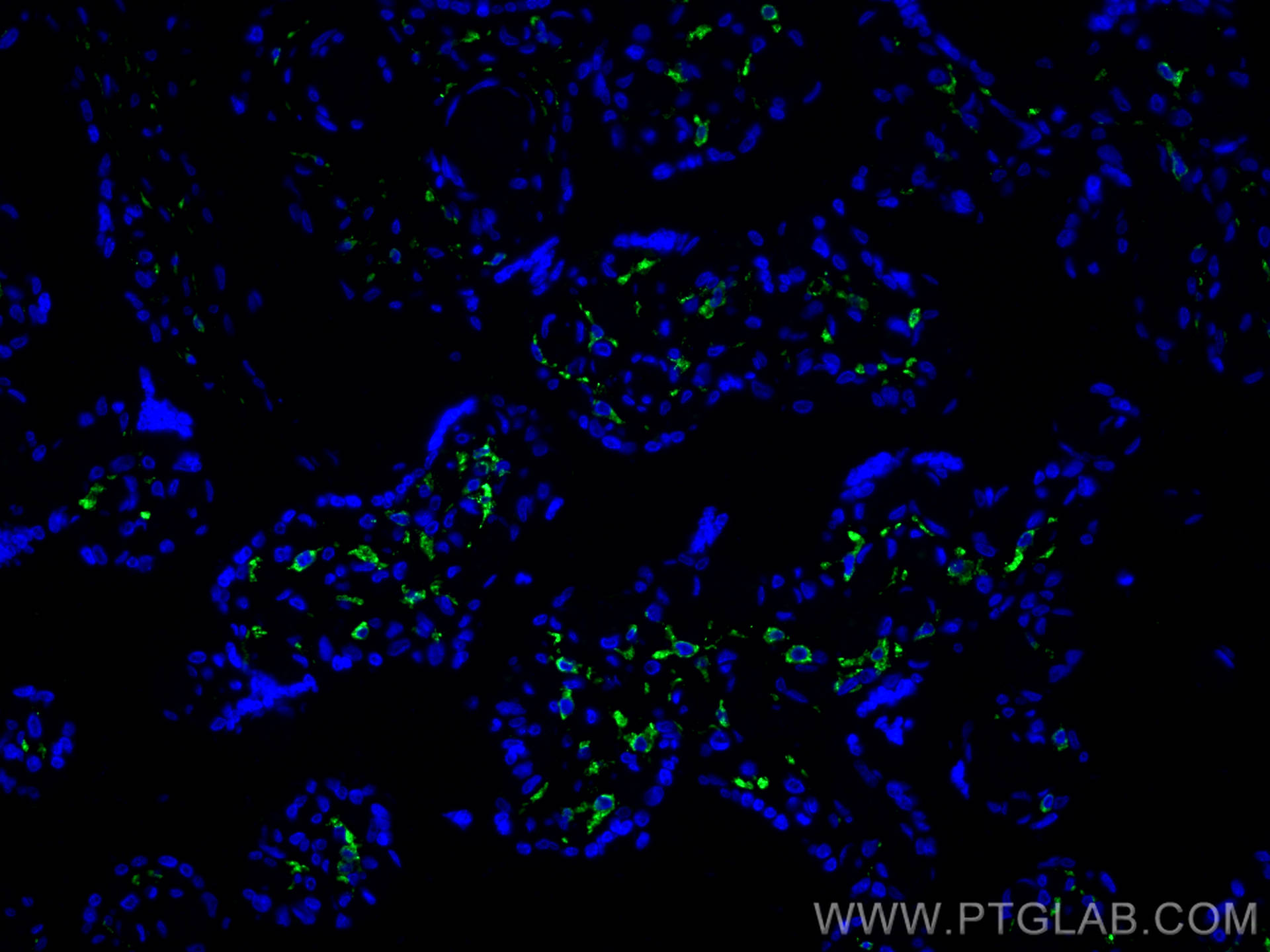
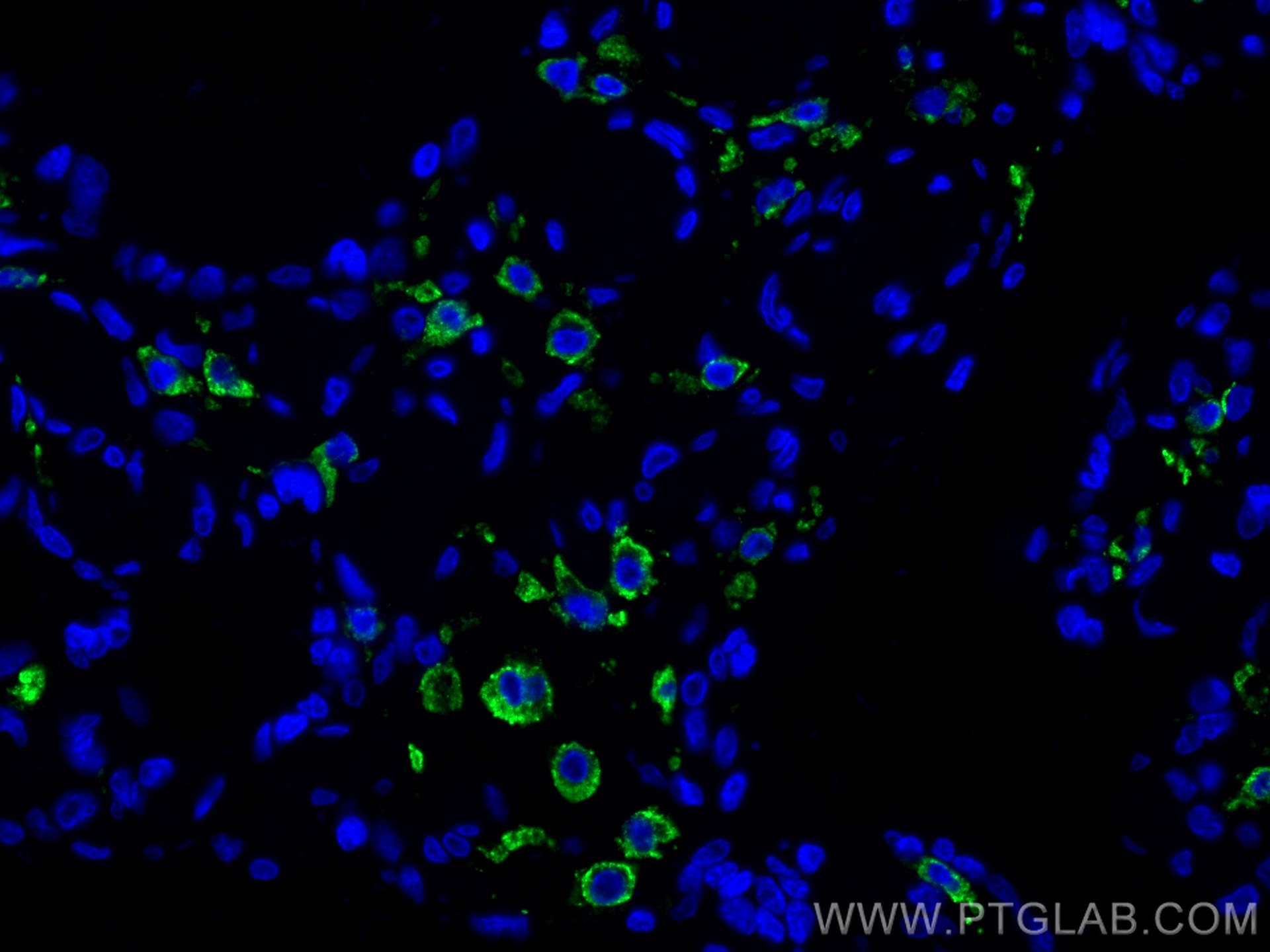
| Positive IF-P detected in | human placenta tissue |
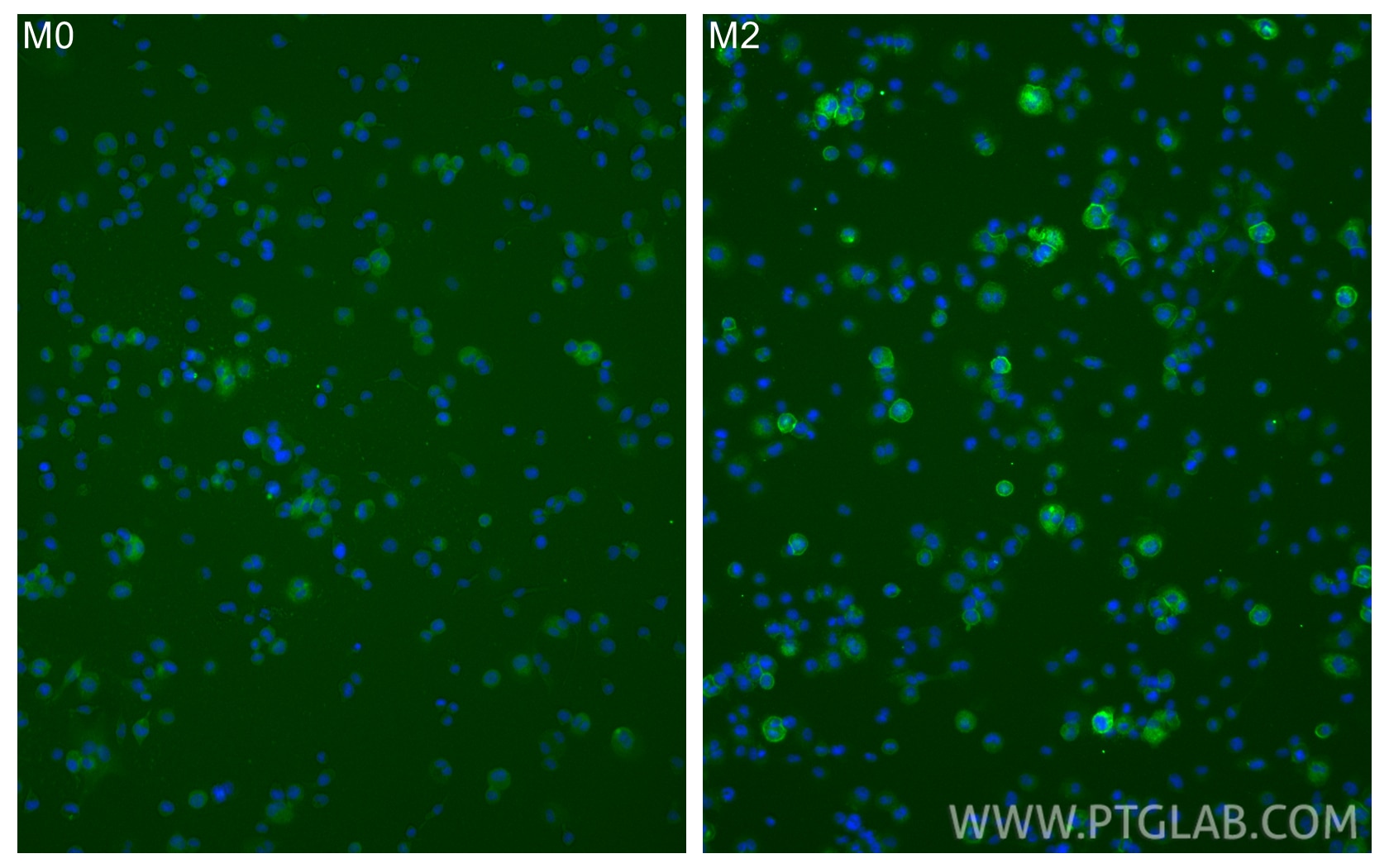
| Positive IF/ICC detected in | PMA, IL-4, and IL-13 treated THP-1 cells |
Recommended dilution
| Application | Dilution |
|---|---|
| Western Blot (WB) | WB : 1:5000-1:50000 |
| Immunohistochemistry (IHC) | IHC : 1:1000-1:4000 |
| Immunofluorescence (IF)-P | IF-P : 1:50-1:500 |
| Immunofluorescence (IF)/ICC | IF/ICC : 1:50-1:500 |
| It is recommended that this reagent should be titrated in each testing system to obtain optimal results. | |
| Sample-dependent, Check data in validation data gallery. | |
Published Applications
| WB | See 9 publications below |
| IHC | See 6 publications below |
| IF | See 26 publications below |
Product Information
81525-1-RR targets CD206 in WB, IHC, IF/ICC, IF-P, ELISA applications and shows reactivity with human, rat, pig samples.
| Tested Reactivity | human, rat, pig |
| Cited Reactivity | human, rat, pig, bovine |
| Host / Isotype | Rabbit / IgG |
| Class | Recombinant |
| Type | Antibody |
| Immunogen |
Peptide 相同性解析による交差性が予測される生物種 |
| Full Name | mannose receptor, C type 1 |
| Calculated molecular weight | 166 kDa |
| Observed molecular weight | 170 kDa |
| GenBank accession number | NM_002438 |
| Gene Symbol | CD206 |
| Gene ID (NCBI) | 4360 |
| RRID | AB_2935558 |
| Conjugate | Unconjugated |
| Form | |
| Form | Liquid |
| Purification Method | Protein A purification |
| UNIPROT ID | P22897 |
| Storage Buffer | PBS with 0.02% sodium azide and 50% glycerol{{ptg:BufferTemp}}7.3 |
| Storage Conditions | Store at -20°C. Stable for one year after shipment. Aliquoting is unnecessary for -20oC storage. |
Background Information
CD206, also named as MMR, CLEC13D and MRC1, is a type I membrane receptor that mediates the endocytosis of glycoproteins by macrophages. CD206 has been shown to bind high-mannose structures on the surface of potentially pathogenic viruses, bacteria, and fungi so that they can be neutralized by phagocytic engulfment. CD206 is a 170 kDa transmembrane protein which contains 5 domains: an amino-terminal cysteine-rich region, a fibronectin type II repeat, a series of eight tandem lectin-like carbohydrate recognition domains (responsible for the recognition of mannose and fucose), a transmembrane domain, and an intracellular carboxy-terminal tail. It is expressed on most tissue macrophages, in vitro derived dendritic cells, lymphatic and sinusoidal endothelia.
Protocols
| Product Specific Protocols | |
|---|---|
| IF protocol for CD206 antibody 81525-1-RR | Download protocol |
| IHC protocol for CD206 antibody 81525-1-RR | Download protocol |
| WB protocol for CD206 antibody 81525-1-RR | Download protocol |
| Standard Protocols | |
|---|---|
| Click here to view our Standard Protocols |
Publications
| Species | Application | Title |
|---|---|---|
Exploration (Beijing) Specifically Breaking Through the Injured Blood-Brain Barrier With Tannic Acid-Based Nanomedicine for Ischemic Stroke Ischemia Reperfusion Treatment. | ||
Nat Commun Acid-resistant chemotactic DNA micromotors for probiotic delivery in inflammatory bowel disease | ||
ACS Nano Unlocking Neuroprotection: Simultaneous Suppression of Mitochondrial Energetic Collapse and Oxidative-Inflammatory Vortex for Ischemia-Reperfusion Brain Injury. | ||
Theranostics Hsa_circ_0058495-mediated IGF2BP2 ubiquitination and m6A modification of MEKK1 promote the progression of PDAC. | ||
Adv Sci (Weinh) Intrinsically Mitochondria-Targeting Nanozyme via Coordination-Assembly of Natural Quercetin for Cascade Antioxidant Therapy of Cerebral Ischemia-Reperfusion Injury. | ||
Adv Sci (Weinh) Dual Physiological Barriers Bypassed by a Silk-Based Supramolecular Protein Delivery Platform for Neuroinflammation Mitigation in Alzheimer's Disease. |