
Validation Data Gallery
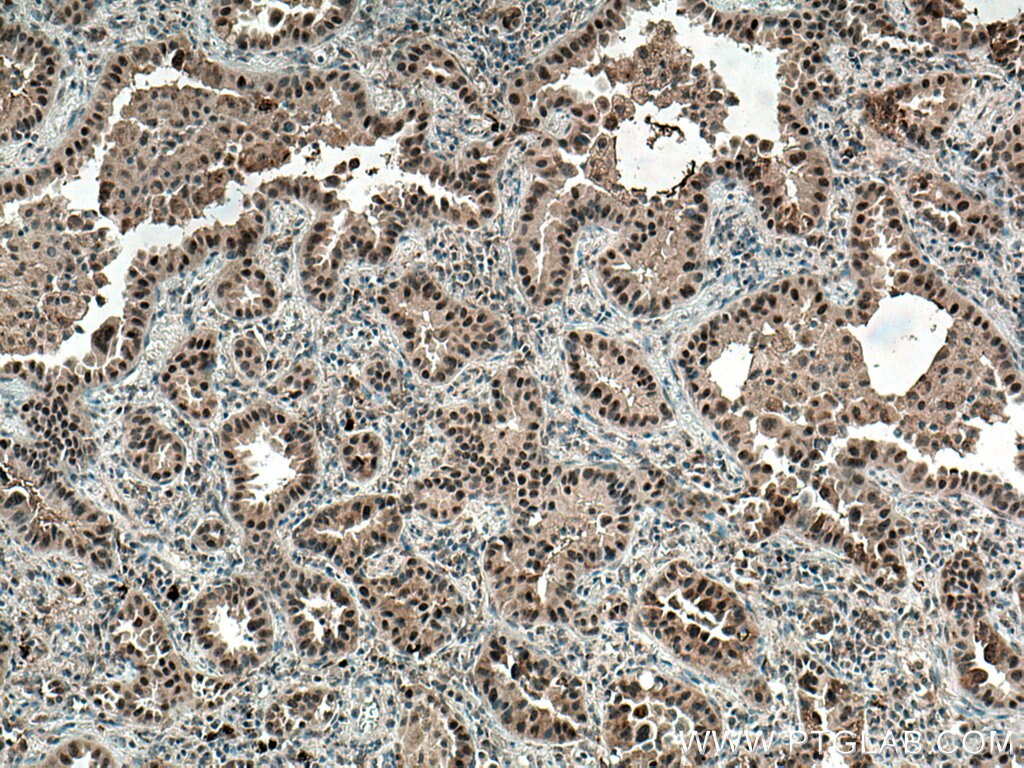
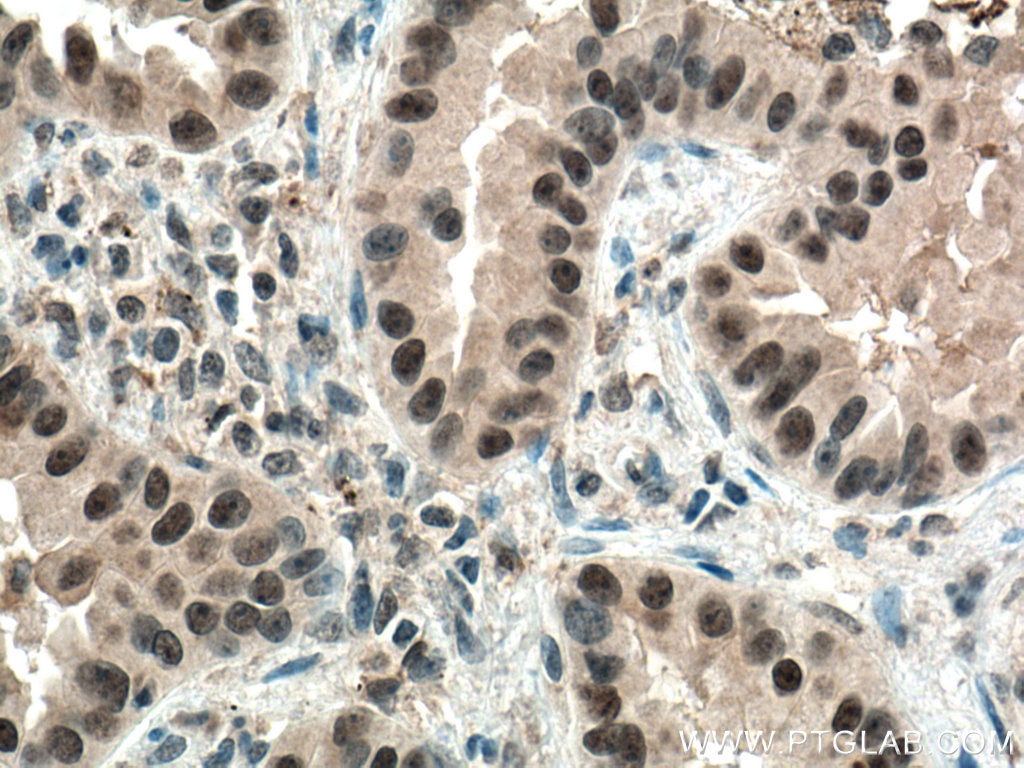
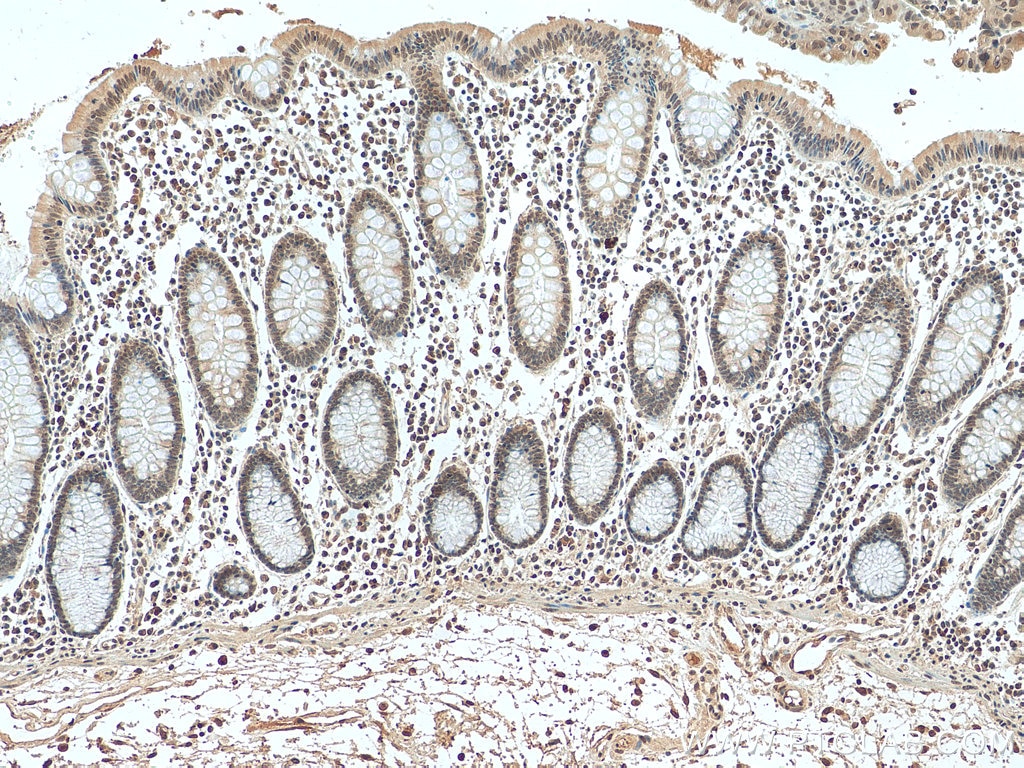
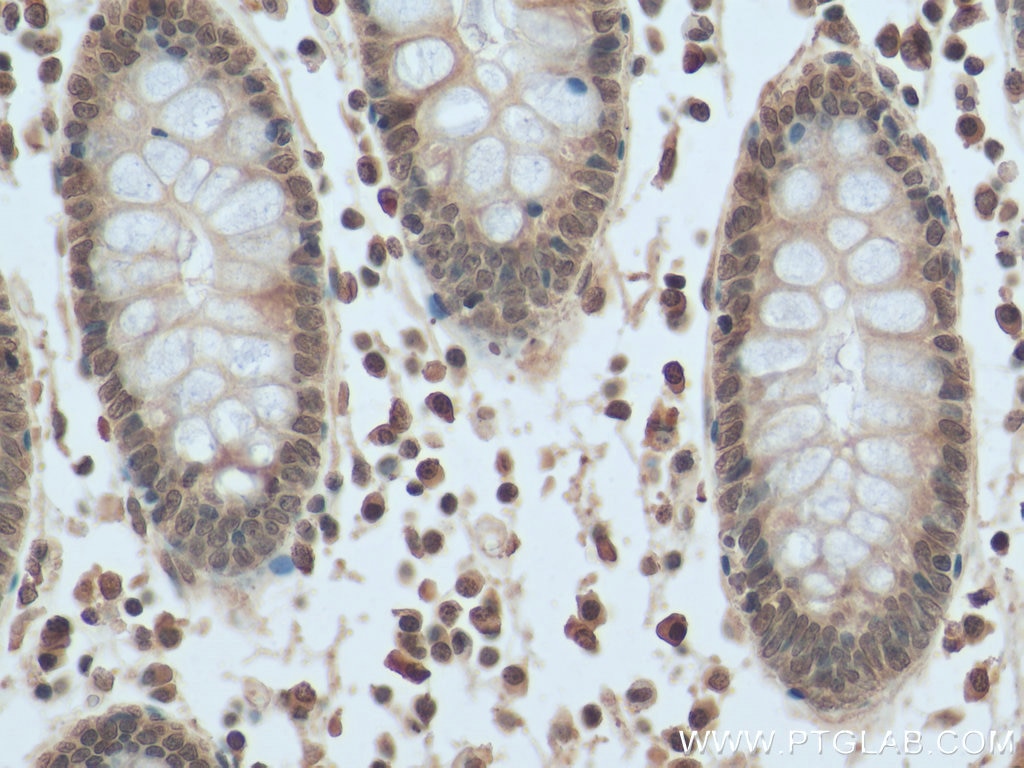
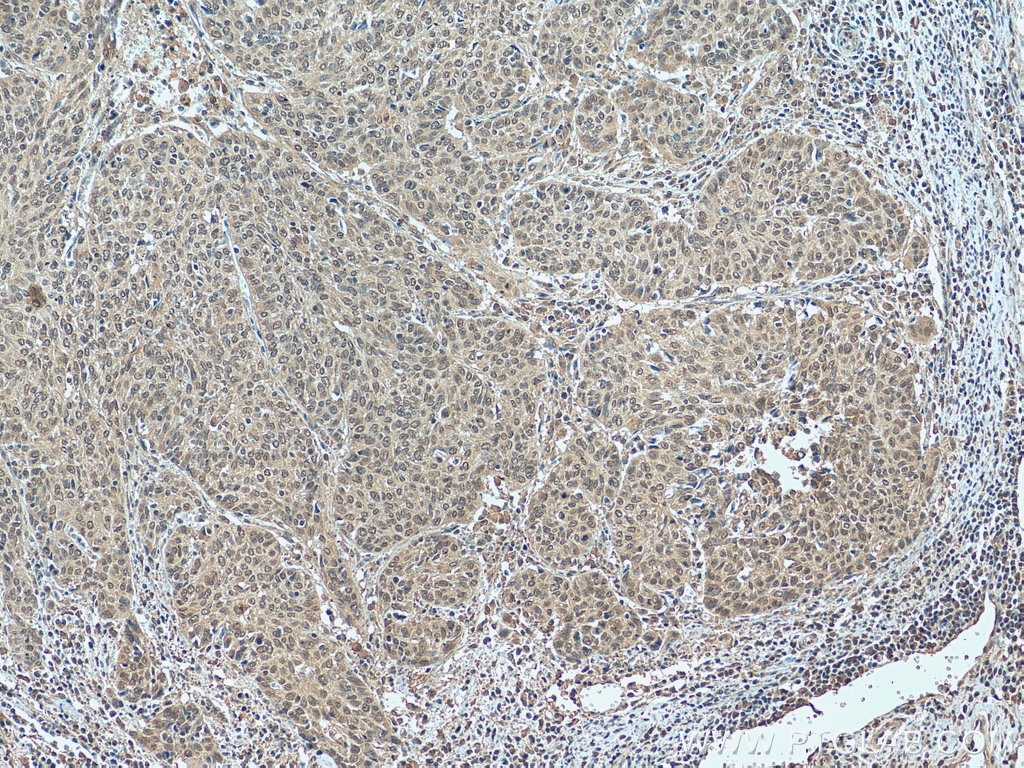
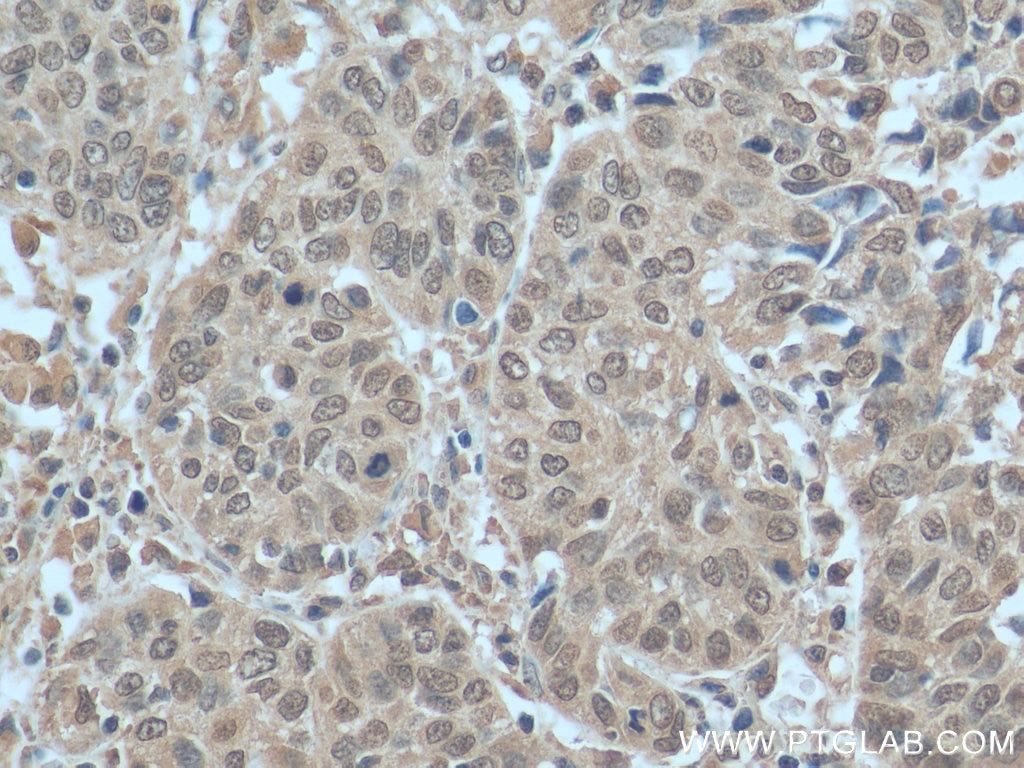
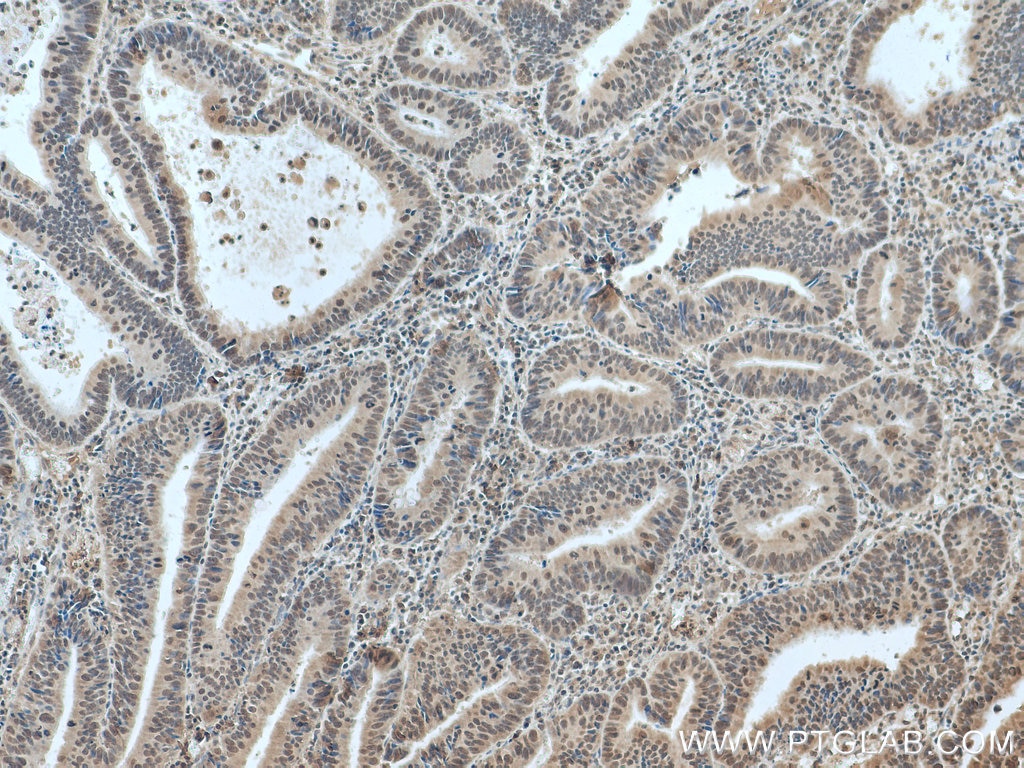
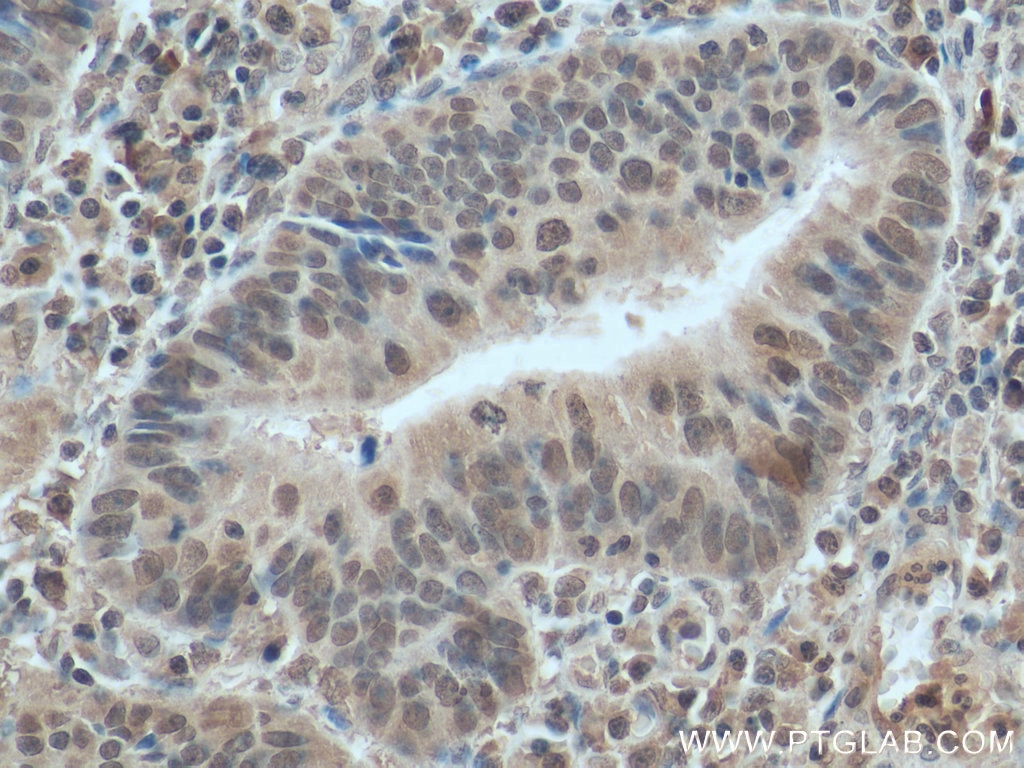
Tested Applications
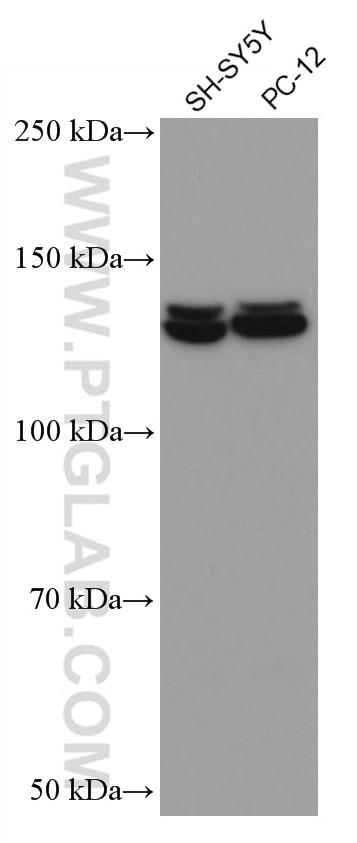
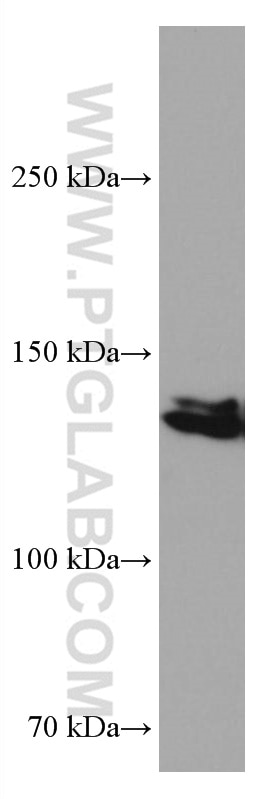
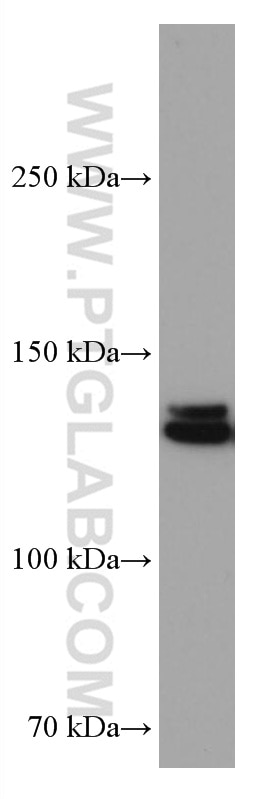
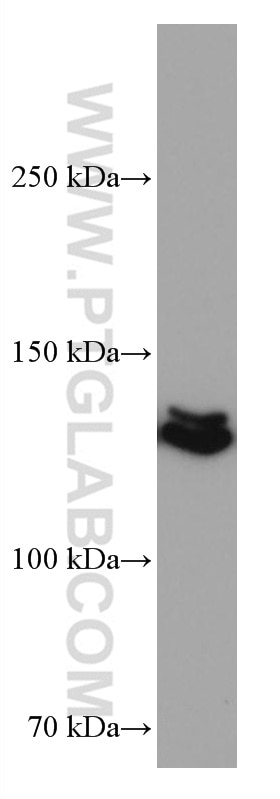
| Positive WB detected in | HEK-293 cells, HeLa cells, MCF-7 cells, SH-SY5Y cells, PC-12 cells |
| Positive IHC detected in | human lung cancer tissue, human colon cancer tissue, human cervical cancer tissue Note: suggested antigen retrieval with TE buffer pH 9.0; (*) Alternatively, antigen retrieval may be performed with citrate buffer pH 6.0 |
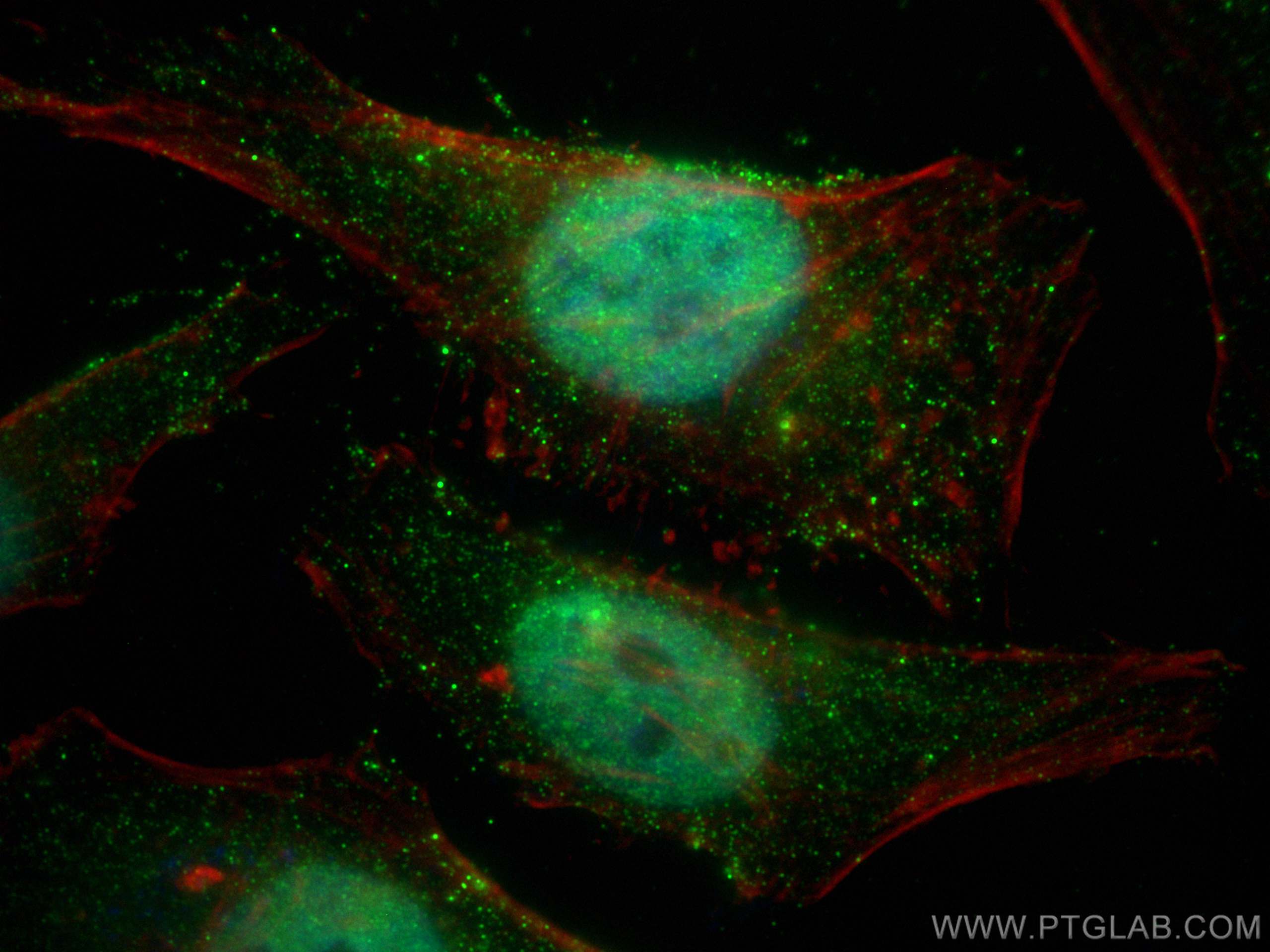
| Positive IF/ICC detected in | HeLa cells |
Recommended dilution
| Application | Dilution |
|---|---|
| Western Blot (WB) | WB : 1:2000-1:10000 |
| Immunohistochemistry (IHC) | IHC : 1:150-1:600 |
| Immunofluorescence (IF)/ICC | IF/ICC : 1:1000-1:4000 |
| It is recommended that this reagent should be titrated in each testing system to obtain optimal results. | |
| Sample-dependent, Check data in validation data gallery. | |
Published Applications
| KD/KO | See 1 publications below |
| WB | See 36 publications below |
| IHC | See 6 publications below |
| IF | See 1 publications below |
| IP | See 1 publications below |
Product Information
67121-1-Ig targets PI3 Kinase p110 Beta in WB, IHC, IF/ICC, IP, ELISA applications and shows reactivity with human, rat samples.
| Tested Reactivity | human, rat |
| Cited Reactivity | human, mouse, rat, chicken, goat |
| Host / Isotype | Mouse / IgG1 |
| Class | Monoclonal |
| Type | Antibody |
| Immunogen |
CatNo: Ag17505 Product name: Recombinant human PIK3CB protein Source: e coli.-derived, PET28a Tag: 6*His Domain: 139-373 aa of BC114432 Sequence: SLKDPEVNEFRRKMRKFSEEKILSLVGLSWMDWLKQTYPPEHEPSIPENLEDKLYGGKLIVAVHFENCQDVFSFQVSPNMNPIKVNELAIQKRLTIHGKEDEVSPYDYVLQVSGRVEYVFGDHPLIQFQYIRNCVMNRALPHFILVECCKIKKMYEQEMIAIEAAINRNSSNLPLPLPPKKTRIISHVWENNNPFQIVLVKGNKLNTEETVKVHVRAGLFHGTELLCKTIVSSEV 相同性解析による交差性が予測される生物種 |
| Full Name | phosphoinositide-3-kinase, catalytic, beta polypeptide |
| Calculated molecular weight | 1070 aa, 123 kDa |
| Observed molecular weight | 120-130 kDa |
| GenBank accession number | BC114432 |
| Gene Symbol | PI3 Kinase p110 Beta |
| Gene ID (NCBI) | 5291 |
| RRID | AB_2882424 |
| Conjugate | Unconjugated |
| Form | |
| Form | Liquid |
| Purification Method | Protein G purification |
| UNIPROT ID | P42338 |
| Storage Buffer | PBS with 0.02% sodium azide and 50% glycerol{{ptg:BufferTemp}}7.3 |
| Storage Conditions | Store at -20°C. Stable for one year after shipment. Aliquoting is unnecessary for -20oC storage. |
Background Information
PIK3CB(phosphatidylinositol 4,5-bisphosphate 3-kinase catalytic subunit beta isoform) is also named as PIK3C1, PI3K-beta, p110beta. The gene encodes a 1070 amino acid protein which belongs to the PI3/PI4-kinase family. Phosphoinositide 3-kinases (PI3Ks) have been implicated as participants in signaling pathways regulating cell growth by virtue of their activation in response to various mitogenic stimuli. The class I PI3 kinases are heterodimers composed of 110 kDa catalytic subunits that associate with regulatory adaptor proteins. Four class I catalytic subunits have been identified, PIK3CA (p110α), PIK3CB (p110β), PIK3CD (p110δ) and PIK3CG (p110γ)(PMID:19177002).
Protocols
| Product Specific Protocols | |
|---|---|
| IF protocol for PI3 Kinase p110 Beta antibody 67121-1-Ig | Download protocol |
| IHC protocol for PI3 Kinase p110 Beta antibody 67121-1-Ig | Download protocol |
| WB protocol for PI3 Kinase p110 Beta antibody 67121-1-Ig | Download protocol |
| Standard Protocols | |
|---|---|
| Click here to view our Standard Protocols |
Publications
| Species | Application | Title |
|---|---|---|
Cancer Discov PTEN Loss Promotes PI3Kβ Phosphorylation and EPHA2/SRC/p-PI3KβY962 Complex Assembly to Drive Tumorigenesis.
| ||
Nat Metab Maternal exercise prevents metabolic disorders in offspring mice through SERPINA3C | ||
Biomaterials Enhancing miR-19a/b induced cardiomyocyte proliferation in infarcted hearts by alleviating oxidant stress and controlling miR-19 release | ||
Cancer Lett TRDMT1-mediated mRNA m(5)C methylation decreases chemotherapy sensitivity by activating homologous recombination-mediated DNA damage repair and IRS2 expression in pancreatic cancer. | ||
Phytomedicine Unveiling XinJia-LuHuang Granules' protective mechanism against atherosclerosis: Integrating network pharmacology, metabolomics, and experimental validation | ||
Cell Death Discov MFGE8 promotes adult hippocampal neurogenesis in rats following experimental subarachnoid hemorrhage via modifying the integrin β3/Akt signaling pathway |