
Validation Data Gallery
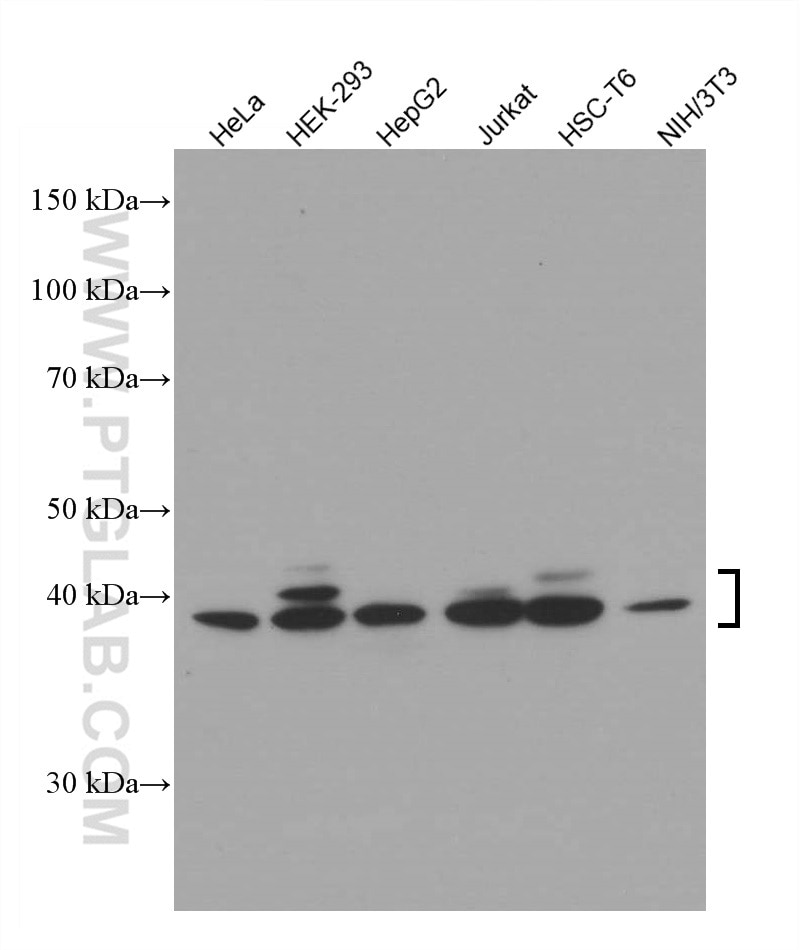
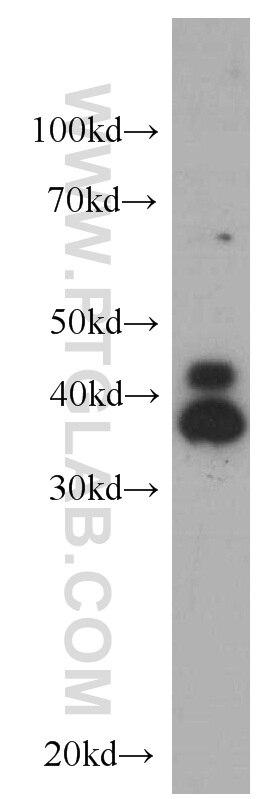
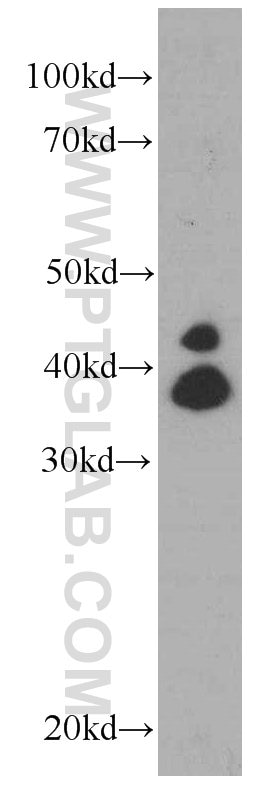
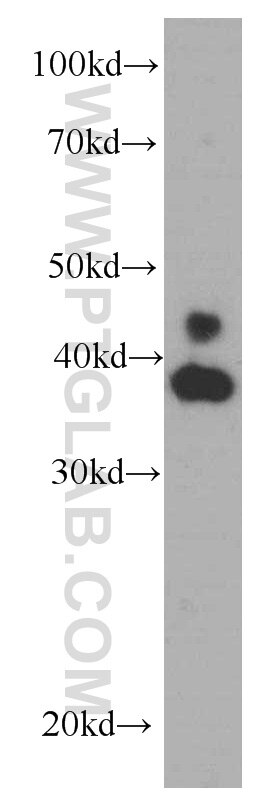
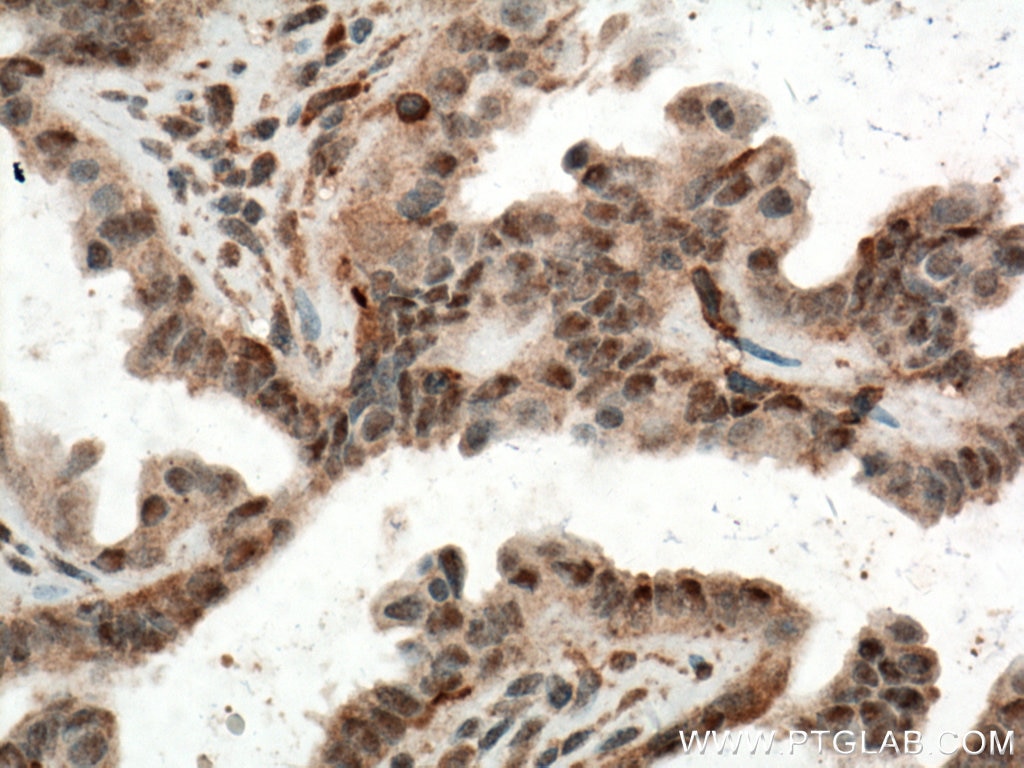
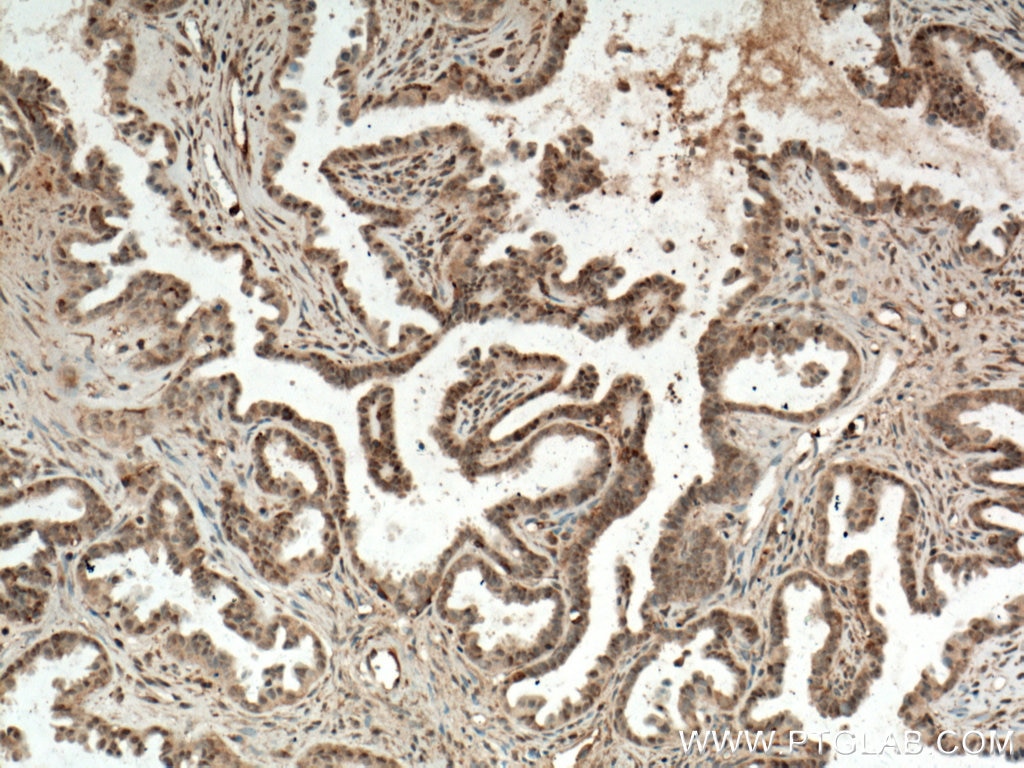
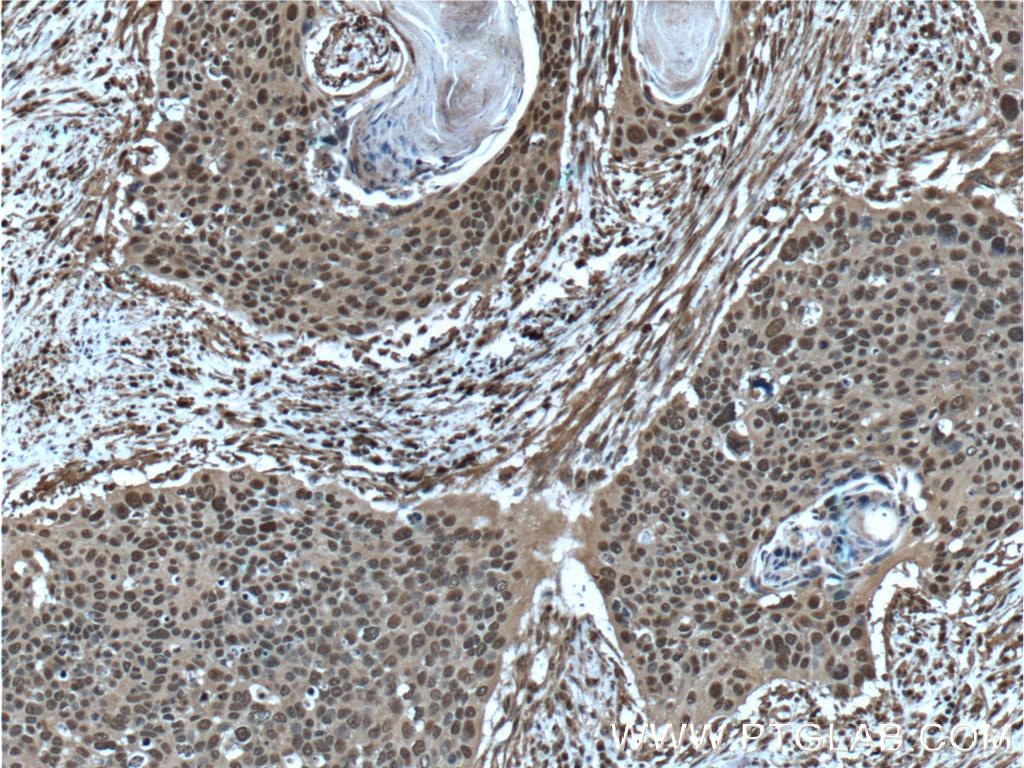
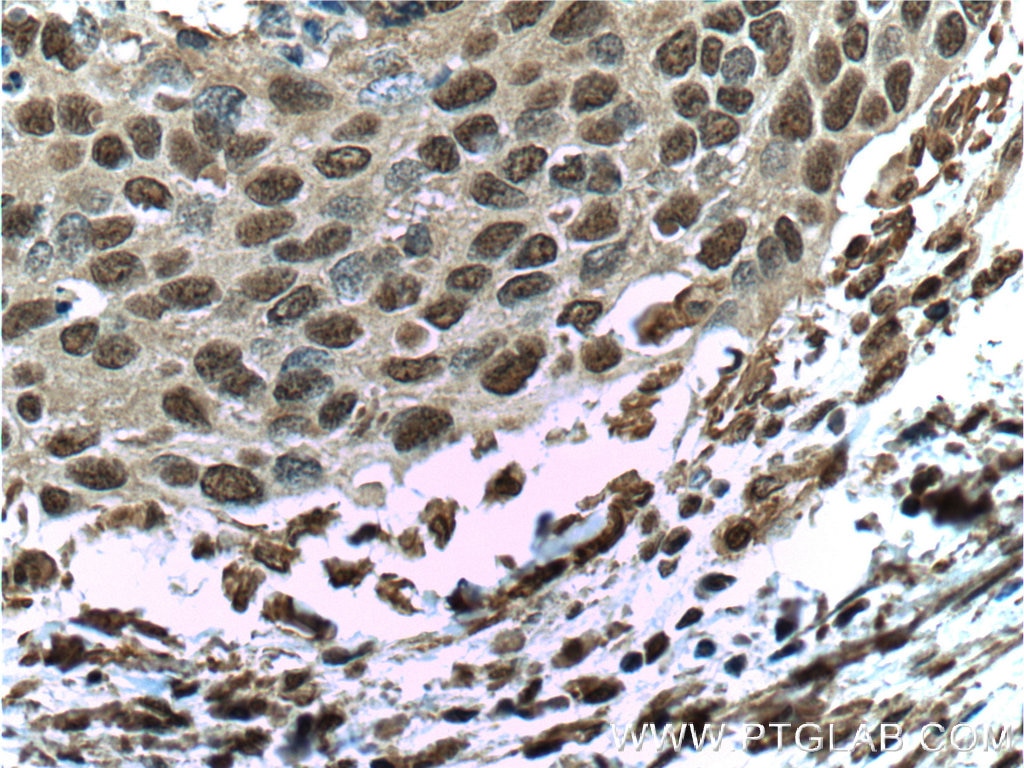
Tested Applications
| Positive WB detected in | HeLa cells, HepG2 cells, MCF-7 cells, HEK-293 cells, Jurkat cells, HSC-T6 cells, NIH/3T3 cells |
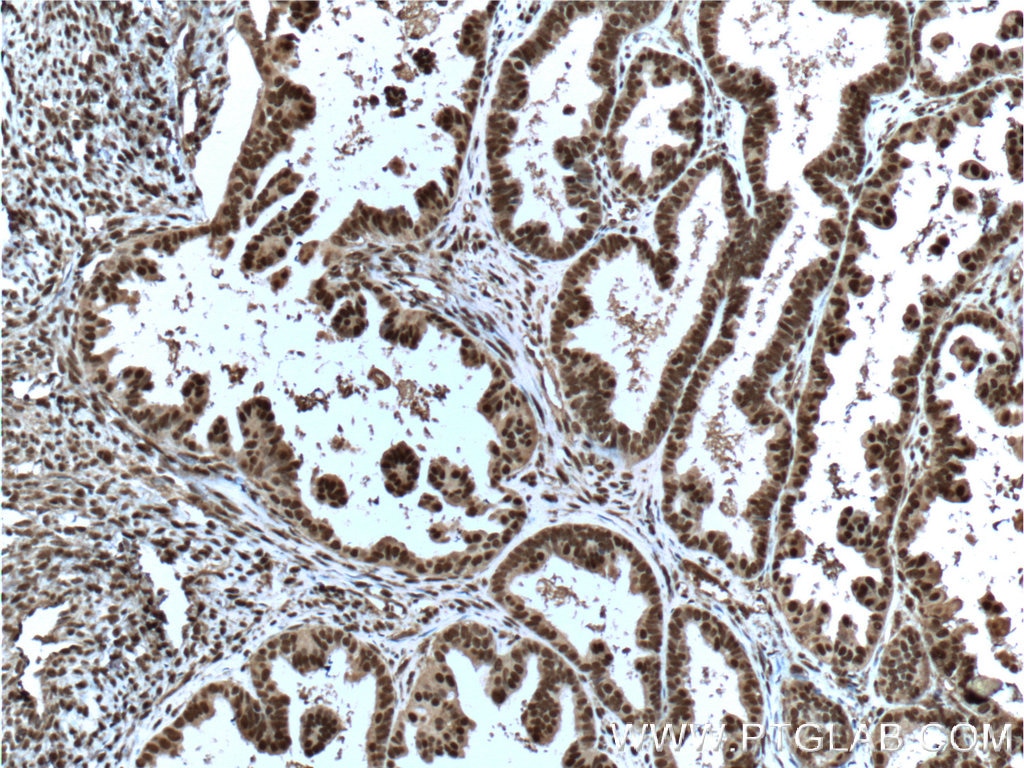
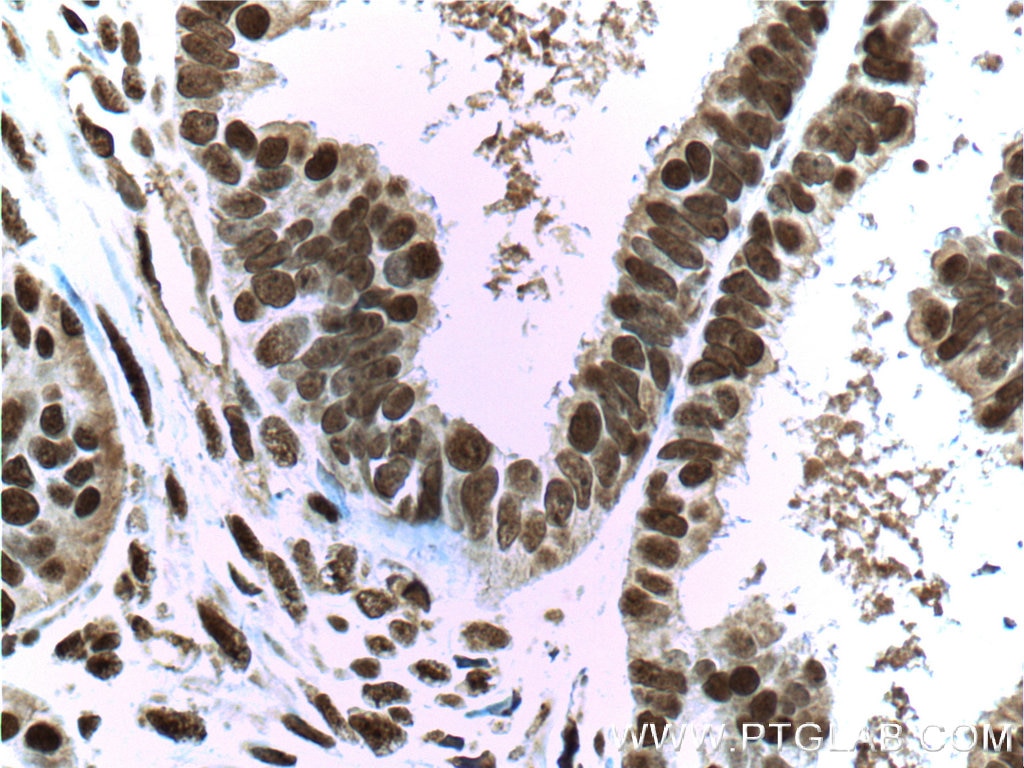
| Positive IHC detected in | human ovary tumor tissue, human cervical cancer tissue Note: suggested antigen retrieval with TE buffer pH 9.0; (*) Alternatively, antigen retrieval may be performed with citrate buffer pH 6.0 |
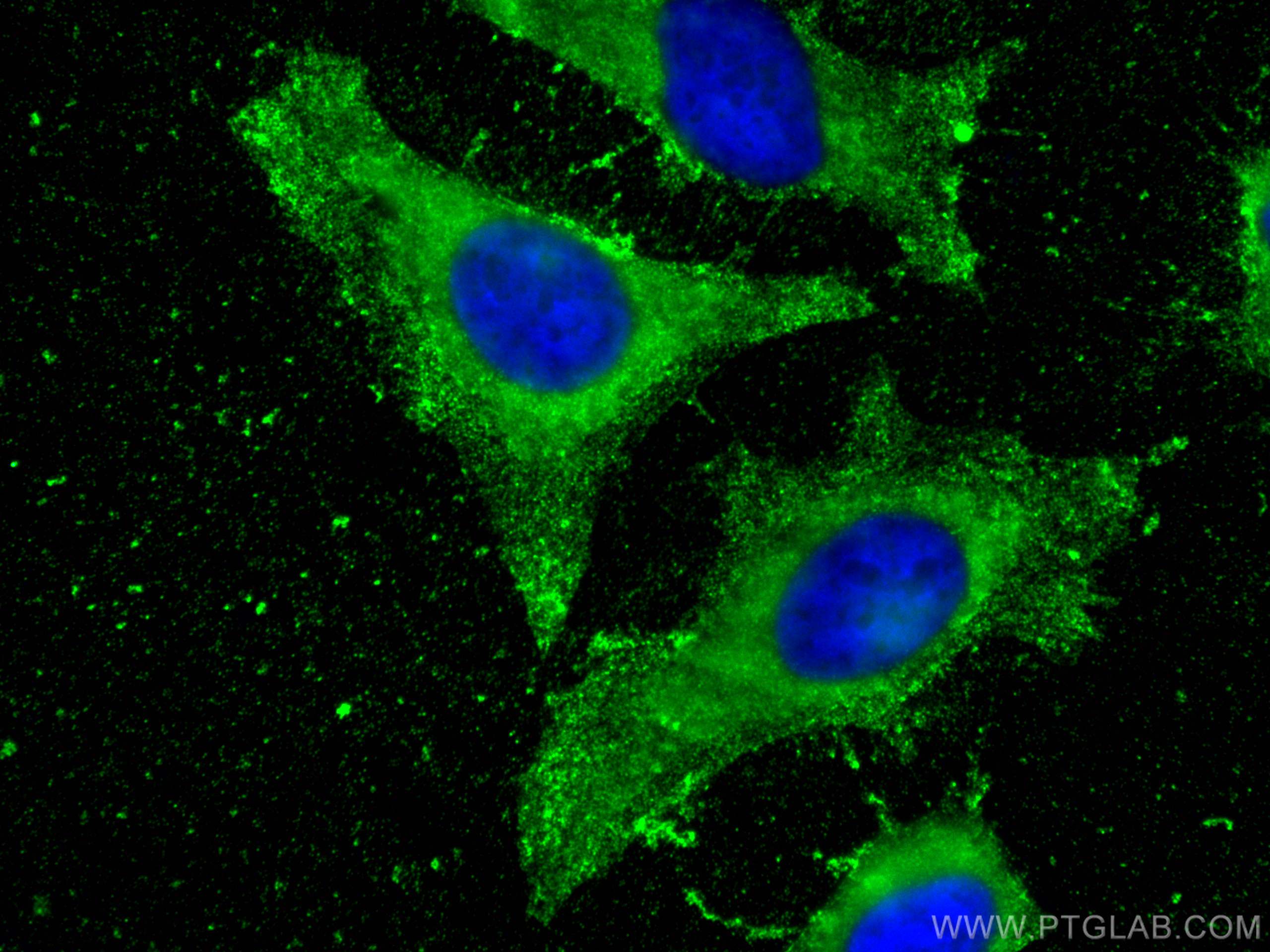
| Positive IF/ICC detected in | HeLa cells |
Recommended dilution
| Application | Dilution |
|---|---|
| Western Blot (WB) | WB : 1:2000-1:10000 |
| Immunohistochemistry (IHC) | IHC : 1:2000-1:6000 |
| Immunofluorescence (IF)/ICC | IF/ICC : 1:200-1:800 |
| It is recommended that this reagent should be titrated in each testing system to obtain optimal results. | |
| Sample-dependent, Check data in validation data gallery. | |
Published Applications
| WB | See 87 publications below |
| IHC | See 1 publications below |
| IF | See 2 publications below |
| CoIP | See 2 publications below |
Product Information
66192-1-Ig targets ERK1/2 in WB, IHC, IF/ICC, CoIP, ELISA applications and shows reactivity with human, mouse samples.
| Tested Reactivity | human, mouse |
| Cited Reactivity | human, mouse, rat |
| Host / Isotype | Mouse / IgG1 |
| Class | Monoclonal |
| Type | Antibody |
| Immunogen |
CatNo: Ag20350 Product name: Recombinant human ERK1/2 protein Source: e coli.-derived, PET28a Tag: 6*His Domain: 1-379 aa of BC013992 Sequence: MAAAAAQGGGGGEPRRTEGVGPGVPGEVEMVKGQPFDVGPRYTQLQYIGEGAYGMVSSAYDHVRKTRVAIKKISPFEHQTYCQRTLREIQILLRFRHENVIGIRDILRASTLEAMRDVYIVQDLMETDLYKLLKSQQLSNDHICYFLYQILRGLKYIHSANVLHRDLKPSNLLINTTCDLKICDFGLARIADPEHDHTGFLTEYVATRWYRAPEIMLNSKGYTKSIDIWSVGCILAEMLSNRPIFPGKHYLDQLNHILGILGSPSQEDLNCIINMKARNYLQSLPSKTKVAWAKLFPKSDSKALDLLDRMLTFNPNKRITVEEALAHPYLEQYYDPTDEPVAEEPFTFAMELDDLPKERLKELIFQETARFQPGVLEAP 相同性解析による交差性が予測される生物種 |
| Full Name | mitogen-activated protein kinase 3 |
| Calculated molecular weight | 43 kDa |
| Observed molecular weight | 38-44 kDa |
| GenBank accession number | BC013992 |
| Gene Symbol | ERK1 |
| Gene ID (NCBI) | 5595 |
| RRID | AB_2811205 |
| Conjugate | Unconjugated |
| Form | |
| Form | Liquid |
| Purification Method | Protein G purification |
| UNIPROT ID | P27361 |
| Storage Buffer | PBS with 0.02% sodium azide and 50% glycerol{{ptg:BufferTemp}}7.3 |
| Storage Conditions | Store at -20°C. Stable for one year after shipment. Aliquoting is unnecessary for -20oC storage. |
Background Information
ERK1 and ERK2 belongs to the protein kinase superfamily. It is involved in both the initiation and regulation of meiosis, mitosis, and postmitotic functions in differentiated cells by phosphorylating a number of transcription factors such as ELK-1. ERK1/2 catalized the reaction: ATP + a protein = ADP + a phosphoprotein. It is activated by tyrosine phosphorylation in response to INS and NGF. This antibody can recognize both ERK1 and ERK2 with the molecular mass of 38-44 kDa.
Protocols
| Product Specific Protocols | |
|---|---|
| IF protocol for ERK1/2 antibody 66192-1-Ig | Download protocol |
| IHC protocol for ERK1/2 antibody 66192-1-Ig | Download protocol |
| WB protocol for ERK1/2 antibody 66192-1-Ig | Download protocol |
| Standard Protocols | |
|---|---|
| Click here to view our Standard Protocols |
Publications
| Species | Application | Title |
|---|---|---|
Adv Sci (Weinh) Ccl2-Induced Regulatory T Cells Balance Inflammation Through Macrophage Polarization During Liver Reconstitution | ||
Adv Sci (Weinh) EGFR Targeted Liposomal PROTAC Assisted With Epigenetic Regulation as an Efficient Strategy for Osimertinib-Resistant Lung Cancer Therapy | ||
Carbohydr Polym Yeast β-glucan-based nanoparticles loading methotrexate promotes osteogenesis of hDPSCs and periodontal bone regeneration under the inflammatory microenvironment | ||
Research (Wash D C) SH2B1 Tunes Hippocampal ERK Signaling to Influence Fluid Intelligence in Humans and Mice | ||
Pharmacol Res Anti-thrombotic effects mediated by dihydromyricetin involve both platelet inhibition and endothelial protection. | ||
Cell Mol Biol Lett The promoting roles of GLP1R and GIPR in stemness maintenance and multiple lineage-specific differentiation of PDLSCs. |