
Validation Data Gallery
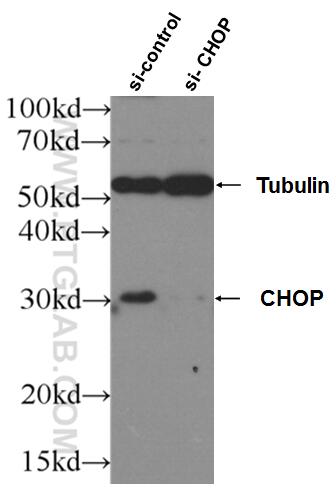
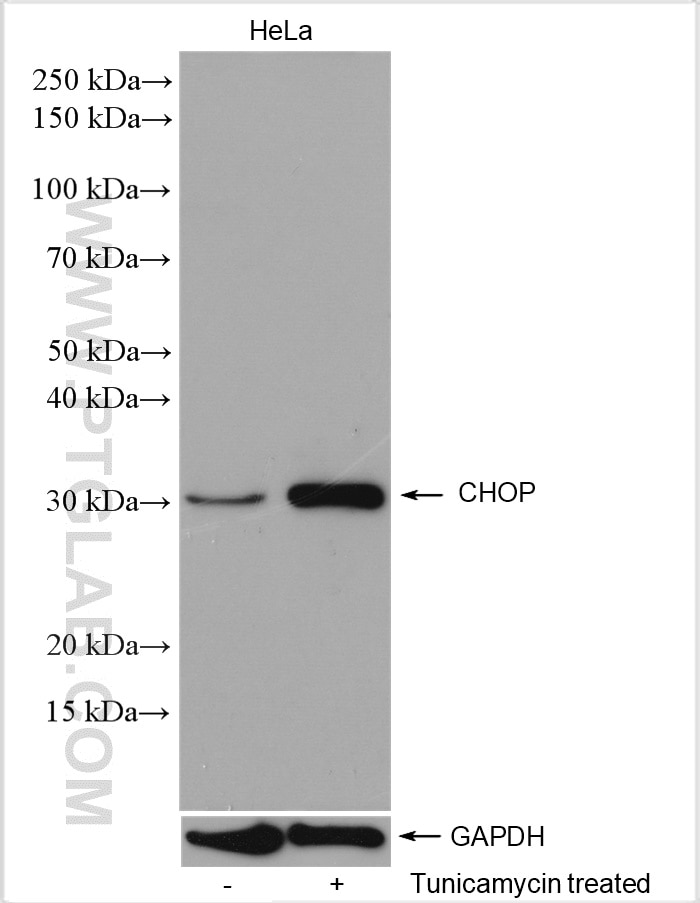
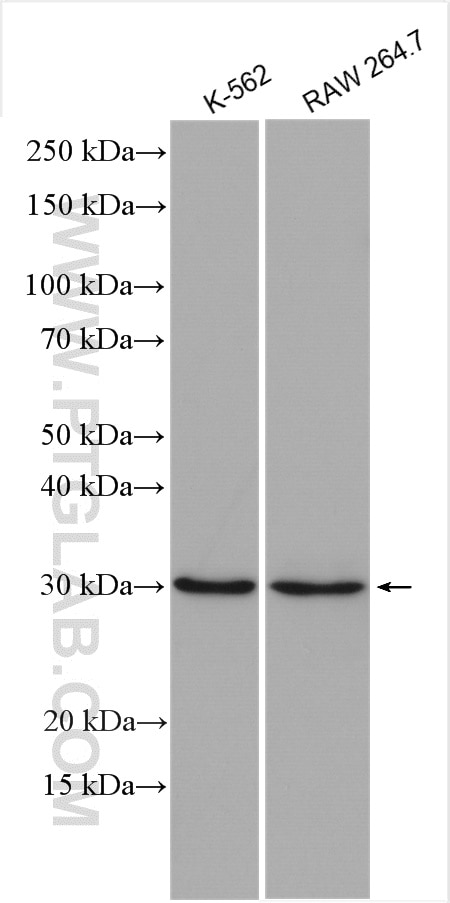
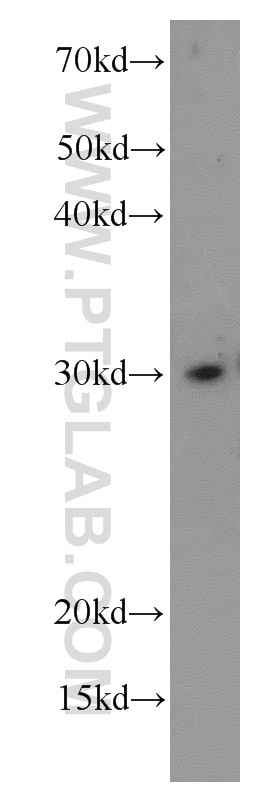
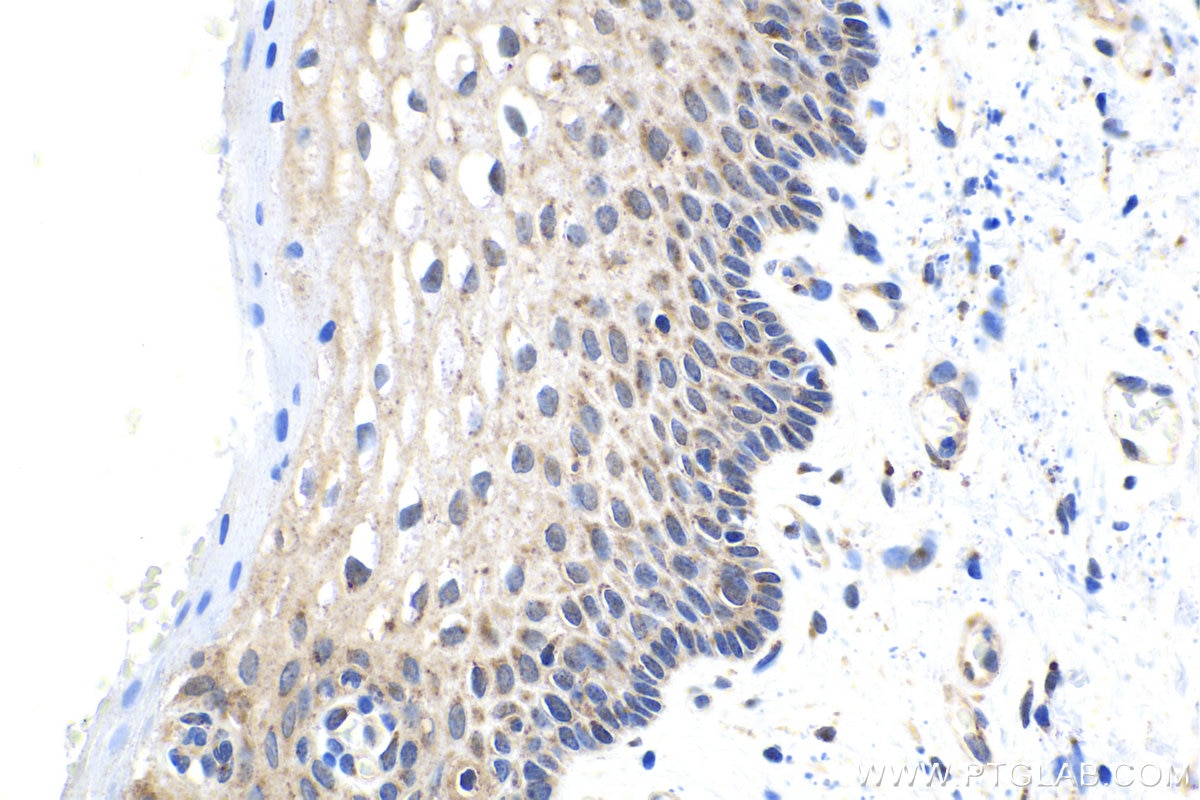
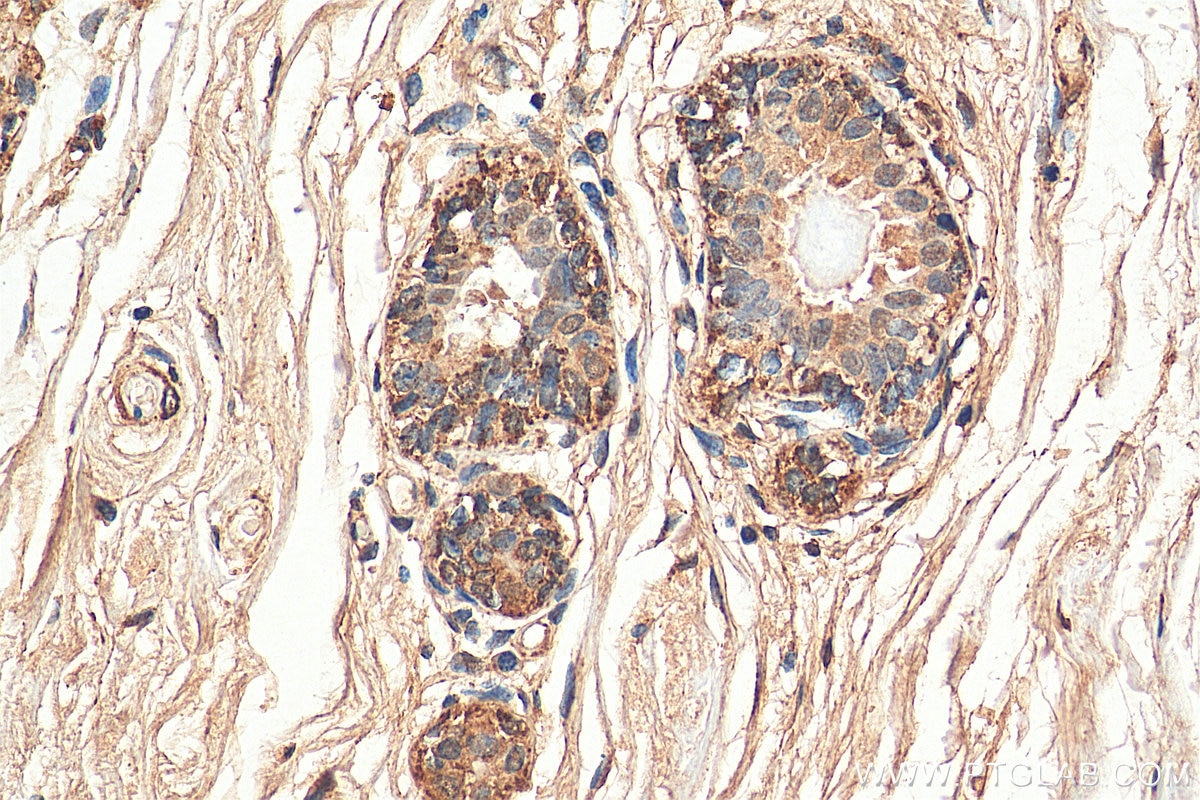
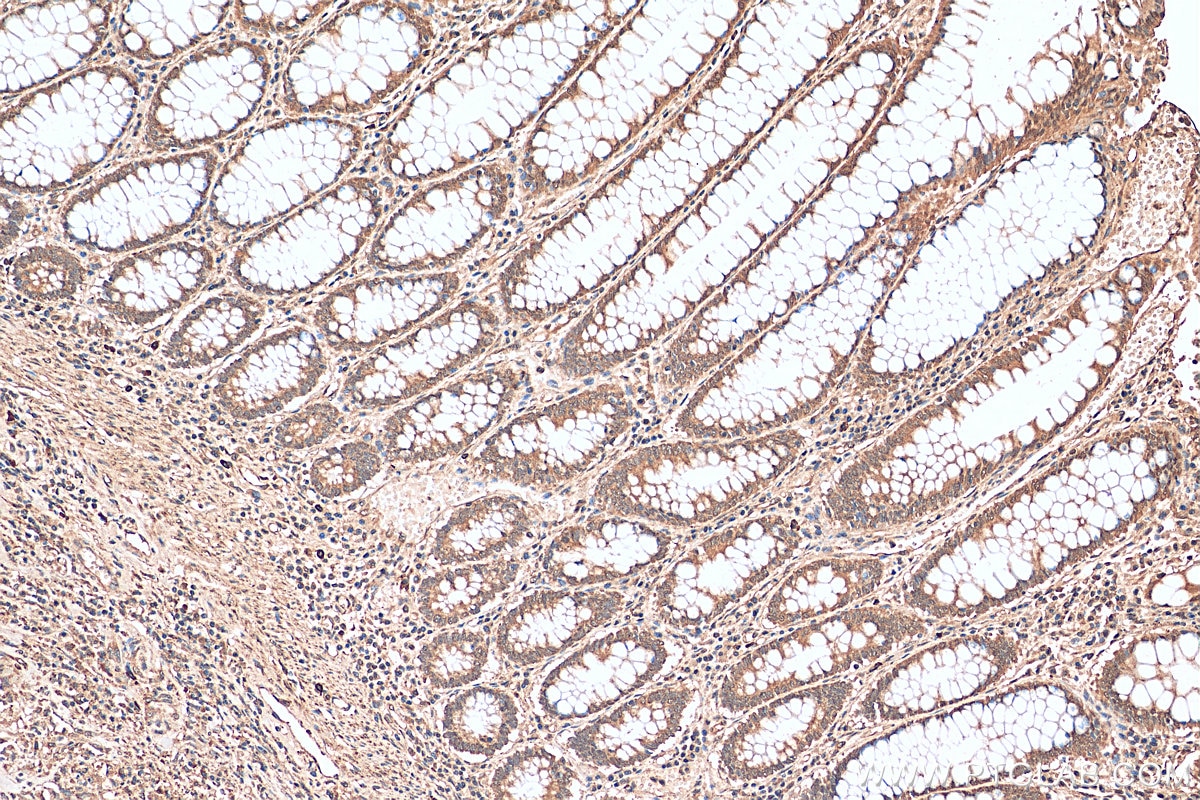
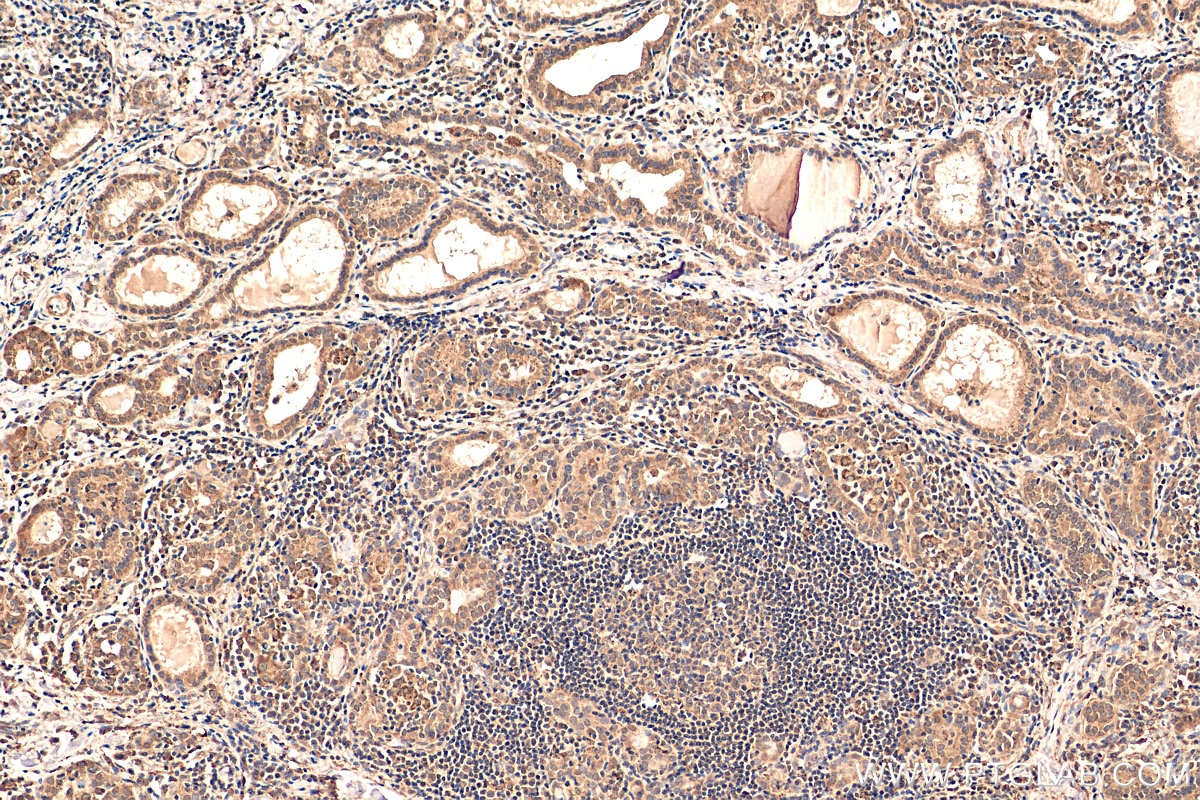
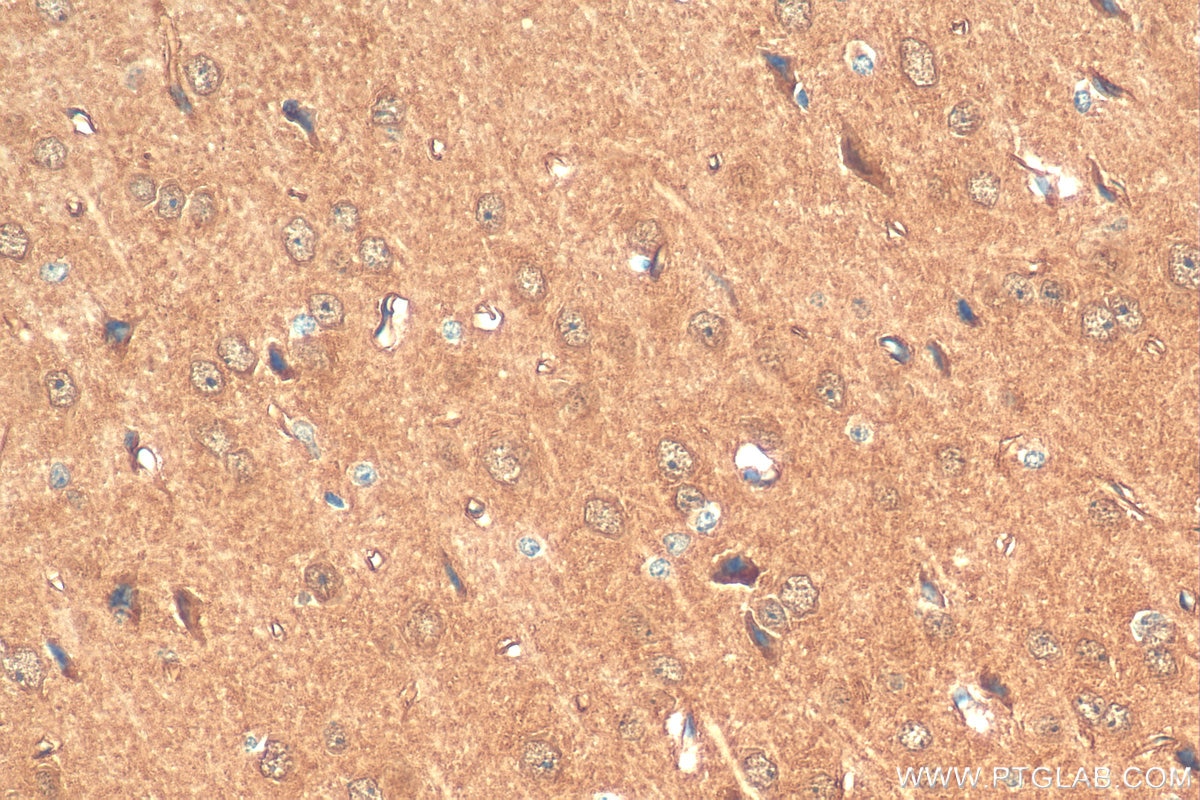
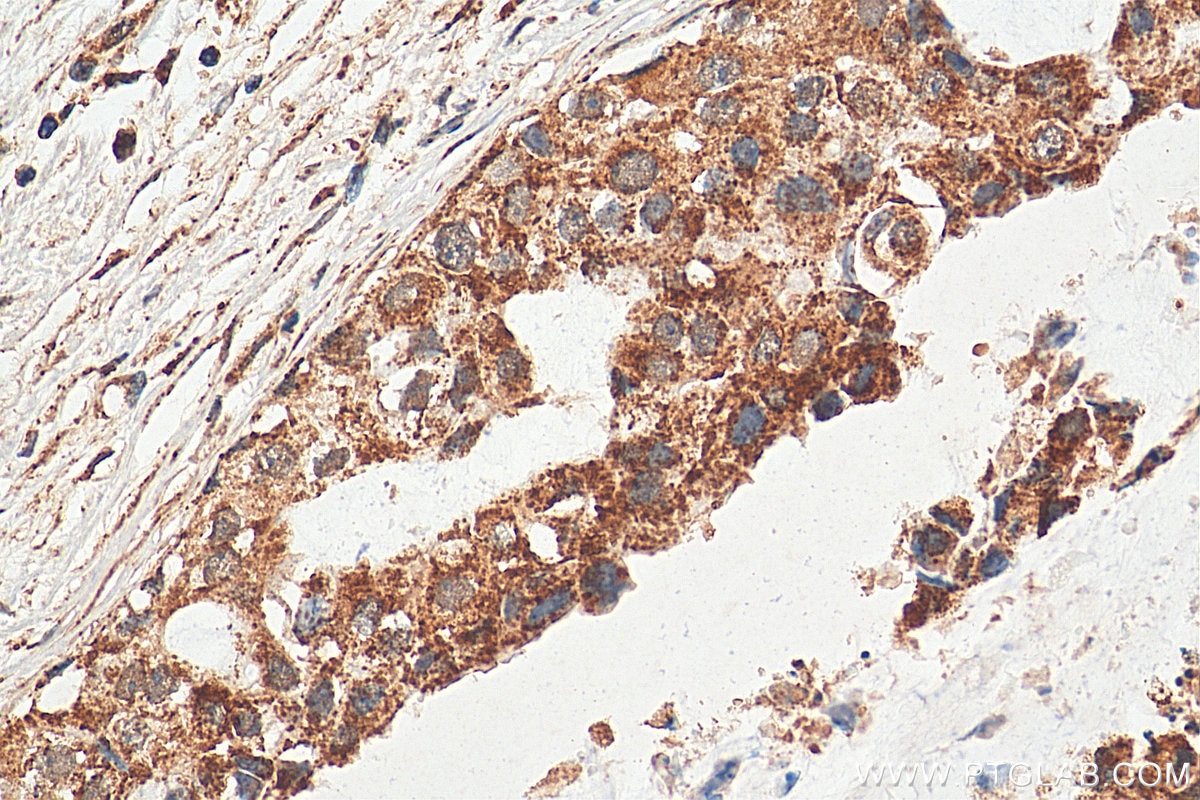
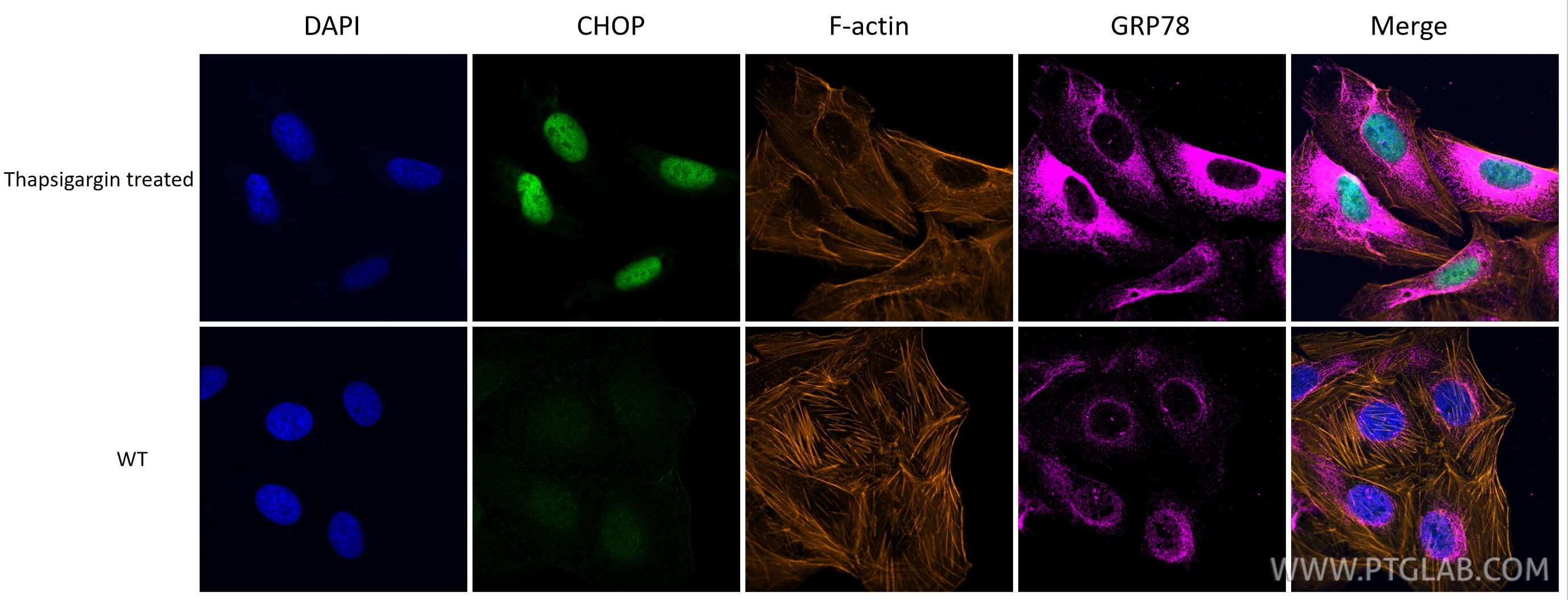
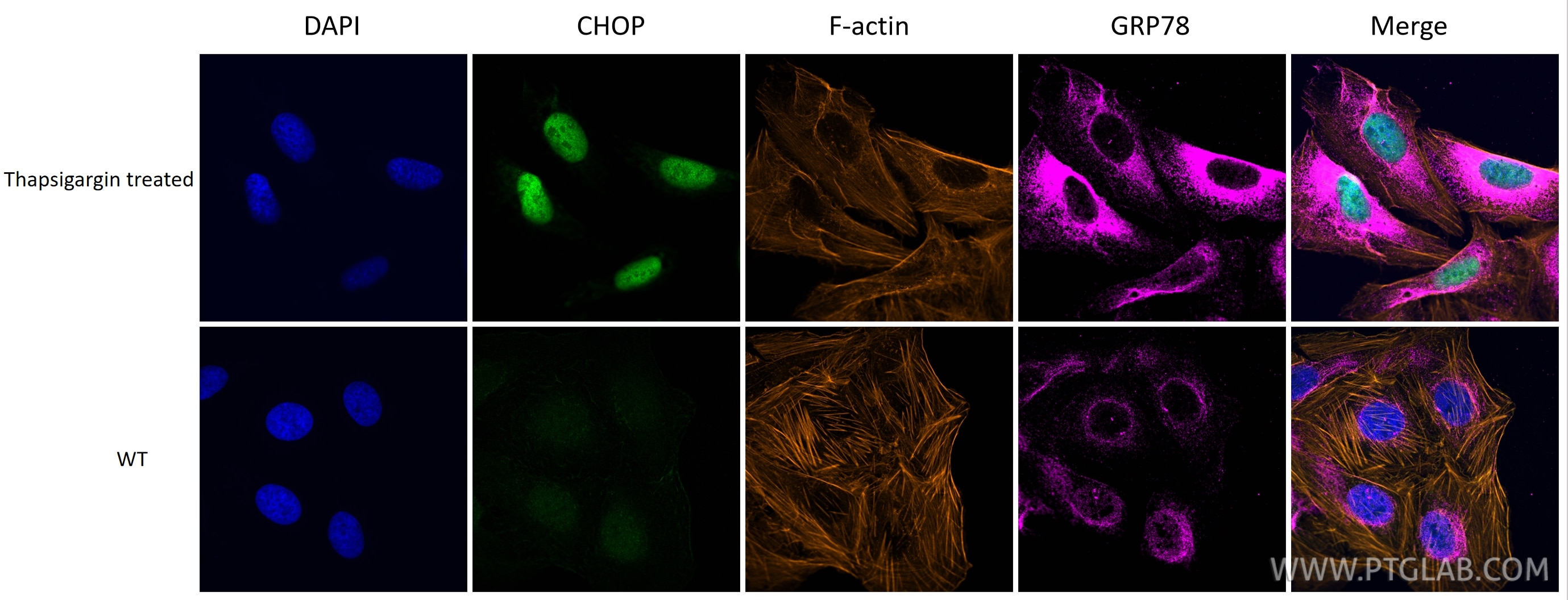
Tested Applications
| Positive WB detected in | Tunicamycin treated HeLa cells, MCF-7 cells, HeLa cells, K-562 cells, RAW 264.7 cells |
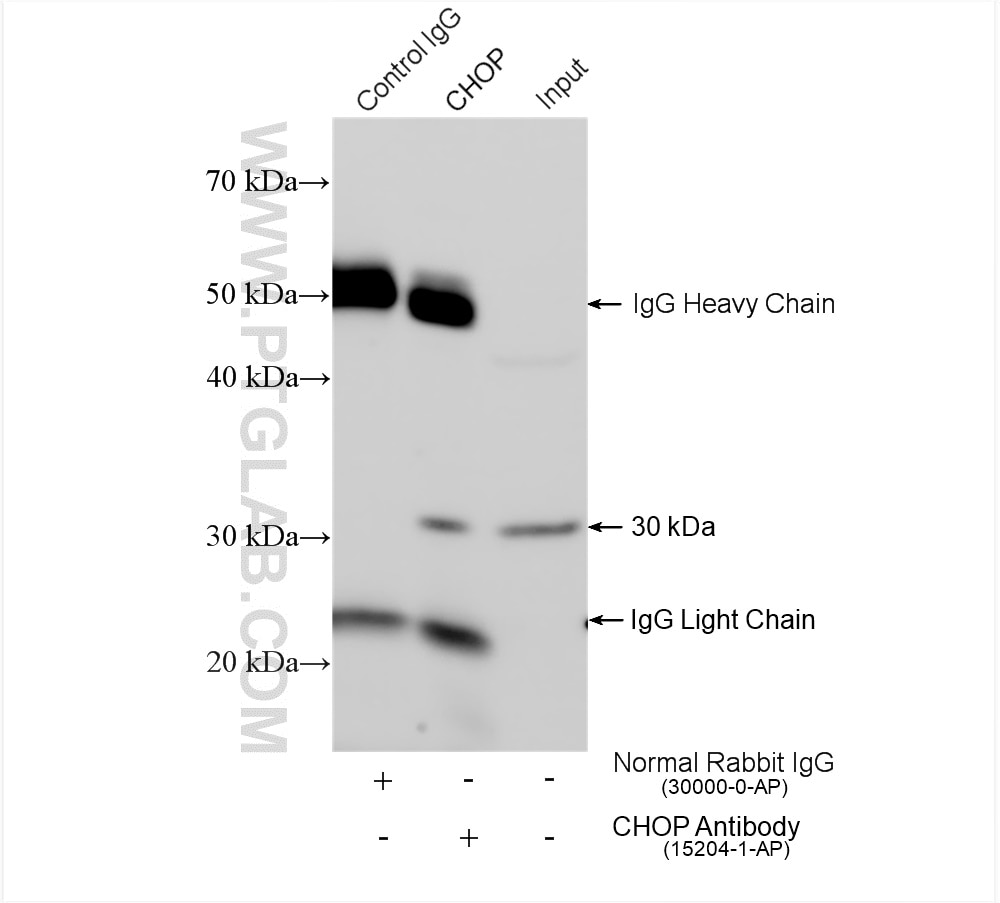
| Positive IP detected in | C6 cells |
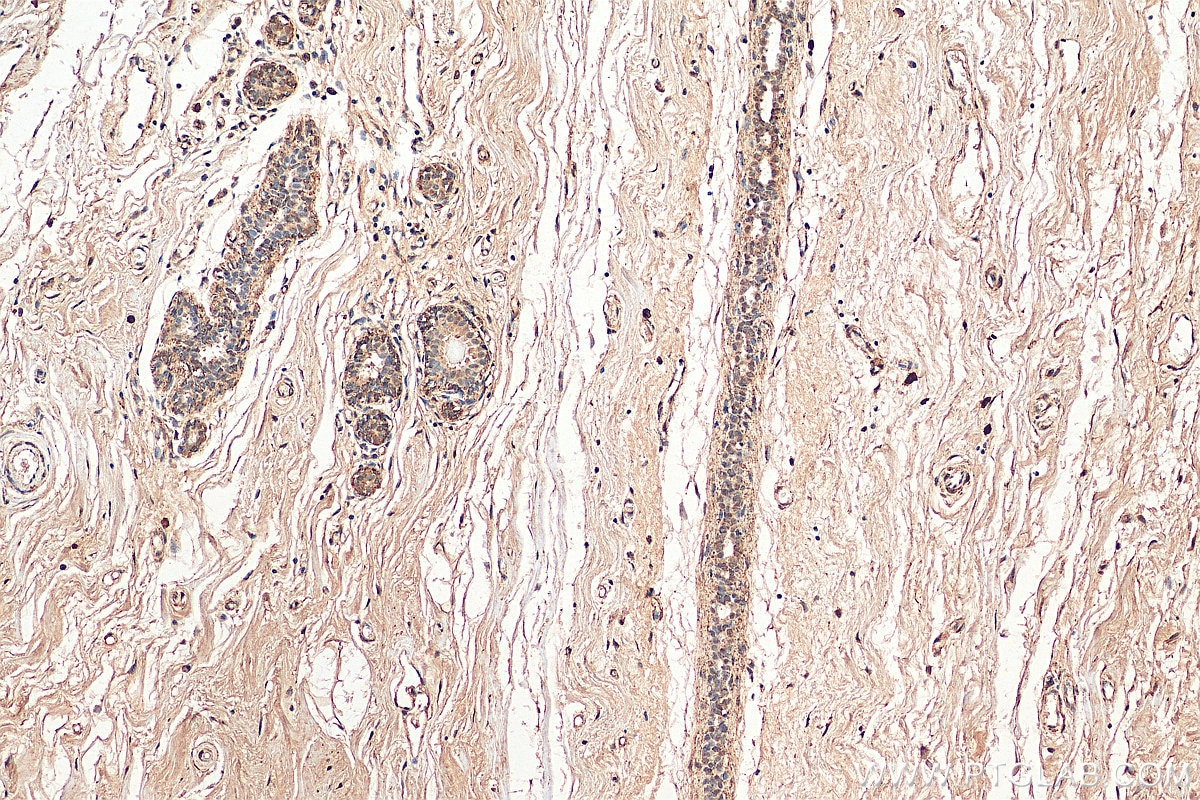
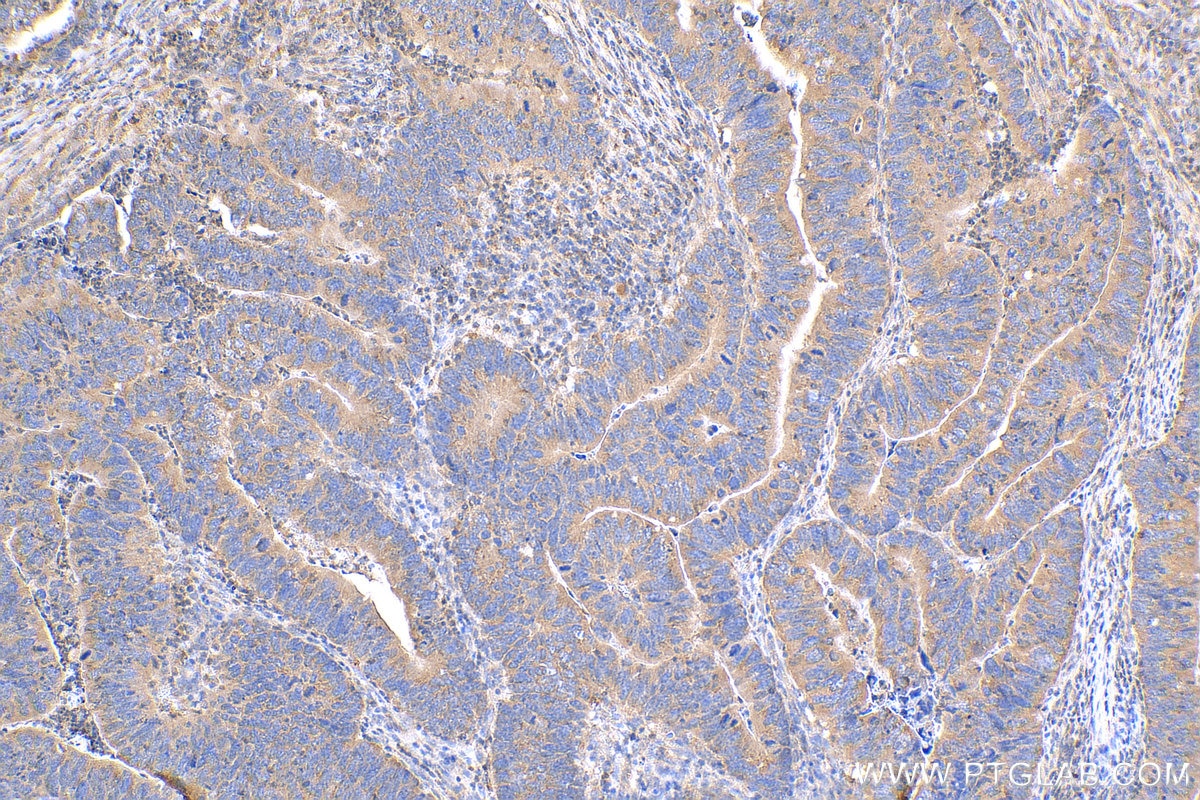
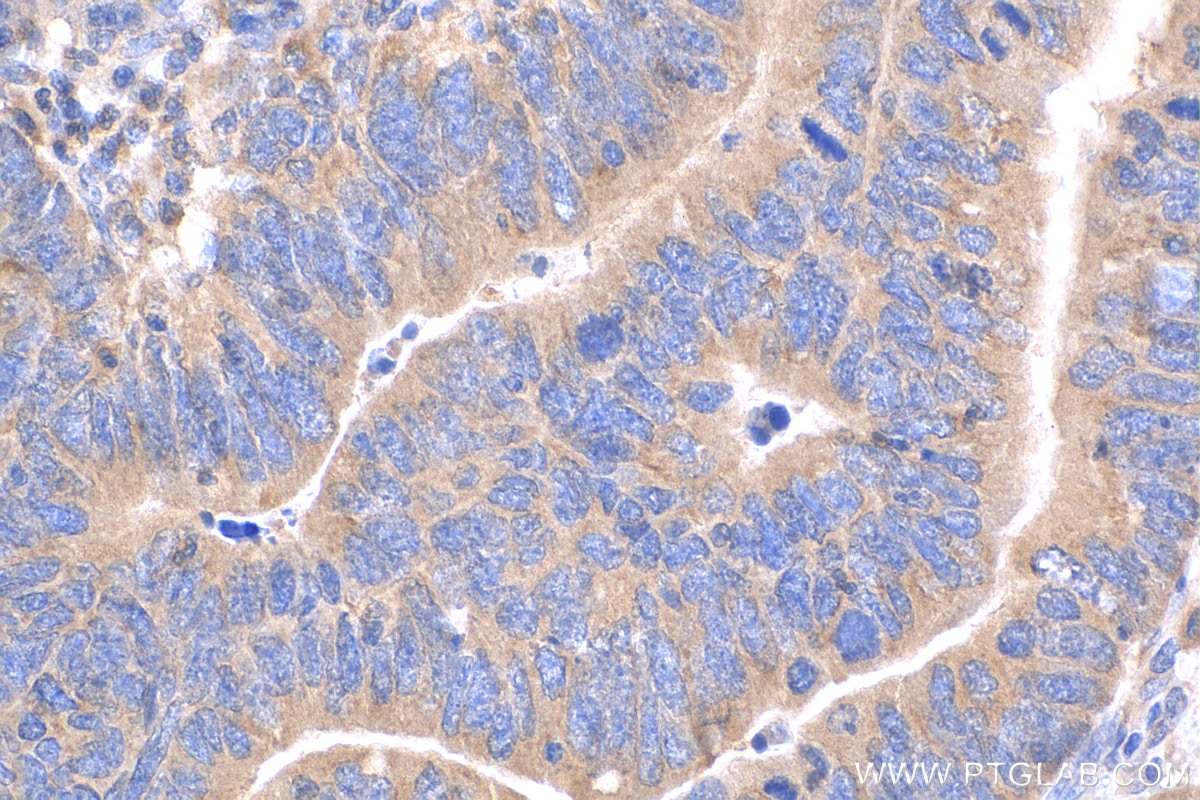
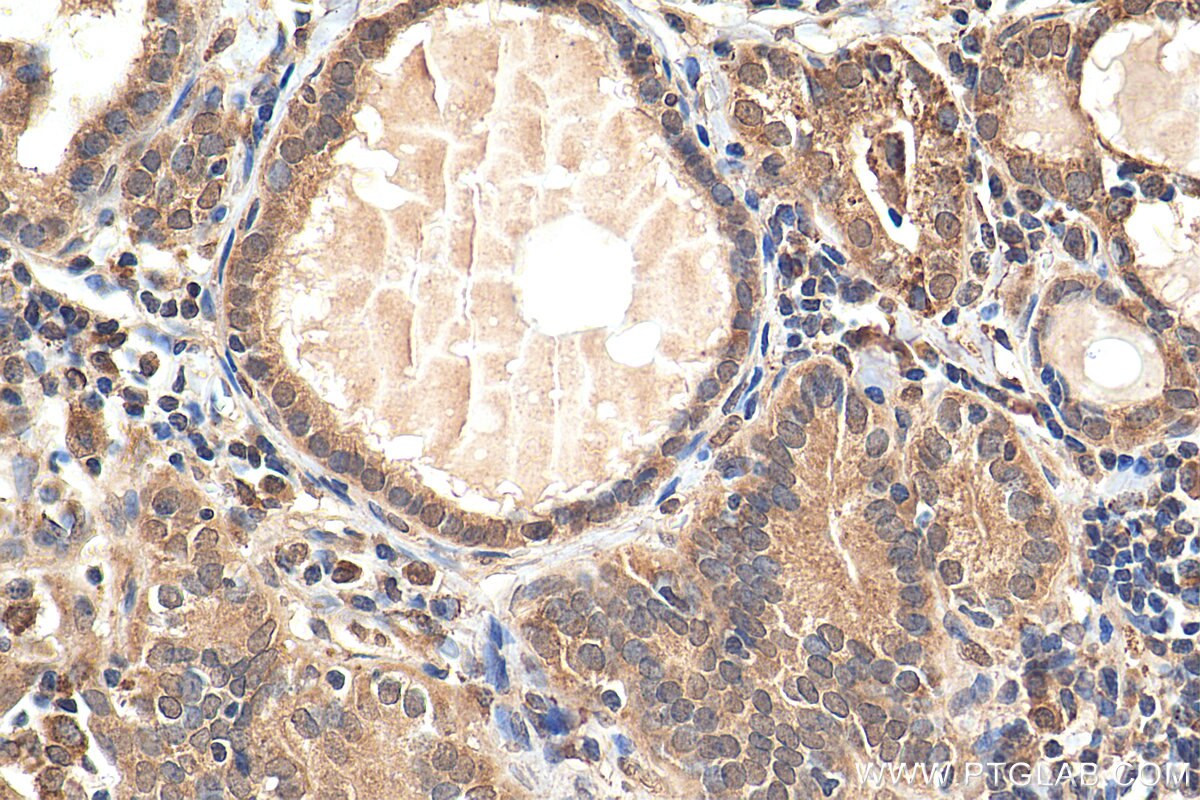
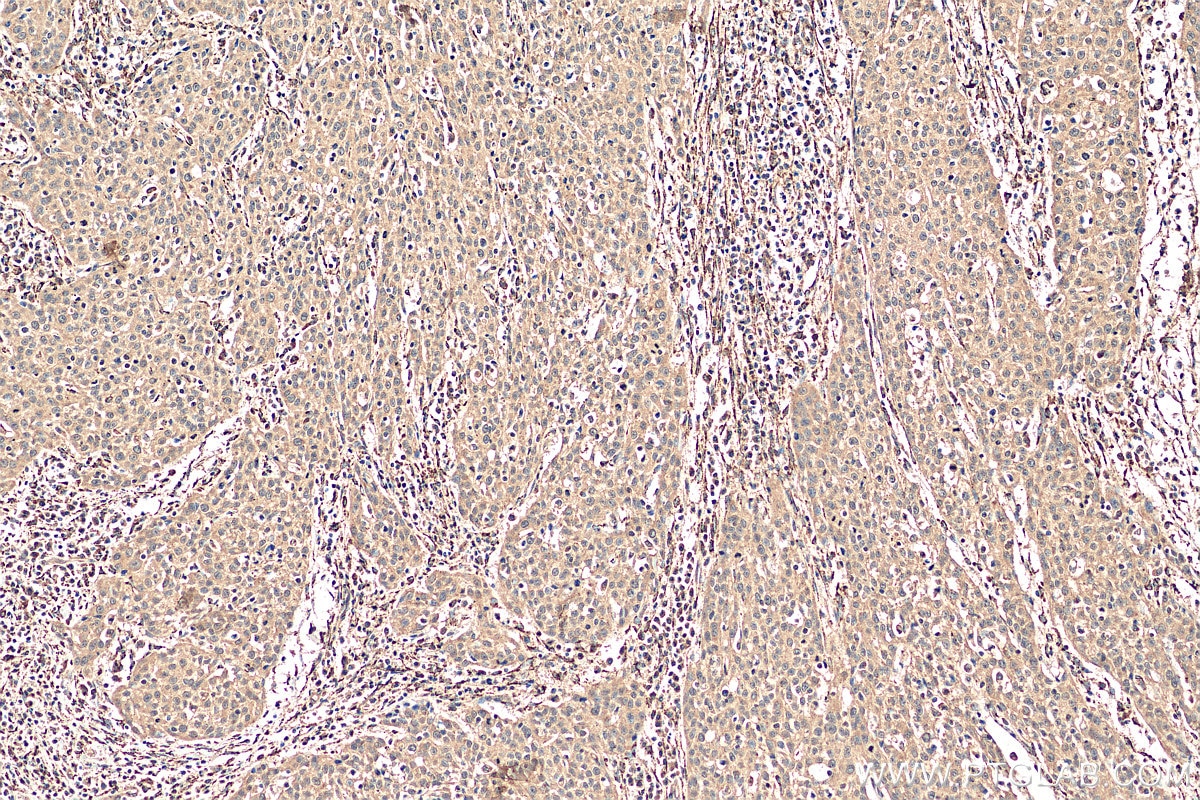
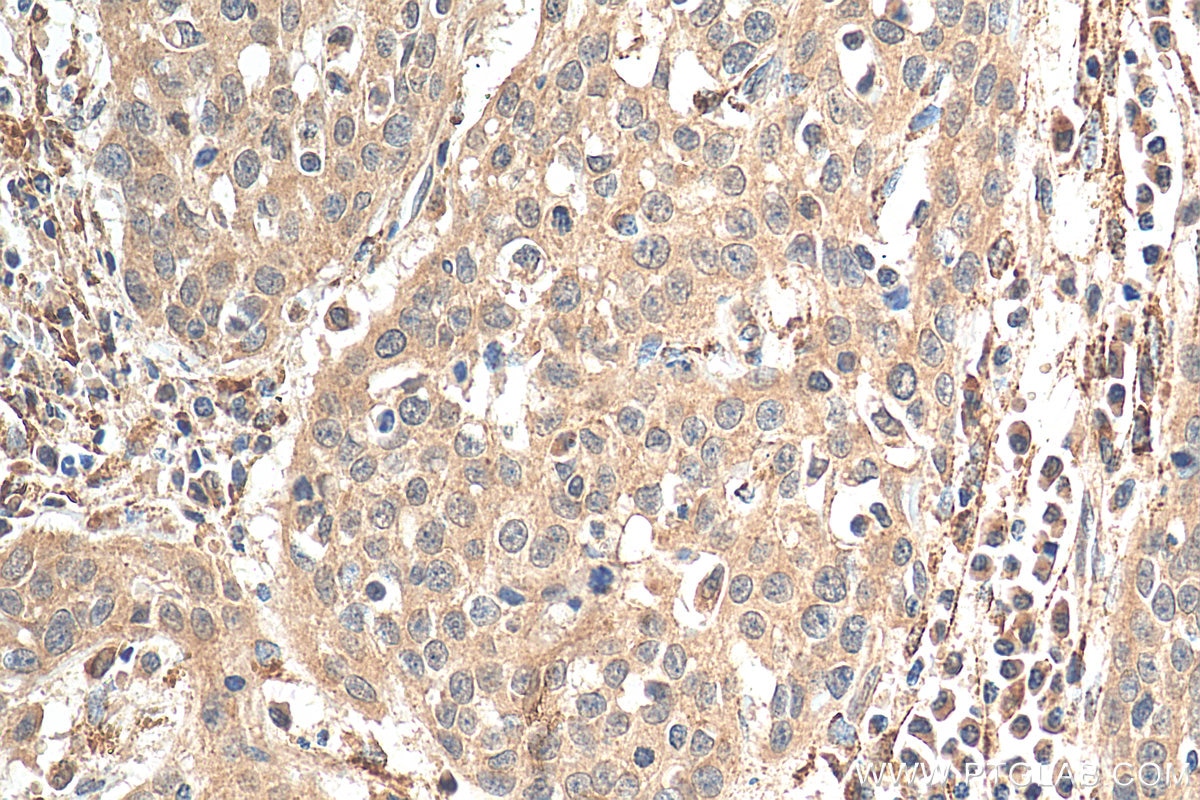
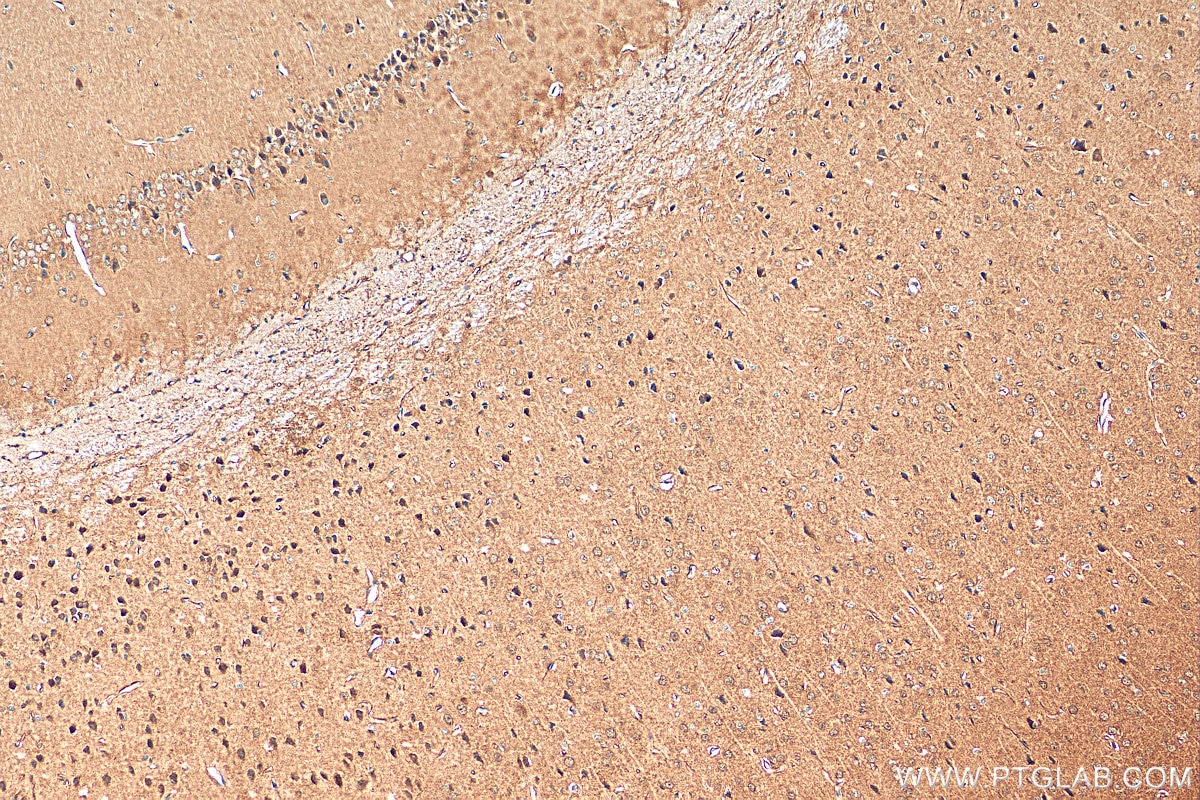
| Positive IHC detected in | human colon cancer tissue, human breast cancer tissue, human thyroid cancer tissue, human cervical cancer tissue, mouse brain tissue Note: suggested antigen retrieval with TE buffer pH 9.0; (*) Alternatively, antigen retrieval may be performed with citrate buffer pH 6.0 |
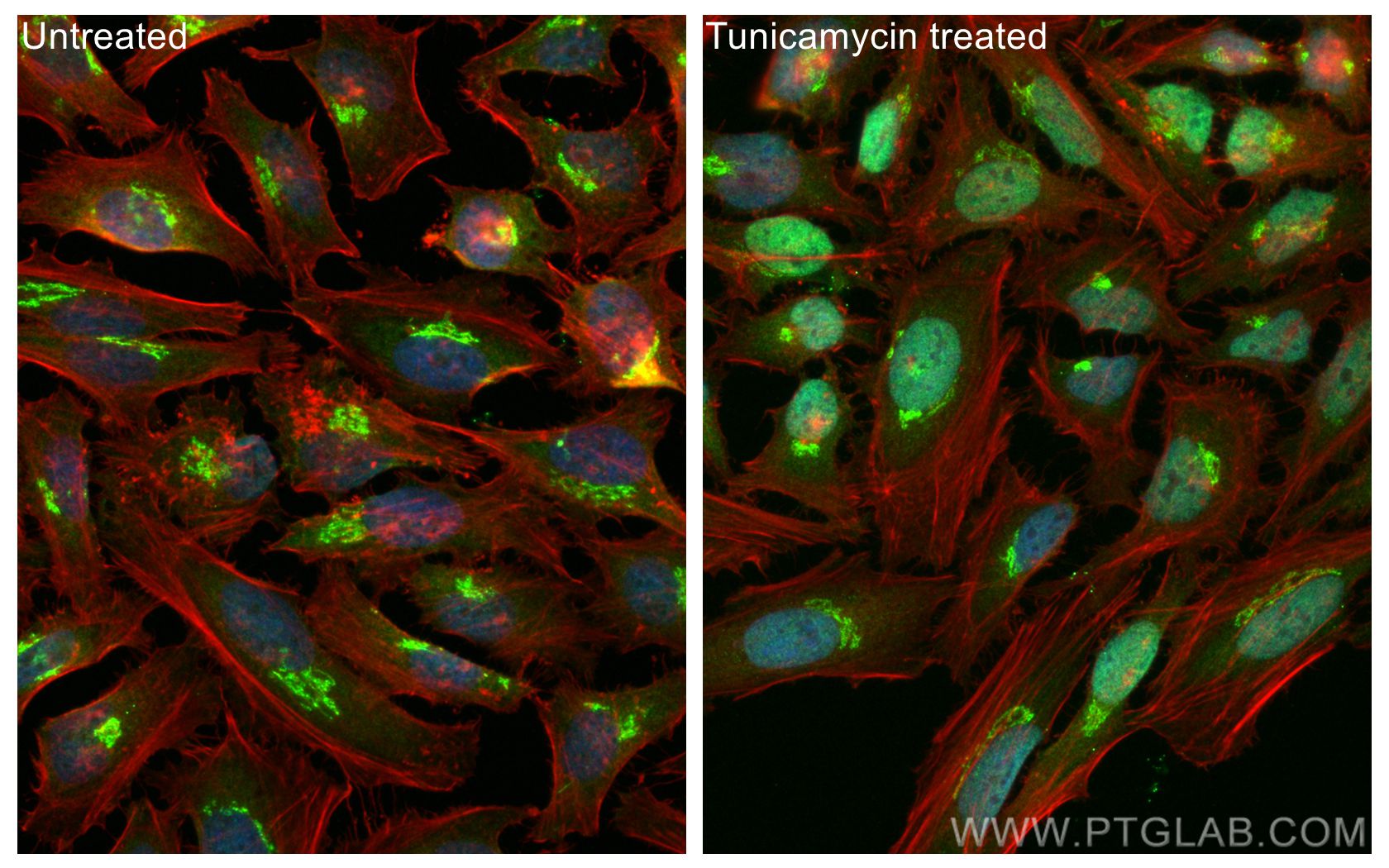
| Positive IF/ICC detected in | Tunicamycin treated HeLa cells, thapsigargin treated U2OS cells |
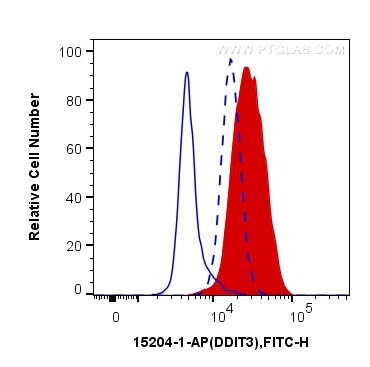
| Positive FC (Intra) detected in | Tunicamycin treated HeLa cells |
Samples need to be treated with ER stress.
Recommended dilution
| Application | Dilution |
|---|---|
| Western Blot (WB) | WB : 1:500-1:3000 |
| Immunoprecipitation (IP) | IP : 0.5-4.0 ug for 1.0-3.0 mg of total protein lysate |
| Immunohistochemistry (IHC) | IHC : 1:50-1:500 |
| Immunofluorescence (IF)/ICC | IF/ICC : 1:50-1:500 |
| Flow Cytometry (FC) (INTRA) | FC (INTRA) : 0.40 ug per 10^6 cells in a 100 µl suspension |
| It is recommended that this reagent should be titrated in each testing system to obtain optimal results. | |
| Sample-dependent, Check data in validation data gallery. | |
Published Applications
| KD/KO | See 37 publications below |
| WB | See 763 publications below |
| IHC | See 99 publications below |
| IF | See 111 publications below |
| IP | See 6 publications below |
| CoIP | See 2 publications below |
| ChIP | See 2 publications below |
Product Information
15204-1-AP targets CHOP/GADD153 in WB, IHC, IF/ICC, FC (Intra), IP, CoIP, ChIP, ELISA applications and shows reactivity with human, mouse, rat samples.
| Tested Reactivity | human, mouse, rat |
| Cited Reactivity | human, mouse, rat, pig, rabbit, canine, chicken, bovine, hamster |
| Host / Isotype | Rabbit / IgG |
| Class | Polyclonal |
| Type | Antibody |
| Immunogen |
CatNo: Ag7354 Product name: Recombinant human CHOP; GADD153 protein Source: e coli.-derived, PGEX-4T Tag: GST Domain: 1-169 aa of BC003637 Sequence: MAAESLPFSFGTLSSWELEAWYEDLQEVLSSDENGGTYVSPPGNEEEESKIFTTLDPASLAWLTEEEPEPAEVTSTSQSPHSPDSSQSSLAQEEEEEDQGRTRKRKQSGHSPARAGKQRMKEKEQENERKVAQLAEENERLKQEIERLTREVEATRRALIDRMVNLHQA 相同性解析による交差性が予測される生物種 |
| Full Name | DNA-damage-inducible transcript 3 |
| Calculated molecular weight | 19 kDa |
| Observed molecular weight | 30 kDa |
| GenBank accession number | BC003637 |
| Gene Symbol | CHOP |
| Gene ID (NCBI) | 1649 |
| RRID | AB_2292610 |
| Conjugate | Unconjugated |
| Form | |
| Form | Liquid |
| Purification Method | Antigen affinity purification |
| UNIPROT ID | P35638 |
| Storage Buffer | PBS with 0.02% sodium azide and 50% glycerol{{ptg:BufferTemp}}7.3 |
| Storage Conditions | Store at -20°C. Stable for one year after shipment. Aliquoting is unnecessary for -20oC storage. |
Background Information
CHOP, also known as GADD153 or DDIT3, is a highly conserved gene in both the structural and regulatory regions. Imposed by unfolded and misfolded proteins, CHOP is significantly induced by ER stress. CHOP is considered a proapoptotic marker of ER stress dependent cell death. CHOP acts as a dominant-negative inhibitor of the transcription factor C/EBP and LAP. It may play an important role in the malignant transformation of nevus to melanoma. The calculated molecular weight of CHOP is 19 kDa, but the protein migrates on an SDS-PAGE gel with an observed molecular mass of 29 kDa (PMID: 1547942).
Protocols
| Product Specific Protocols | |
|---|---|
| IF protocol for CHOP/GADD153 antibody 15204-1-AP | Download protocol |
| IHC protocol for CHOP/GADD153 antibody 15204-1-AP | Download protocol |
| IP protocol for CHOP/GADD153 antibody 15204-1-AP | Download protocol |
| WB protocol for CHOP/GADD153 antibody 15204-1-AP | Download protocol |
| Standard Protocols | |
|---|---|
| Click here to view our Standard Protocols |
Publications
| Species | Application | Title |
|---|---|---|
Science Endosomal lipid signaling reshapes the endoplasmic reticulum to control mitochondrial function | ||
Adv Mater Poly(Citric Acid) Bidirectional Regulator: Coordinating Iron Homeostasis to Suppress Stress Responses and Boosting Mitochondrial Bioenergetics for Enhanced Nerve Repair. | ||
Cancer Commun (Lond) HMMR alleviates endoplasmic reticulum stress by promoting autophagolysosomal activity during endoplasmic reticulum stress-driven hepatocellular carcinoma progression |