
Validation Data Gallery
Tested Applications
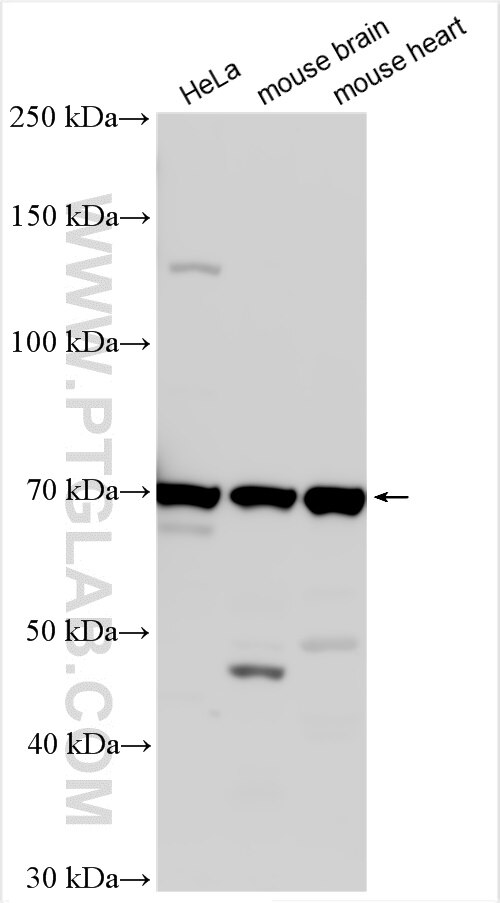
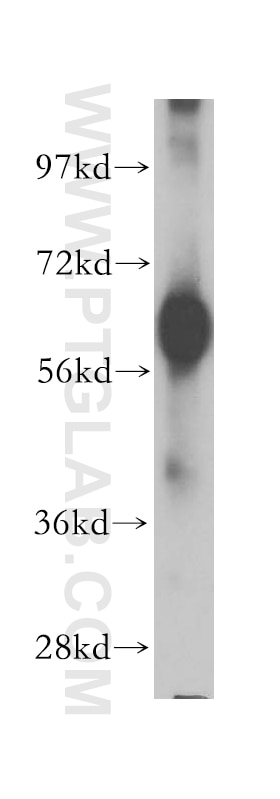
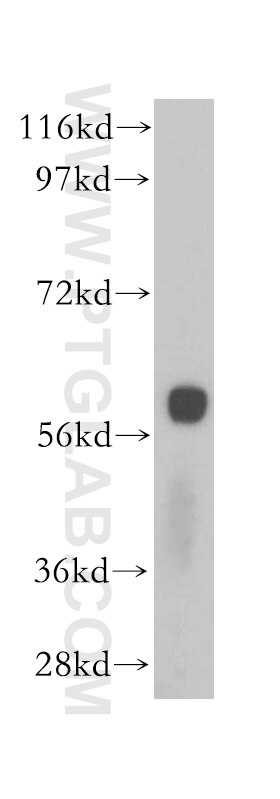
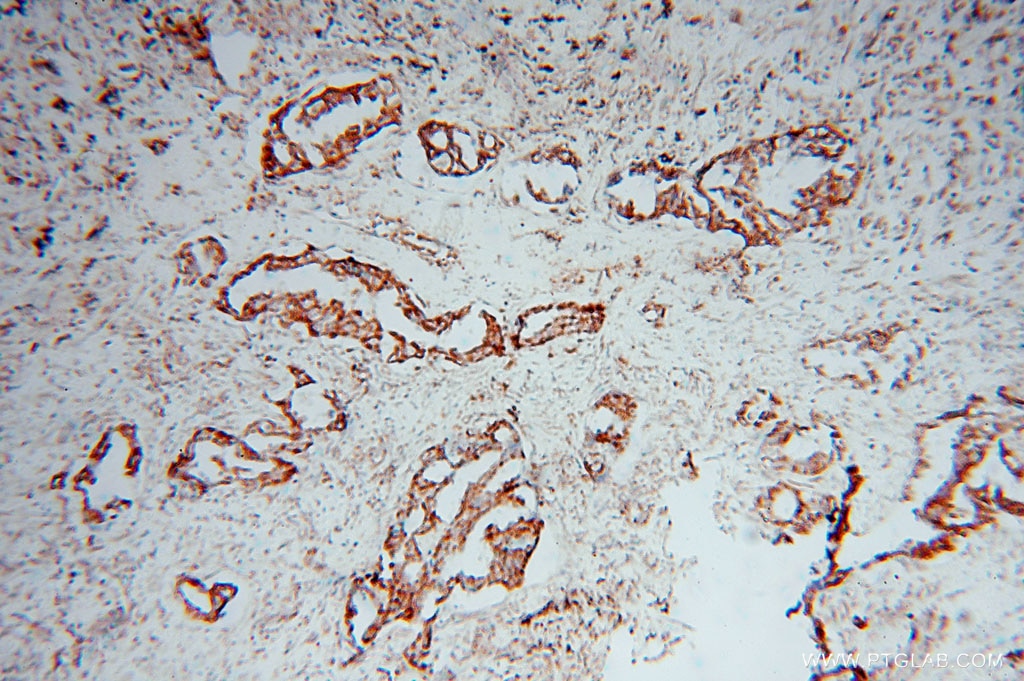
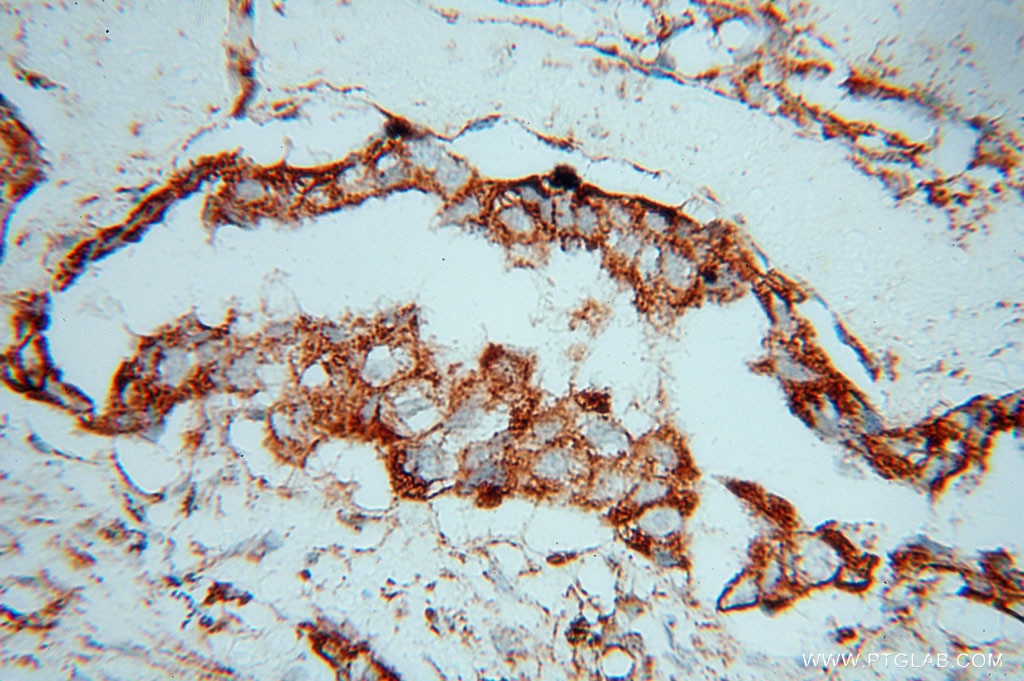
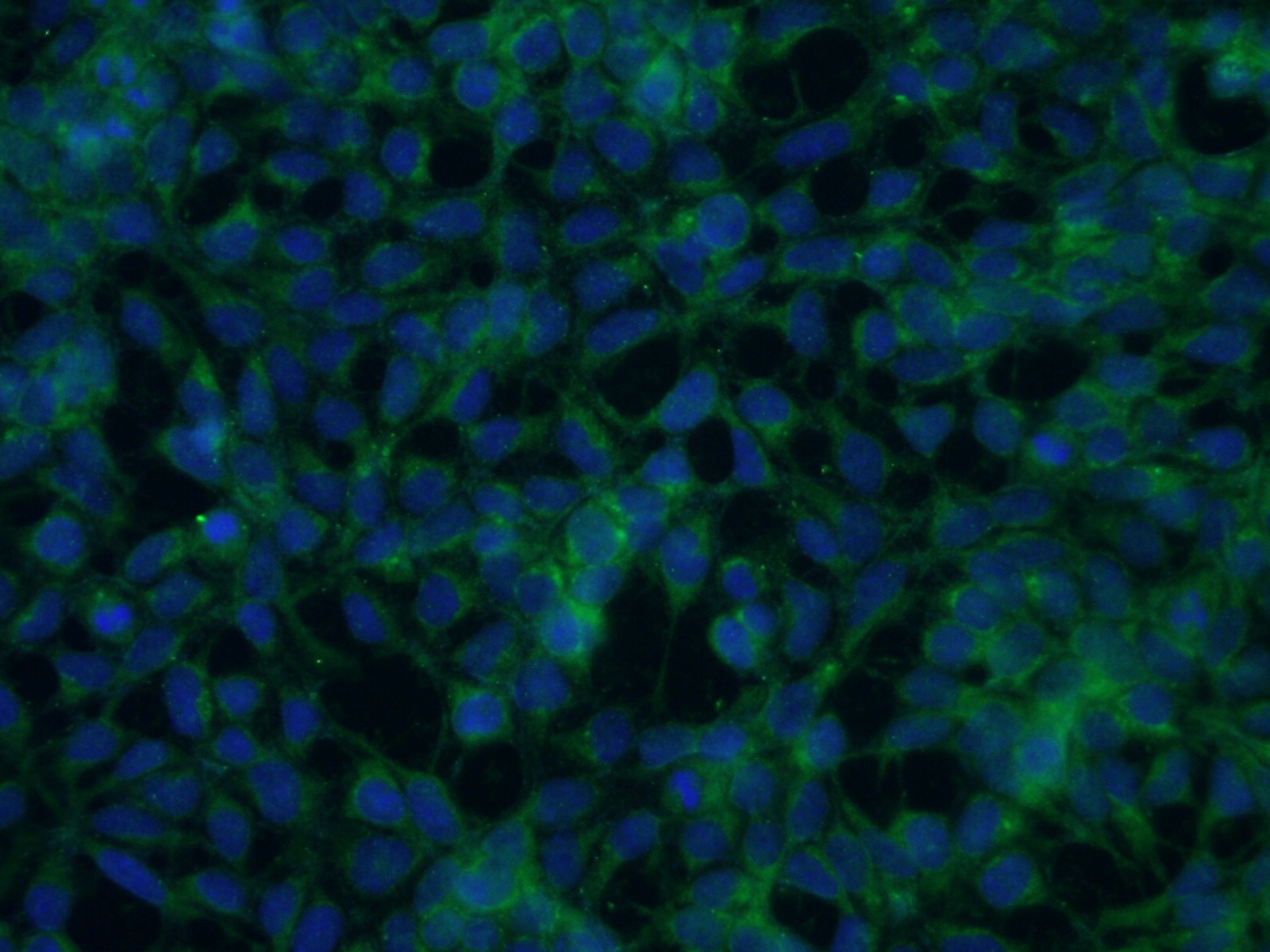
| Positive WB detected in | HeLa cells, mouse liver tissue, mouse pancreas tissue |
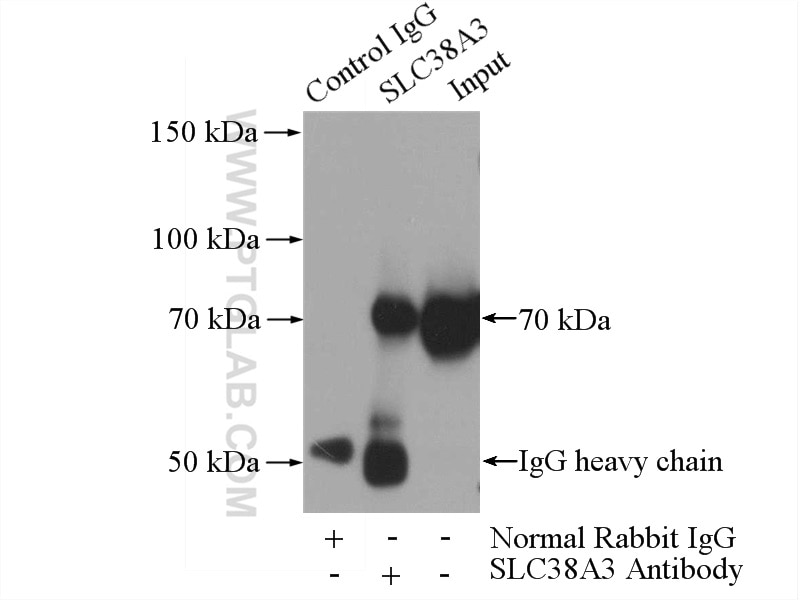
| Positive IP detected in | mouse heart tissue |
| Positive IHC detected in | human lung cancer tissue Note: suggested antigen retrieval with TE buffer pH 9.0; (*) Alternatively, antigen retrieval may be performed with citrate buffer pH 6.0 |
| Positive IF/ICC detected in | HEK-293 cells |
Recommended dilution
| Application | Dilution |
|---|---|
| Western Blot (WB) | WB : 1:1000-1:4000 |
| Immunoprecipitation (IP) | IP : 0.5-4.0 ug for 1.0-3.0 mg of total protein lysate |
| Immunohistochemistry (IHC) | IHC : 1:20-1:200 |
| Immunofluorescence (IF)/ICC | IF/ICC : 1:50-1:500 |
| It is recommended that this reagent should be titrated in each testing system to obtain optimal results. | |
| Sample-dependent, Check data in validation data gallery. | |
Published Applications
| KD/KO | See 2 publications below |
| WB | See 19 publications below |
| IHC | See 4 publications below |
| IF | See 4 publications below |
| IP | See 1 publications below |
| CoIP | See 1 publications below |
Product Information
14315-1-AP targets SLC38A3 in WB, IHC, IF/ICC, IP, CoIP, ELISA applications and shows reactivity with human, mouse samples.
| Tested Reactivity | human, mouse |
| Cited Reactivity | human, mouse, rat |
| Host / Isotype | Rabbit / IgG |
| Class | Polyclonal |
| Type | Antibody |
| Immunogen |
CatNo: Ag5553 Product name: Recombinant human SLC38A3 protein Source: e coli.-derived, PGEX-4T Tag: GST Domain: 1-191 aa of BC042875 Sequence: MEAPLQTEMVELVPNGKHSEGLLPVITPMAGNQRVEDPARSCMEGKSFLQKSPSKEPHFTDFEGKTSFGMSVFNLSNAIMGSGILGLAYAMANTGIILFLFLLTAVALLSSYSIHLLLKSSGVVGIRAYEQLGYRAFGTPGKLAAALAITLQNIGAMSSYLYIIKSELPLVIQTFLNLEEKTSDWYMNGNY 相同性解析による交差性が予測される生物種 |
| Full Name | solute carrier family 38, member 3 |
| Calculated molecular weight | 504 aa, 56 kDa |
| Observed molecular weight | 65-70 kDa |
| GenBank accession number | BC042875 |
| Gene Symbol | SLC38A3 |
| Gene ID (NCBI) | 10991 |
| RRID | AB_2254879 |
| Conjugate | Unconjugated |
| Form | |
| Form | Liquid |
| Purification Method | Antigen affinity purification |
| UNIPROT ID | Q99624 |
| Storage Buffer | PBS with 0.02% sodium azide and 50% glycerol{{ptg:BufferTemp}}7.3 |
| Storage Conditions | Store at -20°C. Stable for one year after shipment. Aliquoting is unnecessary for -20oC storage. |
Background Information
SLC38A3, also known as SNAT3 or SN1, belongs to the SLC38 family of sodium-coupled neutral amino acid transporters. SLC38A3 mediates glutamine transport with sodium and proton coupled manner, and it contributes to ammonia metabolism in the liver and brain. SLC38A3 is highly expressed in the liver and brain astrocytes, with modest expression in the kidney, heart, and muscle. SLC38A3 may migrate higher than the predicted 56 kDa due to the glycosylation.
Protocols
| Product Specific Protocols | |
|---|---|
| IF protocol for SLC38A3 antibody 14315-1-AP | Download protocol |
| IHC protocol for SLC38A3 antibody 14315-1-AP | Download protocol |
| IP protocol for SLC38A3 antibody 14315-1-AP | Download protocol |
| WB protocol for SLC38A3 antibody 14315-1-AP | Download protocol |
| Standard Protocols | |
|---|---|
| Click here to view our Standard Protocols |
Publications
| Species | Application | Title |
|---|---|---|
Autophagy The HGF-MET axis coordinates liver cancer metabolism and autophagy for chemotherapeutic resistance. | ||
Cancer Lett Glutamine transporter SLC38A3 promotes breast cancer metastasis via Gsk3β/β-catenin/EMT pathway | ||
Cancer Lett Amino acid transporter SLC38A3 promotes metastasis of non-small cell lung cancer cells by activating PDK1. | ||
Cancer Lett RCCD1 depletion attenuates TGF-β-induced EMT and cell migration by stabilizing cytoskeletal microtubules in NSCLC cells. | ||
Int J Biol Sci Disrupted astrocyte-neuron glutamine-glutamate cycling in the medial prefrontal cortex contributes to depression-like behaviors.
| ||
Environ Pollut Long-term exposure changes the environmentally relevant bis(2-ethylhexyl) phthalate to be a neuro-hazardous substance disrupting neural homeostasis in emotional and cognitive functions |