
Validation Data Gallery
Tested Applications
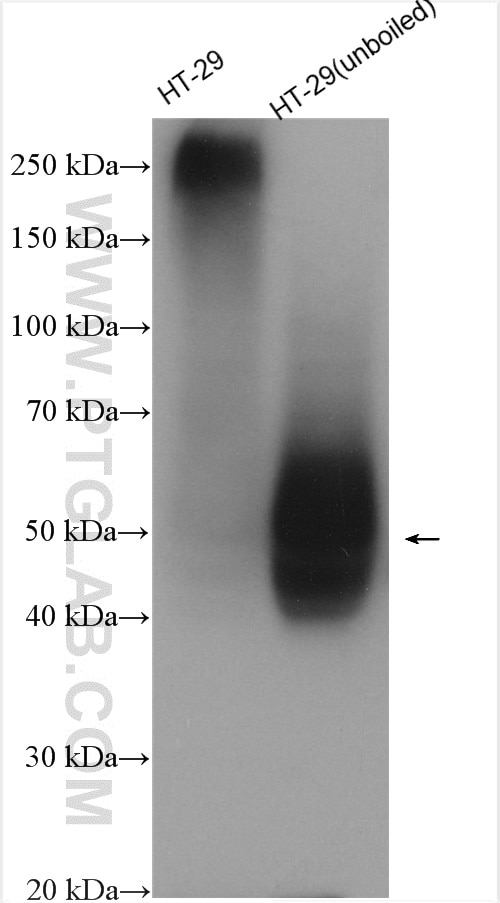
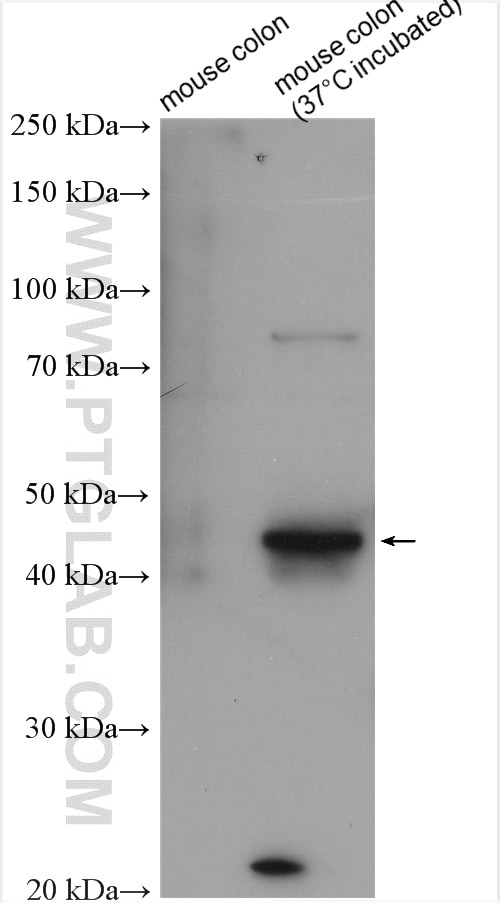
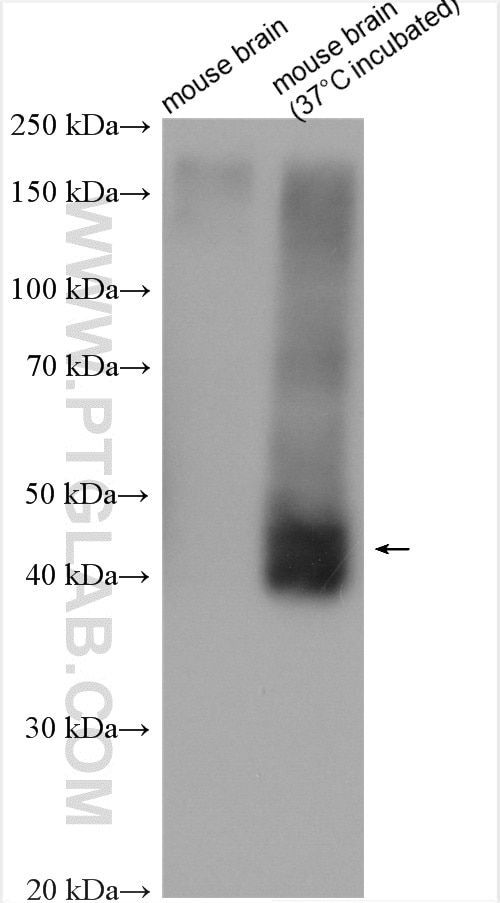
| Positive WB detected in | unboiled HT-29 cells, 37°C incubated mouse colon tissue, 37°C incubated mouse brain tissue |
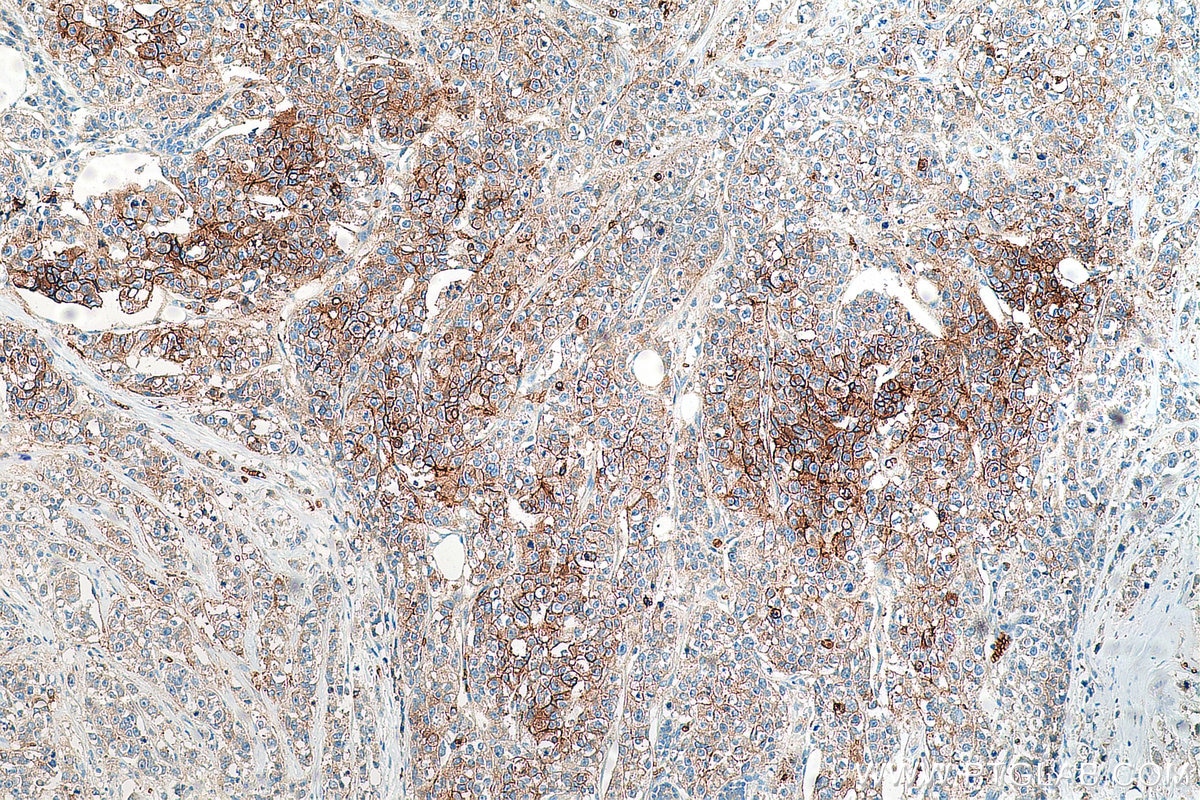
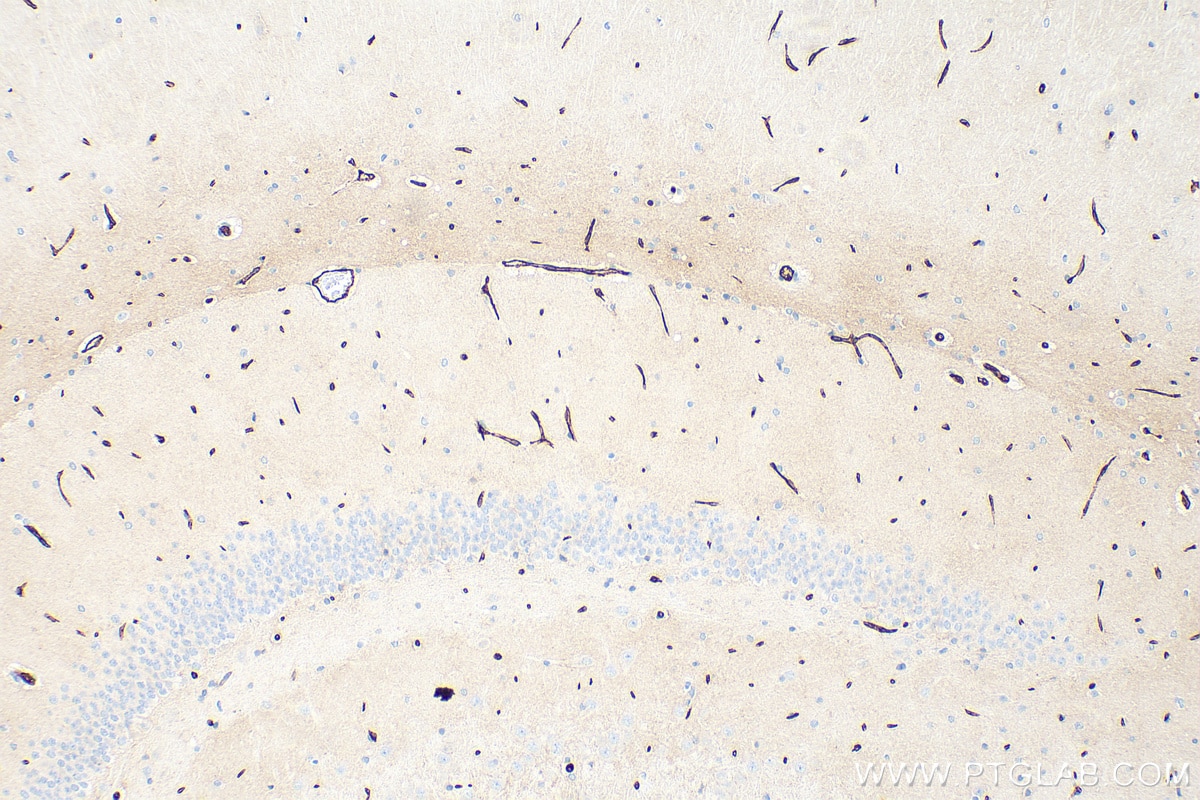
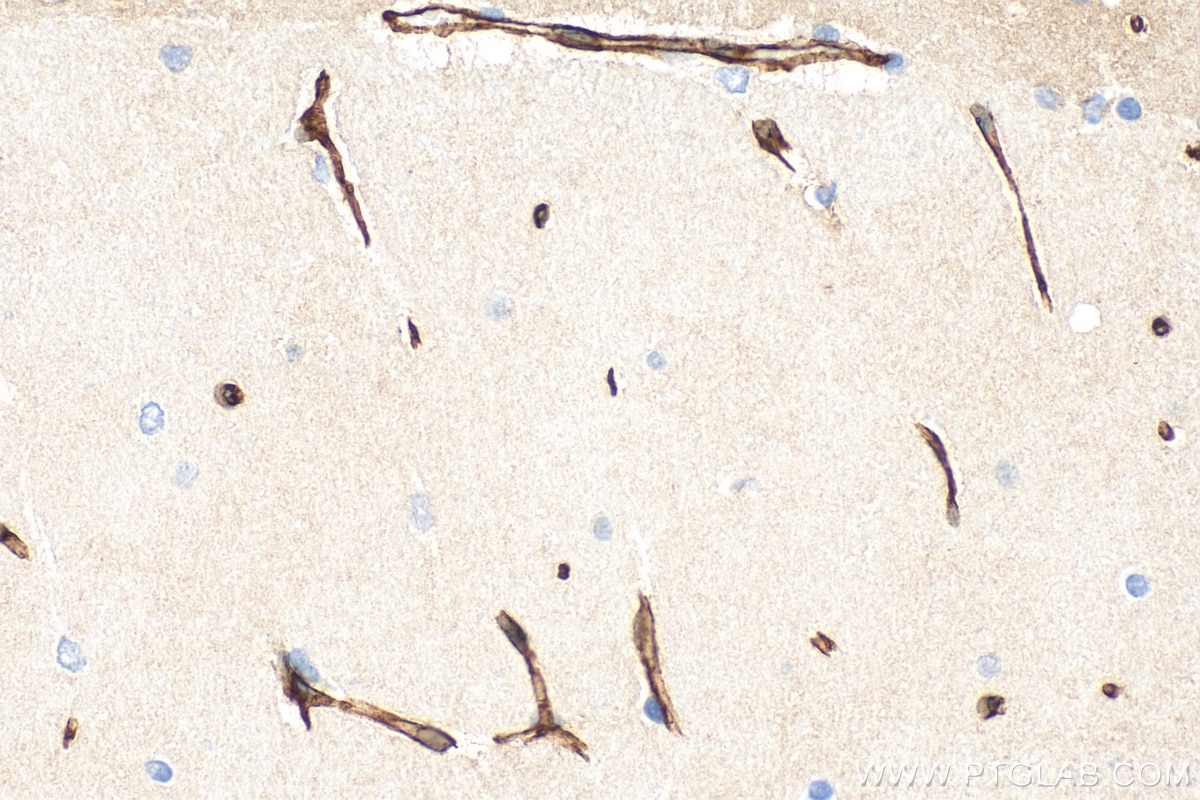
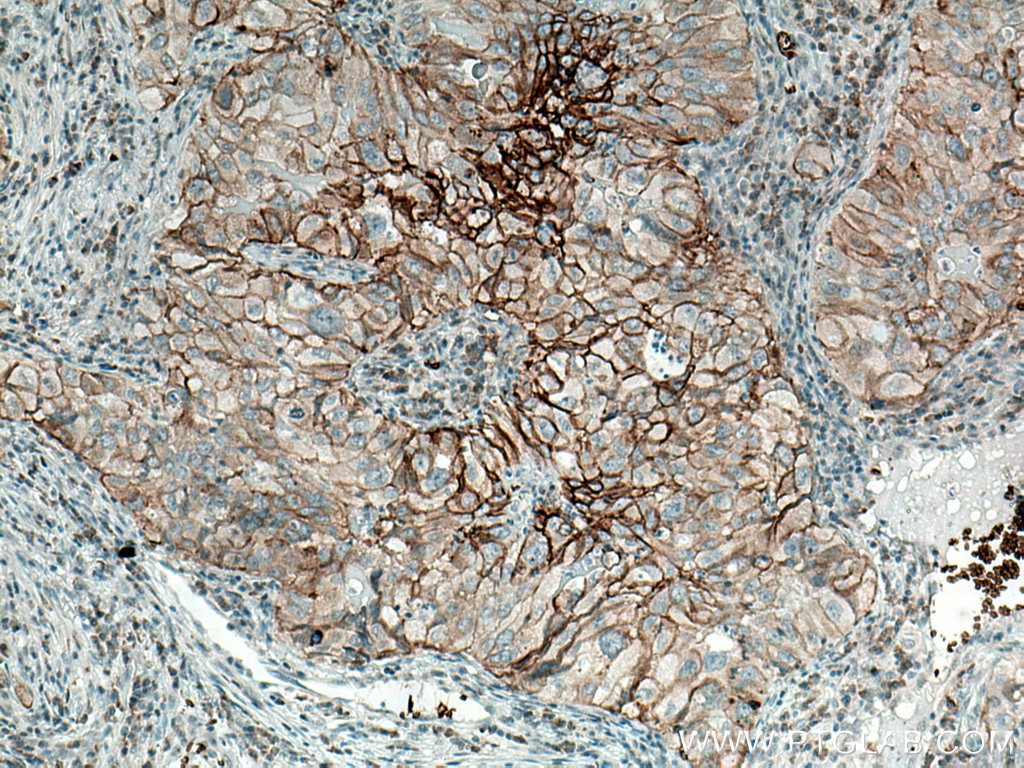
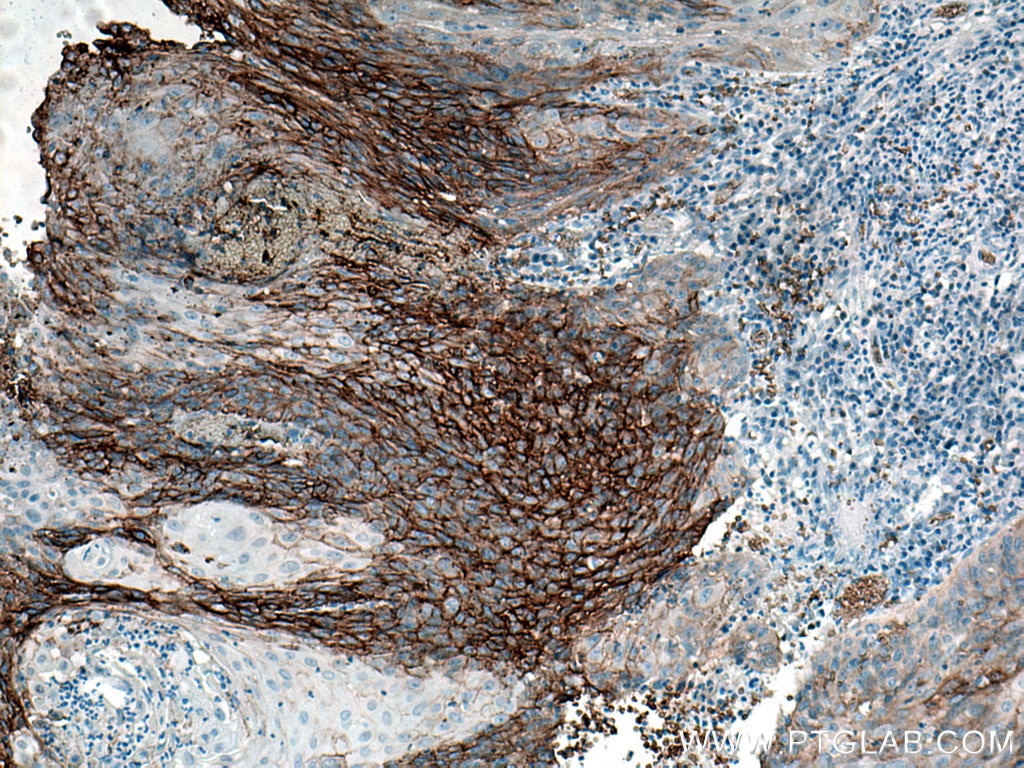
| Positive IHC detected in | rat brain tissue, human cervical cancer tissue, human lung cancer tissue, human breast cancer tissue Note: suggested antigen retrieval with TE buffer pH 9.0; (*) Alternatively, antigen retrieval may be performed with citrate buffer pH 6.0 |
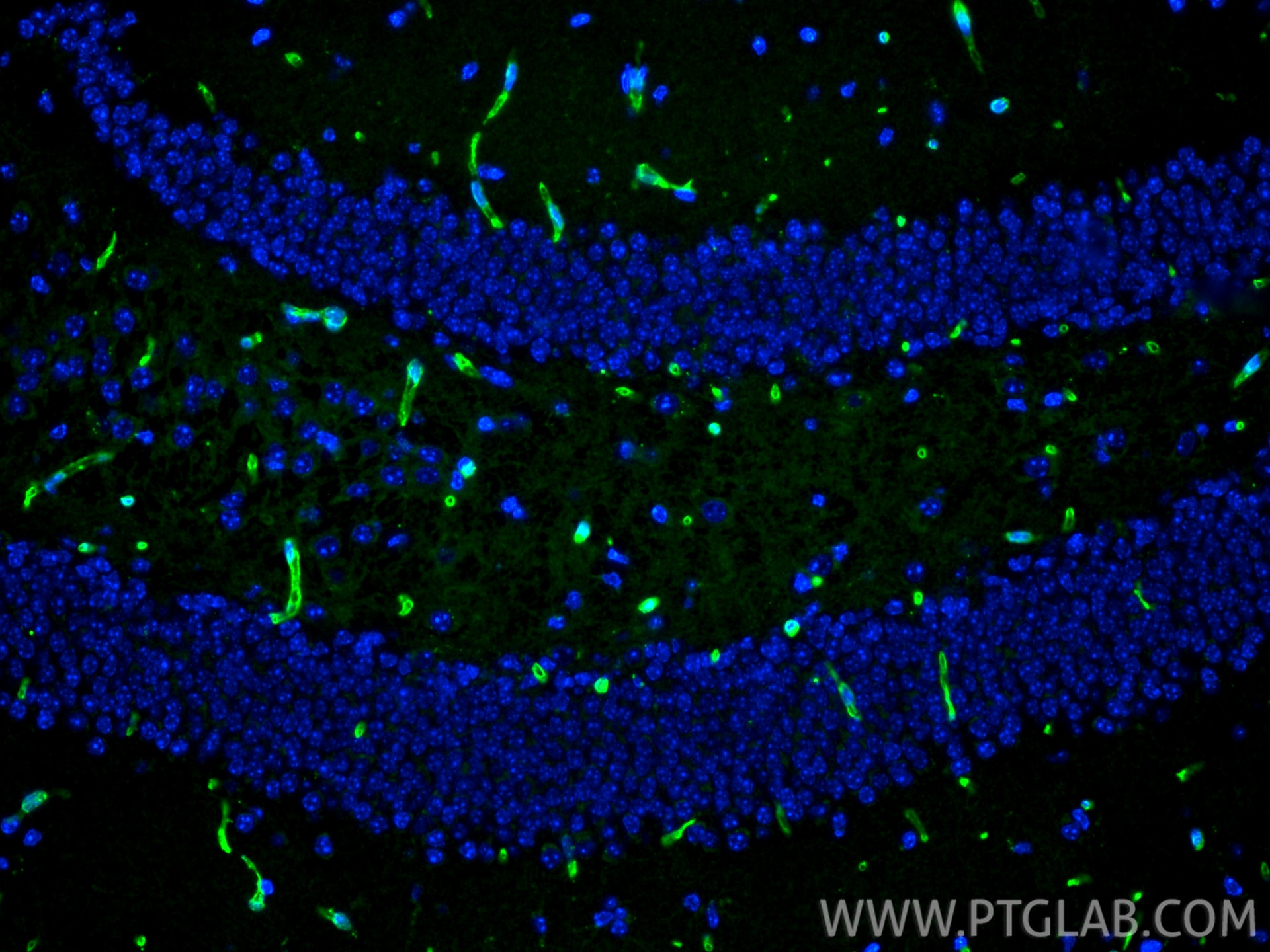
| Positive IF-P detected in | mouse brain tissue |
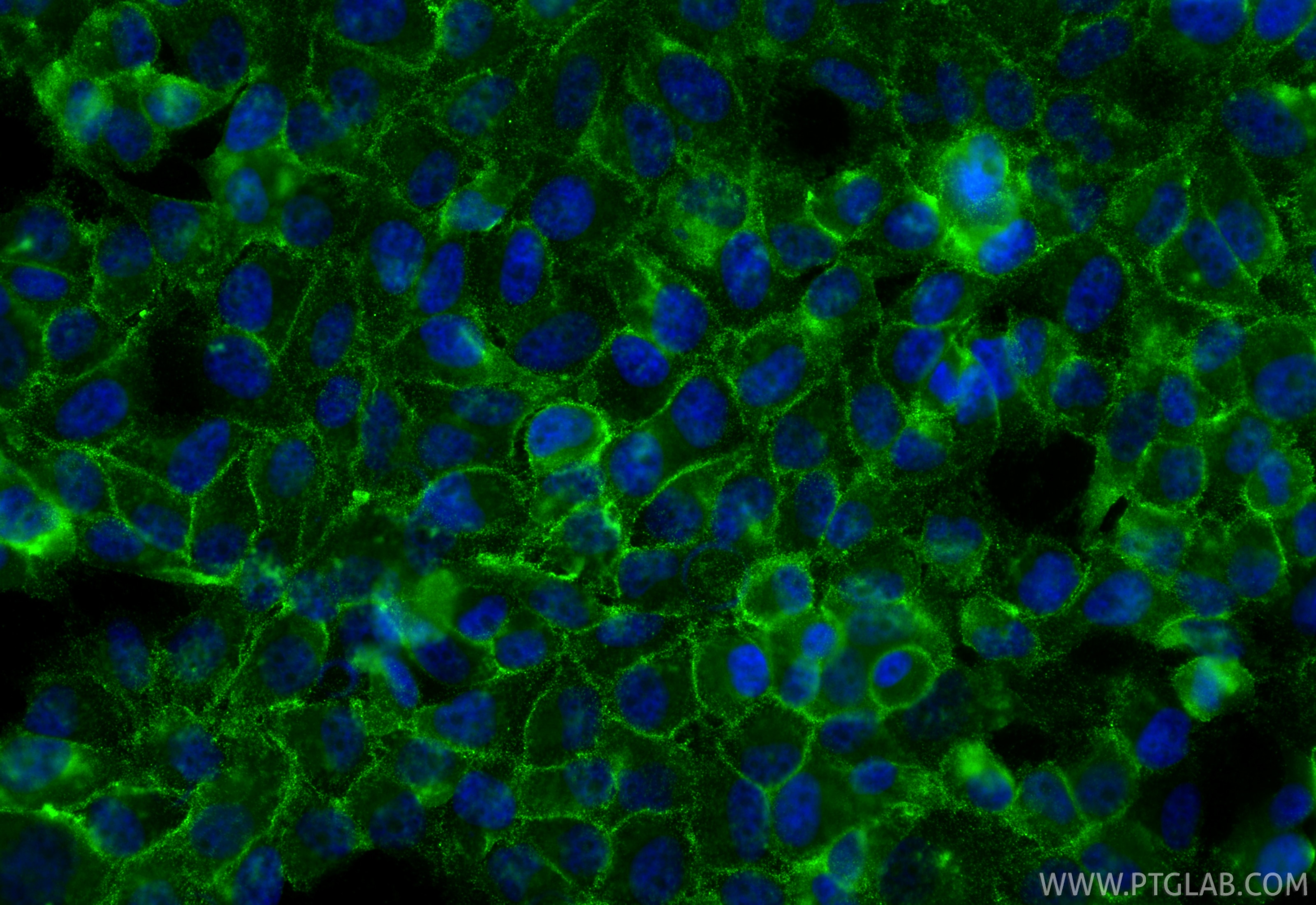
| Positive IF/ICC detected in | HeLa cells |
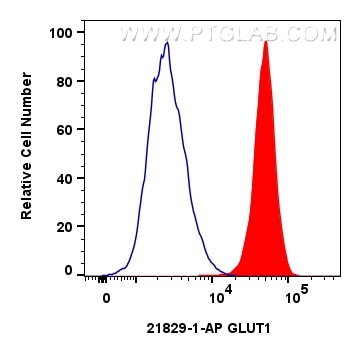
| Positive FC (Intra) detected in | HeLa cells |
For optimal WB detection with 21829-1-AP, we recommend to avoid boiling the sample after lysis.
Recommended dilution
| Application | Dilution |
|---|---|
| Western Blot (WB) | WB : 1:1000-1:8000 |
| Immunohistochemistry (IHC) | IHC : 1:4000-1:16000 |
| Immunofluorescence (IF)-P | IF-P : 1:50-1:500 |
| Immunofluorescence (IF)/ICC | IF/ICC : 1:200-1:800 |
| Flow Cytometry (FC) (INTRA) | FC (INTRA) : 0.40 ug per 10^6 cells in a 100 µl suspension |
| It is recommended that this reagent should be titrated in each testing system to obtain optimal results. | |
| Sample-dependent, Check data in validation data gallery. | |
Published Applications
| KD/KO | See 9 publications below |
| WB | See 355 publications below |
| IHC | See 71 publications below |
| IF | See 74 publications below |
| IP | See 2 publications below |
| CoIP | See 2 publications below |
| ChIP | See 1 publications below |
Product Information
21829-1-AP targets GLUT1 in WB, IHC, IF/ICC, IF-P, FC (Intra), IP, CoIP, ChIP, ELISA applications and shows reactivity with human, mouse, rat samples.
| Tested Reactivity | human, mouse, rat |
| Cited Reactivity | human, mouse, rat, pig, rabbit, goat, lasiopodomys brandtii |
| Host / Isotype | Rabbit / IgG |
| Class | Polyclonal |
| Type | Antibody |
| Immunogen |
CatNo: Ag16282 Product name: Recombinant human SLC2A1,GLUT1 protein Source: e coli.-derived, PGEX-4T Tag: GST Domain: 216-280 aa of BC121804 Sequence: INRNEENRAKSVLKKLRGTADVTHDLQEMKEESRQMMREKKVTILELFRSPAYRQPILIAVVLQL 相同性解析による交差性が予測される生物種 |
| Full Name | solute carrier family 2 (facilitated glucose transporter), member 1 |
| Calculated molecular weight | 492 aa, 54 kDa |
| Observed molecular weight | 45-55 kDa |
| GenBank accession number | BC121804 |
| Gene Symbol | GLUT1 |
| Gene ID (NCBI) | 6513 |
| RRID | AB_10837075 |
| Conjugate | Unconjugated |
| Form | |
| Form | Liquid |
| Purification Method | Antigen affinity purification |
| UNIPROT ID | P11166 |
| Storage Buffer | PBS with 0.02% sodium azide and 50% glycerol{{ptg:BufferTemp}}7.3 |
| Storage Conditions | Store at -20°C. Stable for one year after shipment. Aliquoting is unnecessary for -20oC storage. |
Background Information
Glucose transporter 1 (GLUT1), also known as solute carrier family 2, facilitated glucose transporter member 1 (SLC2A1), is a uniporter protein responsible for the transport of glucose in many cell types and across the blood-brain barrier.
What is the molecular weight of GLUT1? Is GLUT1 post-translationally modified?
There are two forms of GLUT1 transporter that differ in their molecular weight. The 45-kDa form is found in glial cells, while the 55-kDa form is present in the endothelial cells regulating glucose transport over the blood-brain and blood-tissue barriers (PMID: 9630522). N-glycosylation of asparagine at position 42 is the only known post-translation modification of GLUT1 (PMID: 3839598).
What is the subcellular localization of GLUT1?
Glucose transporters, including GLUT1, are multiple-pass integral membrane proteins. GLUT1 is present at the plasma membrane but is also a subject of recycling between plasma membrane and endosomes.
What molecules can be transported by GLUT1?
The main substrate of GLUT1 transport is glucose, but it can also transport galactose, mannose, glucosamine, and reduced ascorbate.
What is the tissue expression pattern of GLUT1?
GLUT1 is expressed by many cell types but the highest levels are observed in erythrocytes and in the central nervous system (astrocytes). GLUT1 is responsible for glucose transfer across the blood-brain and blood-tissue barriers, including placental transport.
Protocols
| Product Specific Protocols | |
|---|---|
| FC protocol for GLUT1 antibody 21829-1-AP | Download protocol |
| IF protocol for GLUT1 antibody 21829-1-AP | Download protocol |
| IHC protocol for GLUT1 antibody 21829-1-AP | Download protocol |
| WB protocol for GLUT1 antibody 21829-1-AP | Download protocol |
| Standard Protocols | |
|---|---|
| Click here to view our Standard Protocols |
Publications
| Species | Application | Title |
|---|---|---|
Cell Metab High Glucose Triggers Nucleotide Imbalance through O-GlcNAcylation of Key Enzymes and Induces KRAS Mutation in Pancreatic Cells. | ||
Cell Metab Red blood cells serve as a primary glucose sink to improve glucose tolerance at altitude. | ||
Cancer Discov Functional reprogramming of neutrophils within the brain tumor microenvironment by hypoxia-driven histone lactylation | ||
Adv Mater Supramolecular Hydrogel with Ultra-Rapid Cell-Mediated Network Adaptation for Enhancing Cellular Metabolic Energetics and Tissue Regeneration | ||
Adv Mater Functionalized Nanozyme Microcapsules Targeting Deafness Prevention via Mitochondrial Homeostasis Remodeling |