
Validation Data Gallery
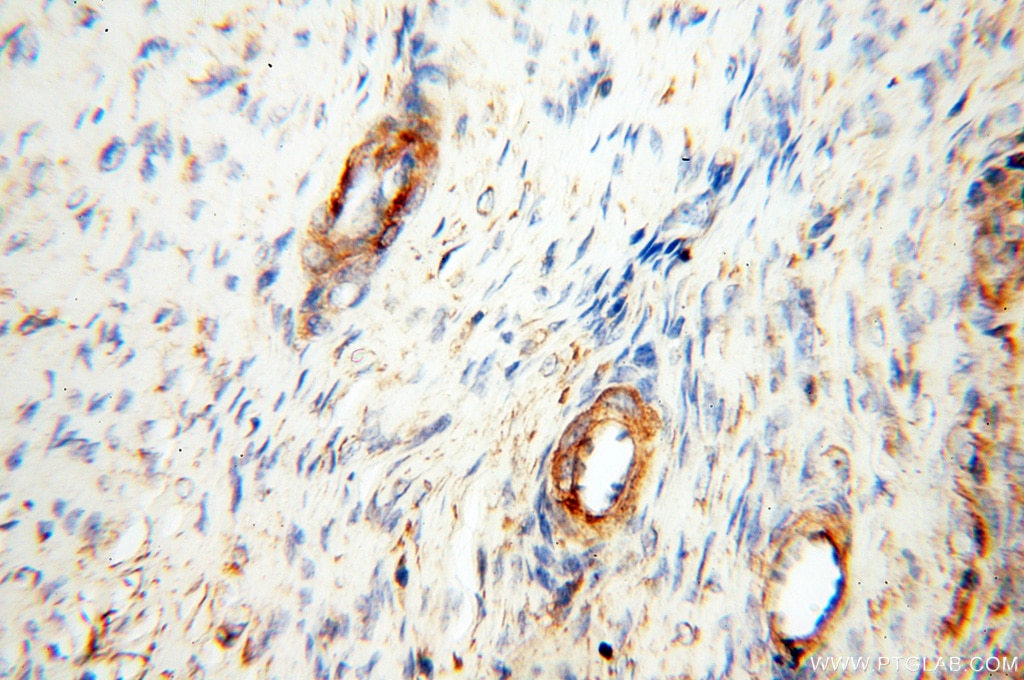
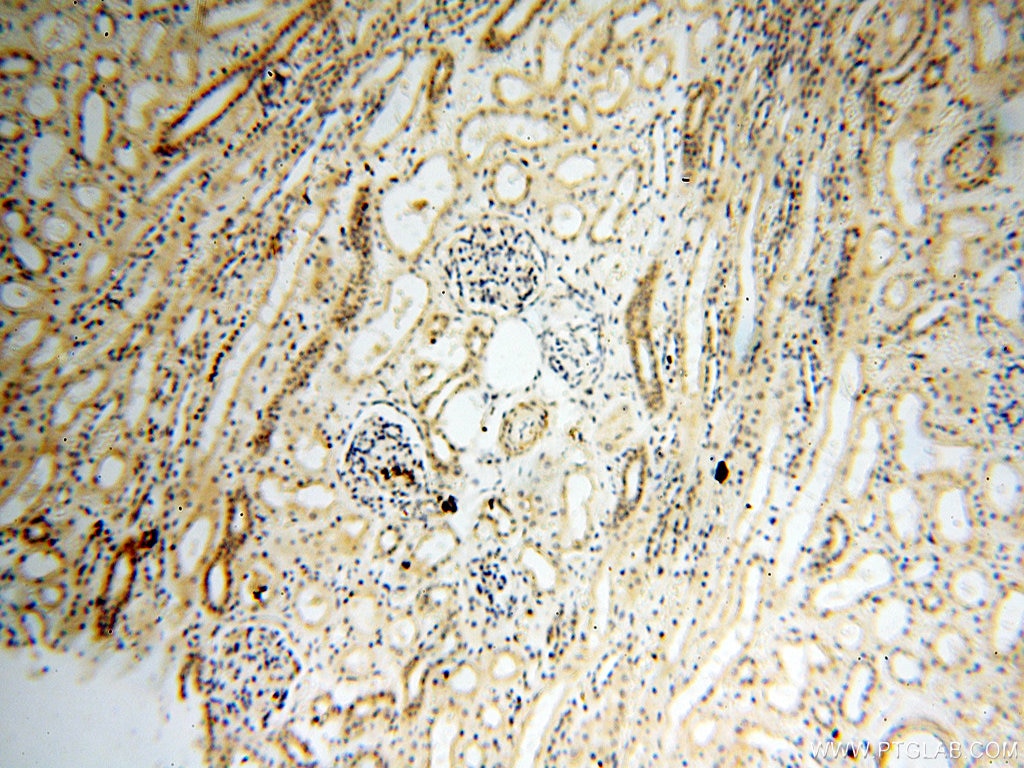
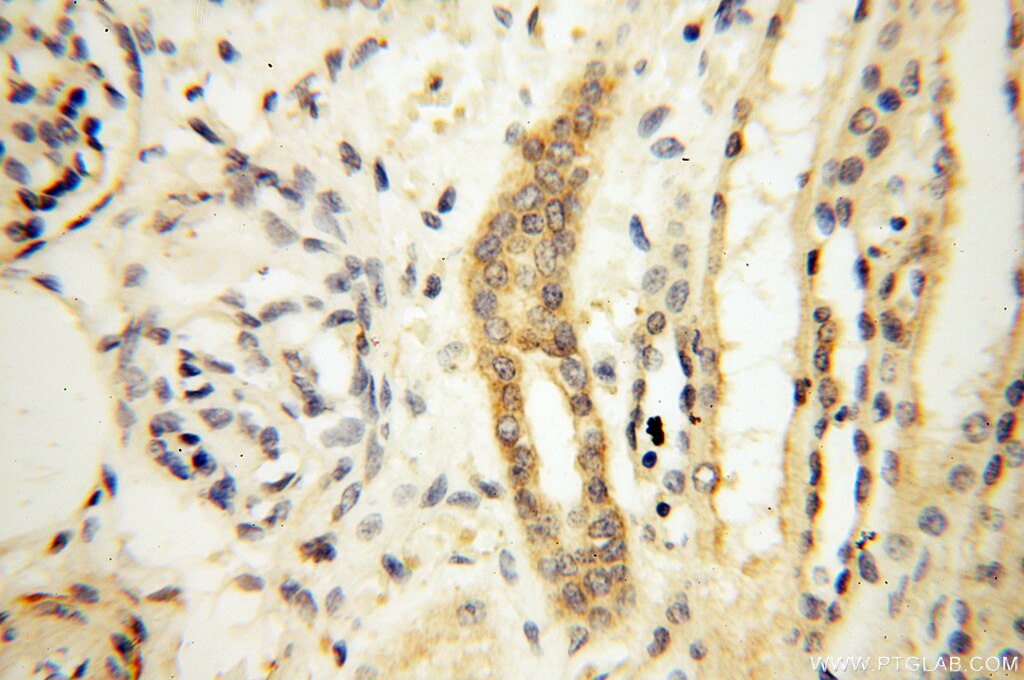
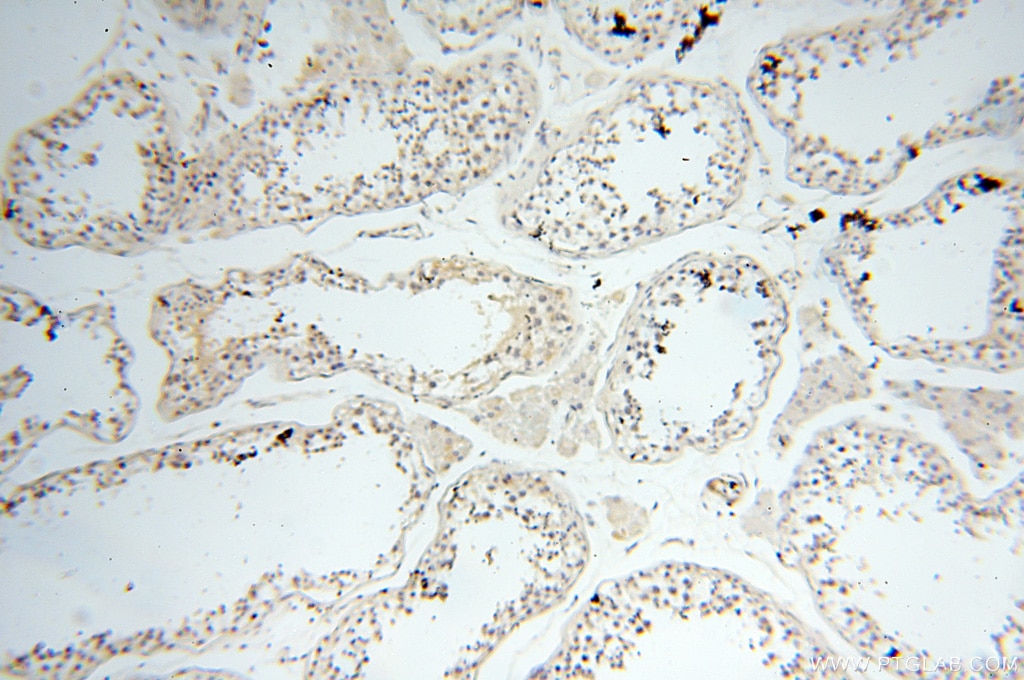
Tested Applications
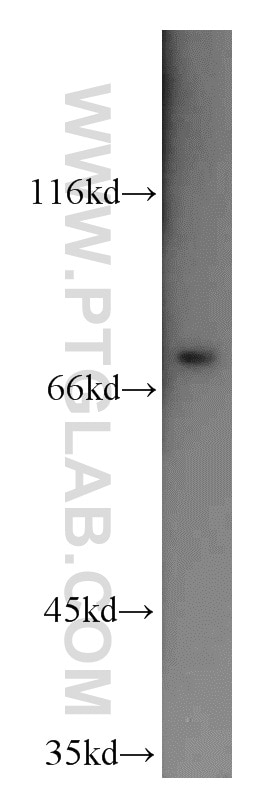
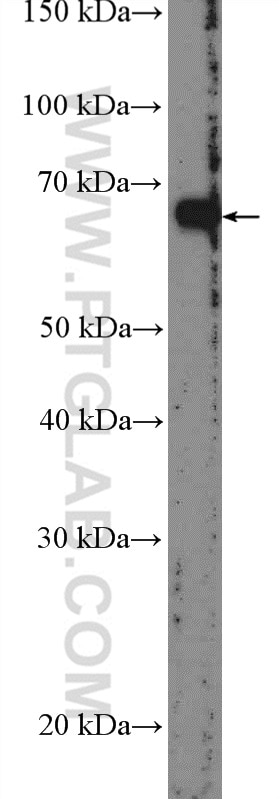
| Positive WB detected in | mouse skeletal muscle tissue, mouse heart tissue |
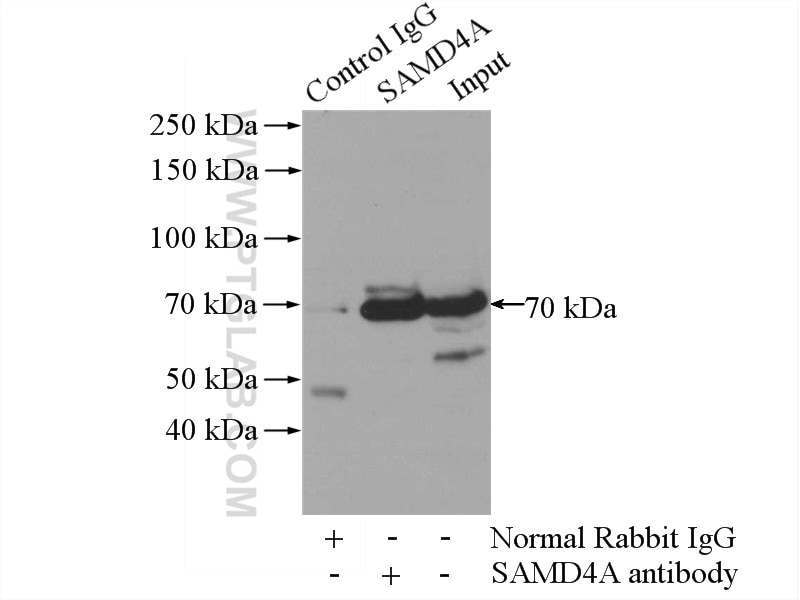
| Positive IP detected in | mouse skeletal muscle tissue |
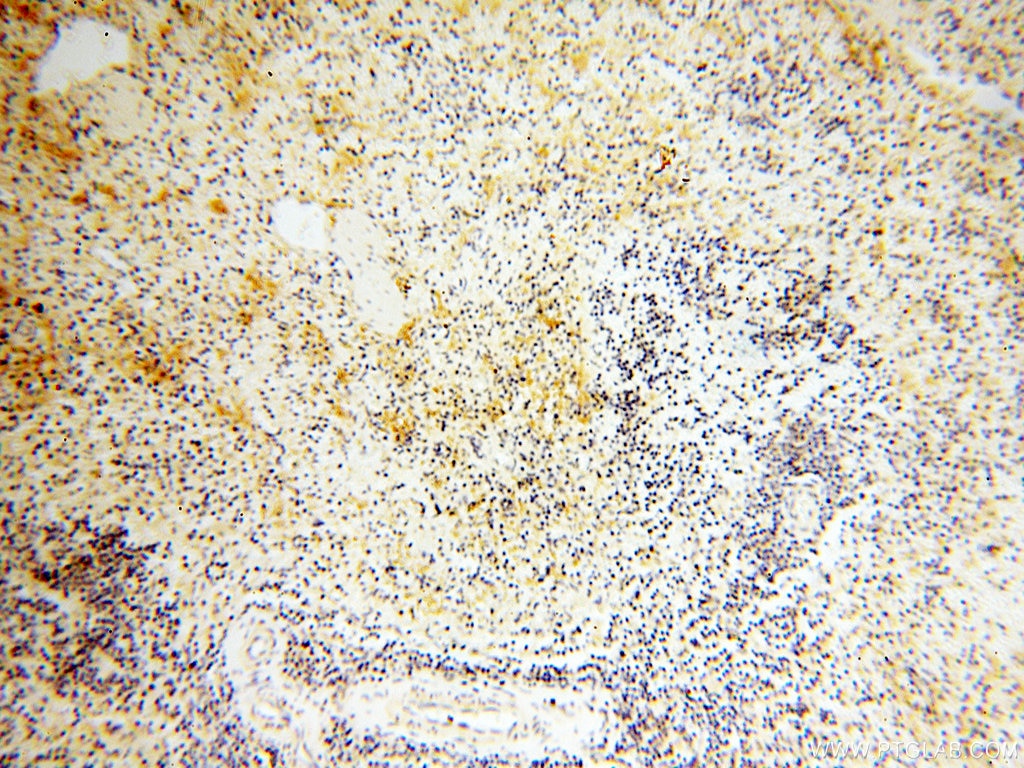
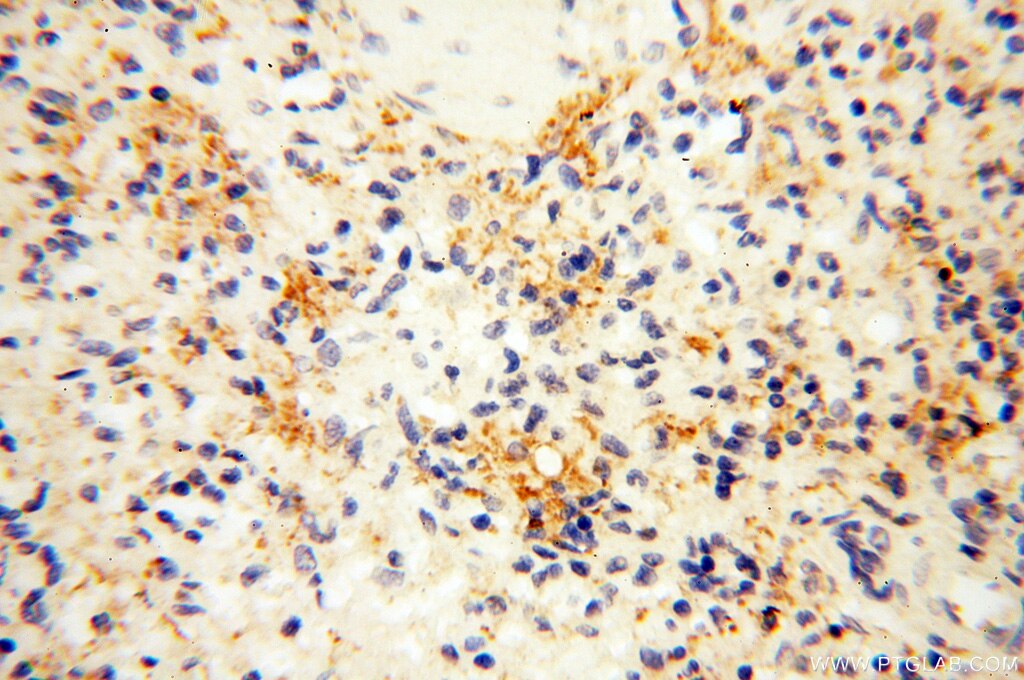
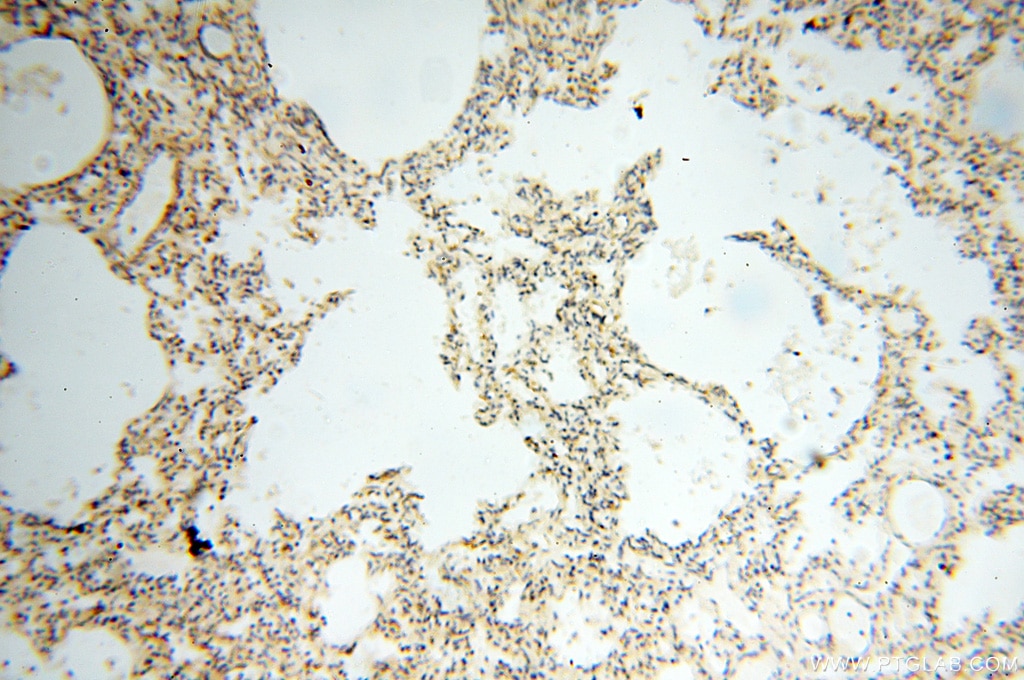
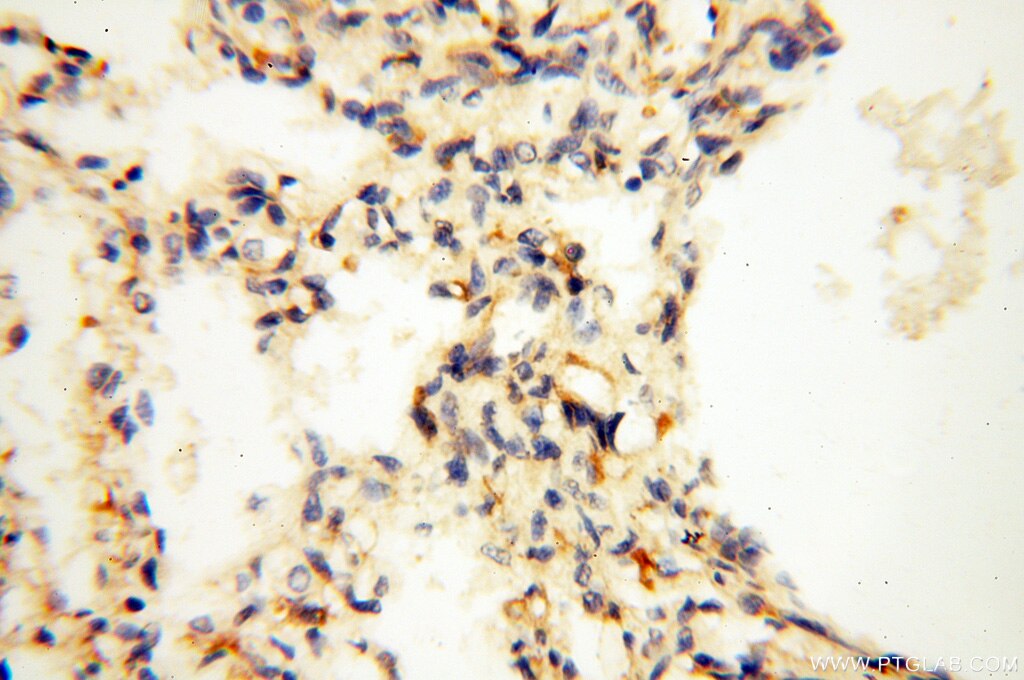
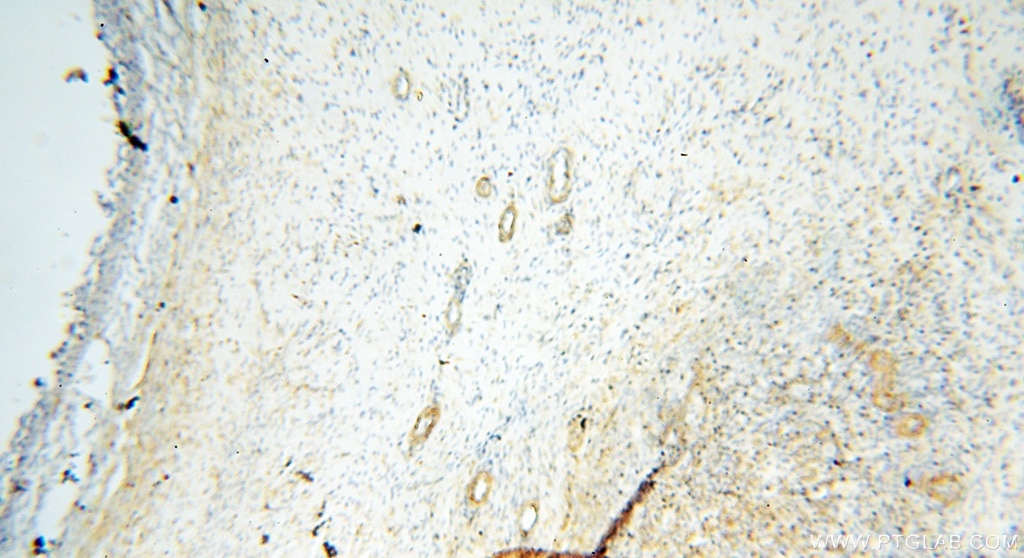
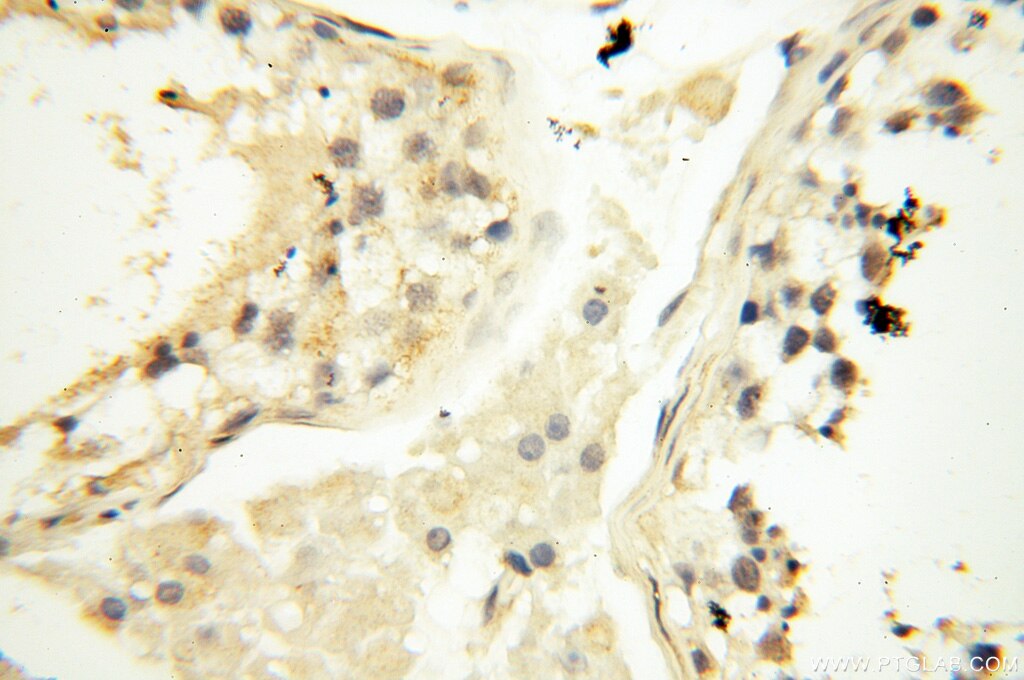
| Positive IHC detected in | human spleen tissue, human kidney tissue, human lung tissue, human ovary tissue, human testis tissue Note: suggested antigen retrieval with TE buffer pH 9.0; (*) Alternatively, antigen retrieval may be performed with citrate buffer pH 6.0 |
Recommended dilution
| Application | Dilution |
|---|---|
| Western Blot (WB) | WB : 1:500-1:1000 |
| Immunoprecipitation (IP) | IP : 0.5-4.0 ug for 1.0-3.0 mg of total protein lysate |
| Immunohistochemistry (IHC) | IHC : 1:20-1:200 |
| It is recommended that this reagent should be titrated in each testing system to obtain optimal results. | |
| Sample-dependent, Check data in validation data gallery. | |
Published Applications
| KD/KO | See 2 publications below |
| WB | See 10 publications below |
| IHC | See 1 publications below |
| RIP | See 1 publications below |
Product Information
17387-1-AP targets SAMD4A in WB, IHC, IP, RIP, ELISA applications and shows reactivity with human, mouse, rat samples.
| Tested Reactivity | human, mouse, rat |
| Cited Reactivity | human, mouse |
| Host / Isotype | Rabbit / IgG |
| Class | Polyclonal |
| Type | Antibody |
| Immunogen |
CatNo: Ag11273 Product name: Recombinant human SAMD4A protein Source: e coli.-derived, PGEX-4T Tag: GST Domain: 1-383 aa of BC021726 Sequence: LLNPYQAAAWDSICPIHWRLTDIIEGGSLRIPLQELHQMILTPIKAYSSPSTTPEARRREPQAPRQPSLMGPESQSPDCKDGAAATGATATPSAGASGGLQPHQLSSCDGELAVAPLPEGDLPGQFTRVMGKVCTQLLVSRPDEENISSYLQLIDKCLIHEAFTETQKKRLLSWKQQVQKLFRSFPRKTLLDISGYRQQRNRGFGQSNSLPTAGSVGGGMGRRNPRQYQIPSRNVPSARLGLLGTSGFVSSNQRNTTATPTIMKQGRQNLWFANPGGSNSMPSRTHSSVQRTRSLPVHTSPQNMLMFQQPGSQVHSGLCLTDLRGWLSLSGAPSMPALTVPKSSQGEFQLPVTEPDINNRLESLCLSMTEHALGDGVDRTSTI 相同性解析による交差性が予測される生物種 |
| Full Name | sterile alpha motif domain containing 4A |
| Calculated molecular weight | 529 aa, 59 kDa |
| Observed molecular weight | 70 kDa |
| GenBank accession number | BC021726 |
| Gene Symbol | SAMD4A |
| Gene ID (NCBI) | 23034 |
| RRID | AB_2301339 |
| Conjugate | Unconjugated |
| Form | |
| Form | Liquid |
| Purification Method | Antigen affinity purification |
| UNIPROT ID | Q9UPU9 |
| Storage Buffer | PBS with 0.02% sodium azide and 50% glycerol{{ptg:BufferTemp}}7.3 |
| Storage Conditions | Store at -20°C. Stable for one year after shipment. Aliquoting is unnecessary for -20oC storage. |
Background Information
SAMD4A is also named as KIAA1053, SAMD4, SMAUG1, hSmaug1 and belongs to the SMAUG family. SAMD4A acts as a translational repressor of SRE-containing messengers. (PMID:16221671). In particular, as orthologous alternative splicing isoforms, mouse Samd4a E-form and human SAMD4A C-form containing the SAM domain were specific to testes. Samd4a/SAMD4A plays an essential role in normal spermatogenesis, and SAMD4A, as a spermatid specific marker, can be used for subcategorizing nonobstructive azoospermia patients (PMID:36274854). In mammalian cells, human SAMD4A can form a kind of mRNA‐silencing foci in the cytoplasm, acting differently from processing body and stress granules. Recently, it was reported that human SAMD4A can protect the host from viral infection by degrading viral RNA (PMID: 32341522). Indition, 14-3-3s negatively regulate the localization of the RNA-binding protein SAMD4A to cytoplasmic granules and inhibit its activity as a translational repressor (PMID: 36931259).
Protocols
| Product Specific Protocols | |
|---|---|
| IHC protocol for SAMD4A antibody 17387-1-AP | Download protocol |
| IP protocol for SAMD4A antibody 17387-1-AP | Download protocol |
| WB protocol for SAMD4A antibody 17387-1-AP | Download protocol |
| Standard Protocols | |
|---|---|
| Click here to view our Standard Protocols |
Publications
| Species | Application | Title |
|---|---|---|
Cell Mol Immunol SAMD4 family members suppress human hepatitis B virus by directly binding to the Smaug recognition region of viral RNA.
| ||
Cell Host Microbe MX2 forms nucleoporin-comprising cytoplasmic biomolecular condensates that lure viral capsids | ||
J Adv Res SAMD4A inhibits abdominal aortic aneurysm development and VSMC phenotypic transformation through targeting KDM2B | ||
Mol Cell BAG2 releases SAMD4B upon sensing of arginine deficiency to promote tumor cell survival | ||
J Neuroinflammation Smad7 in the hippocampus contributes to memory impairment in aged mice after anesthesia and surgery | ||
Stem Cell Res Ther RNA-binding protein SAMD4A targets FGF2 to regulate cardiomyocyte lineage specification from human embryonic stem cells |