
Validation Data Gallery
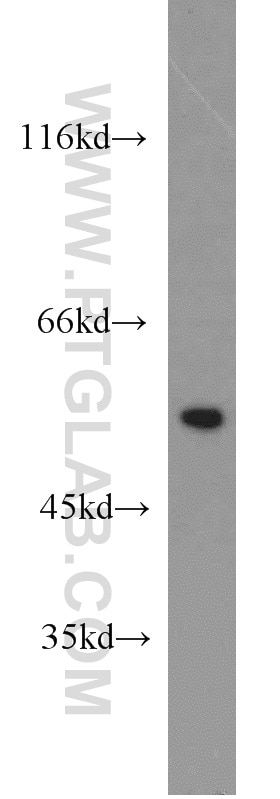
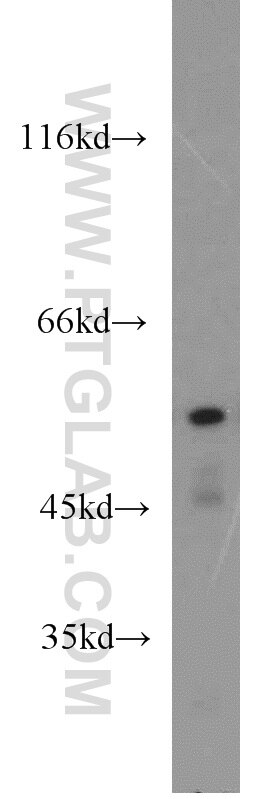
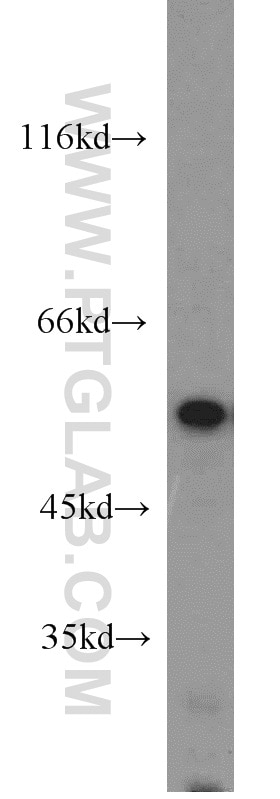
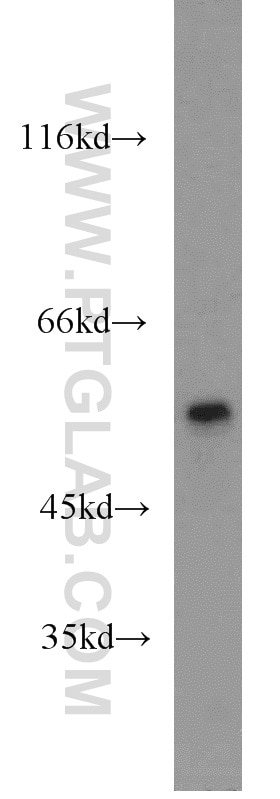
Tested Applications
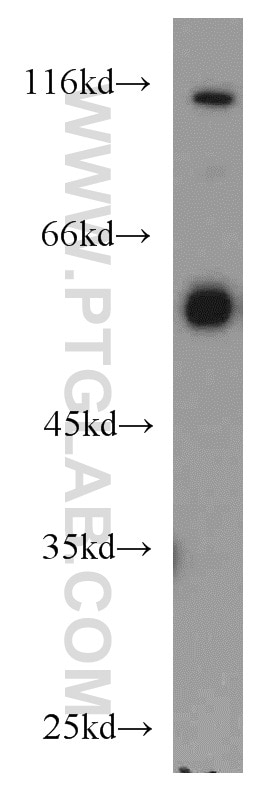
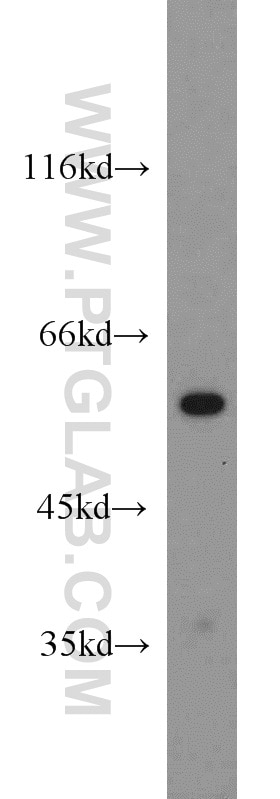
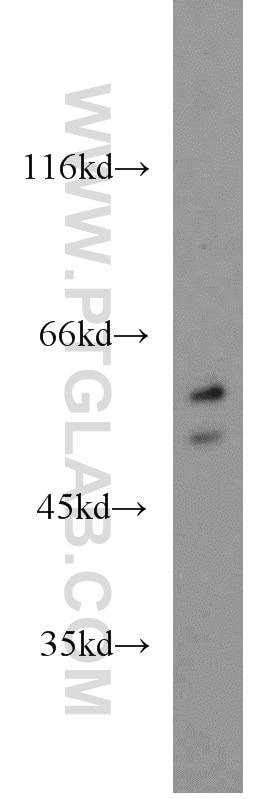
| Positive WB detected in | mouse heart tissue, mouse brain tissue, mouse skeletal muscle tissue |
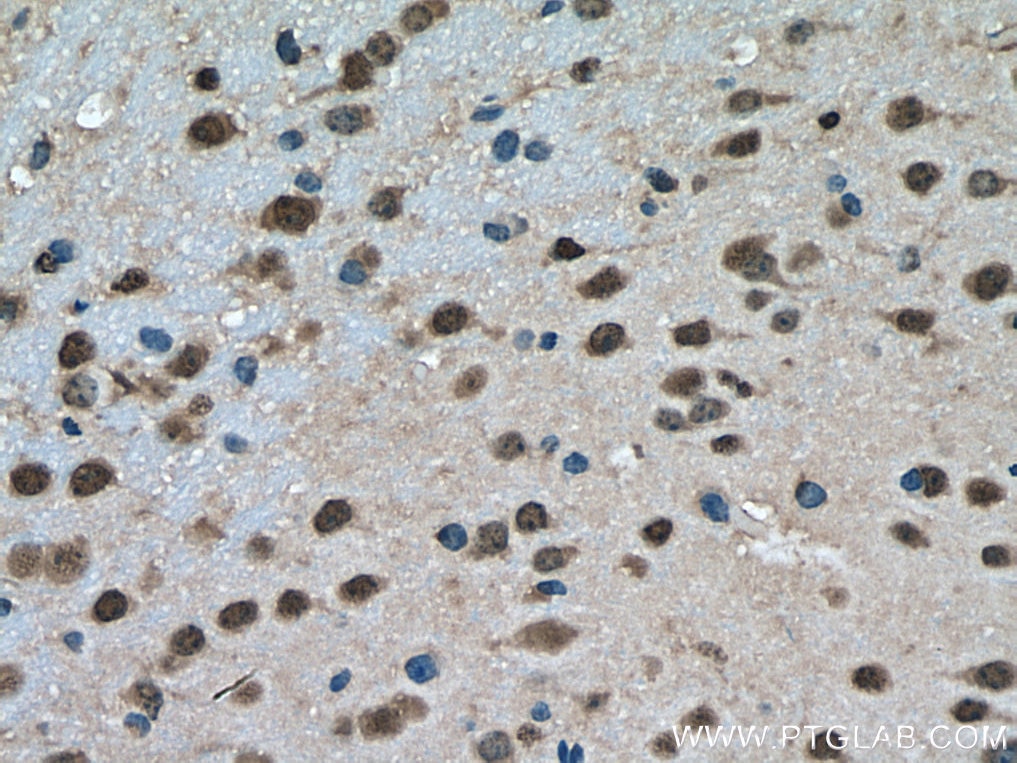
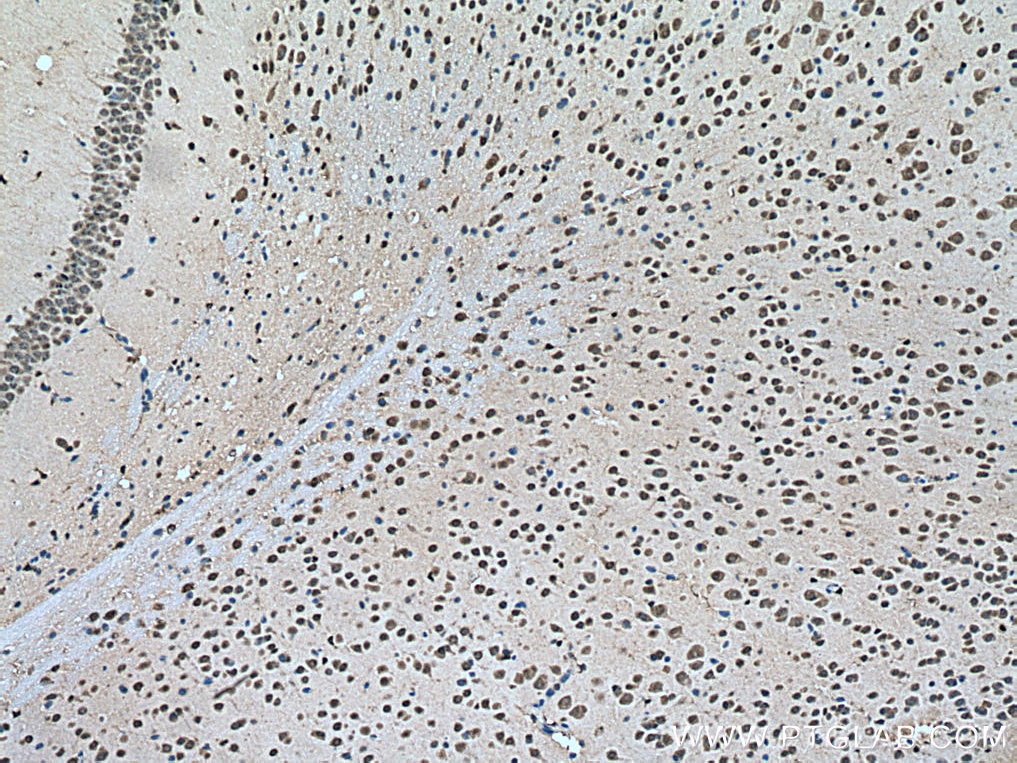
| Positive IHC detected in | mouse brain tissue Note: suggested antigen retrieval with TE buffer pH 9.0; (*) Alternatively, antigen retrieval may be performed with citrate buffer pH 6.0 |
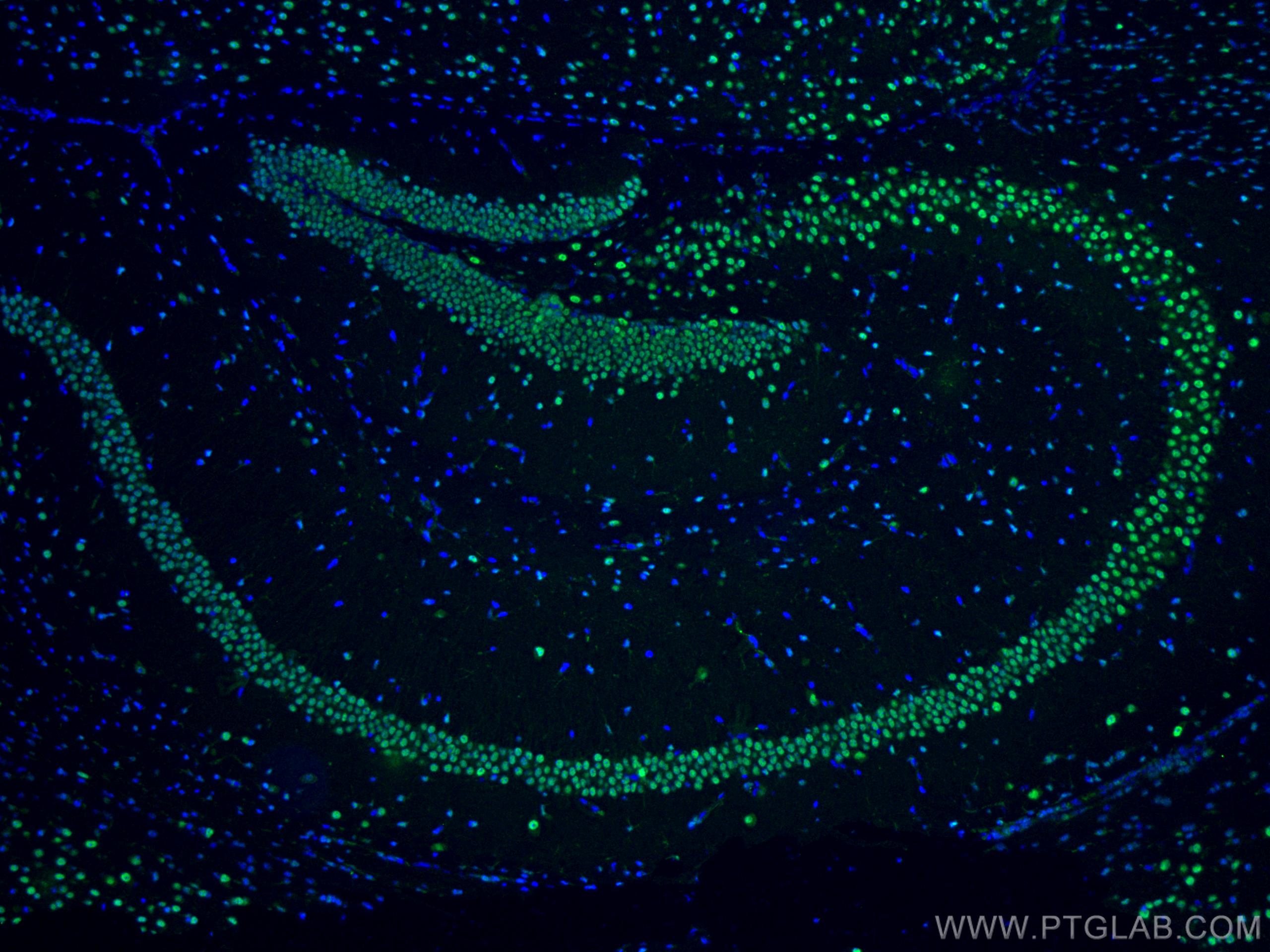
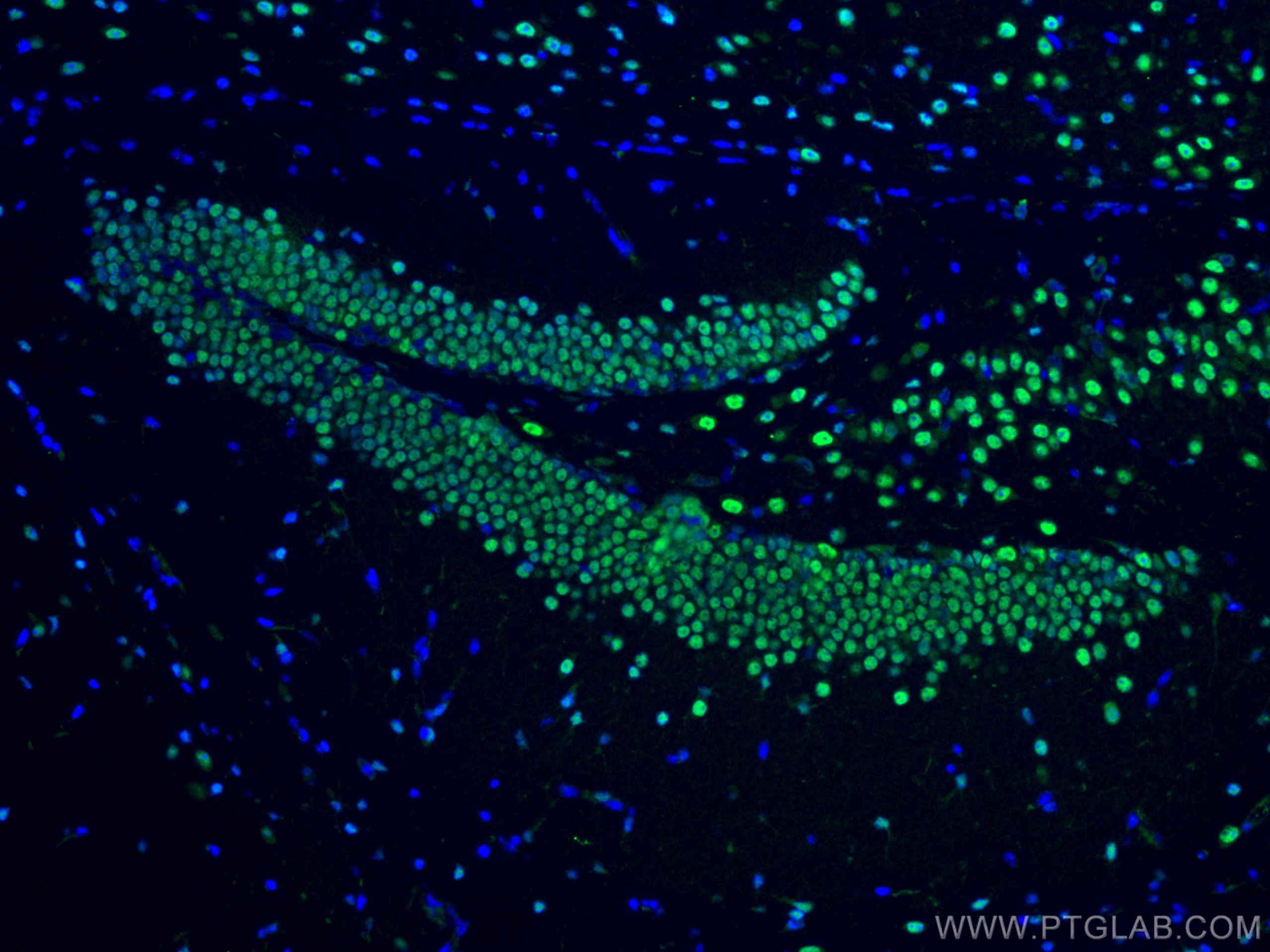
| Positive IF-P detected in | mouse brain tissue |
Recommended dilution
| Application | Dilution |
|---|---|
| Western Blot (WB) | WB : 1:500-1:2000 |
| Immunohistochemistry (IHC) | IHC : 1:50-1:500 |
| Immunofluorescence (IF)-P | IF-P : 1:50-1:500 |
| It is recommended that this reagent should be titrated in each testing system to obtain optimal results. | |
| Sample-dependent, Check data in validation data gallery. | |
Published Applications
| KD/KO | See 2 publications below |
| WB | See 7 publications below |
| IHC | See 1 publications below |
| IF | See 2 publications below |
| IP | See 1 publications below |
| CoIP | See 1 publications below |
| RIP | See 1 publications below |
Product Information
55186-1-AP targets PTBP2 in WB, IHC, IF-P, IP, CoIP, RIP, ELISA applications and shows reactivity with human, mouse, rat samples.
| Tested Reactivity | human, mouse, rat |
| Cited Reactivity | human, mouse |
| Host / Isotype | Rabbit / IgG |
| Class | Polyclonal |
| Type | Antibody |
| Immunogen |
Peptide 相同性解析による交差性が予測される生物種 |
| Full Name | polypyrimidine tract binding protein 2 |
| Calculated molecular weight | 57 kDa |
| Observed molecular weight | 57-60 kDa |
| GenBank accession number | NM_021190 |
| Gene Symbol | PTBP2 |
| Gene ID (NCBI) | 58155 |
| RRID | AB_10837230 |
| Conjugate | Unconjugated |
| Form | |
| Form | Liquid |
| Purification Method | Antigen affinity purification |
| UNIPROT ID | Q9UKA9 |
| Storage Buffer | PBS with 0.02% sodium azide and 50% glycerol{{ptg:BufferTemp}}7.3 |
| Storage Conditions | Store at -20°C. Stable for one year after shipment. Aliquoting is unnecessary for -20oC storage. |
Background Information
PTBP2, also named as NPTB, PTB and PTBLP, is a RNA-binding protein which binds to intronic polypyrimidine tracts and mediates negative regulation of exons splicing. It may antagonize in a tissue-specific manner the ability of NOVA1 to activate exon selection. Beside its function in pre-mRNA splicing, PTBP2 plays also a role in the regulation of translation. Isoform 5 has a reduced affinity for RNA. (PMID:11003644) . Protein may exist in a dimeric form with a MW of 110-120 kDa (PMID: 20064465). This antibody is specific to PTBP2.
Protocols
| Product Specific Protocols | |
|---|---|
| IF protocol for PTBP2 antibody 55186-1-AP | Download protocol |
| IHC protocol for PTBP2 antibody 55186-1-AP | Download protocol |
| WB protocol for PTBP2 antibody 55186-1-AP | Download protocol |
| Standard Protocols | |
|---|---|
| Click here to view our Standard Protocols |
Publications
| Species | Application | Title |
|---|---|---|
Nat Commun Cytosolic Ptbp2 modulates axon growth in motoneurons through axonal localization and translation of Hnrnpr
| ||
Nucleic Acids Res N-terminal domain of polypyrimidine-tract binding protein is a dynamic folding platform for adaptive RNA recognition | ||
EMBO J An ultra-conserved poison exon in the Tra2b gene encoding a splicing activator is essential for male fertility and meiotic cell division | ||
Cell Rep Interrogation of RNA-bound proteome with XRNAX illuminates molecular alterations in the mouse brain affected with dysmyelination | ||
J Neurochem Isoform-Specific Splicing of ANK2 by PTBP2 Orchestrates Retinal Pigment Epithelial-to-Neuron Fate Conversion. |