
Validation Data Gallery
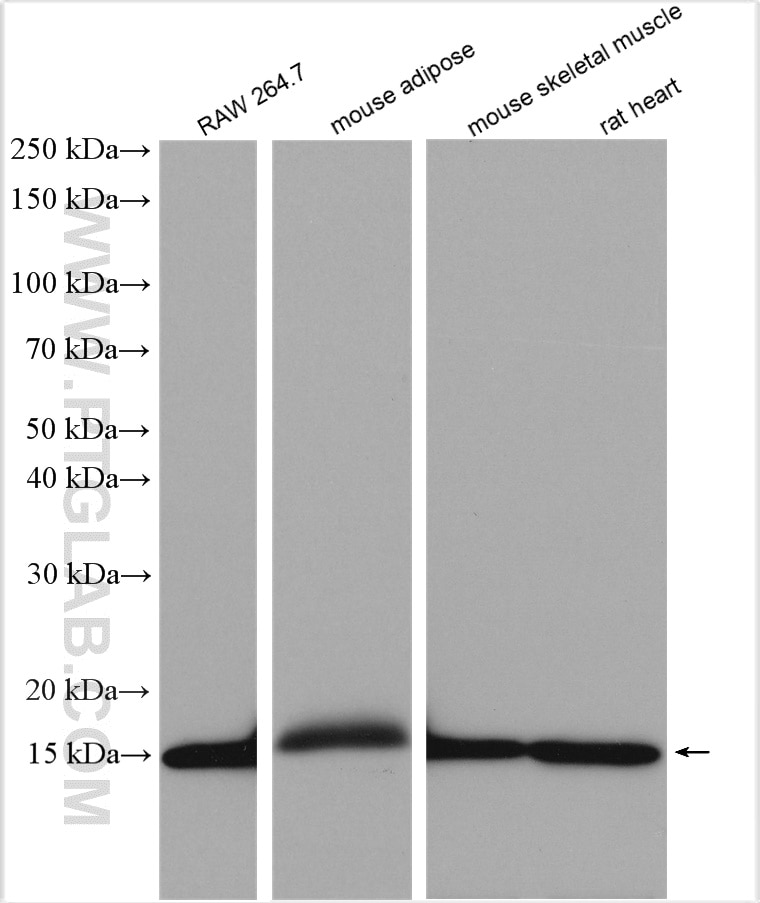
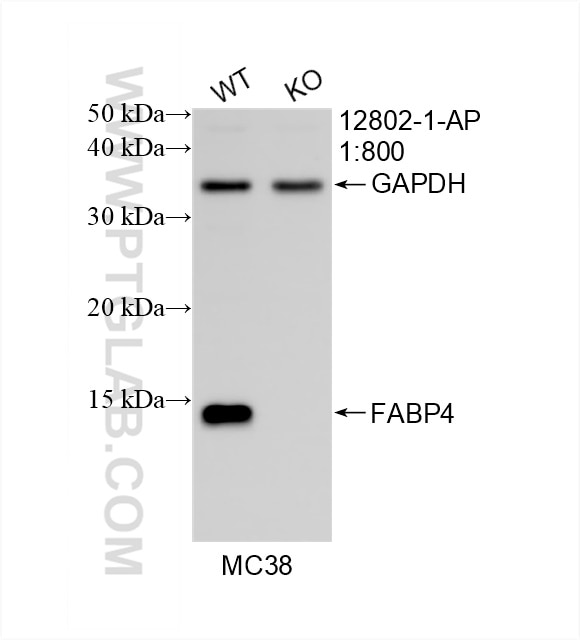
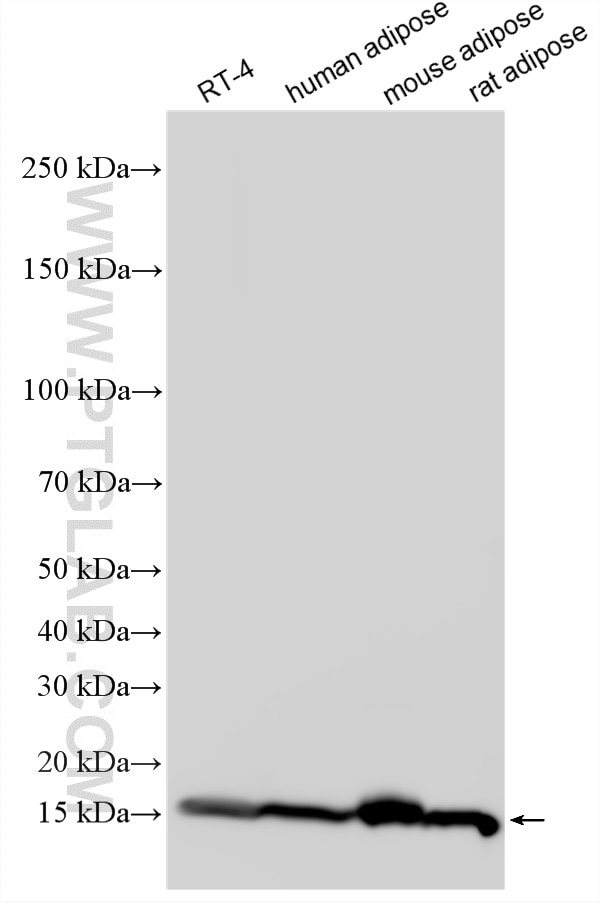
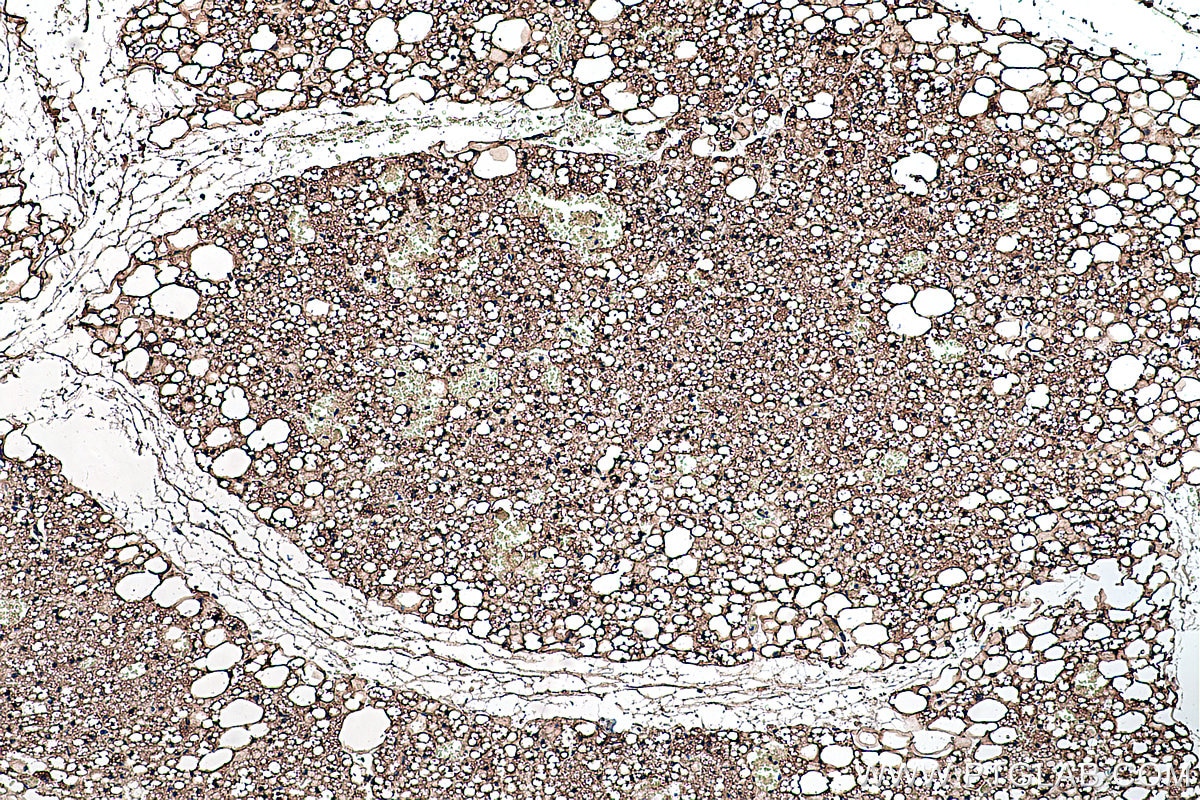
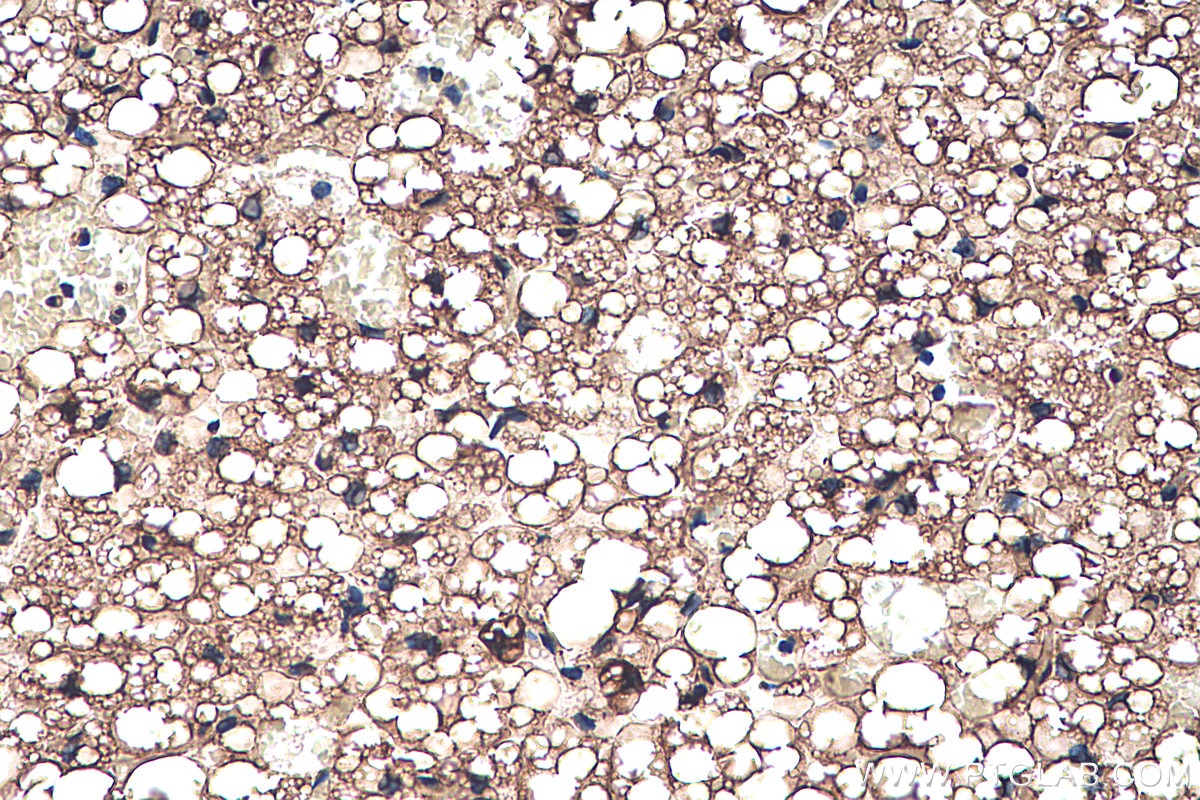
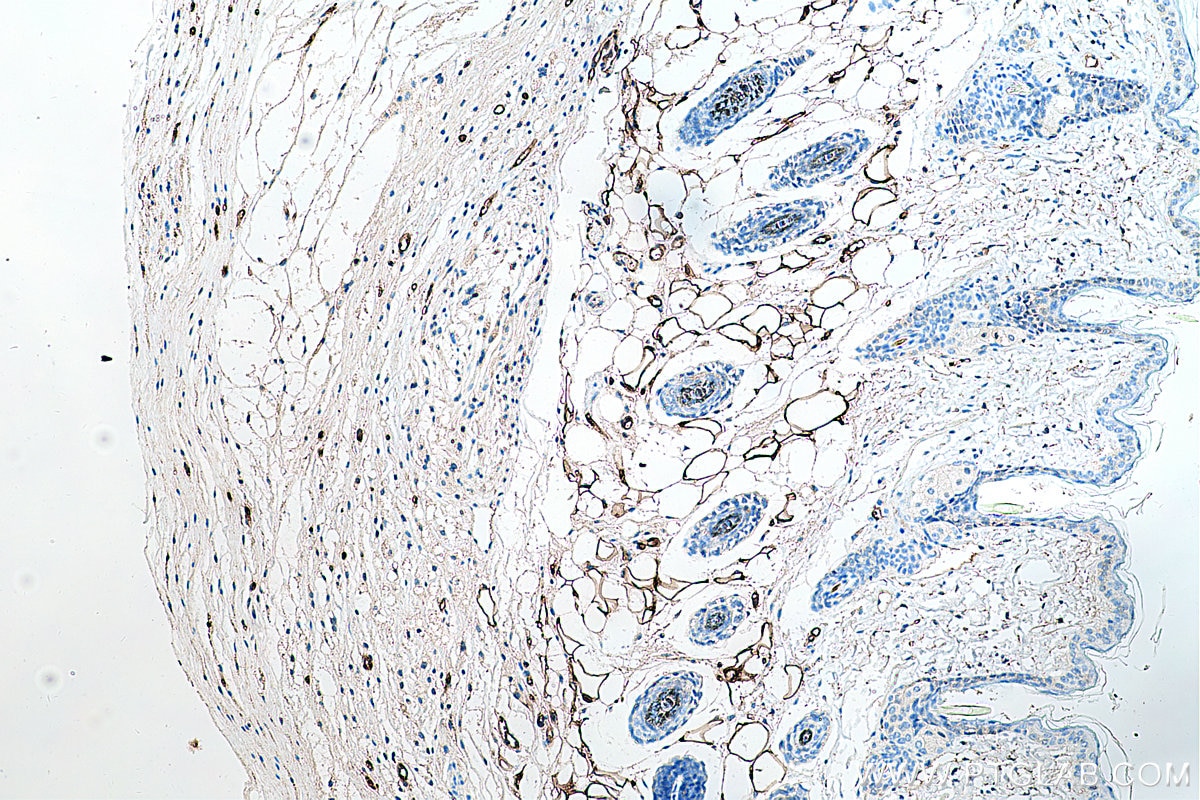
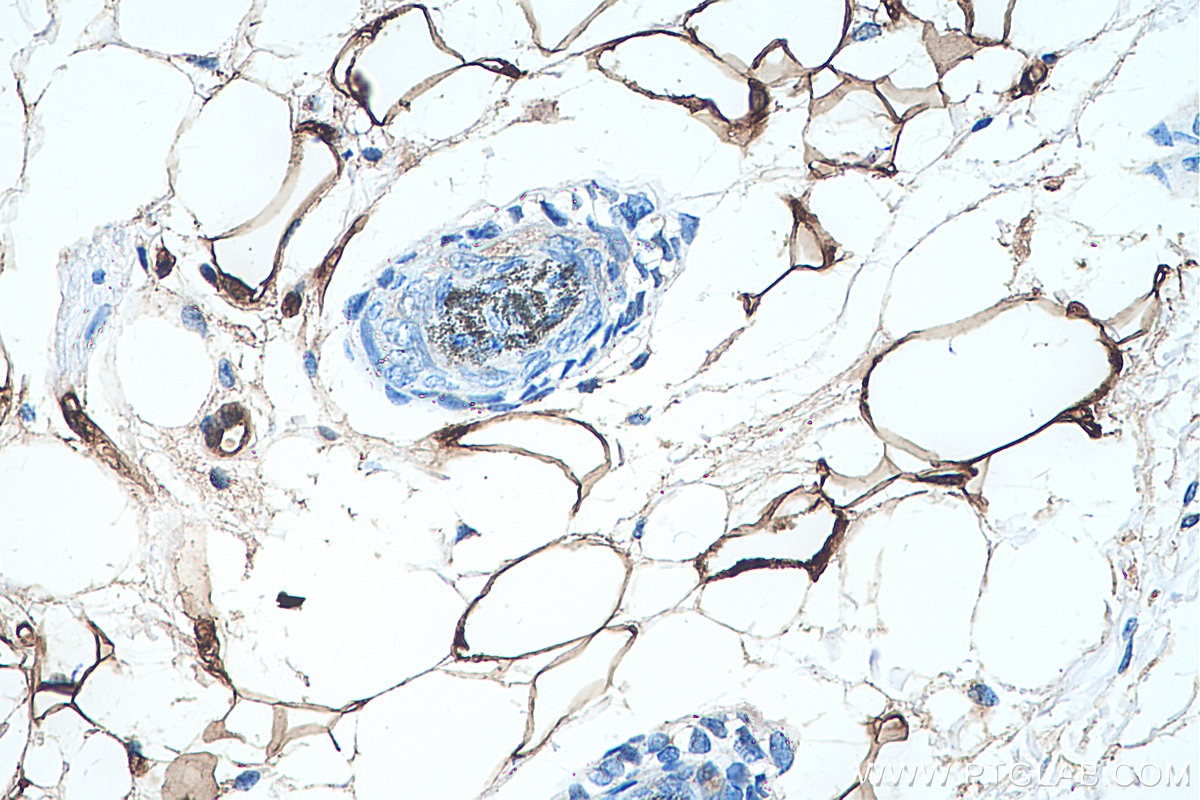
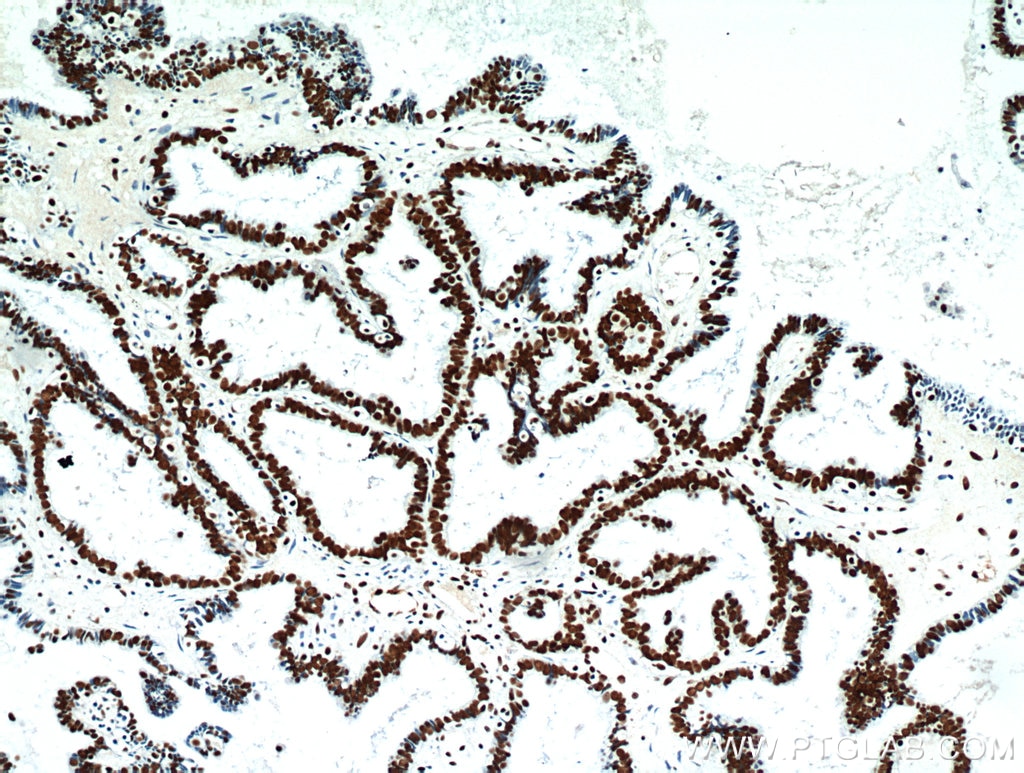
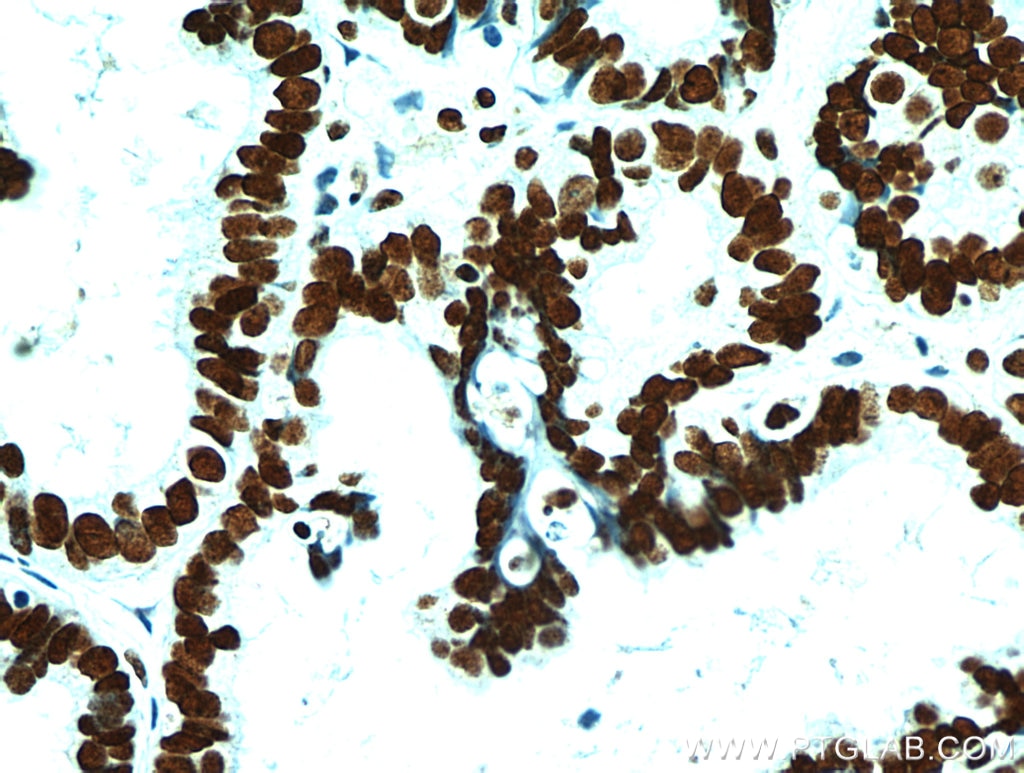
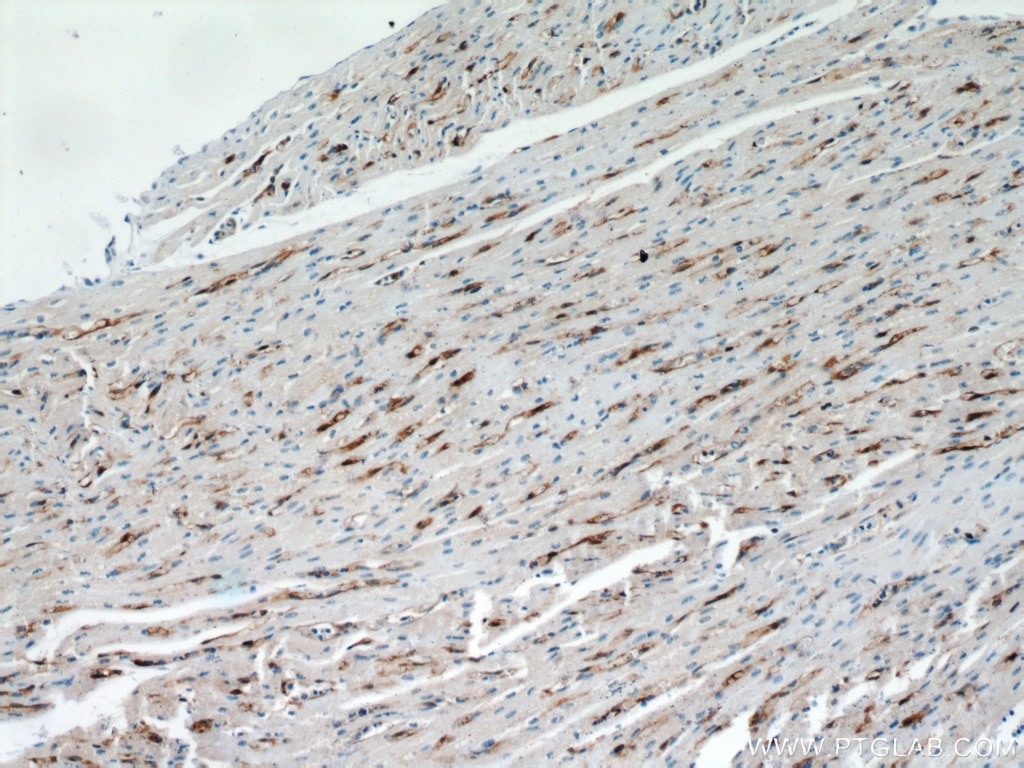
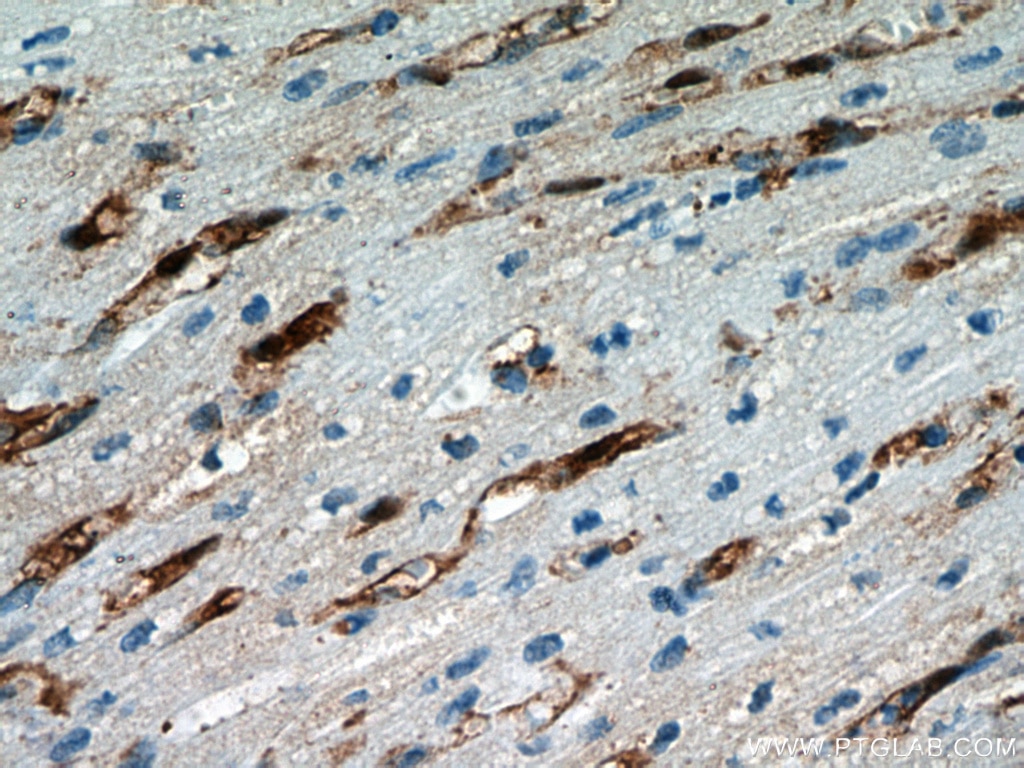
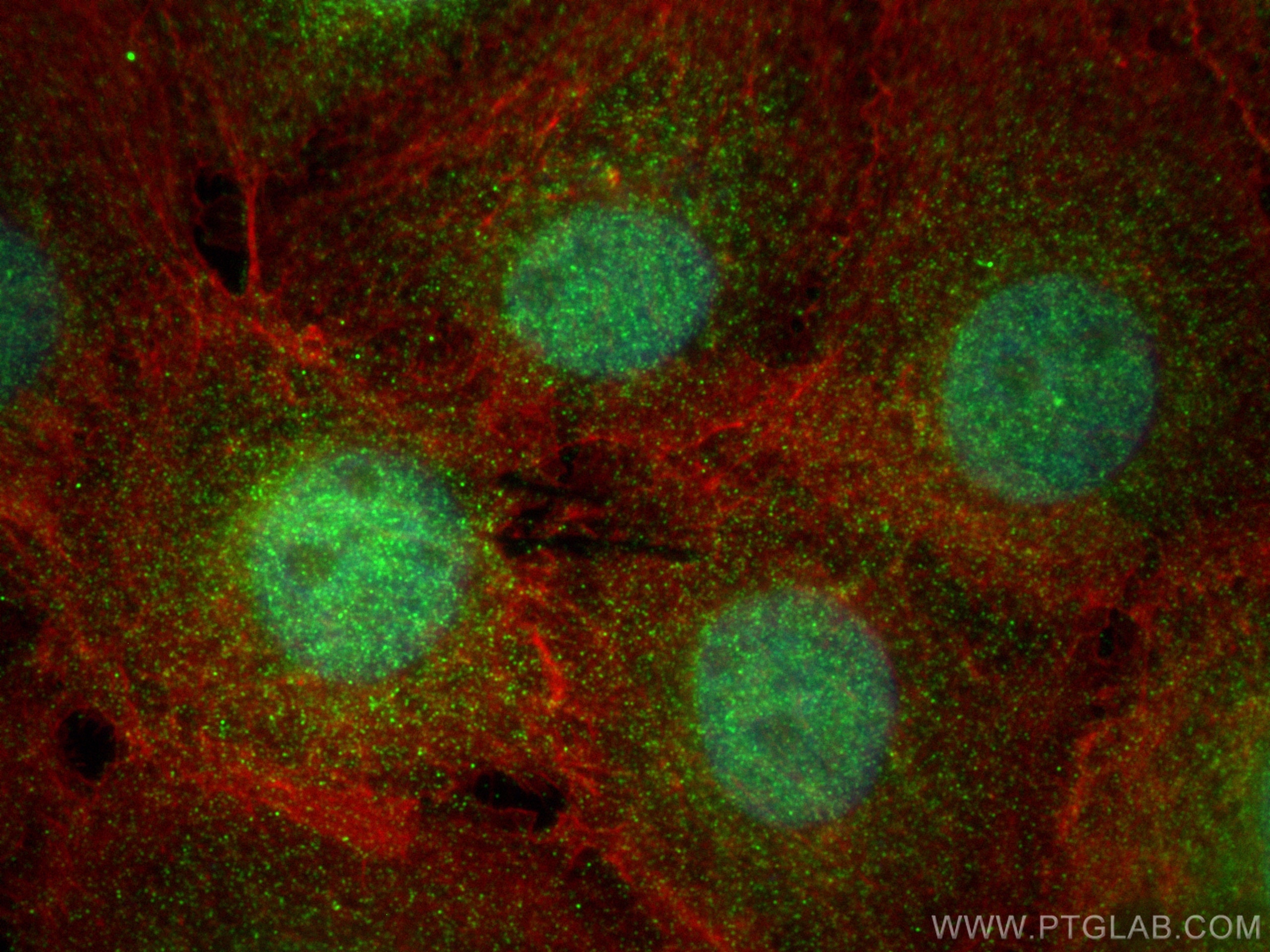
Tested Applications
| Positive WB detected in | RAW 264.7 cells, MC38 cells, RT-4 cells, mouse adipose tissue, mouse skeletal muscle tissue, rat heart tissue, human adipose tissue, rat adipose tissue |
| Positive IHC detected in | mouse skin tissue, human heart tissue, human ovary tumor tissue, rat brown adipose tissue Note: suggested antigen retrieval with TE buffer pH 9.0; (*) Alternatively, antigen retrieval may be performed with citrate buffer pH 6.0 |
| Positive IF/ICC detected in | A431 cells |
Recommended dilution
| Application | Dilution |
|---|---|
| Western Blot (WB) | WB : 1:5000-1:50000 |
| Immunohistochemistry (IHC) | IHC : 1:2000-1:8000 |
| Immunofluorescence (IF)/ICC | IF/ICC : 1:50-1:500 |
| It is recommended that this reagent should be titrated in each testing system to obtain optimal results. | |
| Sample-dependent, Check data in validation data gallery. | |
Published Applications
| KD/KO | See 4 publications below |
| WB | See 153 publications below |
| IHC | See 29 publications below |
| IF | See 22 publications below |
Product Information
12802-1-AP targets FABP4 in WB, IHC, IF/ICC, ELISA applications and shows reactivity with human, mouse, rat samples.
| Tested Reactivity | human, mouse, rat |
| Cited Reactivity | human, mouse, rat, pig, bovine, hamster, sheep, goat, geese |
| Host / Isotype | Rabbit / IgG |
| Class | Polyclonal |
| Type | Antibody |
| Immunogen |
CatNo: Ag3912 Product name: Recombinant mouse Fabp4 protein Source: e coli.-derived, PGEX-4T Tag: GST Domain: 1-132 aa of BC054426 Sequence: MCDAFVGTWKLVSSENFDDYMKEVGVGFATRKVAGMAKPNMIISVNGDLVTIRSESTFKNTEISFKLGVEFDEITADDRKVKSIITLDGGALVQVQKWDGKSTTIKRKRDGDKLVVECVMKGVTSTRVYERA 相同性解析による交差性が予測される生物種 |
| Full Name | fatty acid binding protein 4, adipocyte |
| Calculated molecular weight | 132 aa, 15 kDa |
| Observed molecular weight | 15 kDa |
| GenBank accession number | BC003672 |
| Gene Symbol | FABP4 |
| Gene ID (NCBI) | 2167 |
| RRID | AB_2102442 |
| Conjugate | Unconjugated |
| Form | |
| Form | Liquid |
| Purification Method | Antigen affinity purification |
| UNIPROT ID | P15090 |
| Storage Buffer | PBS with 0.02% sodium azide and 50% glycerol{{ptg:BufferTemp}}7.3 |
| Storage Conditions | Store at -20°C. Stable for one year after shipment. Aliquoting is unnecessary for -20oC storage. |
Background Information
Fatty acid binding protein (FABP) 4 is a member of the FABP family which abundantly expressed, fatty acid carrier proteins. FABPs are capable of binding a variety of hydrophobic molecules such as long-chain fatty acids and are important for their uptake and intracellular trafficking. It was first identified as an adipocyte-specific protein, important for the maintenance of lipid and glucose metabolism. It is also detected in macrophages, where it participates in regulating inflammation and cholesterol trafficking via NFκB and PPAR. In more recent studies, FABP4 has been found in a variety of endothelial cells, where it has been identified as a target of VEGF and a regulator of cell proliferation and possibly angiogenesis. Pathologically, FABP4 has been associated with the development of metabolic syndrome, diabetes and cancer and vulnerability of atherosclerotic plaques. FABP4 has been identified as a novel prognostic factor for both adverse cardiovascular events and breast cancer.
Protocols
| Product Specific Protocols | |
|---|---|
| IF protocol for FABP4 antibody 12802-1-AP | Download protocol |
| IHC protocol for FABP4 antibody 12802-1-AP | Download protocol |
| WB protocol for FABP4 antibody 12802-1-AP | Download protocol |
| Standard Protocols | |
|---|---|
| Click here to view our Standard Protocols |
Publications
| Species | Application | Title |
|---|---|---|
Mol Cancer Targeting OxLDL-mediated CD36 + CAF reprogramming potentiates PD-1 immunotherapy in osteosarcoma | ||
Cell Metab Adipokine IL-11/IL-11Ra constrains sphingolipid metabolism to limit the thermogenic capacity of beige adipocytes. | ||
Bone Res NELL2, a novel osteoinductive factor, regulates osteoblast differentiation and bone homeostasis through fibronectin 1/integrin-mediated FAK/AKT signaling | ||
Autophagy m6A mRNA methylation controls autophagy and adipogenesis by targeting Atg5 and Atg7 | ||
Nat Commun Sortilin-mediated translocation of mitochondrial ACSL1 impairs adipocyte thermogenesis and energy expenditure in male mice |