
Validation Data Gallery

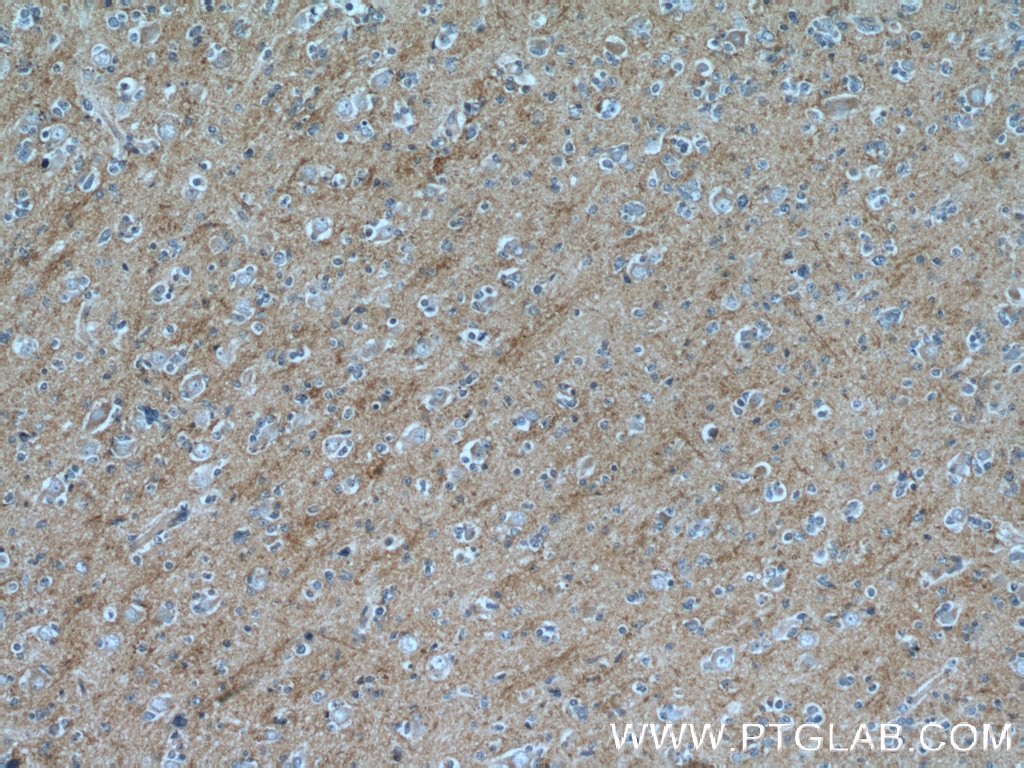
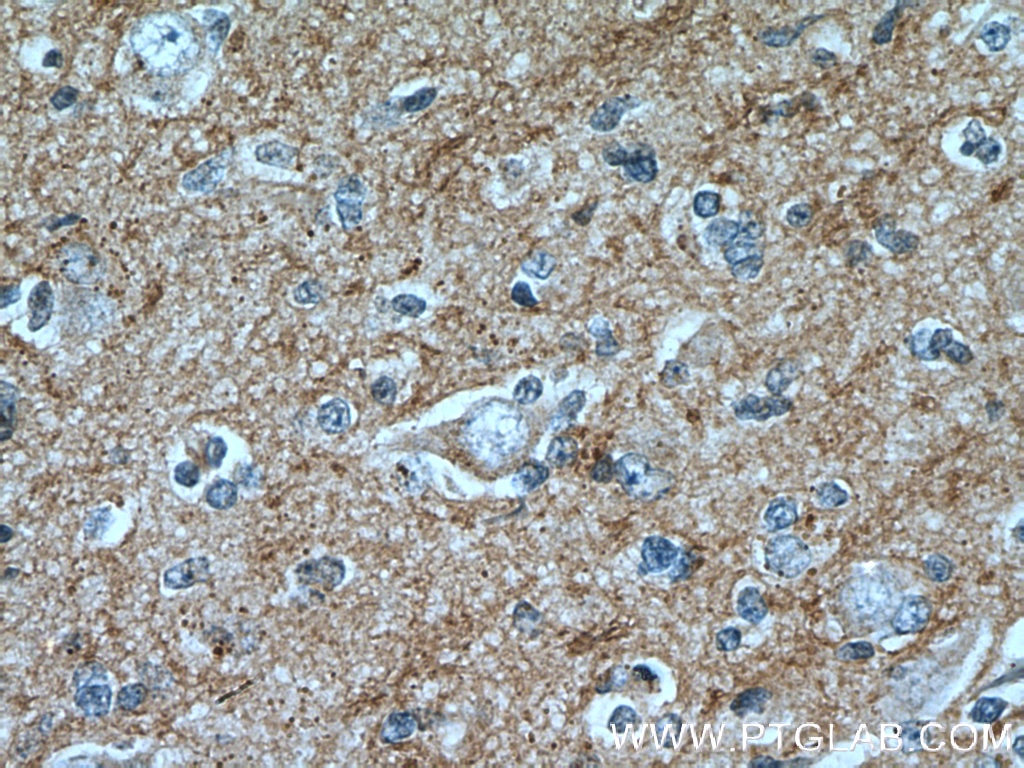
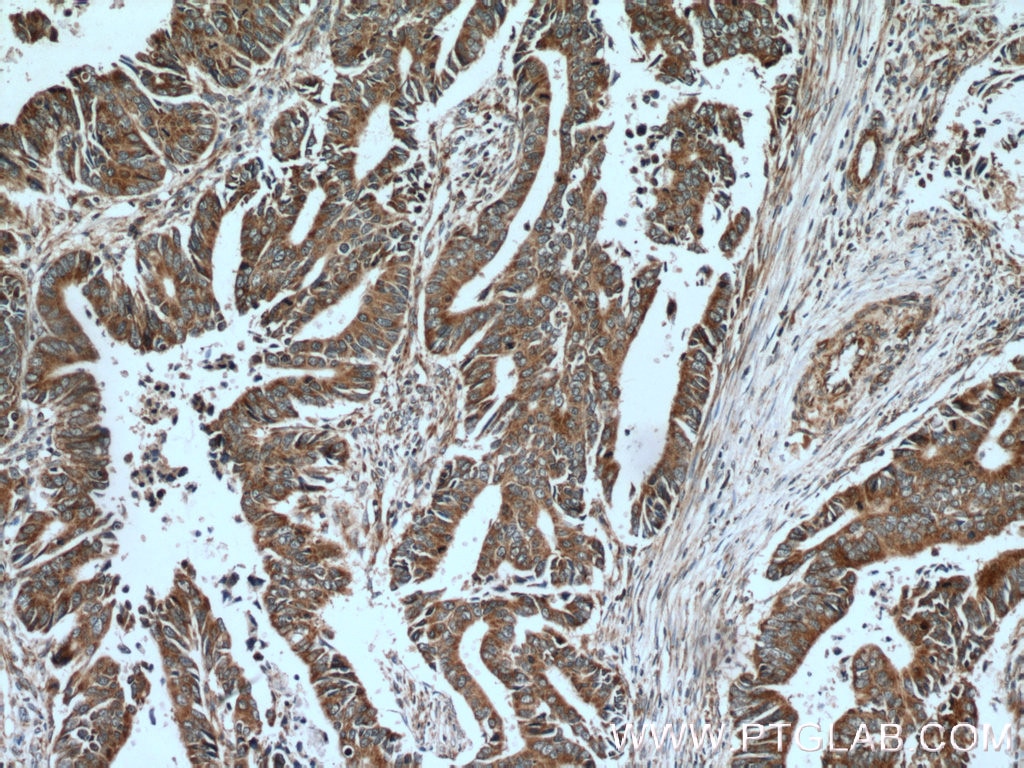
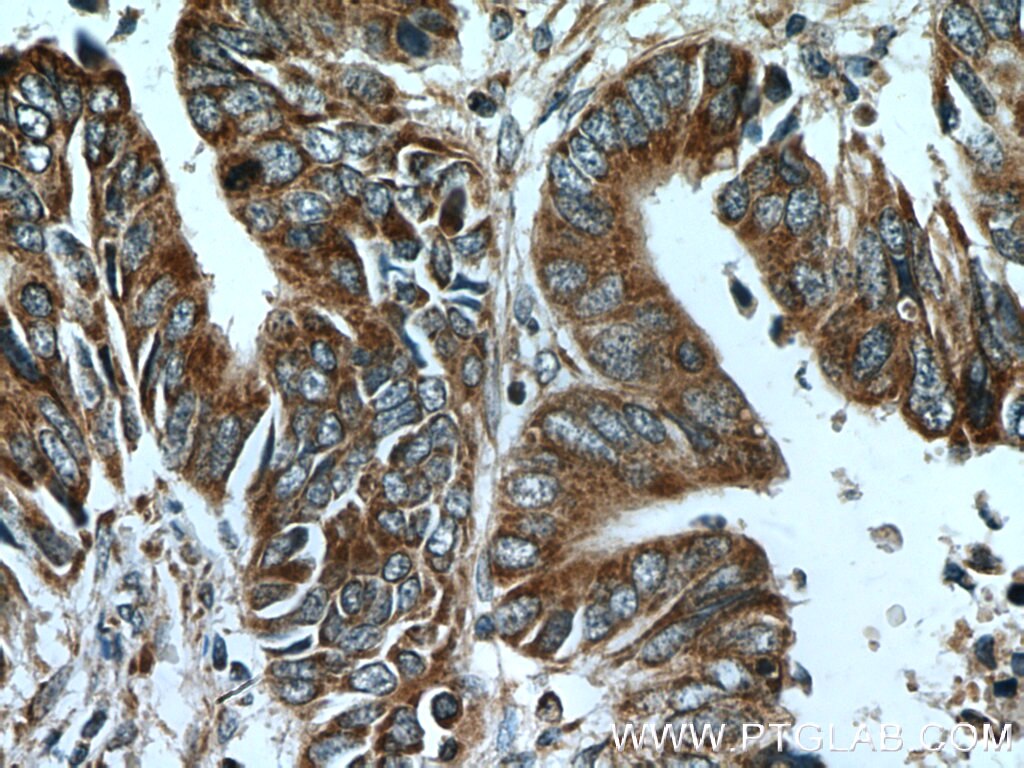
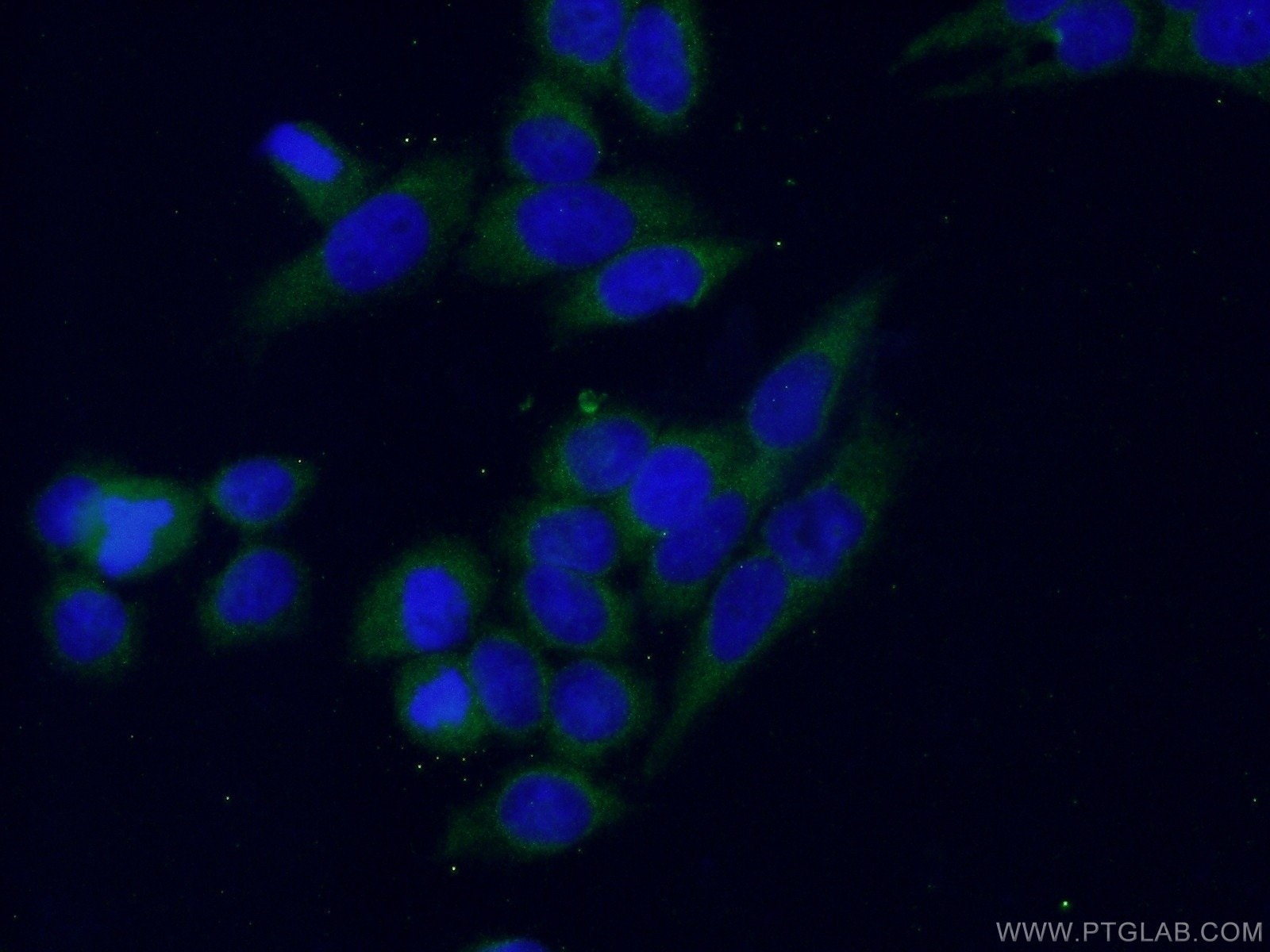
Tested Applications
Recommended dilution
| Application | Dilution |
|---|---|
| It is recommended that this reagent should be titrated in each testing system to obtain optimal results. | |
| Sample-dependent, Check data in validation data gallery. | |
Published Applications
| KD/KO | See 5 publications below |
| WB | See 84 publications below |
| IHC | See 26 publications below |
| IF | See 14 publications below |
| ELISA | See 1 publications below |
Product Information
23936-1-AP targets CTGF in WB, IHC, IF, ELISA applications and shows reactivity with human, mouse samples.
| Tested Reactivity | human, mouse |
| Cited Reactivity | human, mouse, rat, pig, canine, sheep |
| Host / Isotype | Rabbit / IgG |
| Class | Polyclonal |
| Type | Antibody |
| Immunogen |
CatNo: Ag21008 Product name: Recombinant human CTGF protein Source: e coli.-derived, PET30a Tag: 6*His Domain: 297-349 aa of BC087839 Sequence: RTTTLPVEFKCPDGEVMKKNMMFIKTCACHYNCPGDNDIFESLYYRKMYGDMA 相同性解析による交差性が予測される生物種 |
| Full Name | connective tissue growth factor |
| Calculated molecular weight | 349 aa, 38 kDa |
| Observed molecular weight | 38 kDa |
| GenBank accession number | BC087839 |
| Gene Symbol | CTGF |
| Gene ID (NCBI) | 1490 |
| RRID | AB_2736836 |
| Conjugate | Unconjugated |
| Form | |
| Form | Liquid |
| Purification Method | Antigen affinity purification |
| UNIPROT ID | P29279 |
| Storage Buffer | PBS with 0.02% sodium azide and 50% glycerol{{ptg:BufferTemp}}7.3 |
| Storage Conditions | Store at -20°C. Stable for one year after shipment. Aliquoting is unnecessary for -20oC storage. |
Background Information
CTGF, also known as CCN2 or connective tissue growth factor, is a member of the CCN family of matricellular proteins. CTGF, a cysteine-rich, matrix-associated, heparin-binding protein, is widely expressed in various human tissues and organs. CTGF has important roles in many biological processes, including cell adhesion, migration, proliferation, angiogenesis, skeletal development, and tissue wound repair, and is critically involved in fibrotic disease and several forms of cancers. In western blotting, there are three different forms of CTGF reported: monomeric forms at approximately 36-38 kDa, homodimeric forms at approximately 70 kDa, and lower molecular mass fragment forms.
Publications
| Species | Application | Title |
|---|---|---|
Cell Discov Long non-coding RNA MT1DP shunts the cellular defense to cytotoxicity through crosstalk with MT1H and RhoC in cadmium stress.
| ||
Redox Biol Endothelial H2S-AMPK dysfunction upregulates the angiocrine factor PAI-1 and contributes to lung fibrosis | ||
Acta Pharm Sin B EHMT2 promotes tumorigenesis in GNAQ/11-mutant uveal melanoma via ARHGAP29-mediated RhoA pathway | ||
J Exp Clin Cancer Res Selective exosome exclusion of miR-375 by glioma cells promotes glioma progression by activating the CTGF-EGFR pathway. | ||
Adv Sci (Weinh) CircHIPK2 Contributes Cell Growth in Intestinal Epithelial of Colitis and Colorectal Cancer through Promoting TAZ Translation |