
Validation Data Gallery

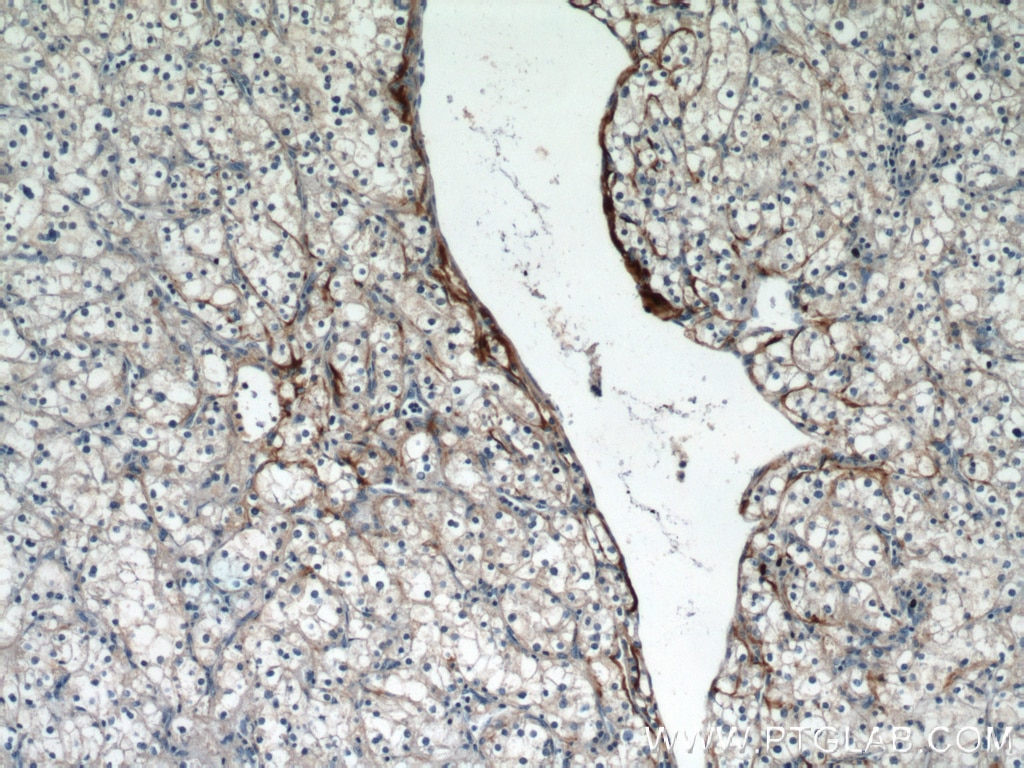
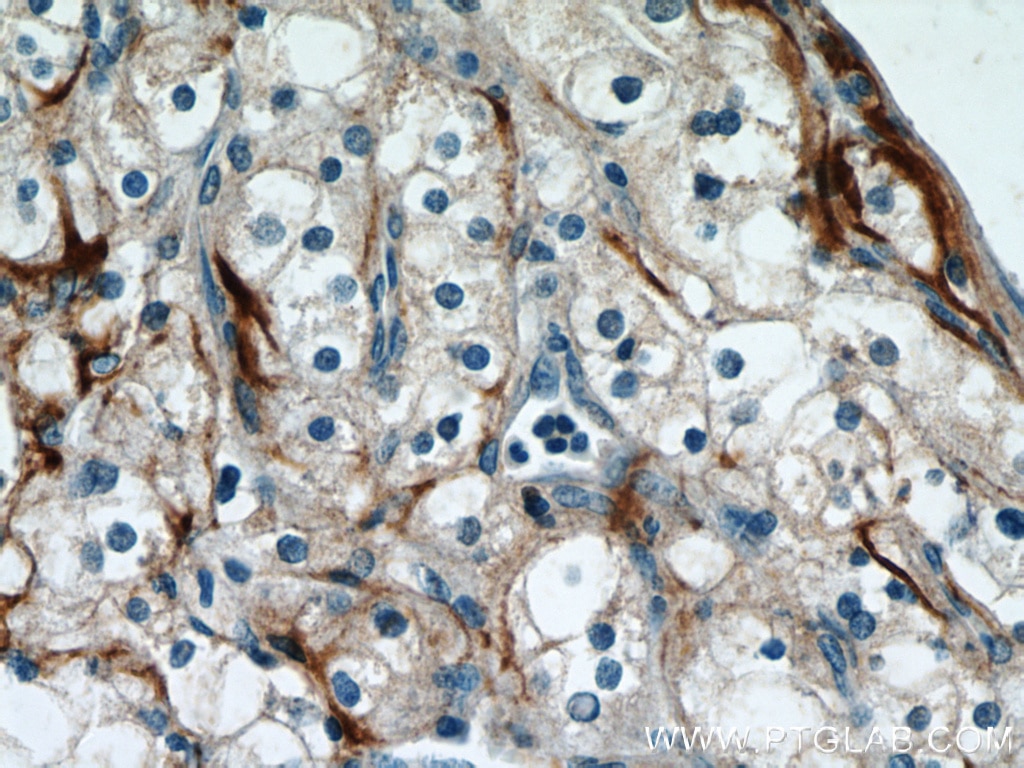
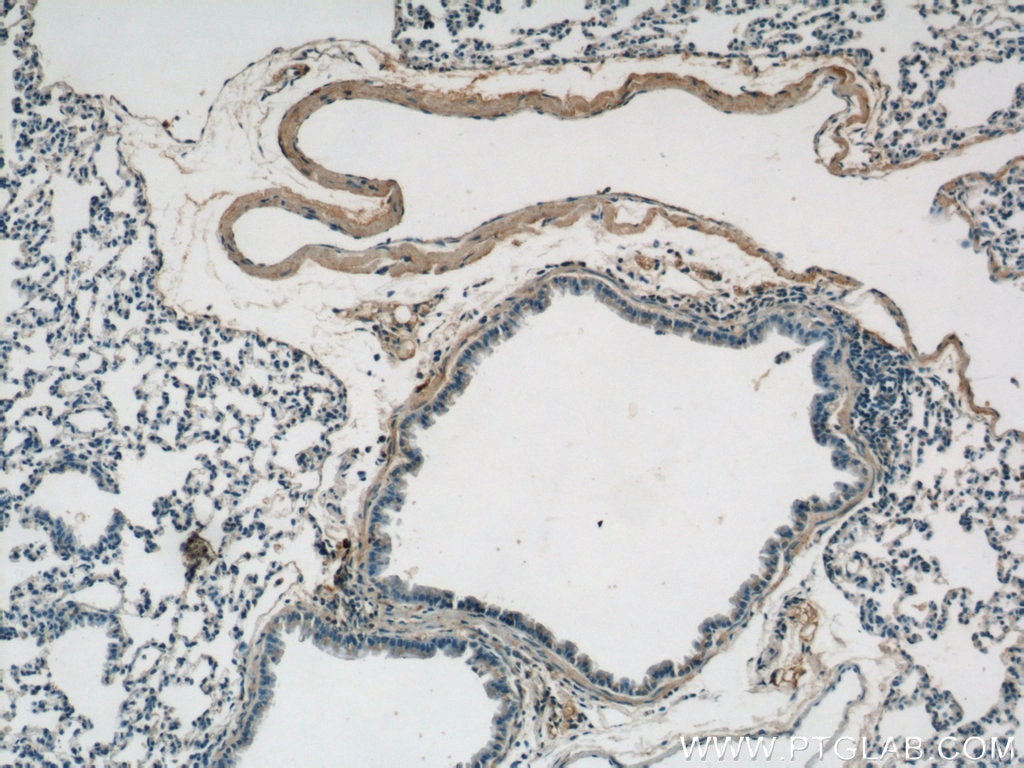
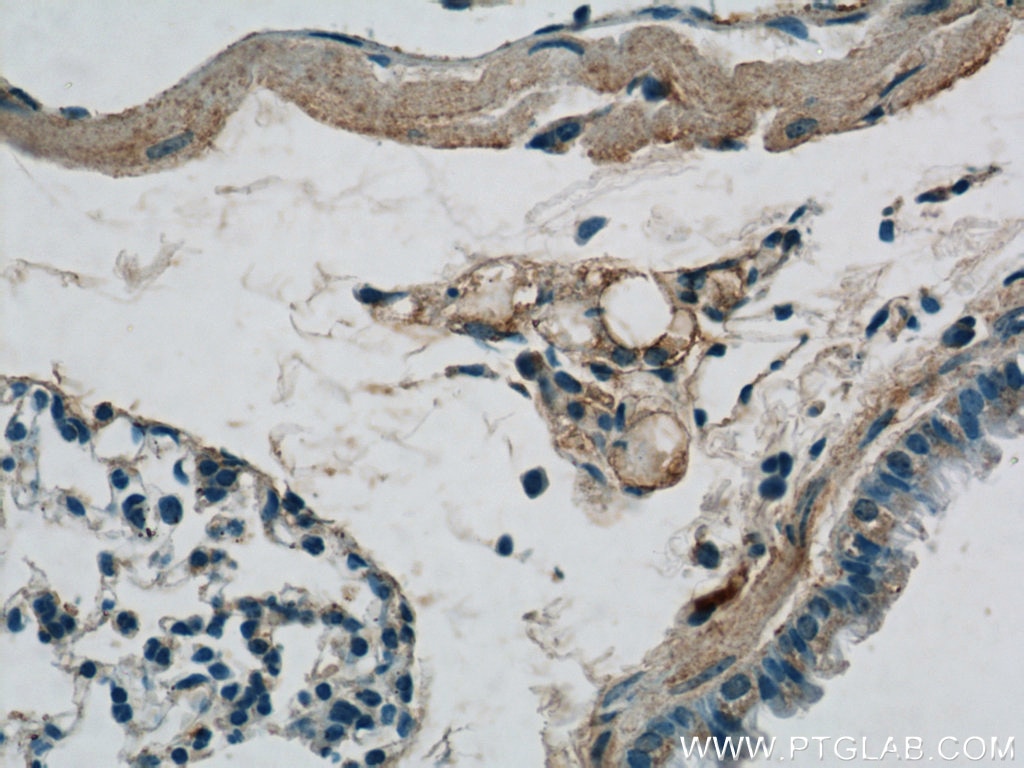
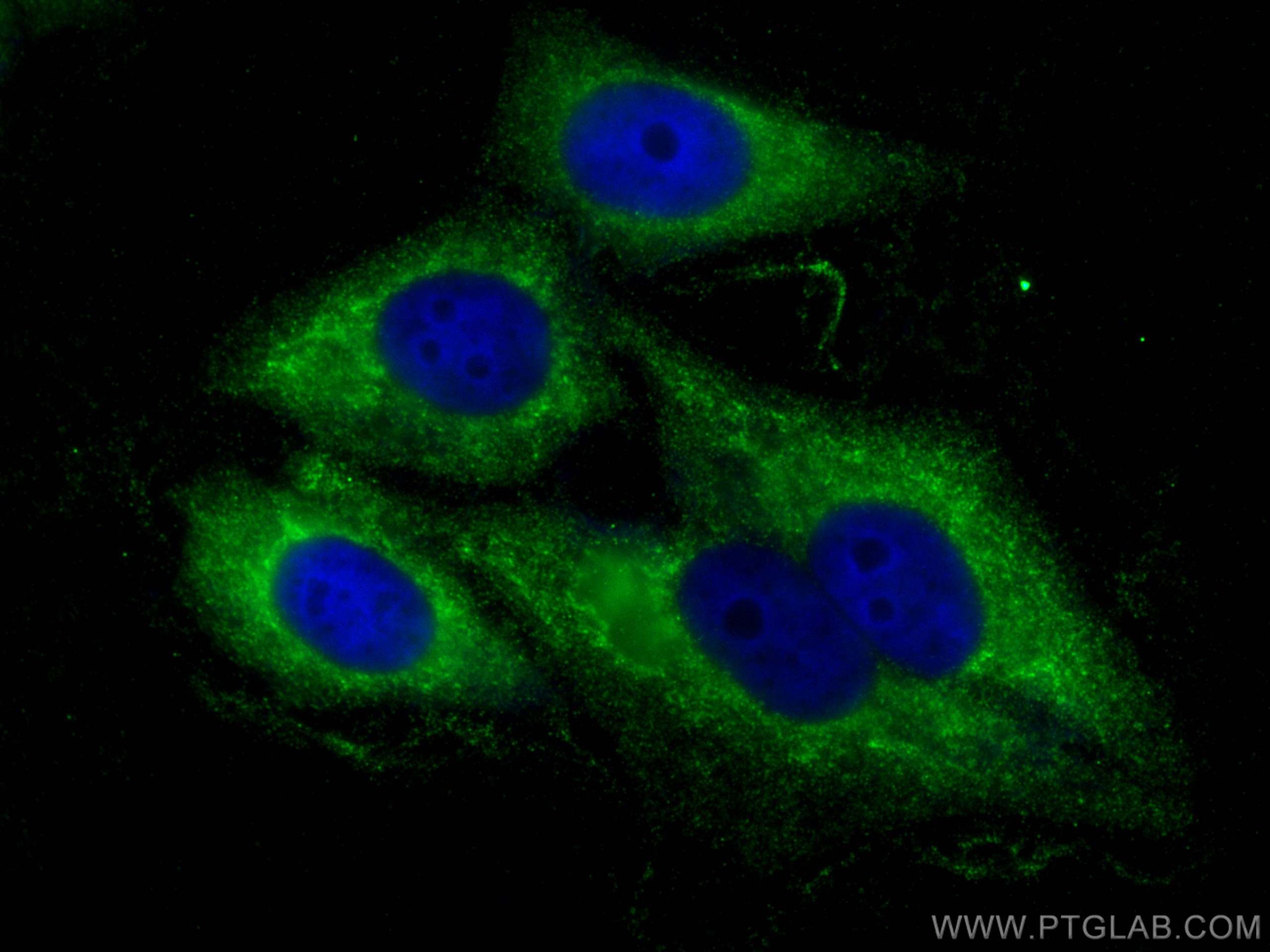
Tested Applications
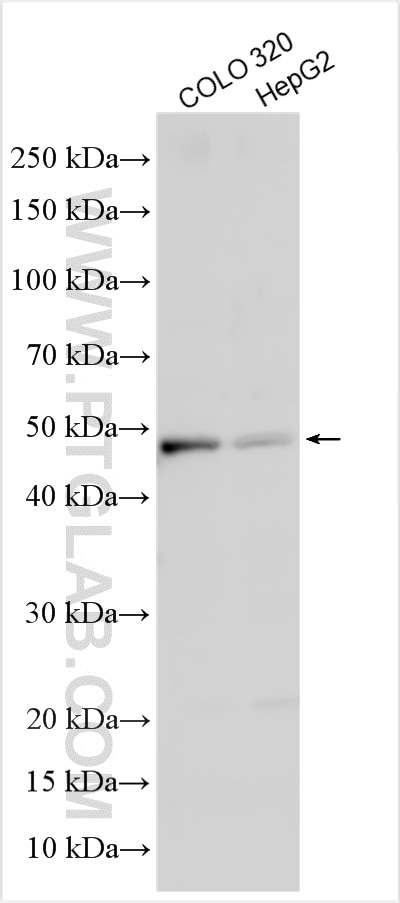
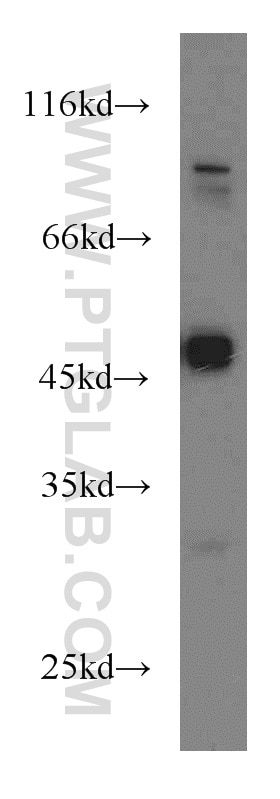
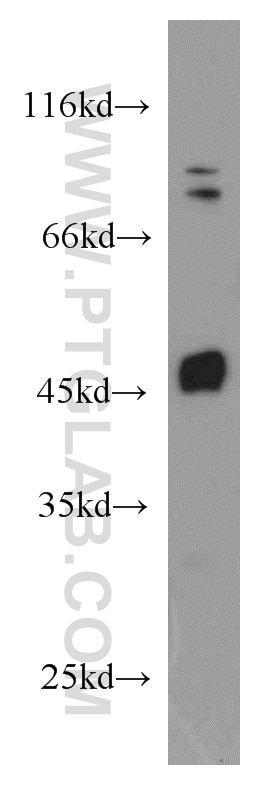
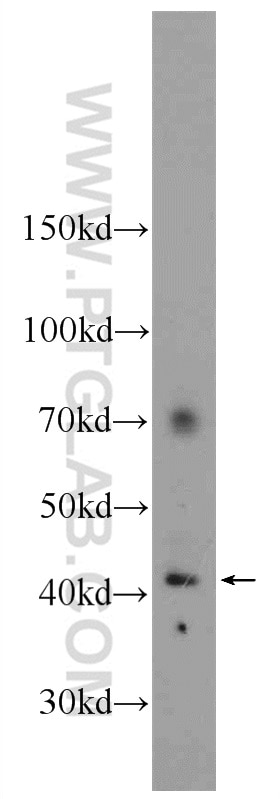
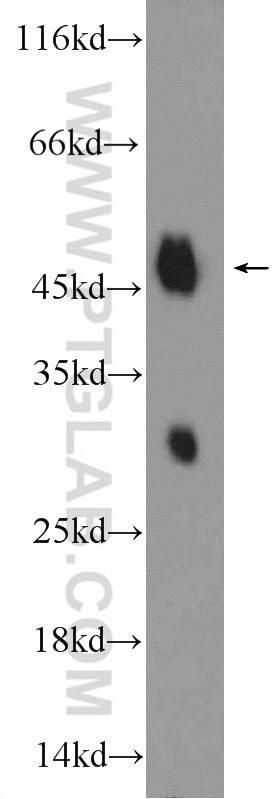
| Positive WB detected in | COLO 320 cells, HeLa cells, HepG2 cells, mouse skeletal muscle tissue, pig cartilage tissue |
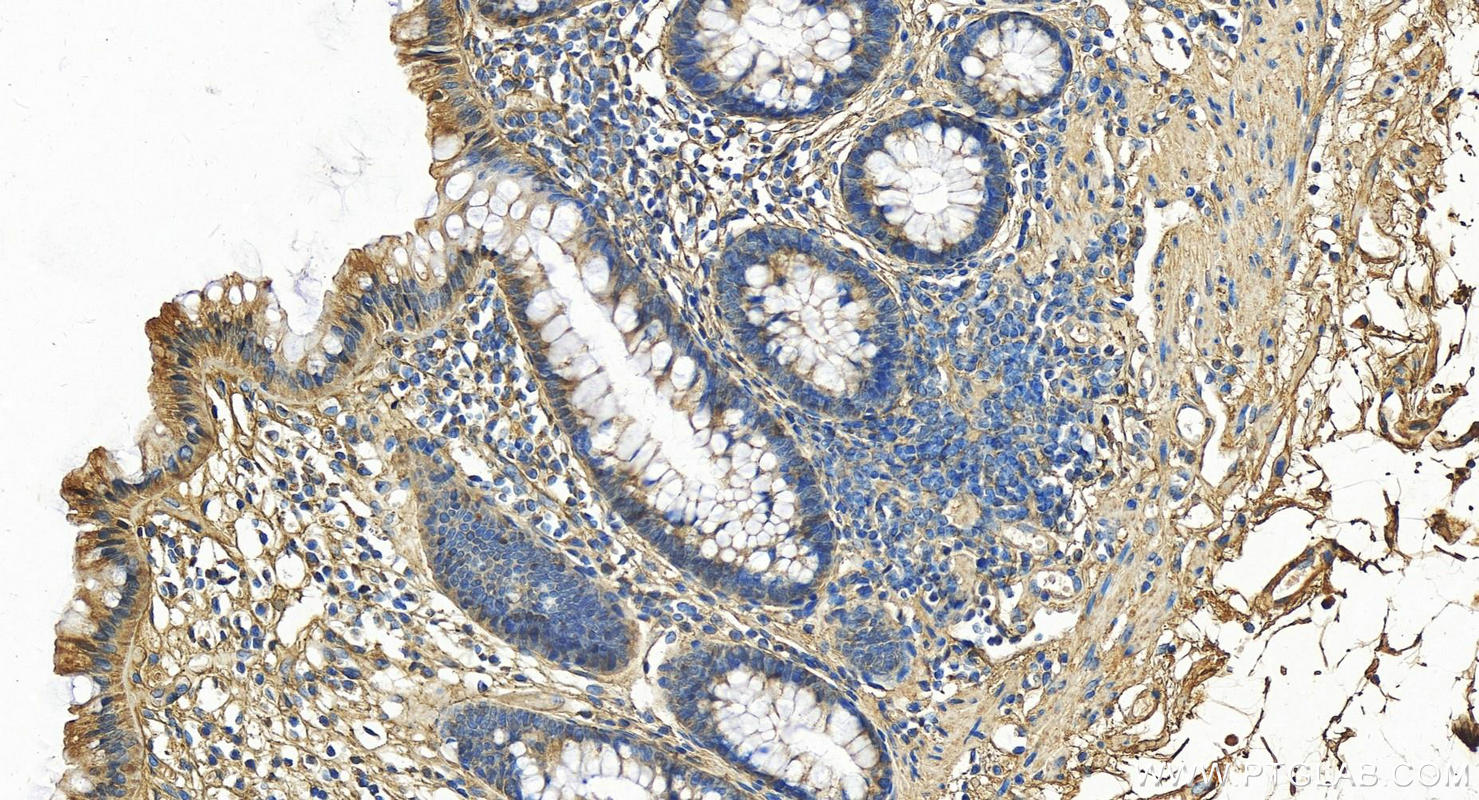
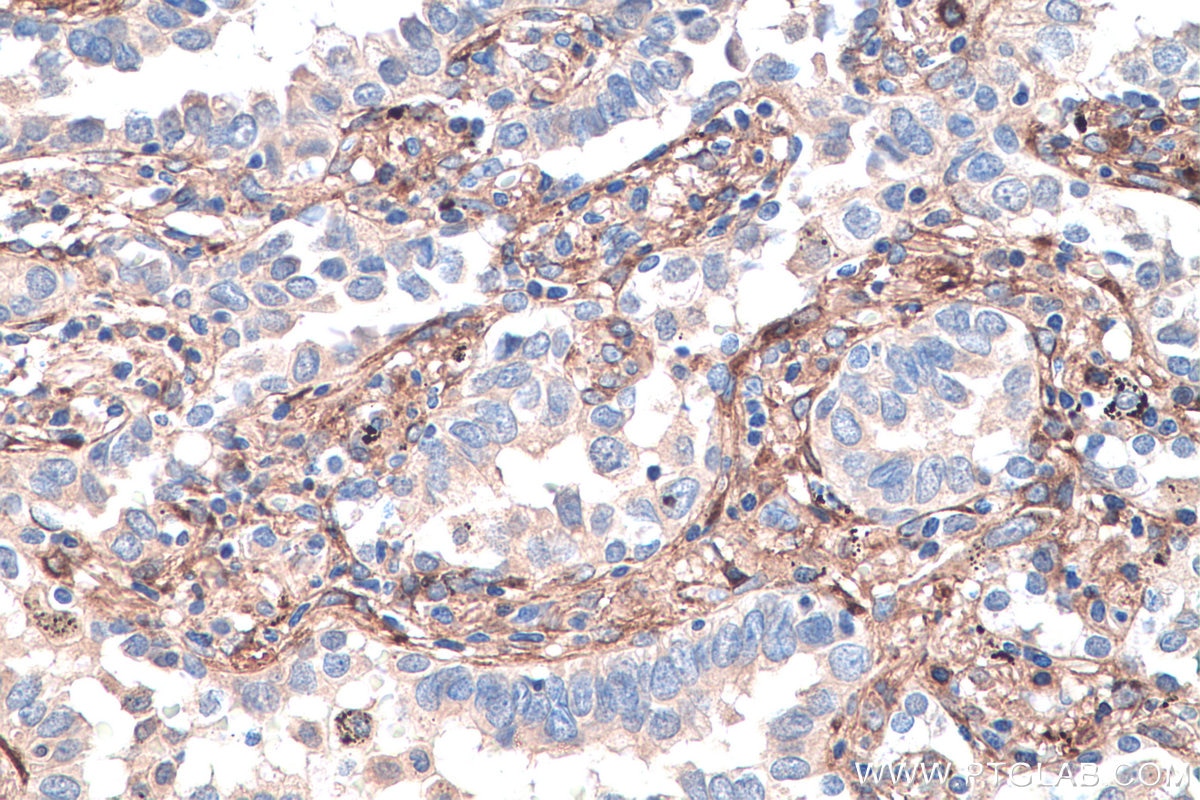
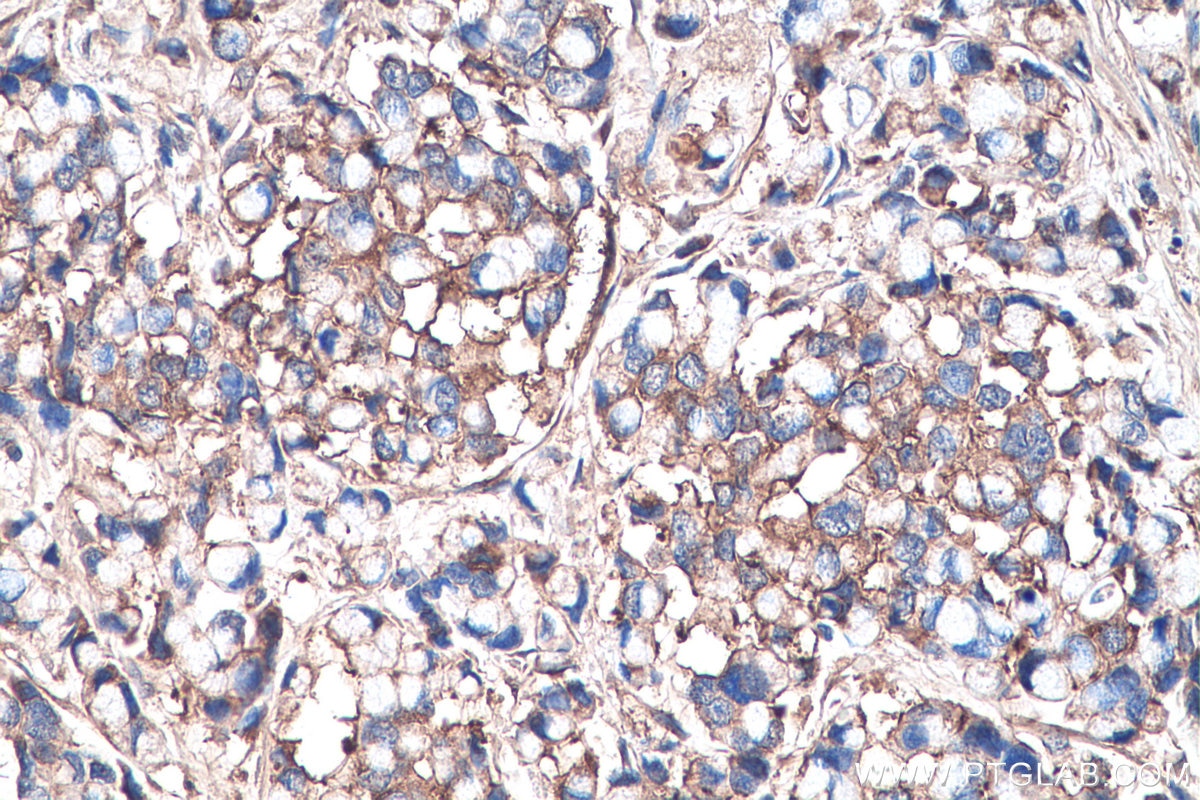
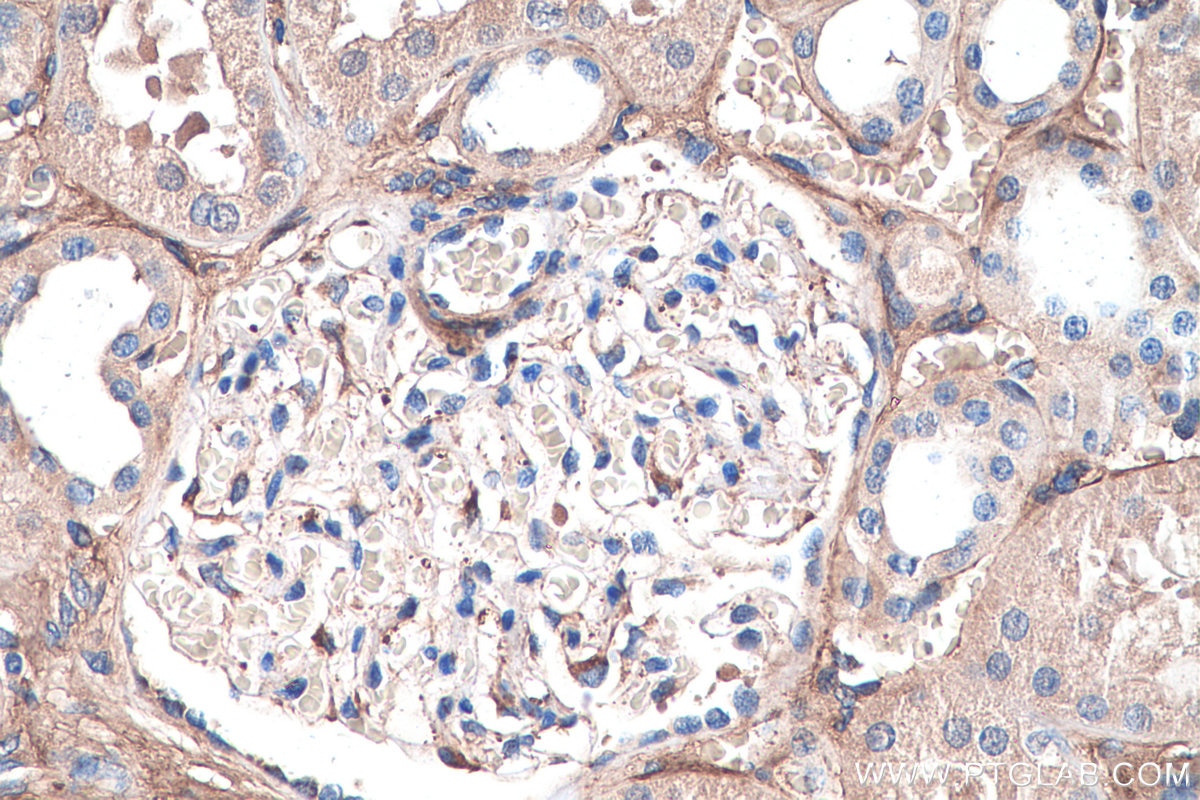
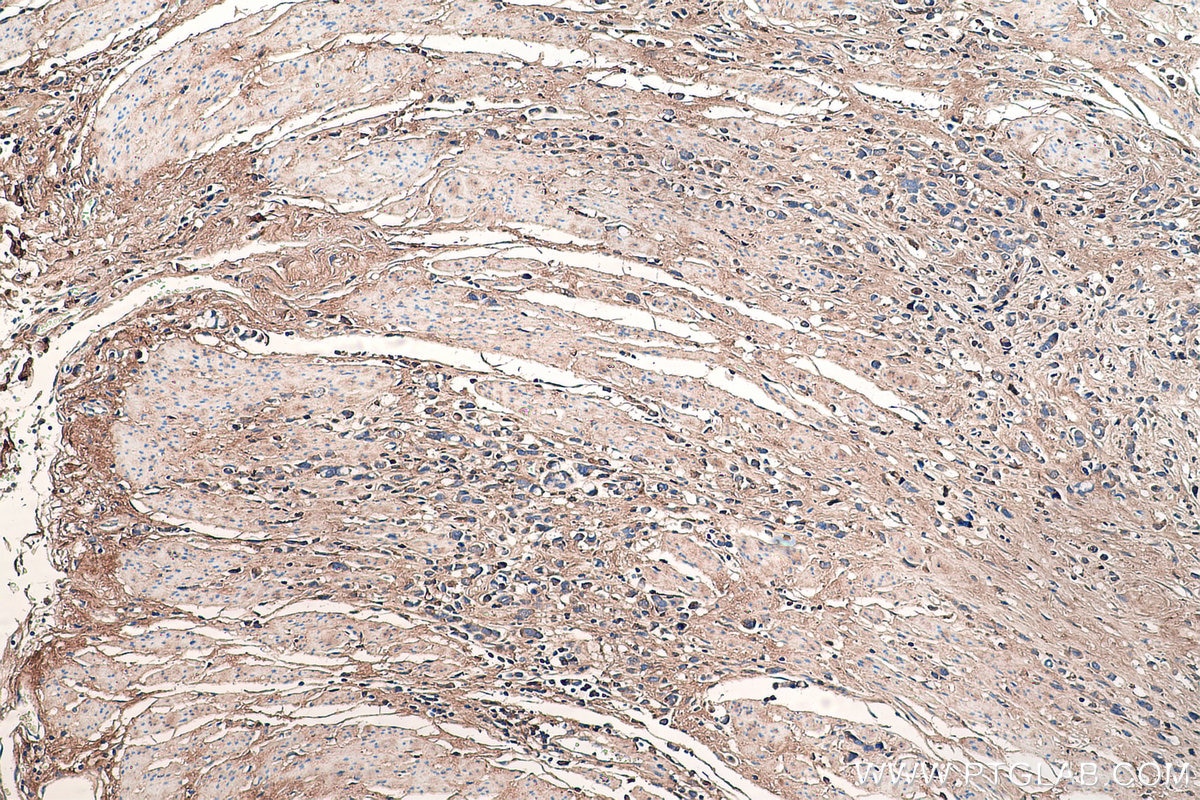
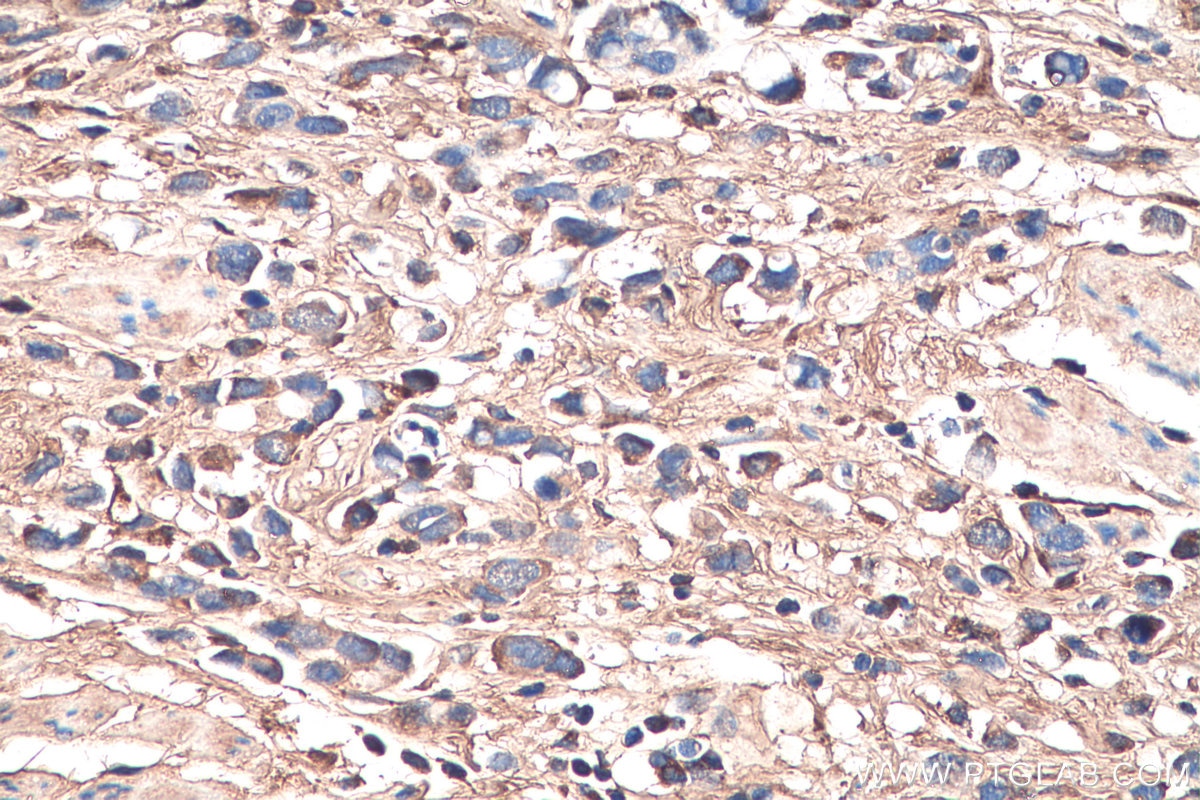
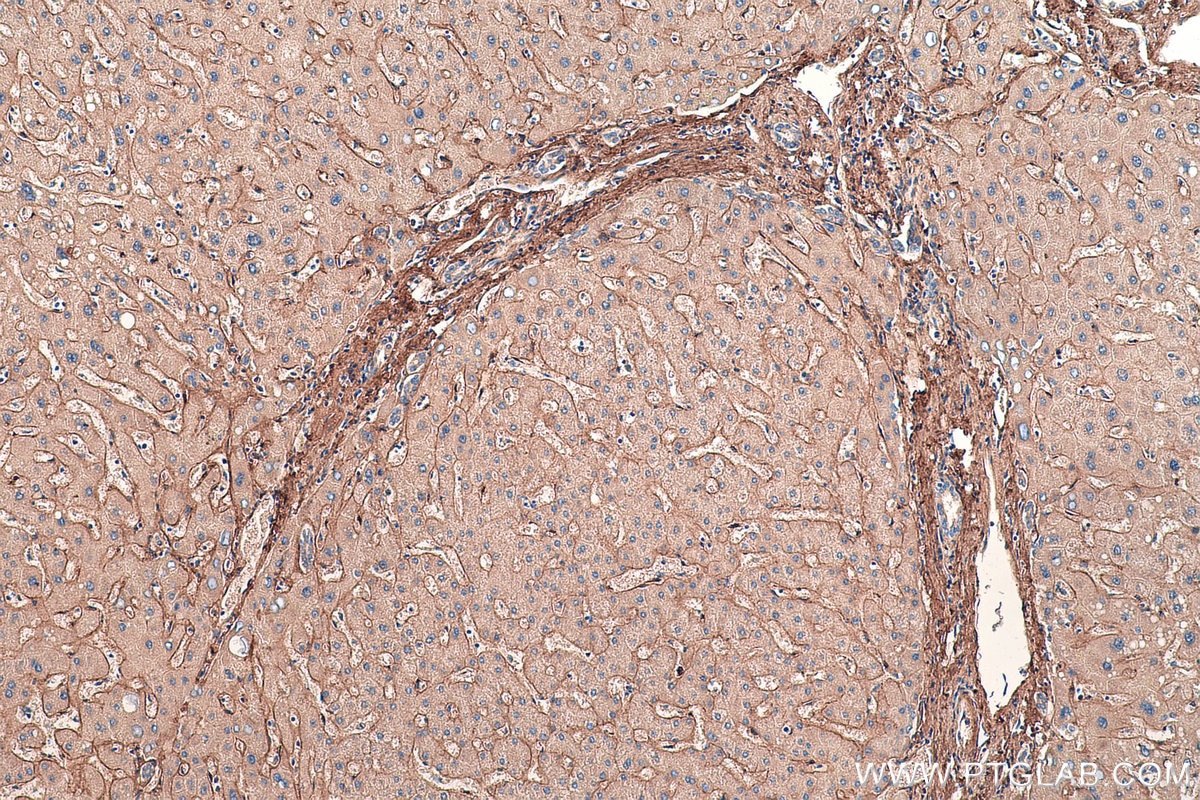
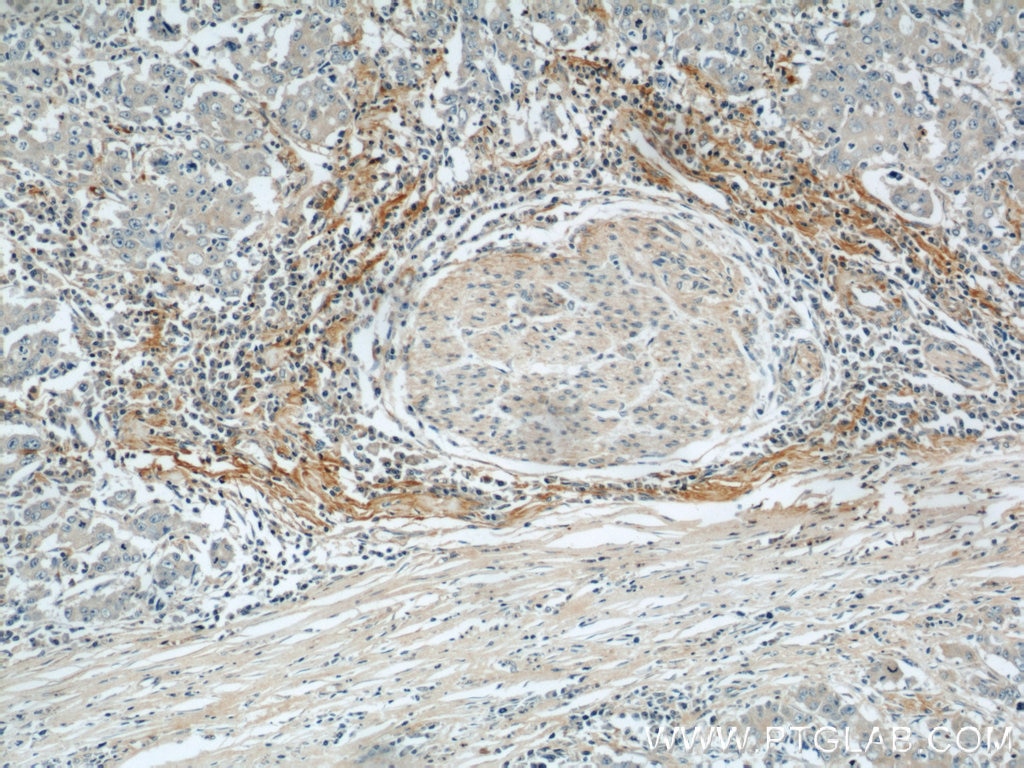
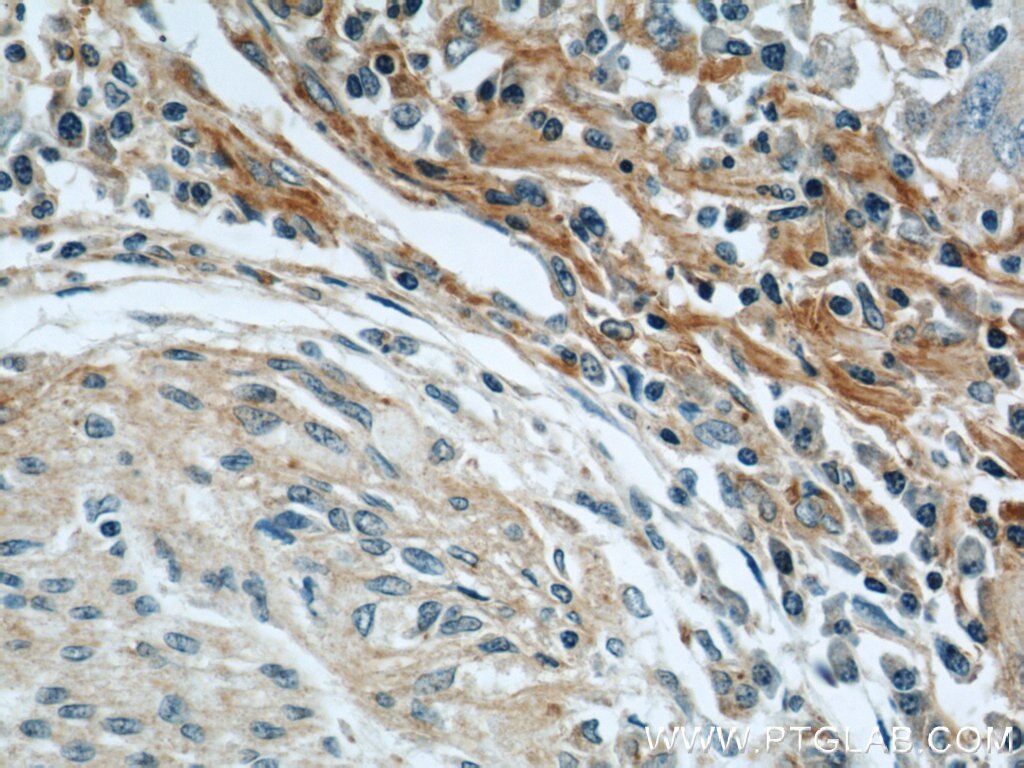
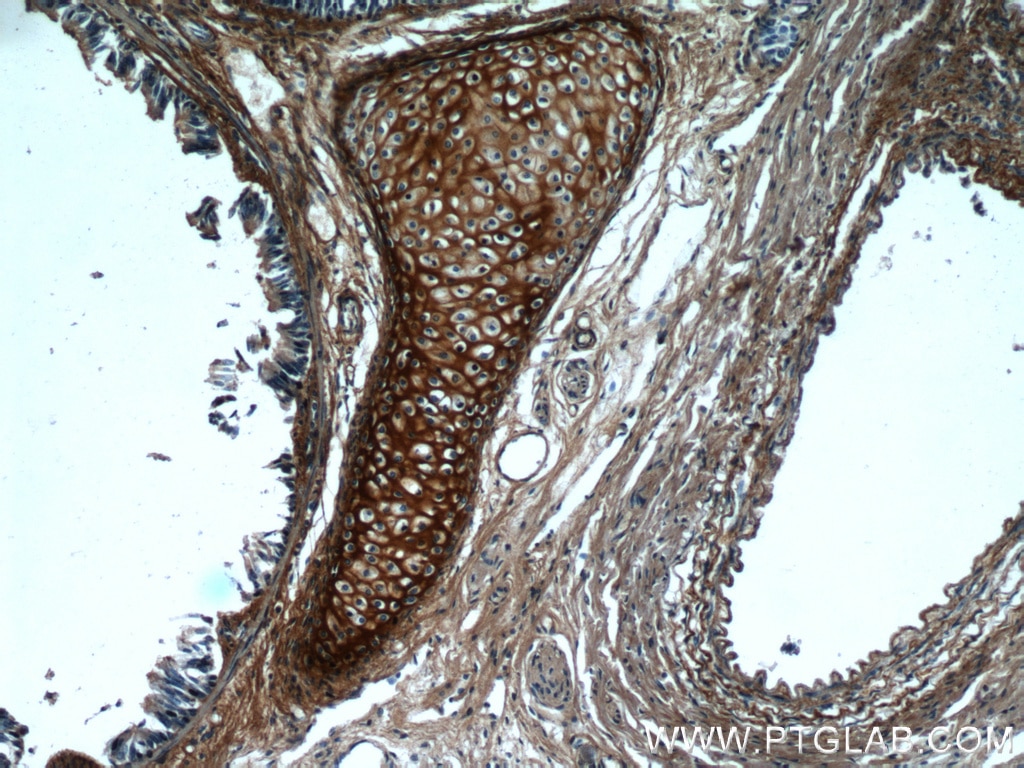
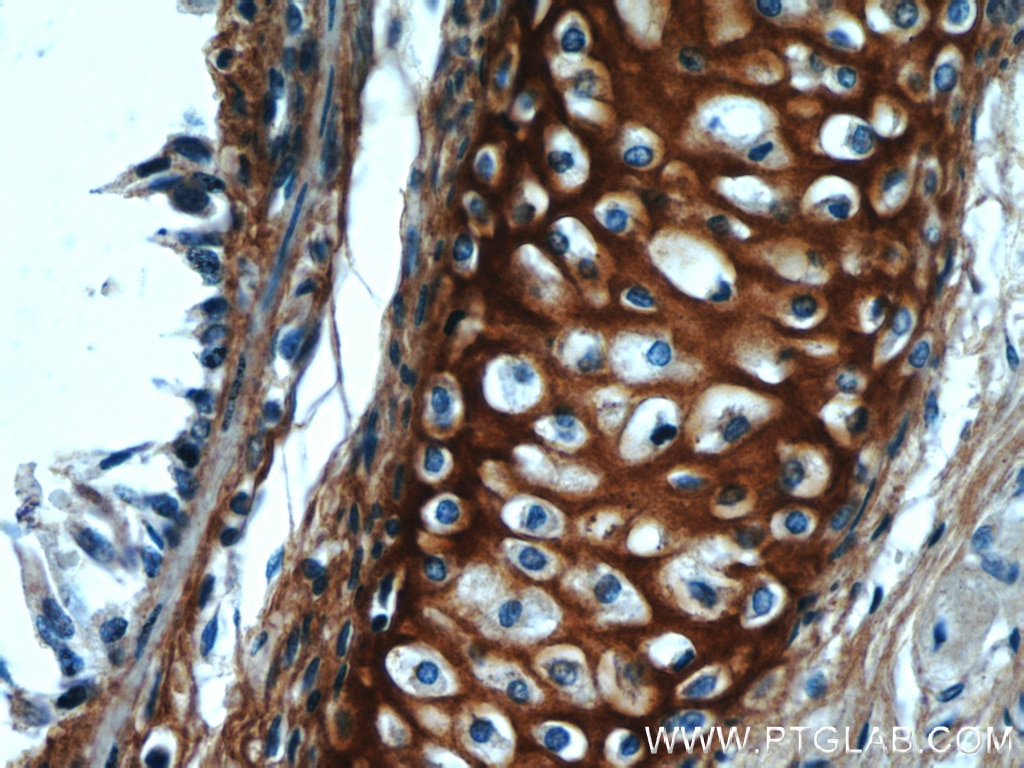
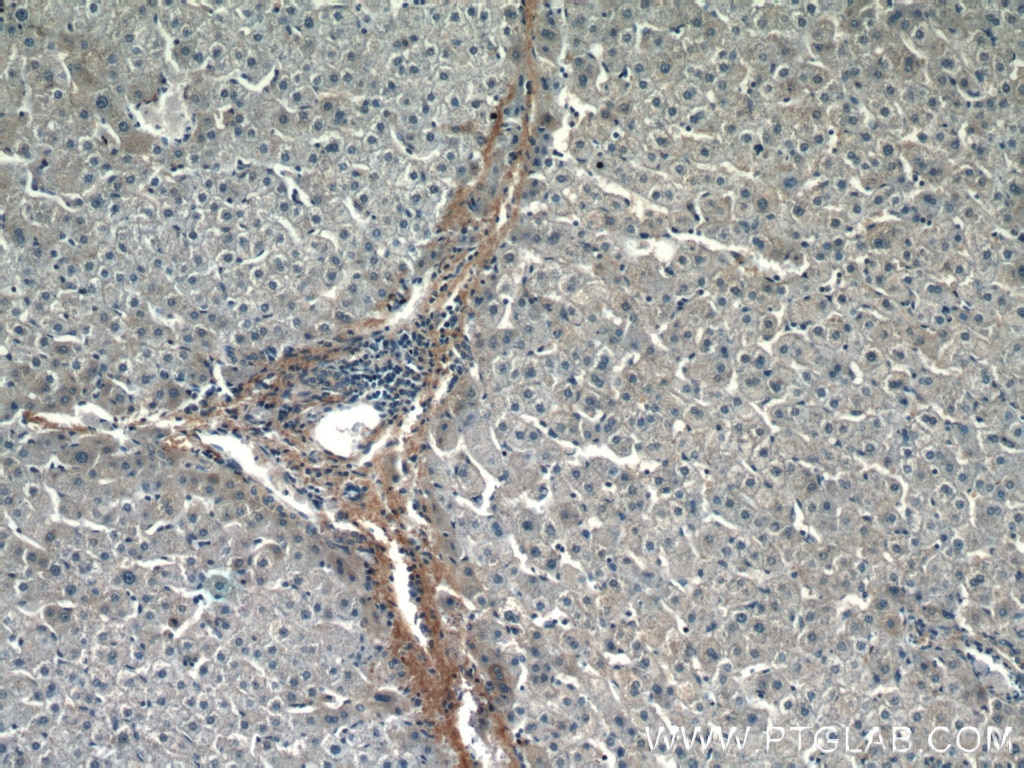
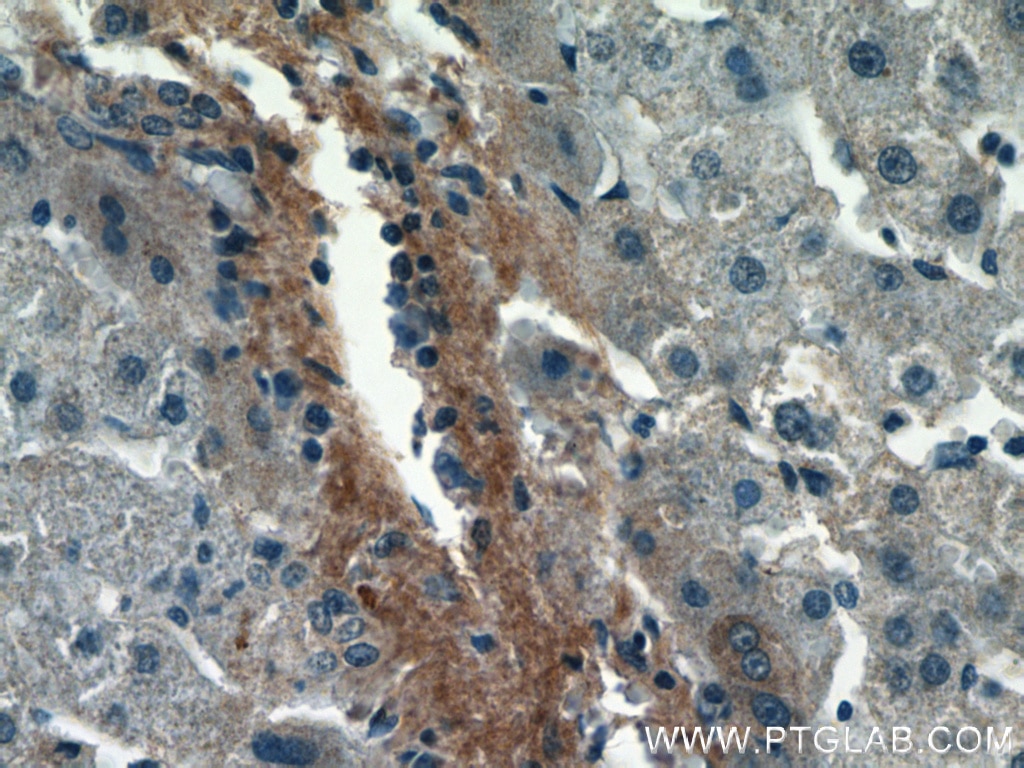
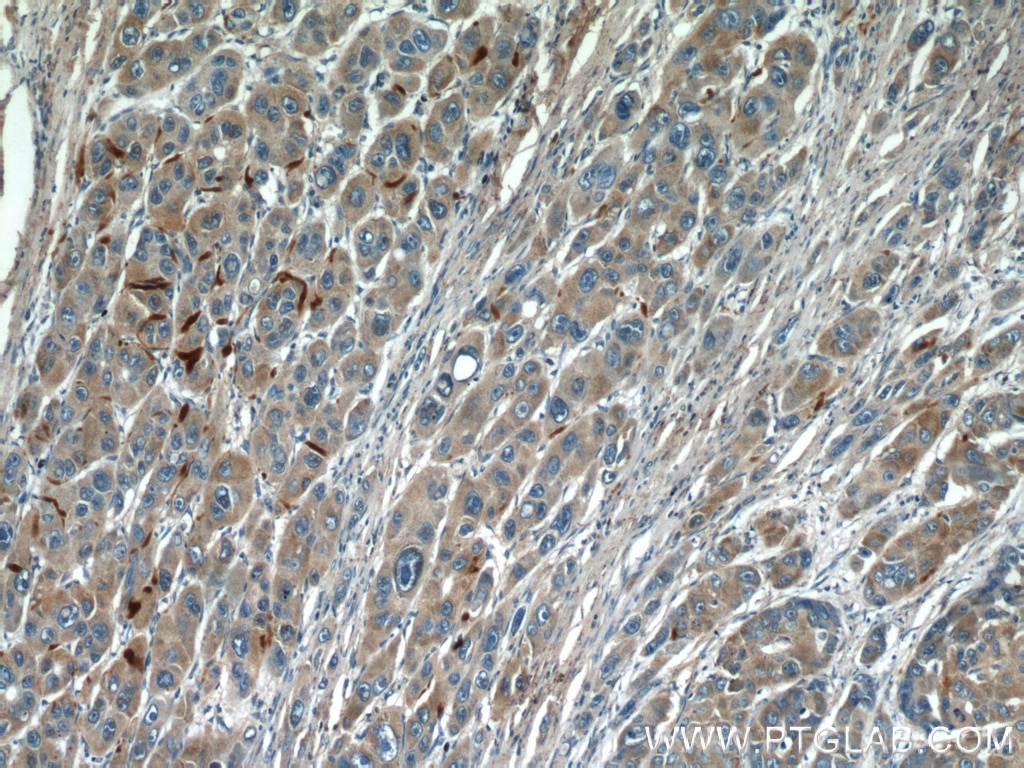
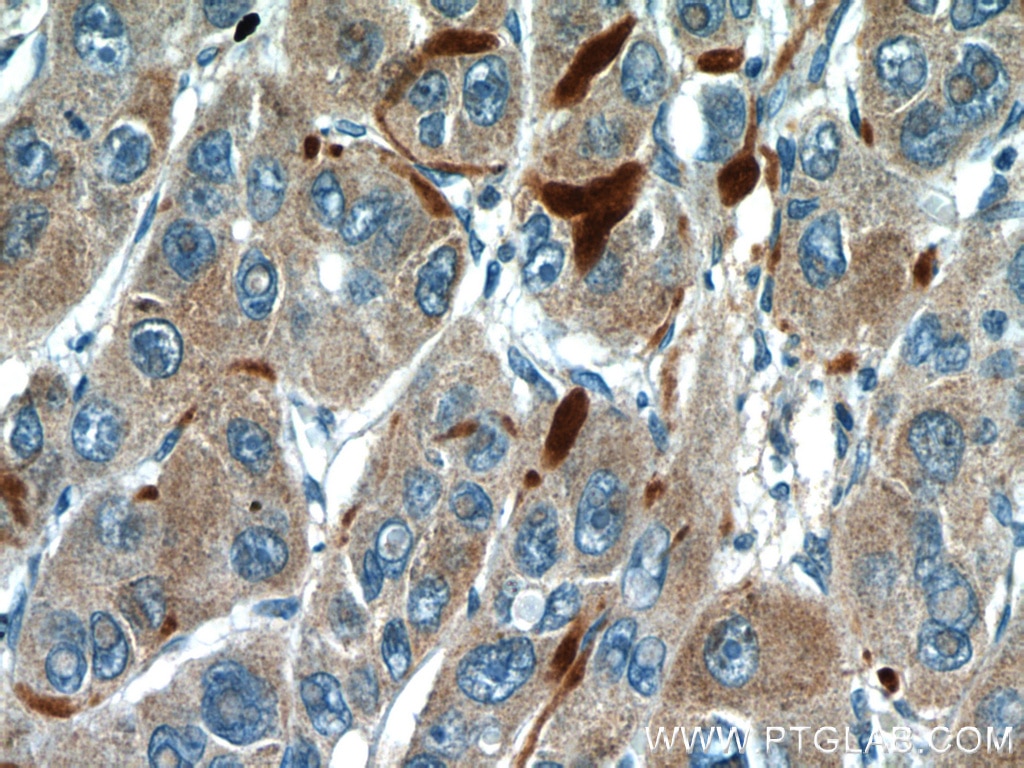
| Positive IHC detected in | human lung cancer tissue, human colon cancer tissue, human kidney tissue, human liver tissue, human liver cancer tissue, human lung tissue, human renal cell carcinoma tissue, human stomach cancer tissue, mouse lung tissue Note: suggested antigen retrieval with TE buffer pH 9.0; (*) Alternatively, antigen retrieval may be performed with citrate buffer pH 6.0 |
| Positive IF/ICC detected in | HepG2 cells |
Recommended dilution
| Application | Dilution |
|---|---|
| Western Blot (WB) | WB : 1:1000-1:5000 |
| Immunohistochemistry (IHC) | IHC : 1:200-1:4000 |
| Immunofluorescence (IF)/ICC | IF/ICC : 1:200-1:800 |
| It is recommended that this reagent should be titrated in each testing system to obtain optimal results. | |
| Sample-dependent, Check data in validation data gallery. | |
Published Applications
| KD/KO | See 6 publications below |
| WB | See 28 publications below |
| IHC | See 14 publications below |
| IF | See 12 publications below |
| IP | See 1 publications below |
Product Information
16409-1-AP targets Biglycan in WB, IHC, IF/ICC, IP, ELISA, Cell treatment applications and shows reactivity with human, mouse, rat, pig samples.
| Tested Reactivity | human, mouse, rat, pig |
| Cited Reactivity | human, mouse, rat, canine |
| Host / Isotype | Rabbit / IgG |
| Class | Polyclonal |
| Type | Antibody |
| Immunogen |
CatNo: Ag0683 Product name: Recombinant human Biglycan protein Source: e coli.-derived, PGEX-4T Tag: GST Domain: 1-368 aa of BC004244 Sequence: MWPLWRLVSLLALSQALPFEQRGFWDFTLDDGPFMMNDEEASGADTSGVLDPDSVTPTYSAMCPFGCHCHLRVVQCSDLGLKSVPKEISPDTTLLDLQNNDISELRKDDFKGLQHLYALVLVNNKISKIHEKAFSPLRKLQKLYISKNHLVEIPPNLPSSLVELRIHDNRIRKVPKGVFSGLRNMNCIEMGGNPLENSGFEPGAFDGLKLNYLRISEAKLTGIPKDLPETLNELHLDHNKIQAIELEDLLRYSKLYRLGLGHNQIRMIENGSLSFLPTLRELHLDNNKLARVPSGLPDLKLLQVVYLHSNNITKVGVNDFCPMGFGVKRAYYNGISLFNNPVPYWEVQPATFRCVTDRLAIQFGNYKK 相同性解析による交差性が予測される生物種 |
| Full Name | biglycan |
| Calculated molecular weight | 42 kDa |
| Observed molecular weight | 40-48 kDa |
| GenBank accession number | BC004244 |
| Gene Symbol | Biglycan |
| Gene ID (NCBI) | 633 |
| RRID | AB_10804656 |
| Conjugate | Unconjugated |
| Form | |
| Form | Liquid |
| Purification Method | Antigen affinity purification |
| UNIPROT ID | P21810 |
| Storage Buffer | PBS with 0.02% sodium azide and 50% glycerol{{ptg:BufferTemp}}7.3 |
| Storage Conditions | Store at -20°C. Stable for one year after shipment. Aliquoting is unnecessary for -20oC storage. |
Background Information
Biglycan is a member of the small leucine-rich proteoglycan (SLRP) family (PMID: 18463092). It consists of a core protein of 42 kDa containing leucine-rich repeats (LRRs), to which two chondroitin/dermatan sulfate side chains are covalently bound (PMID: 2212616; 10383378). The tissue-specific chondroitin- or dermatan-sulfate glycosaminoglycan chains of biglycan are attached to amino acid residues at the N-terminus of the core protein (PMID: 22821552). Biglycan is a ubiquitous component of connective tissue matrix and may act as a signaling molecule (PMID: 22821552). Upregulation of biglycan has been reported in multiple types of solid cancer (PMID: 32194659).
Protocols
| Product Specific Protocols | |
|---|---|
| IF protocol for Biglycan antibody 16409-1-AP | Download protocol |
| IHC protocol for Biglycan antibody 16409-1-AP | Download protocol |
| WB protocol for Biglycan antibody 16409-1-AP | Download protocol |
| Standard Protocols | |
|---|---|
| Click here to view our Standard Protocols |
Publications
| Species | Application | Title |
|---|---|---|
J Nanobiotechnology Youthful small extracellular vesicles restore the function and reparative capacity of inflammatory-impaired periodontal ligament stem cells via delivering protein biglycan for bone regeneration
| ||
Theranostics Enhancer-mediated NR2F2 recruitment activates BGN to promote tumor growth and shape tumor microenvironment in papillary thyroid cancer.
| ||
Adv Sci (Weinh) BGN/MDK Axis in the Melanoma Tumor Microenvironment Strengthens Tumor Malignancy by Modulating Cancer Cells and Cancer-Associated Fibroblasts Crosstalk | ||
Biomaterials Genetically engineered extracellular vesicles-based collagen-targeting bioinspired scaffold for tendon regenerative repair.
| ||
Cell Death Dis Mmu-miR-185 depletion promotes osteogenic differentiation and suppresses bone loss in osteoporosis through the Bgn-mediated BMP/Smad pathway. | ||
Acta Biomater Rejuvenation of tendon stem/progenitor cells for functional tendon regeneration through platelet-derived exosomes loaded with recombinant Yap1 |