
Validation Data Gallery

Tested Applications
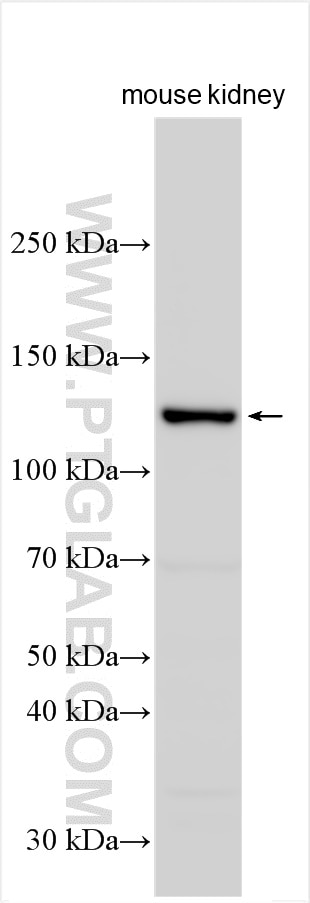
| Positive WB detected in | mouse kidney tissue |
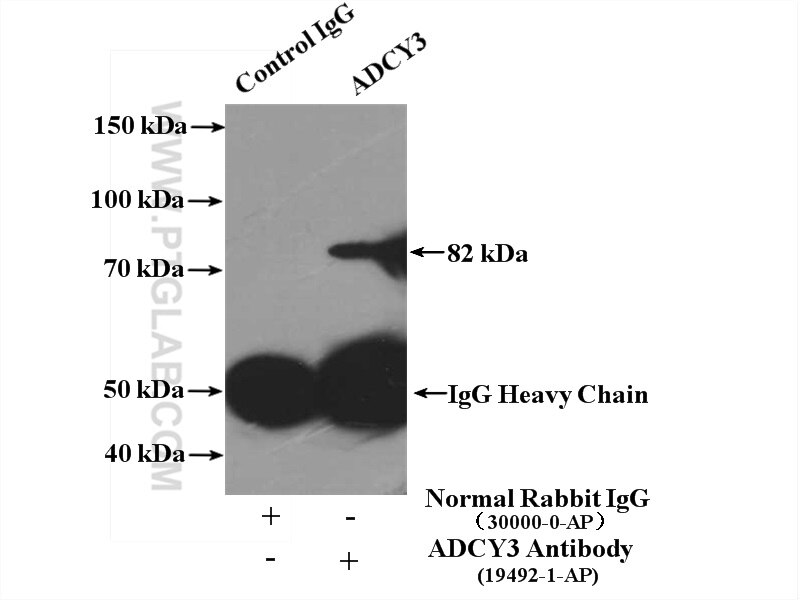
| Positive IP detected in | MDCK cells |
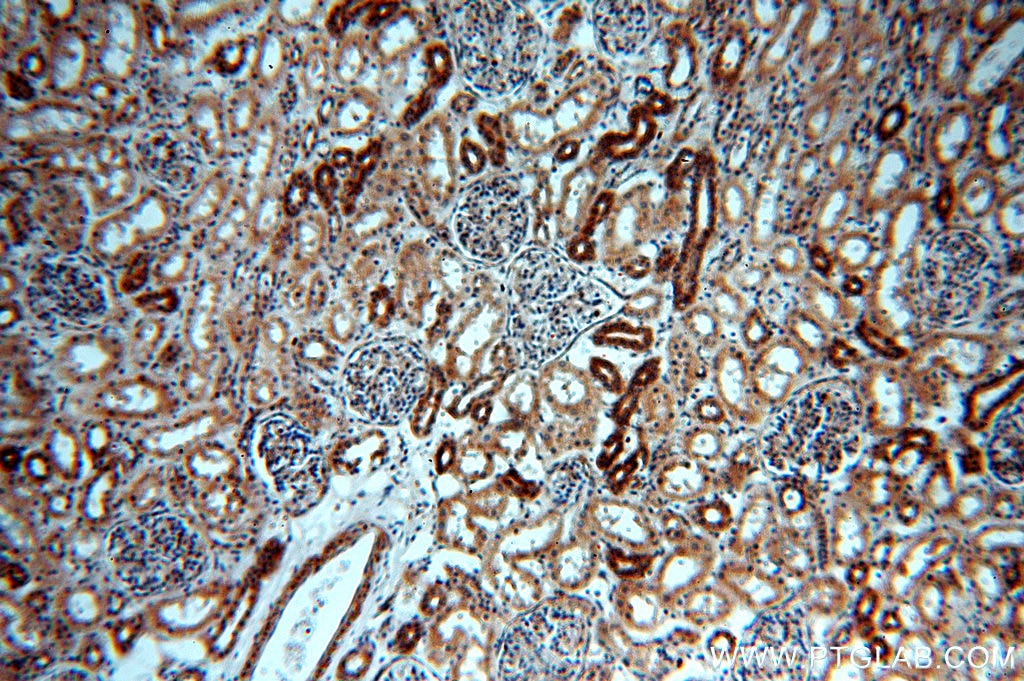
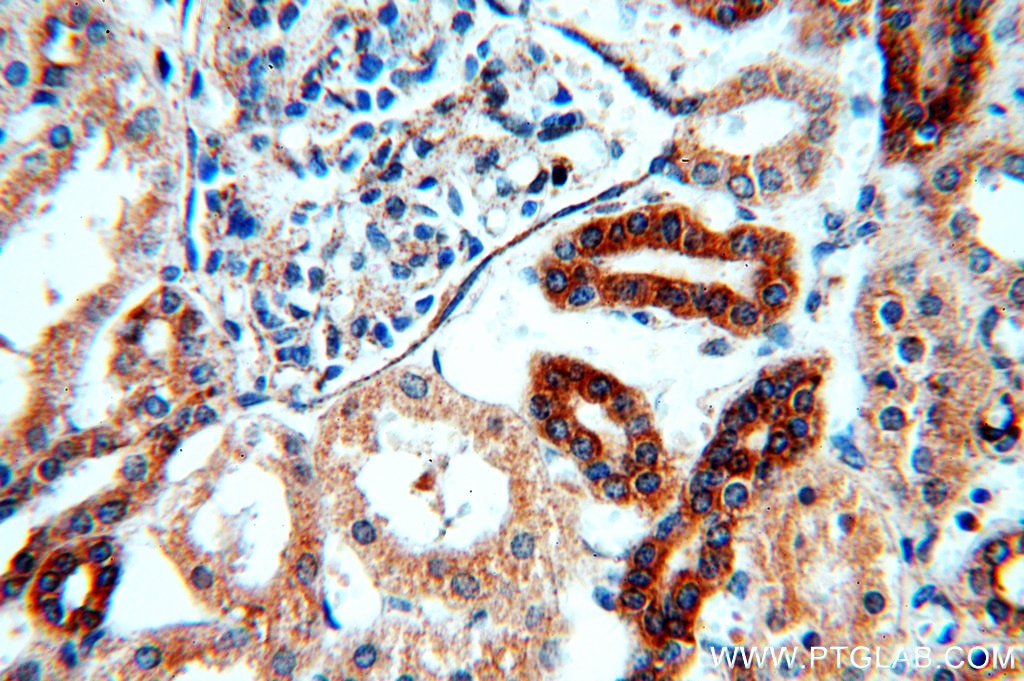
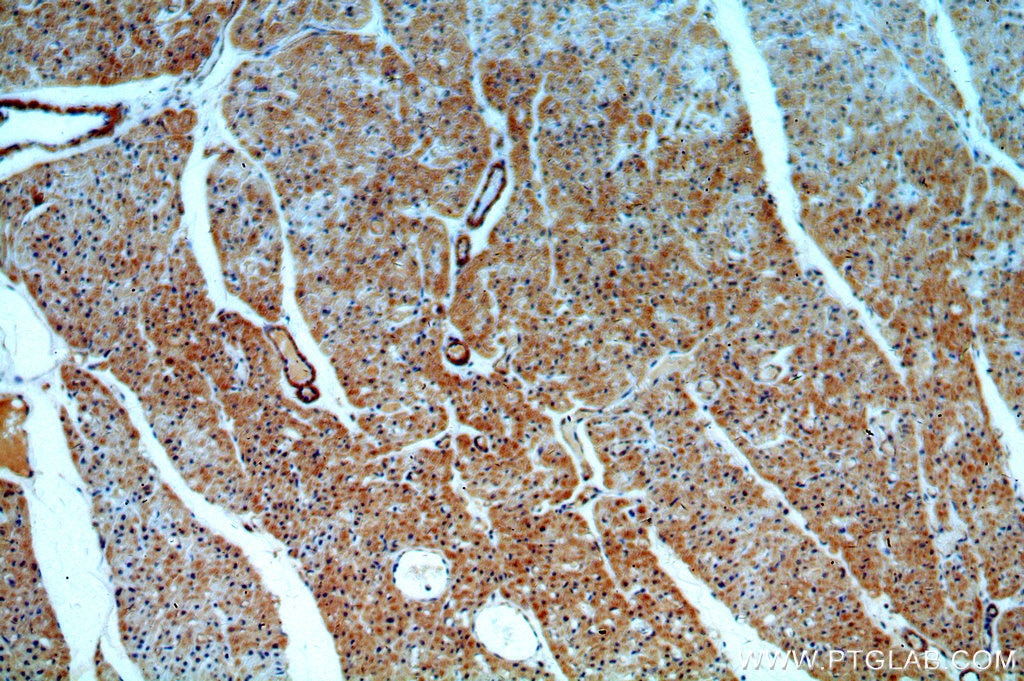
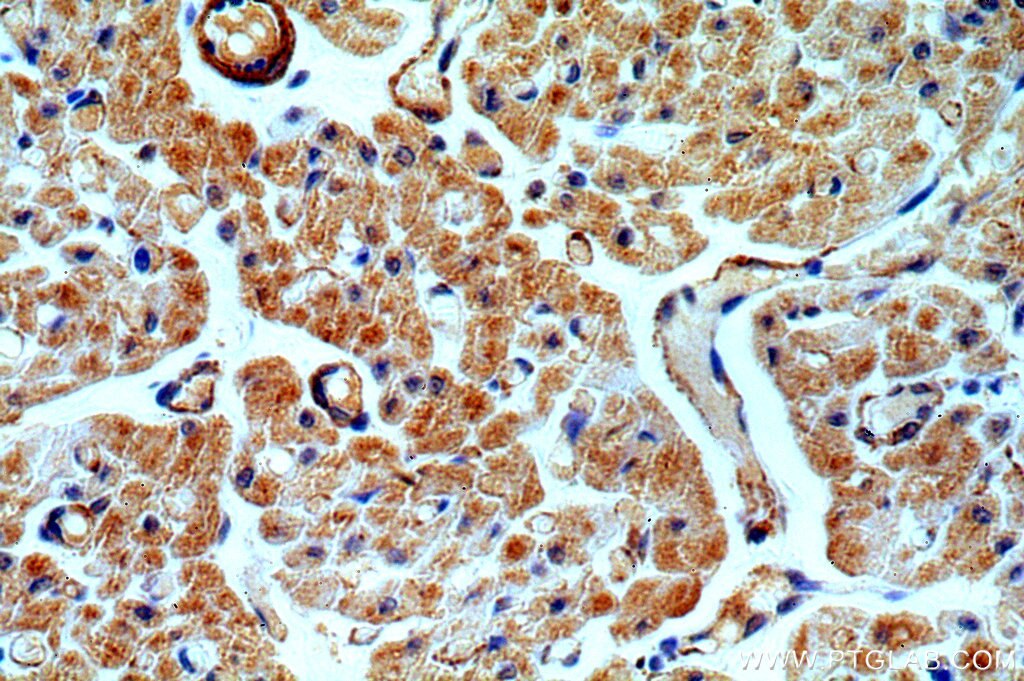
| Positive IHC detected in | human kidney tissue, human heart tissue Note: suggested antigen retrieval with TE buffer pH 9.0; (*) Alternatively, antigen retrieval may be performed with citrate buffer pH 6.0 |
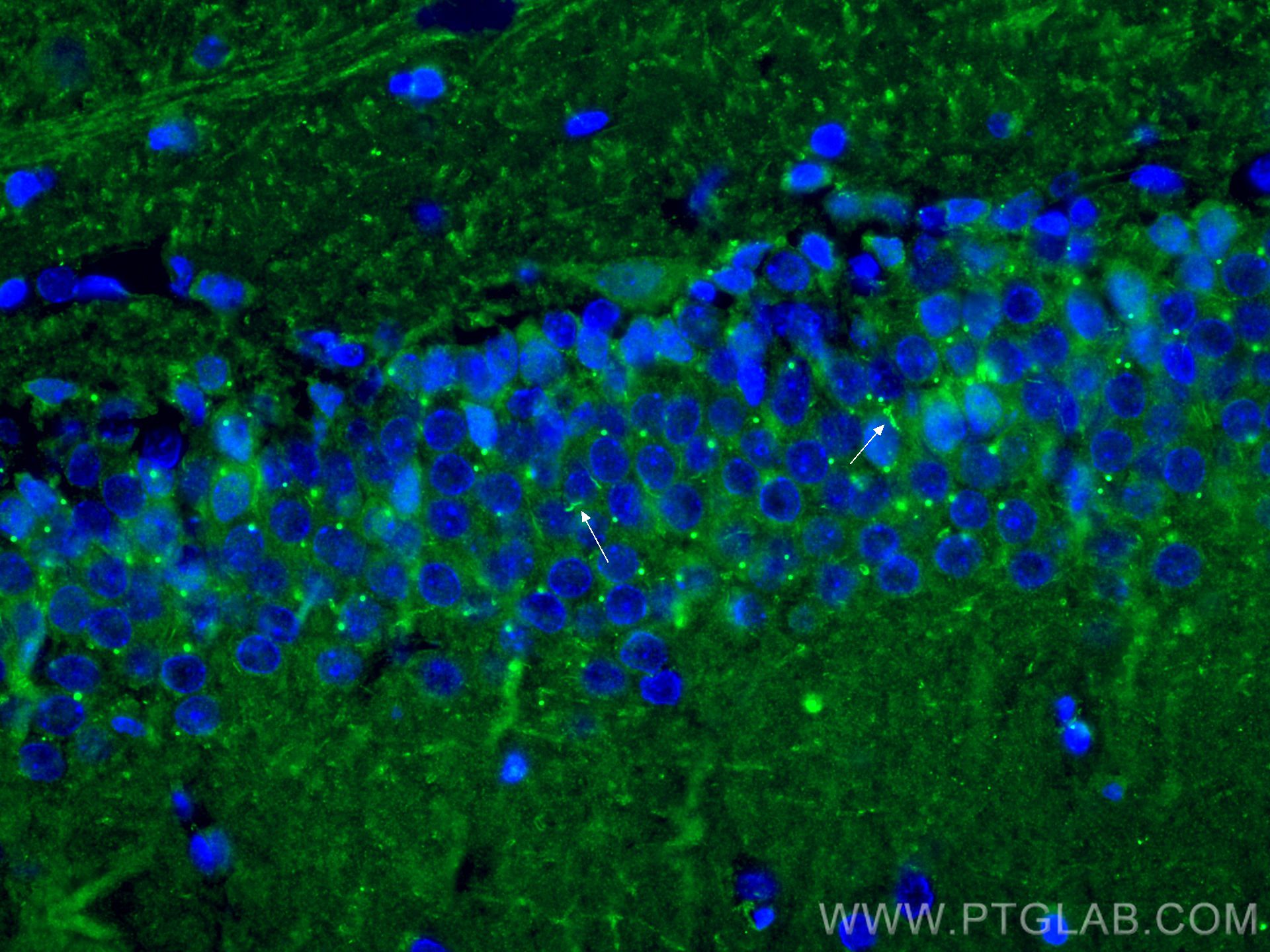
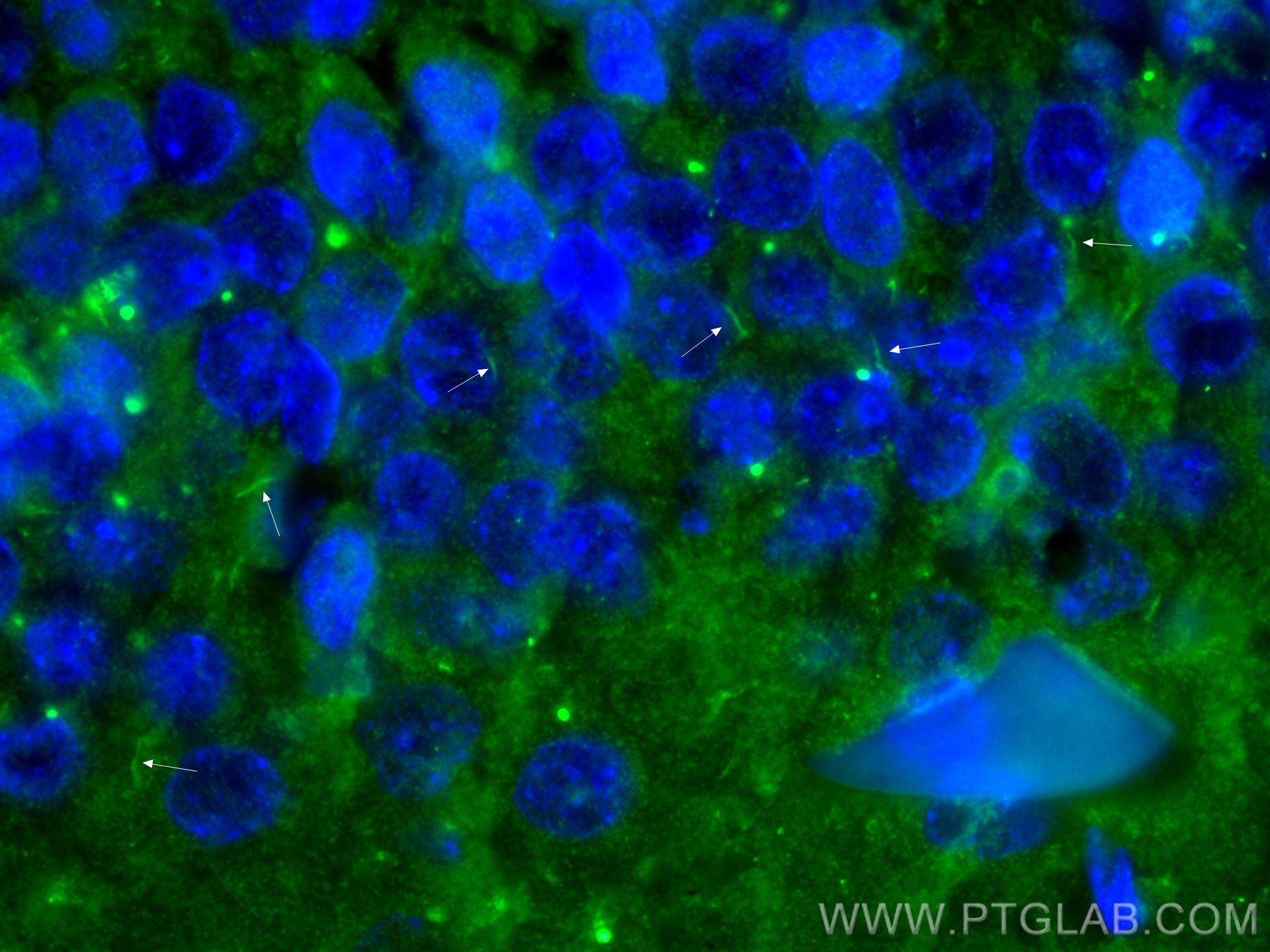
| Positive IF-P detected in | rat brain tissue |
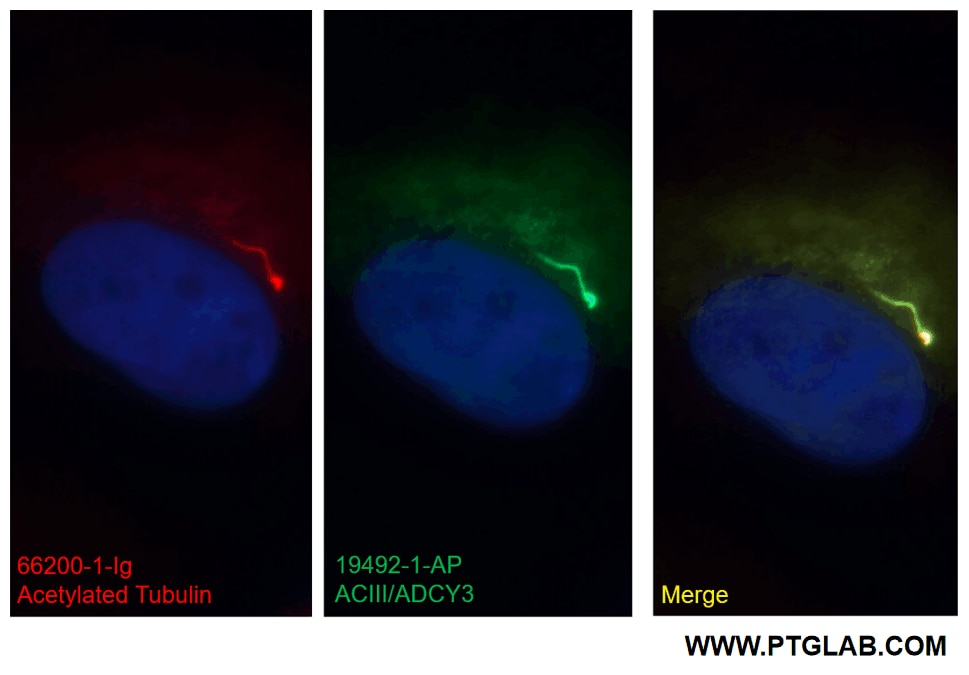
| Positive IF/ICC detected in | hTERT-RPE1 cells, MDCK cells |
Recommended dilution
| Application | Dilution |
|---|---|
| Western Blot (WB) | WB : 1:5000-1:50000 |
| Immunoprecipitation (IP) | IP : 0.5-4.0 ug for 1.0-3.0 mg of total protein lysate |
| Immunohistochemistry (IHC) | IHC : 1:20-1:200 |
| Immunofluorescence (IF)-P | IF-P : 1:50-1:500 |
| Immunofluorescence (IF)/ICC | IF/ICC : 1:200-1:800 |
| It is recommended that this reagent should be titrated in each testing system to obtain optimal results. | |
| Sample-dependent, Check data in validation data gallery. | |
Published Applications
| KD/KO | See 1 publications below |
| WB | See 10 publications below |
| IHC | See 3 publications below |
| IF | See 11 publications below |
Product Information
19492-1-AP targets ADCY3 in WB, IHC, IF/ICC, IF-P, IP, ELISA applications and shows reactivity with human, mouse, rat, canine samples.
| Tested Reactivity | human, mouse, rat, canine |
| Cited Reactivity | human, mouse, rat |
| Host / Isotype | Rabbit / IgG |
| Class | Polyclonal |
| Type | Antibody |
| Immunogen |
Peptide 相同性解析による交差性が予測される生物種 |
| Full Name | adenylate cyclase 3 |
| Calculated molecular weight | 129 kDa |
| Observed molecular weight | 130 kDa,82 kDa |
| GenBank accession number | NM_004036 |
| Gene Symbol | ADCY3 |
| Gene ID (NCBI) | 109 |
| RRID | AB_10638445 |
| Conjugate | Unconjugated |
| Form | |
| Form | Liquid |
| Purification Method | Antigen affinity purification |
| UNIPROT ID | O60266 |
| Storage Buffer | PBS with 0.02% sodium azide and 50% glycerol{{ptg:BufferTemp}}7.3 |
| Storage Conditions | Store at -20°C. Stable for one year after shipment. Aliquoting is unnecessary for -20oC storage. |
Background Information
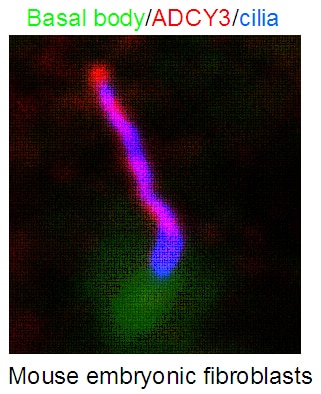
ADCY3 is an adenylate cyclase (AC) functioning to convert ATP to cAMP in response to signals initiated by activation of Gs-coupled receptors. To date, 10 isoforms of AC have been cloned in mammals. Initially identified in olfactory cilia, ADCY3 is regarded as the olfactory isoform and required for detection of odorants. Recently it has been found that outside of the olfactory epithelium the olfactory-like signaling pathway including AC3 may also have a key role in spermatogenesis and spermatozoa functions. In addition, the ciliary location of AC3 makes it as a prominent marker for primary cilia in brain.AC3 is typically found at 130 kDa in olfactory tissues.In nonolfactory tissues (such as sperm), this protein is reported to migrate with a molecular mass of 55 kDa,occasionally accompanied by additional bands at either 90 or 130 kDa(PMID:9539154).
Protocols
| Product Specific Protocols | |
|---|---|
| IF protocol for ADCY3 antibody 19492-1-AP | Download protocol |
| IHC protocol for ADCY3 antibody 19492-1-AP | Download protocol |
| IP protocol for ADCY3 antibody 19492-1-AP | Download protocol |
| WB protocol for ADCY3 antibody 19492-1-AP | Download protocol |
| Standard Protocols | |
|---|---|
| Click here to view our Standard Protocols |
Publications
| Species | Application | Title |
|---|---|---|
Cell Metab Caloric restriction prevents inheritance of polycystic ovary syndrome through oocyte-mediated DNA methylation reprogramming | ||
Adv Sci (Weinh) Targeting the HDAC6-Cilium Axis Ameliorates the Pathological Changes Associated with Retinopathy of Prematurity. | ||
Proc Natl Acad Sci U S A KCTD1 regulation of Adenylyl cyclase type 5 adjusts striatal cAMP signaling | ||
Int J Biol Macromol Integration of TWAS with single-cell and spatial transcriptomics identifies TLR1 as a susceptibility gene and therapeutic target in the breast cancer tumor microenvironment. | ||
Cell Rep Phenotypic Screen with TSC-Deficient Neurons Reveals Heat-Shock Machinery as a Druggable Pathway for mTORC1 and Reduced Cilia. |