
Validation Data Gallery
Tested Applications
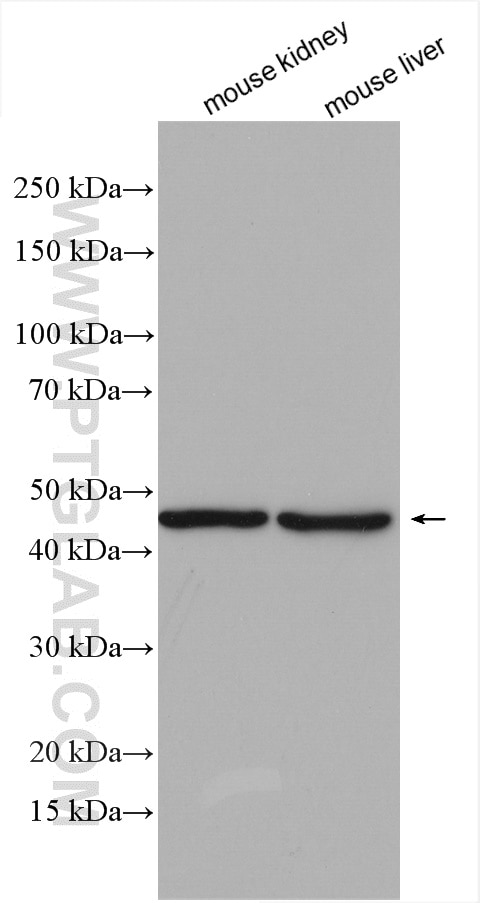
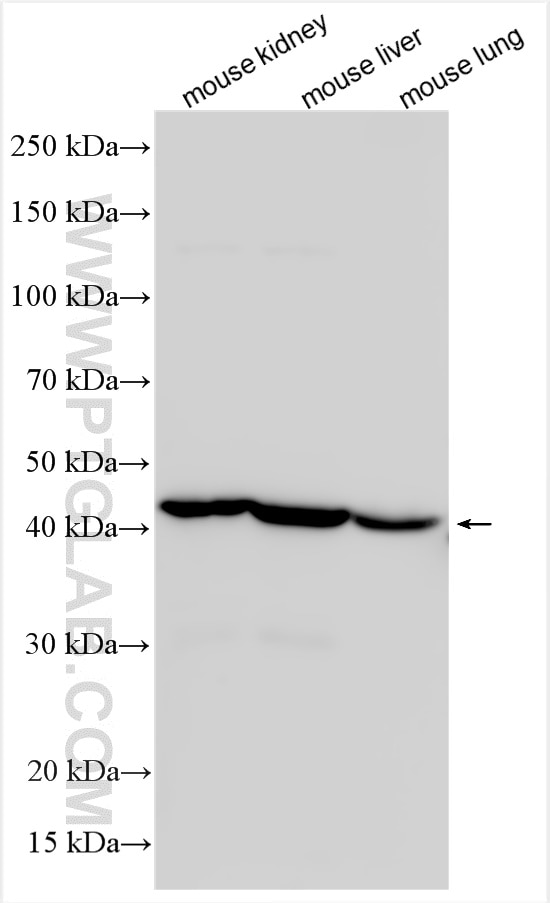
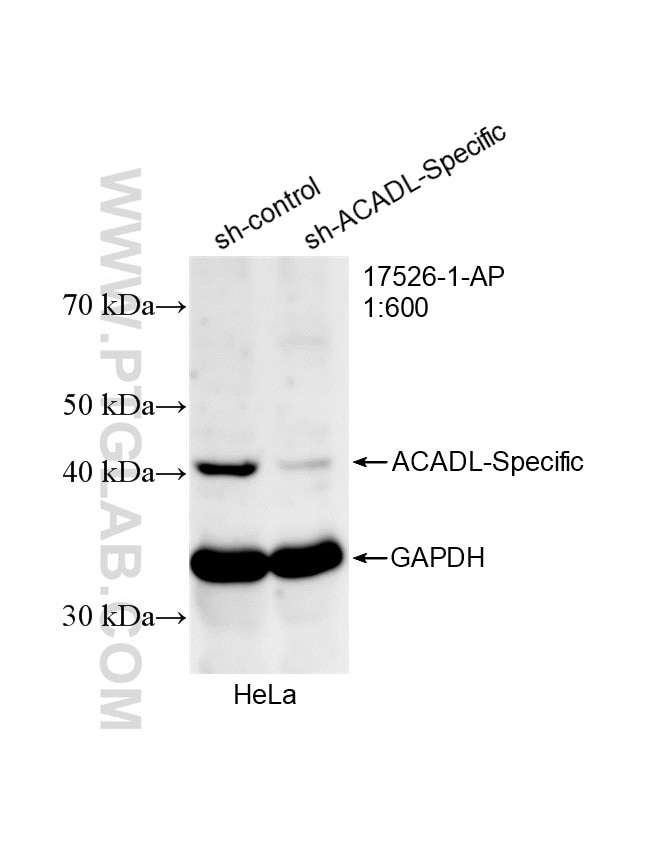
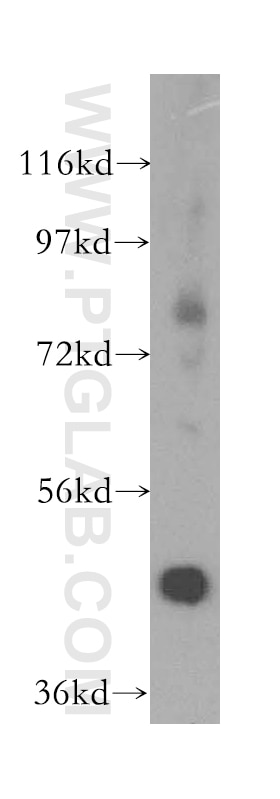
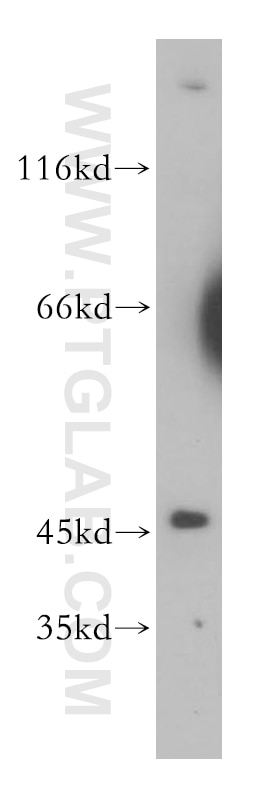
| Positive WB detected in | mouse kidney tissue, HeLa cells, mouse heart tissue, mouse liver tissue, mouse lung tissue |
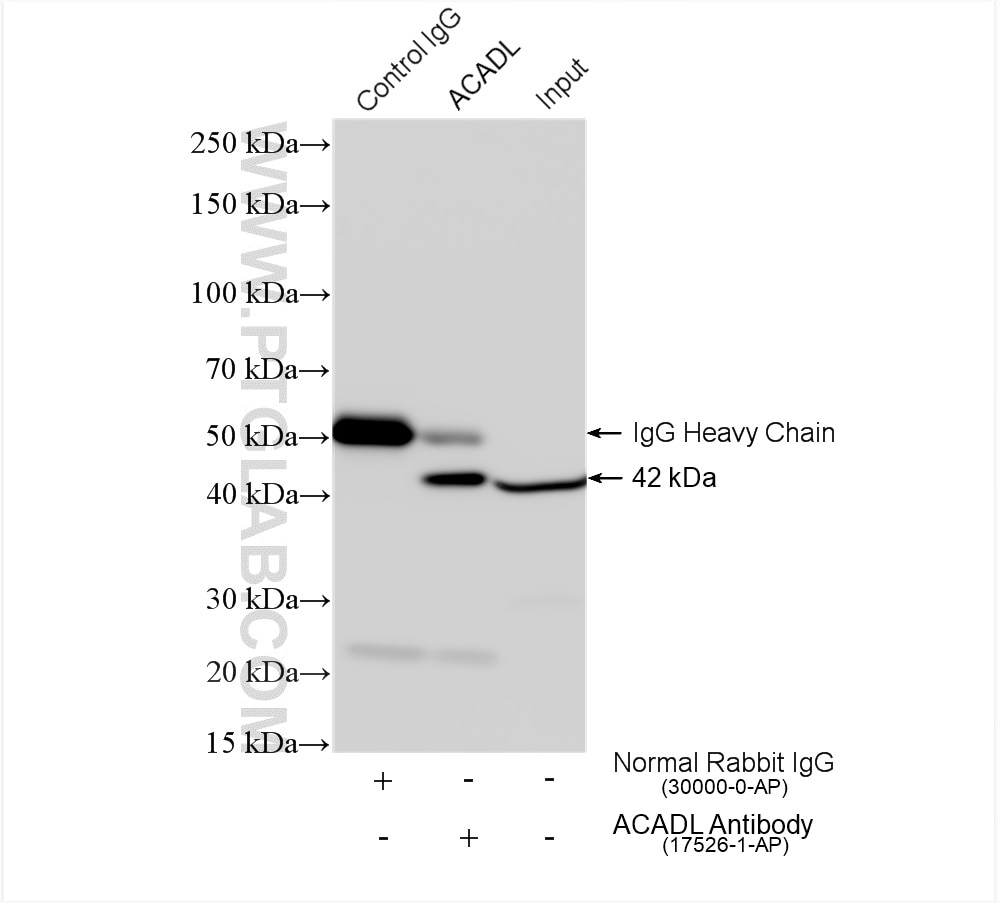
| Positive IP detected in | mouse kidney tissue |
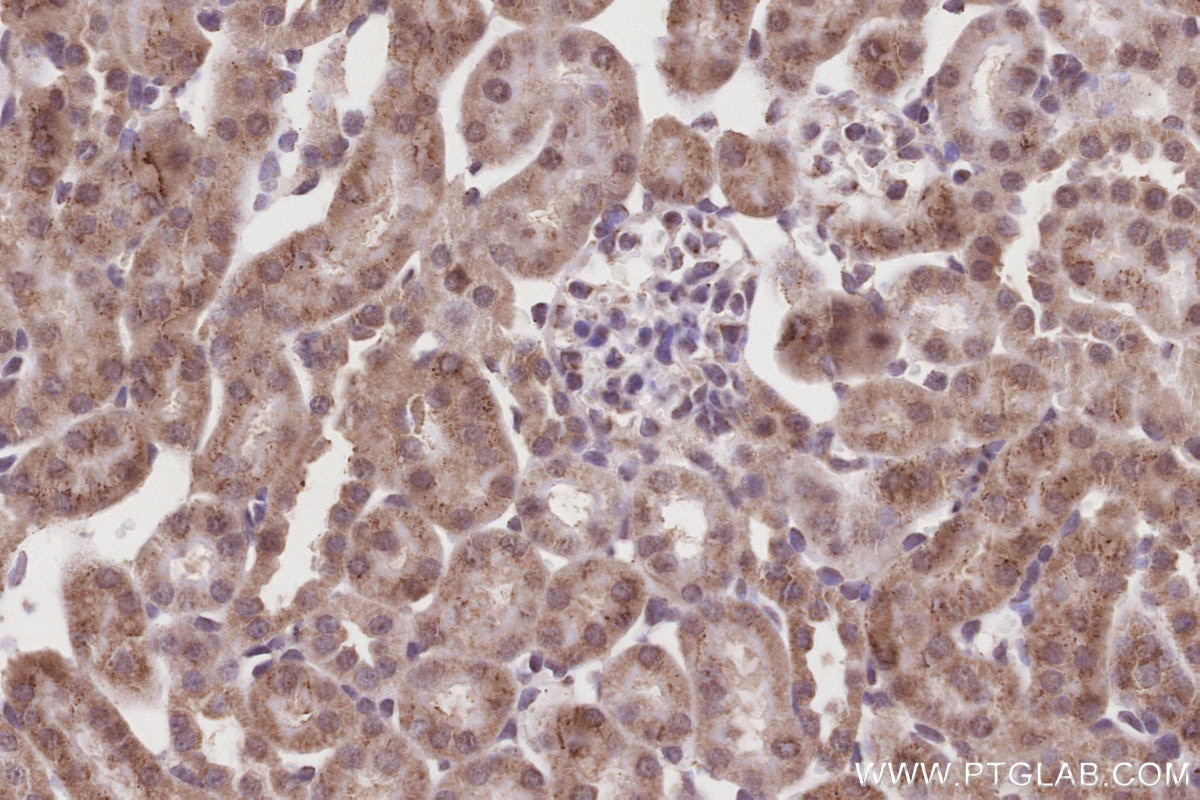
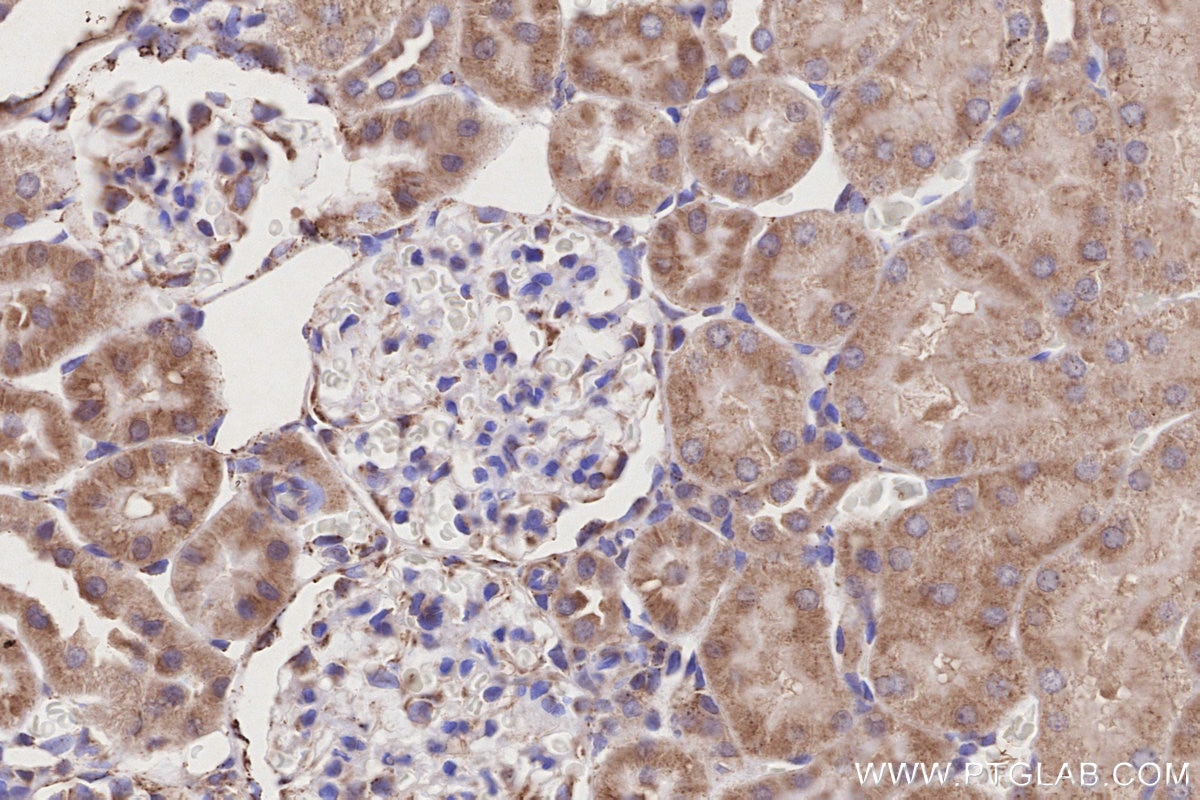
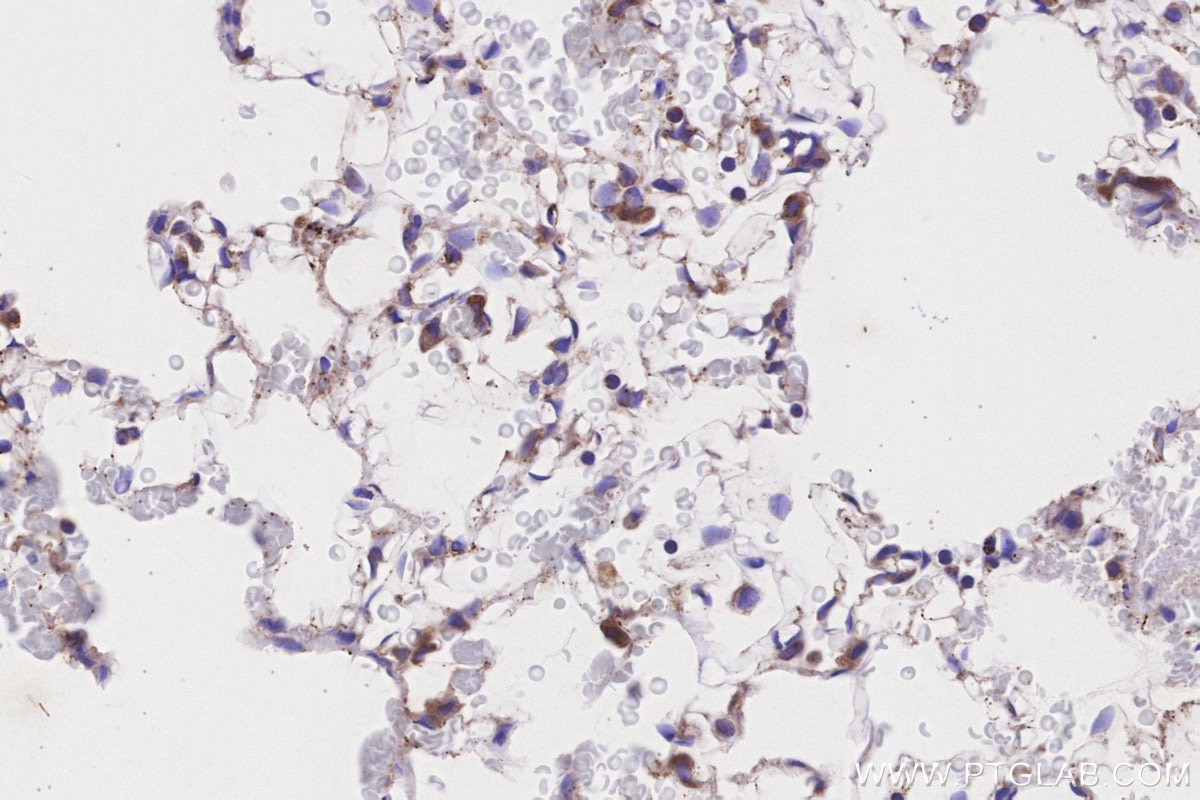
| Positive IHC detected in | rat kidney tissue, mouse kidney tissue, rat lung tissue Note: suggested antigen retrieval with TE buffer pH 9.0; (*) Alternatively, antigen retrieval may be performed with citrate buffer pH 6.0 |
Recommended dilution
| Application | Dilution |
|---|---|
| Western Blot (WB) | WB : 1:5000-1:50000 |
| Immunoprecipitation (IP) | IP : 0.5-4.0 ug for 1.0-3.0 mg of total protein lysate |
| Immunohistochemistry (IHC) | IHC : 1:250-1:1000 |
| It is recommended that this reagent should be titrated in each testing system to obtain optimal results. | |
| Sample-dependent, Check data in validation data gallery. | |
Published Applications
| KD/KO | See 4 publications below |
| WB | See 75 publications below |
| IHC | See 7 publications below |
| IF | See 5 publications below |
| IP | See 4 publications below |
Product Information
17526-1-AP targets ACADL-Specific in WB, IHC, IF, IP, ELISA applications and shows reactivity with human, mouse samples.
| Tested Reactivity | human, mouse |
| Cited Reactivity | human, mouse, rat, pig, sheep, ewes |
| Host / Isotype | Rabbit / IgG |
| Class | Polyclonal |
| Type | Antibody |
| Immunogen |
Peptide 相同性解析による交差性が予測される生物種 |
| Full Name | acyl-Coenzyme A dehydrogenase, long chain |
| Calculated molecular weight | 48 kDa |
| Observed molecular weight | 48 kDa |
| GenBank accession number | NM_001608 |
| Gene Symbol | ACADL |
| Gene ID (NCBI) | 33 |
| RRID | AB_2219661 |
| Conjugate | Unconjugated |
| Form | |
| Form | Liquid |
| Purification Method | Antigen affinity purification |
| UNIPROT ID | P28330 |
| Storage Buffer | PBS with 0.02% sodium azide and 50% glycerol{{ptg:BufferTemp}}7.3 |
| Storage Conditions | Store at -20°C. Stable for one year after shipment. Aliquoting is unnecessary for -20oC storage. |
Background Information
ACADL(Long-chain specific acyl-CoA dehydrogenase, mitochondrial) is also named as LCAD and belongs to the acyl-CoA dehydrogenase family.It catalyzes the first reaction of the mitochondrial β-oxidation of fatty acids and is synthesized in the cytosol as a precursor that is larger than its mature from. The size difference between the precursor and mature rat LCAD has been estimated to be 3 kDa on the basis of SDS-PAGE(PMID:1774065). Defects in ACADL are a cause of acyl-CoA dehydrogenase very long-chain deficiency (ACADVLD).This antibody is specific to ACADL.
Protocols
| Product Specific Protocols | |
|---|---|
| IHC protocol for ACADL-Specific antibody 17526-1-AP | Download protocol |
| IP protocol for ACADL-Specific antibody 17526-1-AP | Download protocol |
| WB protocol for ACADL-Specific antibody 17526-1-AP | Download protocol |
| Standard Protocols | |
|---|---|
| Click here to view our Standard Protocols |
Publications
| Species | Application | Title |
|---|---|---|
Signal Transduct Target Ther A two-strata energy flux system driven by a stress hormone prioritizes cardiac energetics | ||
Nanomicro Lett Nanoparticle-Mediated Lipid Metabolic Reprogramming of T Cells in Tumor Microenvironments for Immunometabolic Therapy. | ||
Cell Res Hypoxia induces mitochondrial protein lactylation to limit oxidative phosphorylation | ||
Bioact Mater A foam cell-targeted lipophagy restoration strategy stabilizes vulnerable atherosclerotic plaques. | ||
Cancer Res Long-Chain Fatty Acid Redistribution Induced by SLC27A2 Deficiency Facilitates Hypoxic Adaptation and Immunosuppression in Hepatocellular Carcinoma | ||
Bone Res Pak4-mediated crosstalk between necroptotic macrophages and tendon stem/progenitor cells contributes to traumatic heterotopic ossification formation. |